
Brown Desk Lamp
These brown desk lamp items bring task lighting and rich timber character to a study.
Brown Desk Lamp
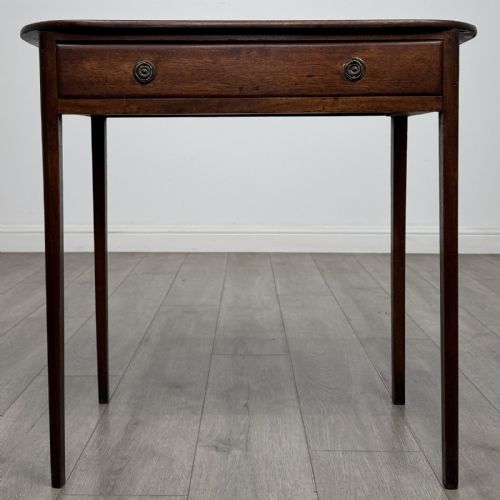
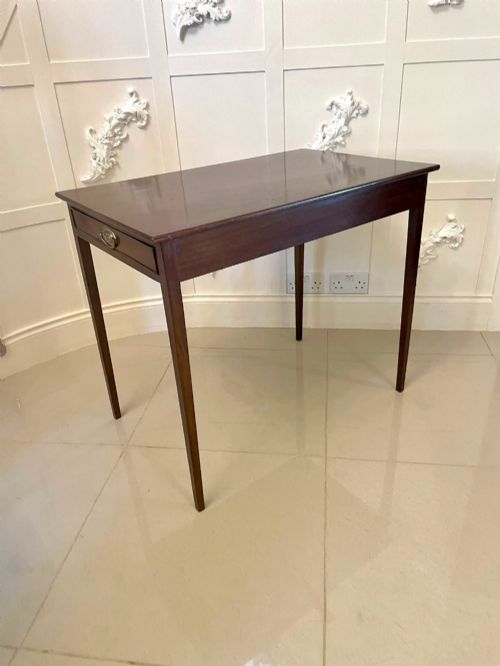
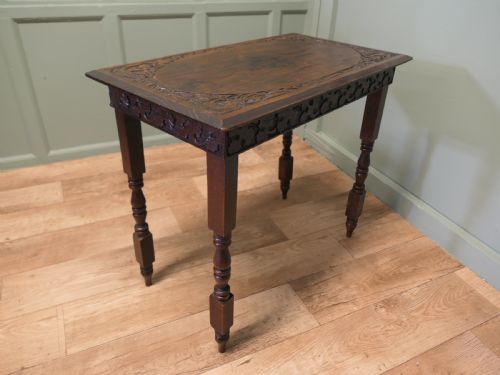
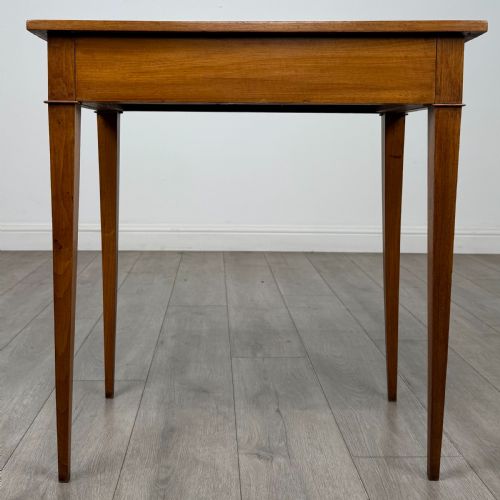
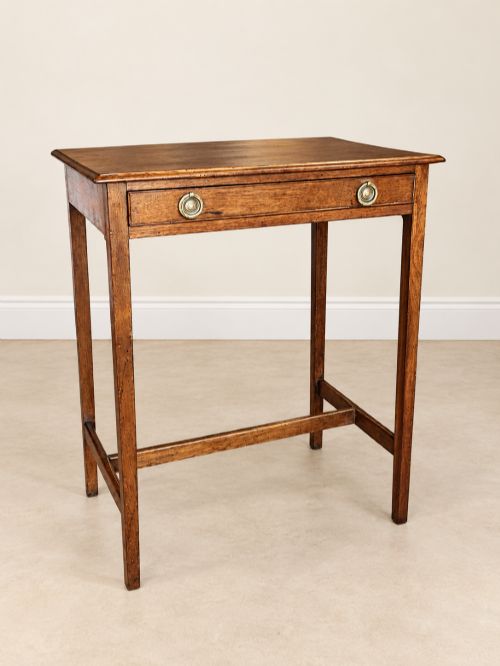
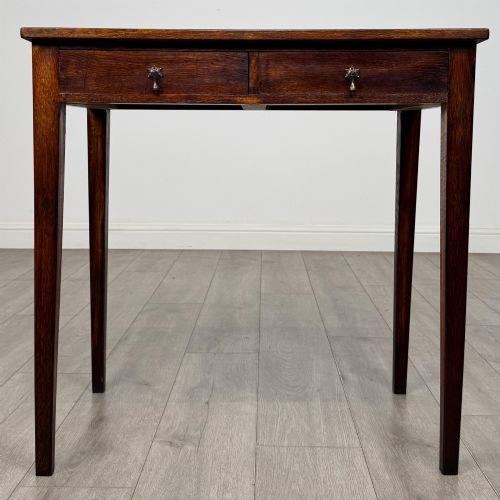
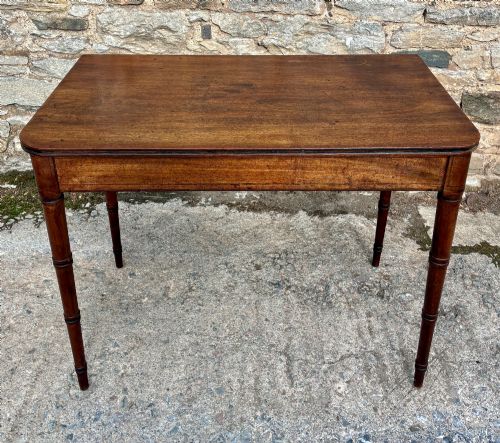
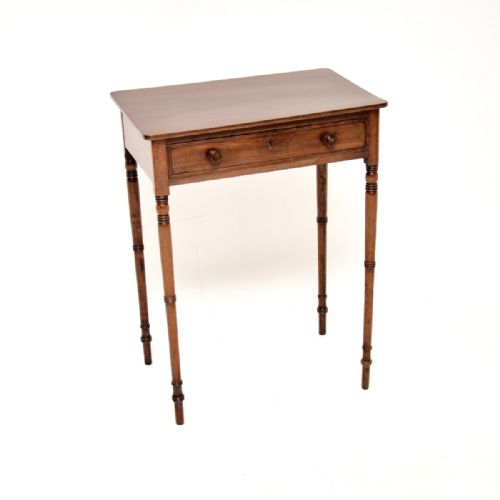
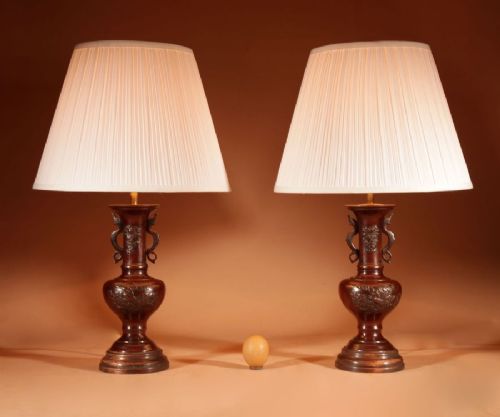
A brown desk lamp brings focused illumination and warm timber tones to a workspace, combining practical task lighting with traditional furniture forms. When searching for a brown desk lamp, buyers encounter various adaptations involving timber lamp bases and integrated desk structures from the nineteenth and twentieth centuries.
The selections span distinct eras including the Edwardian period, the Art Deco movement, and earlier Georgian influences. Many items incorporate traditional side tables, occasional tables, or desks paired with functional lighting elements, reflecting how older forms adapt to modern utility.
Materials and Construction
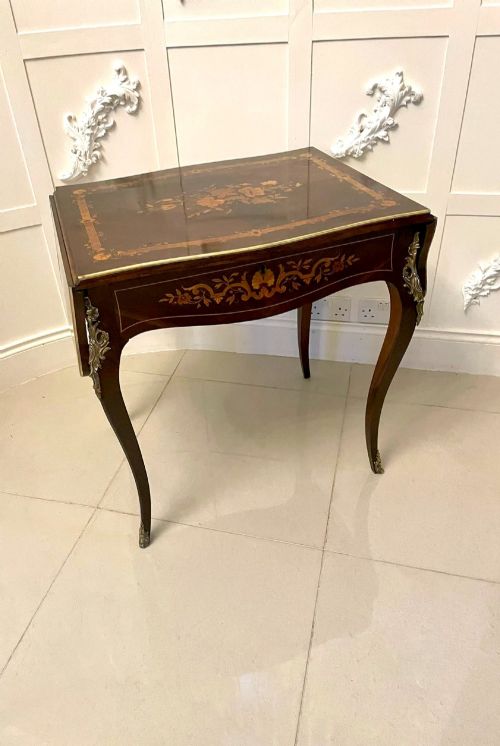
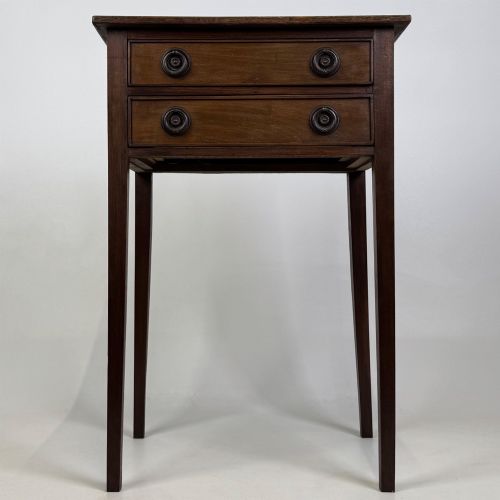
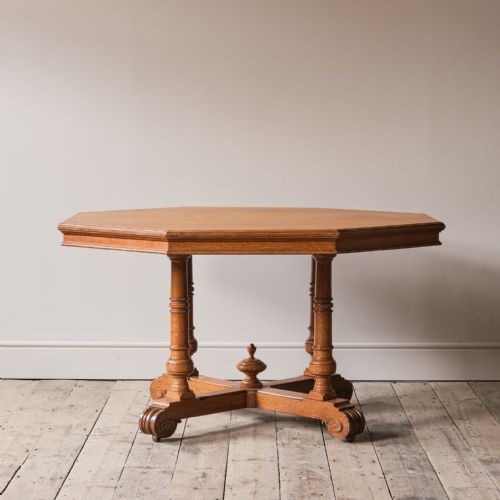
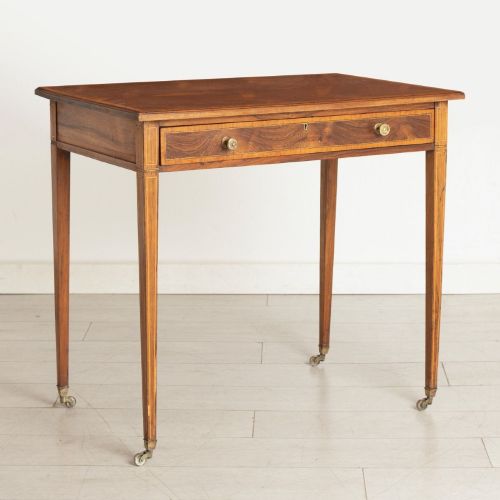
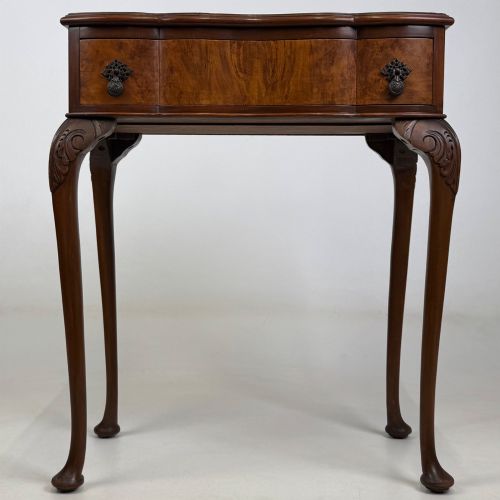
Construction relies heavily on durable hardwoods such as mahogany, oak, and walnut, often finished with detailed marquetry inlay or polished surfaces. Bronze and brass components frequently provide structural support or decorative mounts for the lighting elements.
Makers utilised traditional joinery techniques alongside metal casting and glass shaping, particularly evident in period desk lights and associated occasional tables. Fabric shades and mottled glass elements complete the assemblies, balancing structural timber with softer translucent components.
Current listings feature pieces constructed from mahogany, oak, walnut, and rosewood, spanning periods from the eighteenth century to the Art Deco era.
Evaluating Quality and Execution
Quality separates standard utilitarian pieces from exceptional examples through the precision of timber selection, such as figured walnut or dense mahogany. Superior items display meticulous attention to inlaid details, balanced proportions, and well-preserved original surface patination.
The integration of lighting components within heavier wooden furniture or dedicated desk frames distinguishes finer works from simpler assemblies. Consistency in period hardware and the refinement of cast bronze or brass elements further indicate superior workshop origins.
The Brown Desk Lamp Glossary
- Marquetry
- Decorative veneer work applied to furniture surfaces to create intricate patterns using various coloured woods. This technique requires high precision to fit timber segments together smoothly.
- Lowboy
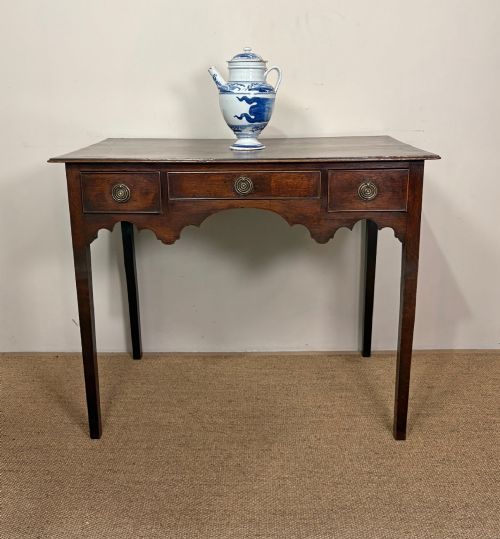
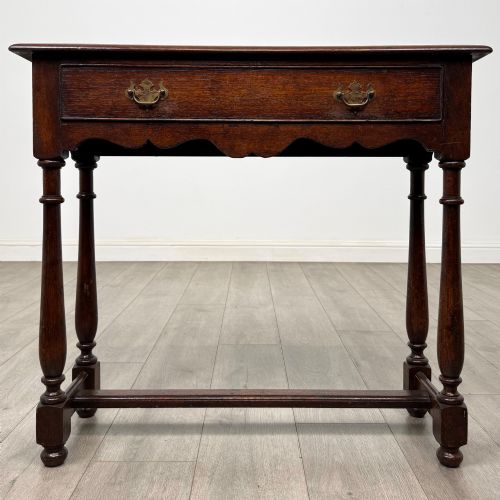
- A small eighteenth-century dressing table or side table featuring one or more rows of drawers beneath a flat top. These pieces typically stand on slender cabriole or straight legs.
- Patina
- The surface sheen and colour depth developed by timber and metal over decades of handling and exposure. It serves as an indicator of age and careful preservation.
- Occasional table
- A small, versatile table designed for specific, intermittent use within a room rather than permanent placement. They appear frequently in Edwardian and Victorian interiors.
- Mottled glass
- Glass featuring uneven colour distribution or textured patches, popular during the Art Deco period for diffusing light softly. It creates distinctive patterns when illuminated.
Brown Desk Lamp: Frequently Asked Questions
Where should I place a brown desk lamp?
Position the piece on a sturdy writing surface or secondary table where task lighting supports reading and writing activities. The warm timber tones complement traditional studies and libraries.
Ensure the scale of the lamp matches the surrounding furniture proportions so the piece integrates harmoniously into the room arrangement.
How do I clean wooden lamp bases?
Dust the timber surfaces regularly with a soft, dry cloth to prevent dirt accumulation on the polished finish. Avoid harsh chemical cleaners that strip the historic wax or varnish.
Apply a quality beeswax periodically to nourish the wood and maintain the natural lustre of the grain without damaging adjacent metal parts.
Can I use modern bulbs in these lamps?
Most vintage and antique light fittings accept standard modern bulbs provided the wattage matches the historical capacity of the fixture. Check the internal wiring and bulb holder specifications carefully before installation.
Consult a qualified electrician to inspect older wiring systems to ensure safe operation within contemporary domestic environments.
How do I identify Edwardian pieces?
Edwardian furniture typically displays lighter proportions, subtle inlay work, and refined mahogany or oak framing manufactured around the turn of the twentieth century. These items often favour understated elegance over heavier Victorian ornamentation. Nomenclature in listings frequently references this specific era alongside characteristic Edwardian side table and desk forms.