


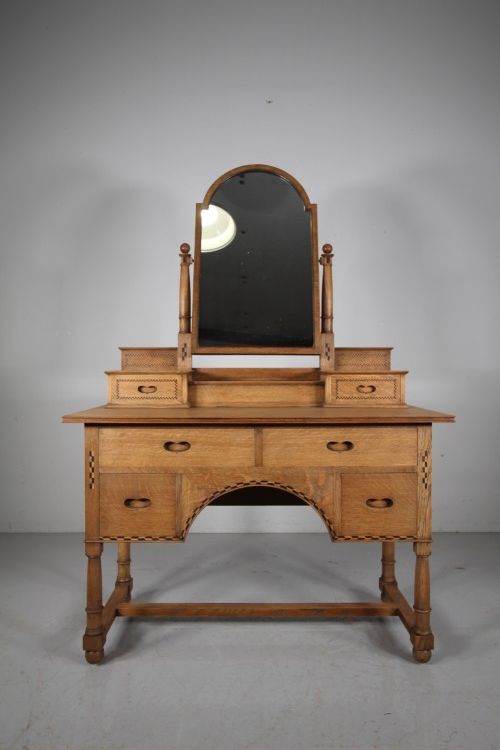
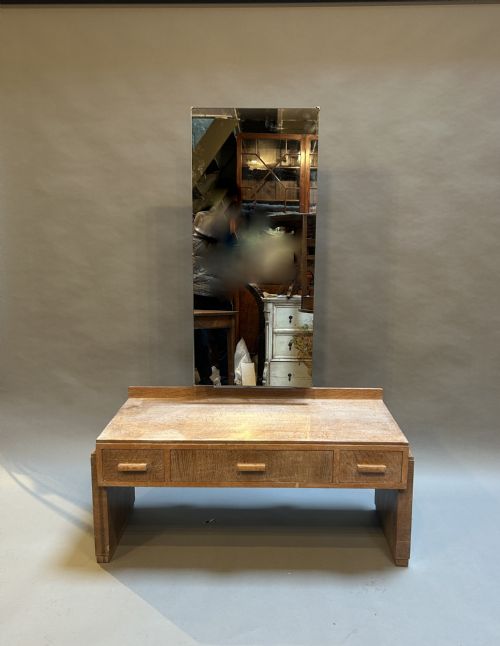

Vintage Oak Vanity Mirror
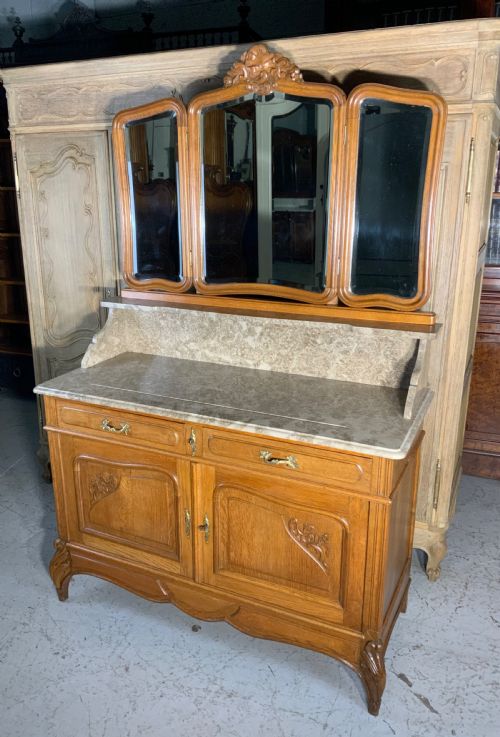
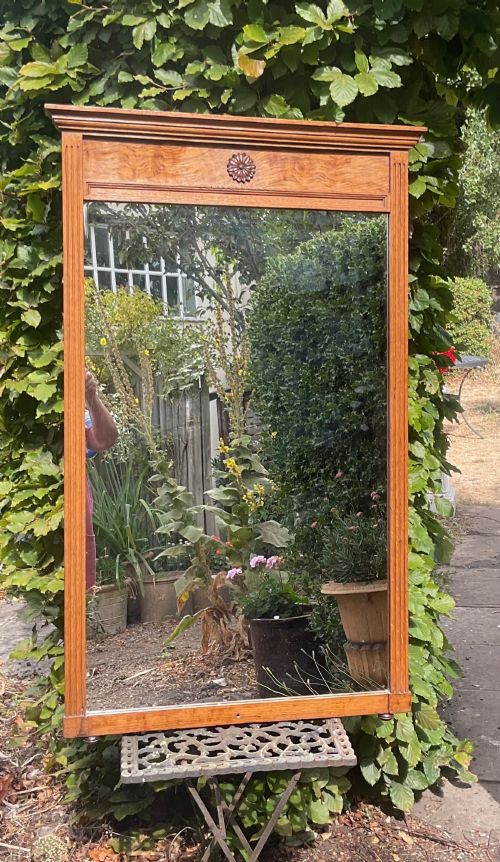
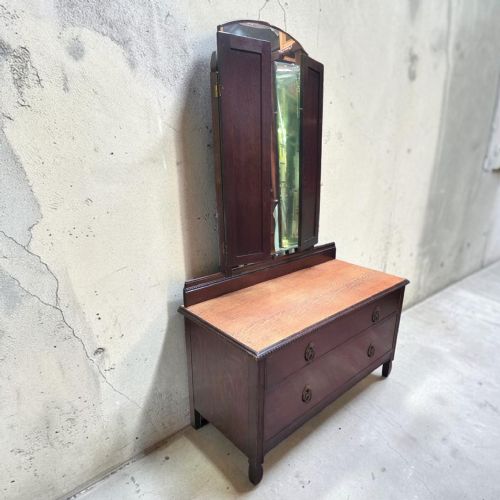
A vintage oak vanity mirror brings solid timber framing and adjustable glass to a dressing table or chest.
Vintage Oak Vanity Mirror
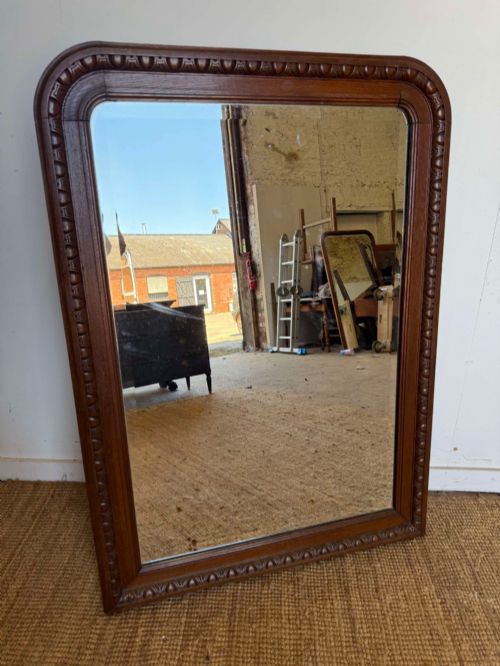
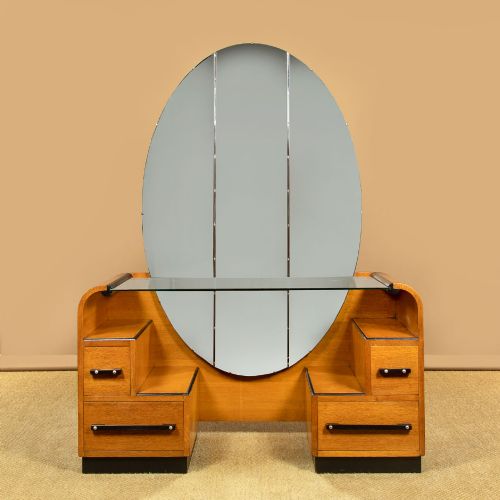
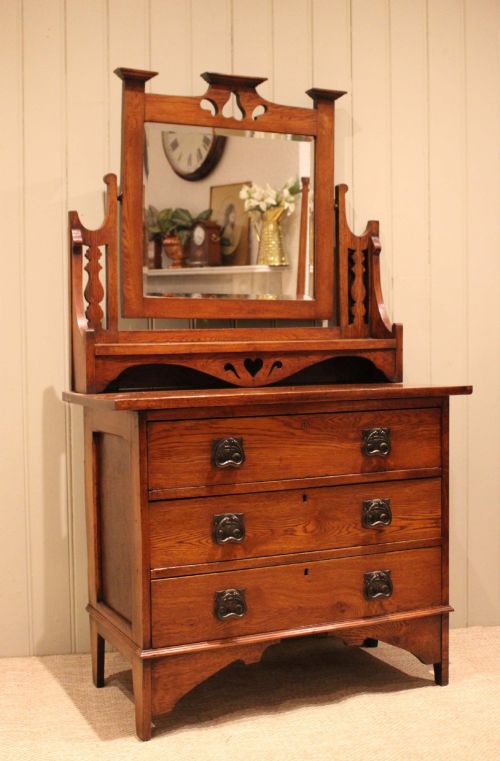
A vintage oak vanity mirror unites solid timber framing with reflective glass designed for bedroom dressing tables, chests, and shaving stands. Buyers searching this phrase meet pieces ranging from late nineteenth-century Victorian designs to 1930s Art Deco and Arts and Crafts examples.
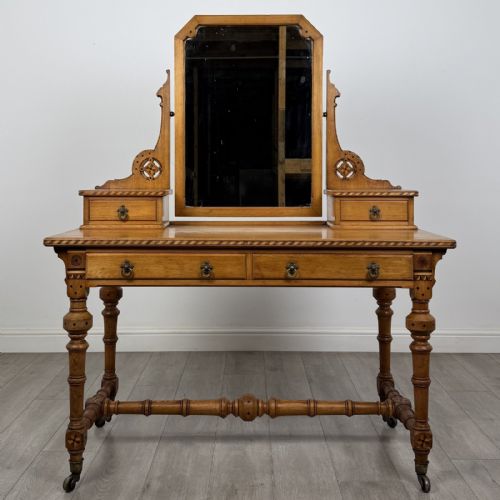
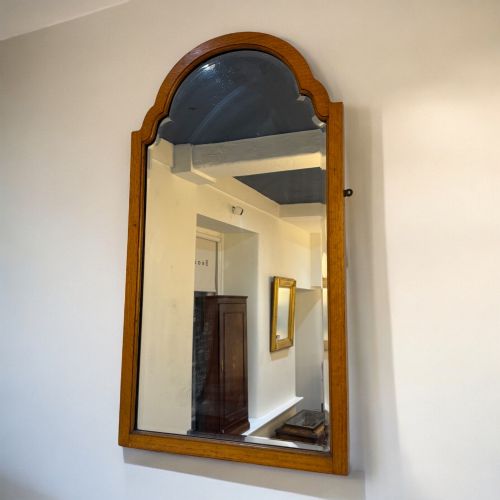
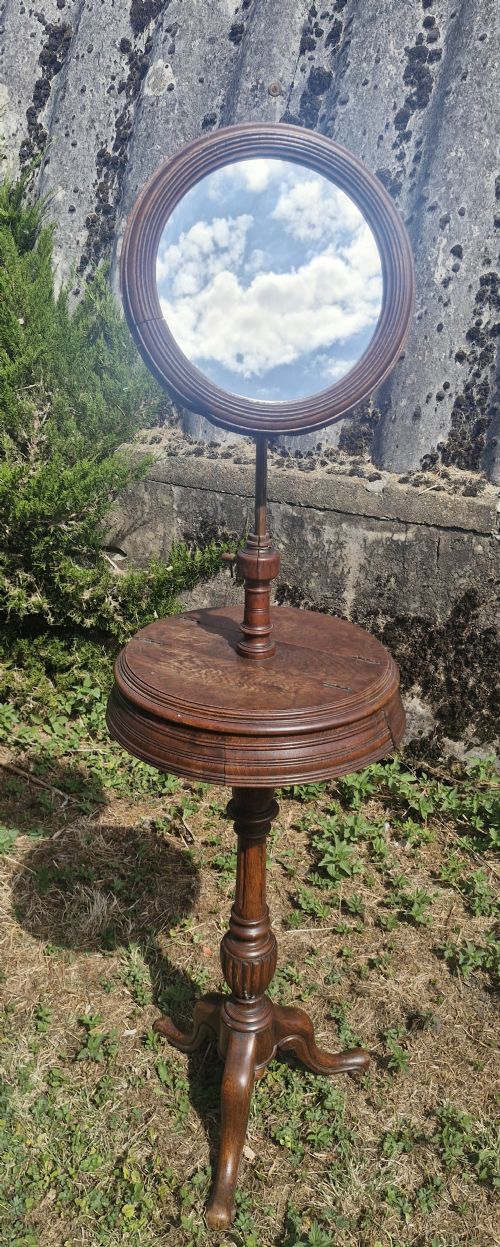
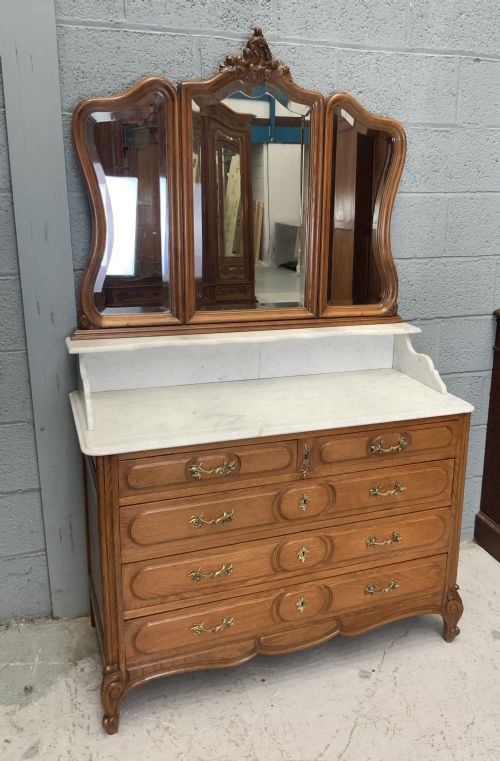
The selections span simple adjustable desktop swivels, part of larger dressing chests, and wall-hung variants incorporating brass or wood inlay. Period pieces often feature pivoting frames supported by upright standards attached to low drawers or small platforms.
Materials and construction
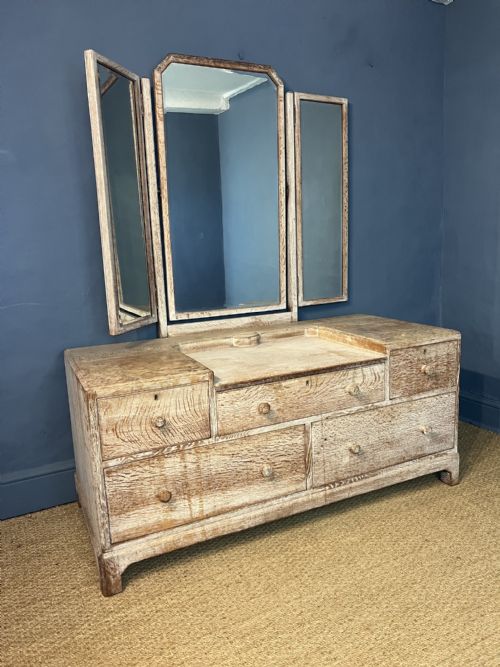
Frames are constructed predominantly from solid oak, sometimes finished in limed oak or enriched with wood inlay, marquetry, and carved detailing. Brass brackets, pivots, and screws facilitate the adjustable movement of the glass plates.
Makers utilised traditional joinery methods alongside decorative carving and stencilled decoration to shape the surrounds. Original mirror plates are frequently housed within rebated wooden frames secured by small pins or wooden backs.
Vintage Oak Vanity Mirror Retail Price Guide 2026
Typical asking prices for vintage oak vanity mirror among the pieces listed under this phrase on Sellingantiques today, from the lower quarter to the upper quarter. They describe what is for sale here now, not the wider market.
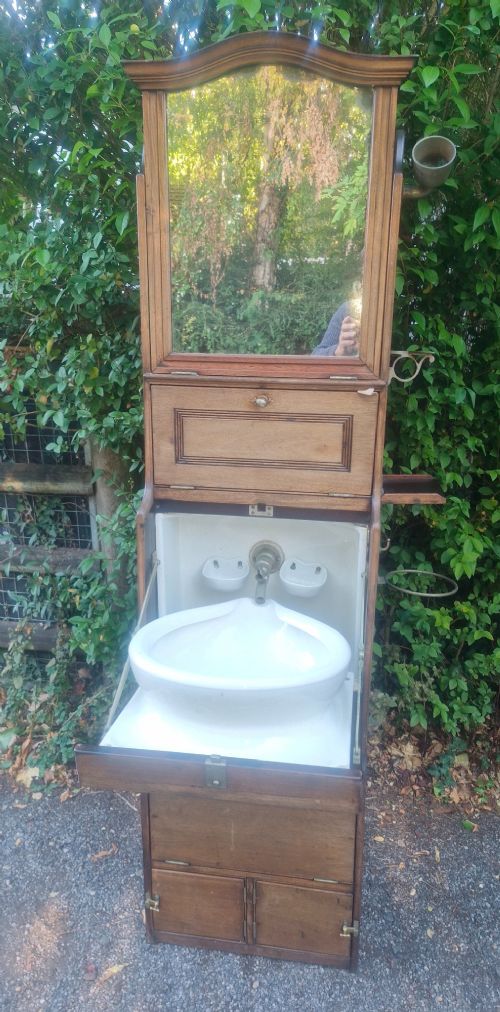
Several shaving stands retain tiny compartments once dedicated entirely to vintage soap cakes and straight razors.
Defining craftsmanship and design
Quality rests in the crispness of the oak carving, the integrity of the timber framing, and the robustness of the brass pivot mechanisms. Pieces bearing maker labels or attributed to notable workshops demonstrate superior joinery and thoughtful proportions.
The presence of original bevelled glass plates, integrated drawer boxes, and complementary marquetry elevate a piece beyond standard utility. Finer examples display harmonious integration between the mirror frame and the supporting chest or stand.
Heals·Shapland and Petter·George Walton·Harris Lebus·James Shoolbred·B Cohen and Sons
The Vintage Oak Vanity Mirror Glossary
- Limed oak
- A wood finish treatment that leaves a pale pigment in the grain pores, popular in twentieth-century modernist furniture. This technique highlights the natural texture of the timber.
- Shaving stand
- A specialised furniture form incorporating an adjustable mirror, small surface, and sometimes a drawer or basin. These pieces served personal grooming routines in bedrooms and dressing rooms.
- Marquetry
- Decorative veneer work arranged in pictorial or geometric patterns across wooden surfaces. Craftspeople cut contrasting woods to create intricate designs on drawer fronts and mirror frames.
- Arts and Crafts
- A design movement emphasising handcraftsmanship, simple forms, and honest expression of materials. Pieces from this tradition often feature exposed joinery and understated carving.
- Art Deco
- A style characterised by sleek geometric shapes, streamlined forms, and modern industrial influences. Mirrors from this era typically present clean rectangular or curved outlines.
Vintage Oak Vanity Mirror: Frequently Asked Questions
How do I date a mirror?
Examine the construction methods, wood finishes, and style markers such as Art Deco geometry or Arts and Crafts carving.
Hardware like brass screws and the silvering on the glass plate also offer clues to the period of manufacture.
Are these mirrors fixed or adjustable?
Most vanity mirrors utilise side pivots mounted on upright standards, allowing the glass to tilt.
Wall-hung versions remain stationary, while tabletop and chest-mounted variants offer flexible angles for grooming.
Can I place it on a modern chest?
Yes, freestanding vanity mirrors sit easily atop modern dressing chests or low sideboards.
Ensure the weight is distributed properly and check the base dimensions before placing it on finished surfaces.
What is limed oak?
Limed oak is a pale wood finish achieved by rubbing white or light pigment into the open grain of the timber.
This technique lightens the natural golden tone of the oak while accentuating its characteristic grain pattern.