
Vintage Oak Tiered Table
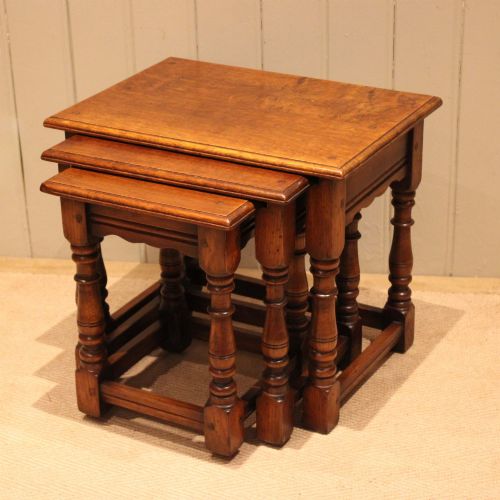
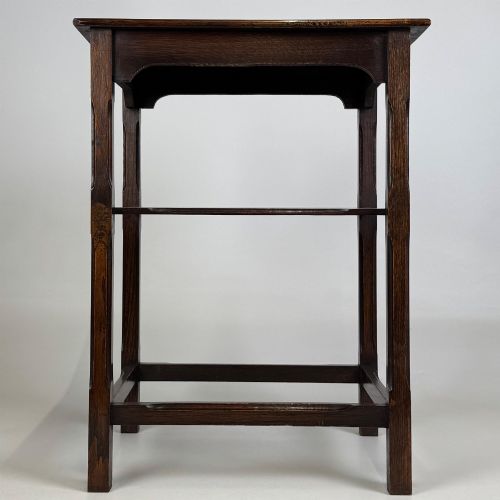
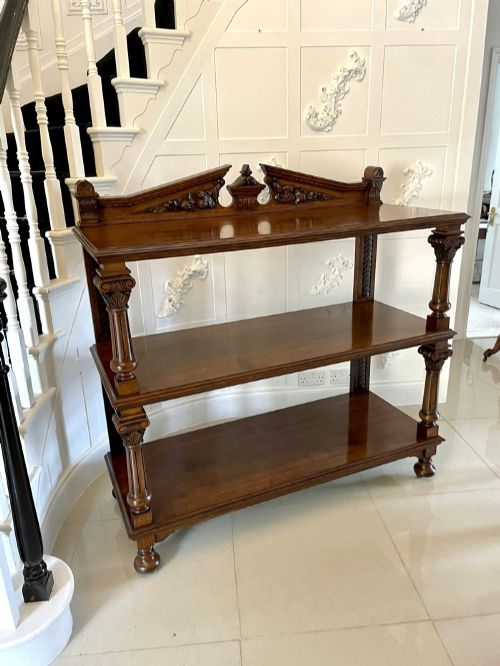
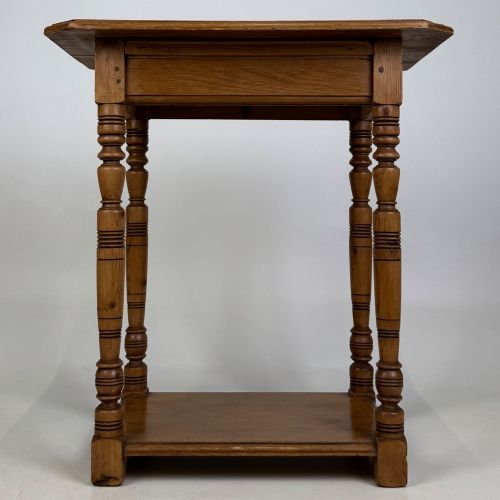
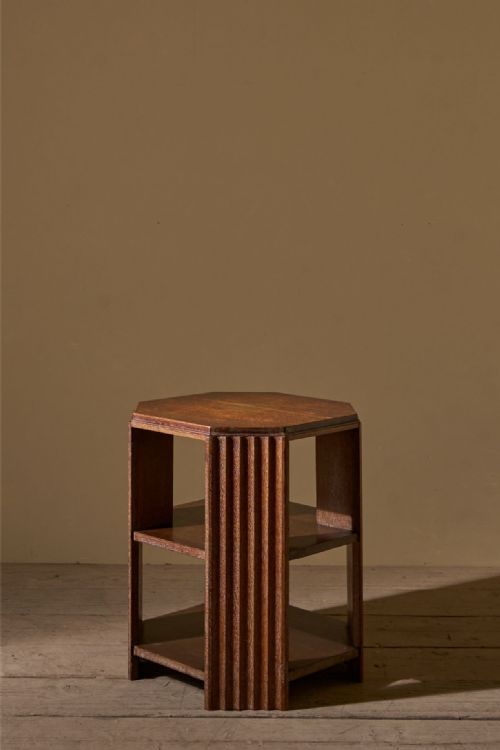
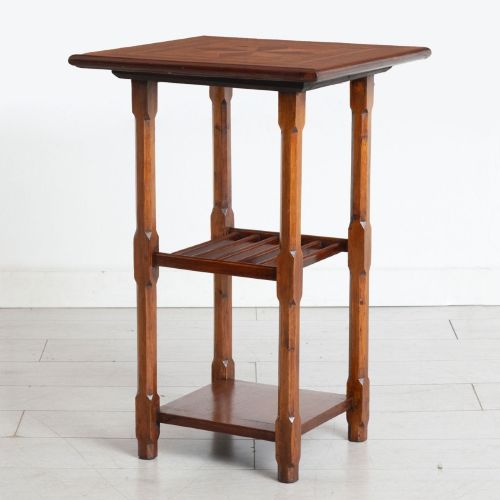
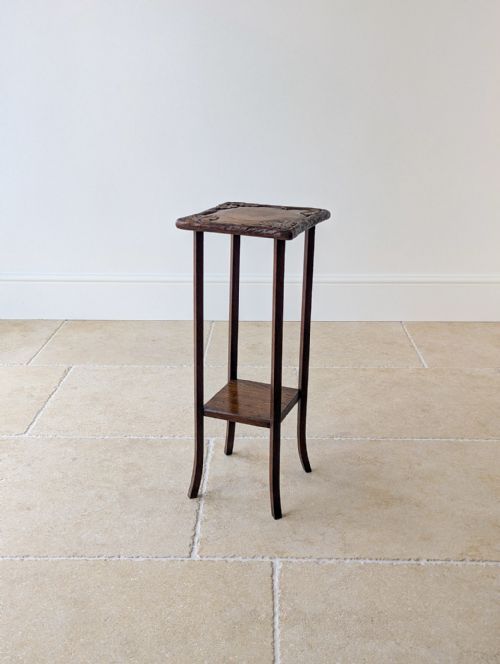
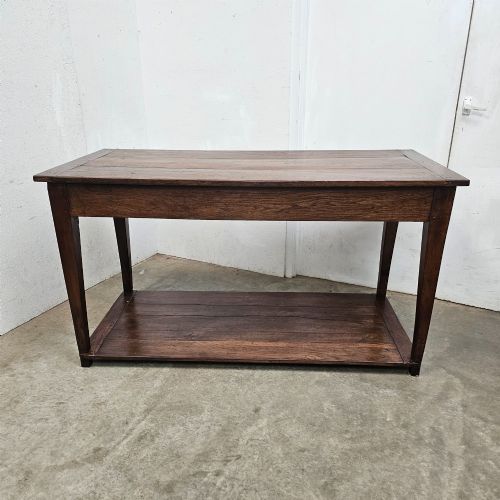
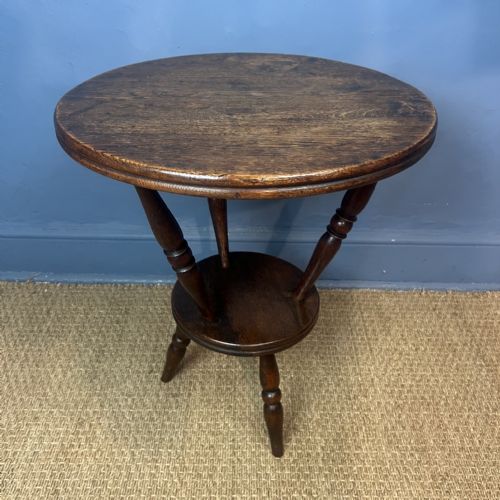
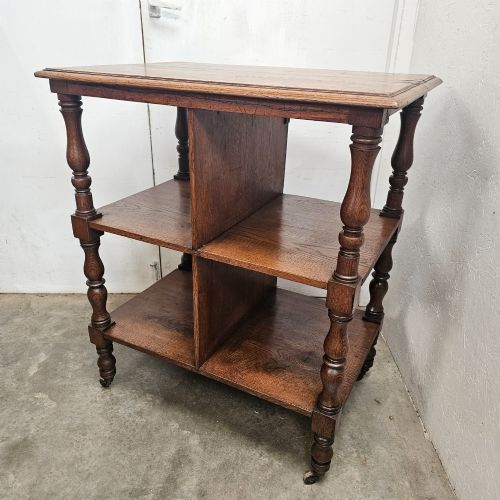
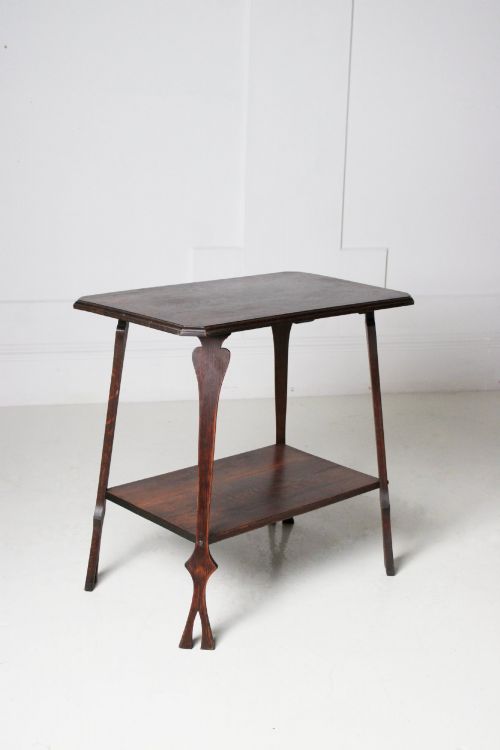
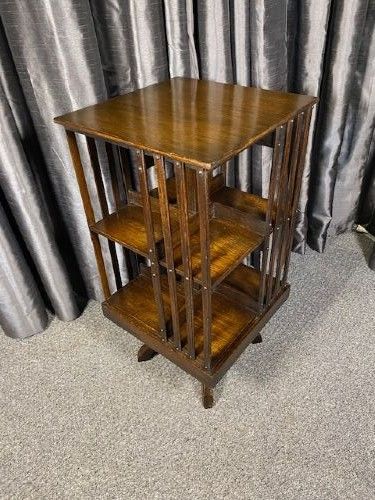
A vintage oak tiered table brings multi-level display space into a room, spanning Edwardian, Arts and Crafts, and Art Deco periods.
Vintage Oak Tiered Table
A vintage oak tiered table offers multiple surfaces arranged vertically, appearing primarily as side tables, tea trolleys, plant stands, and occasional tables. These pieces emerge across the nineteenth century, the Edwardian era, and through the 1920s and 1930s.
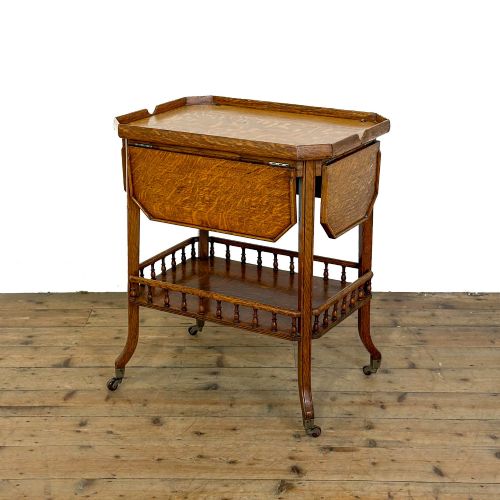
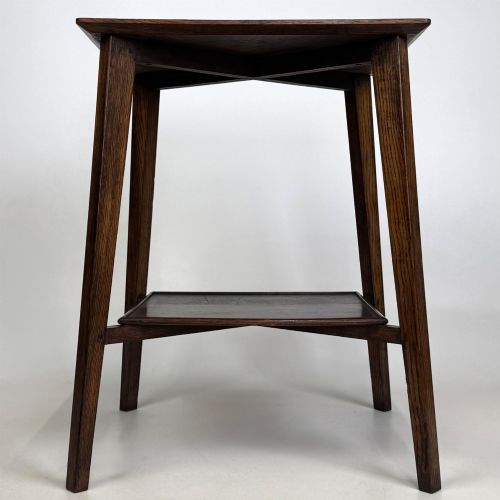
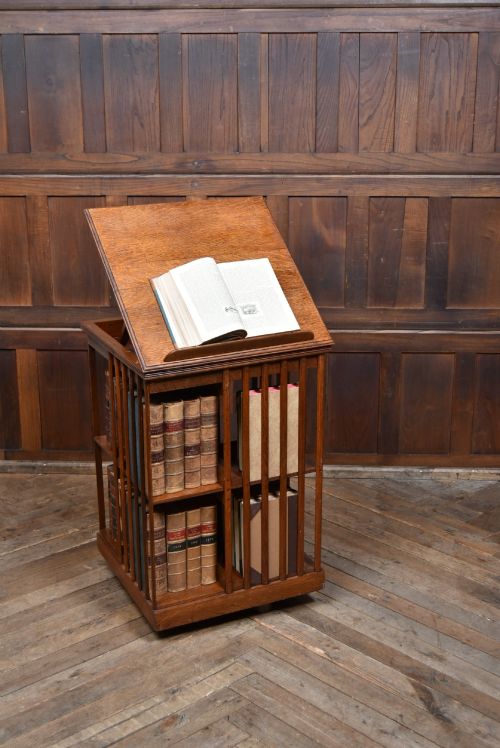
Buyers looking for this phrase most frequently encounter Edwardian and Arts and Crafts examples, alongside later Art Deco designs. Forms range from simple two-tier plant stands and side tables to wheeled afternoon tea trolleys and revolving book tables.
Origins stretch from English workshops, including Cotswold and Glasgow School traditions, to French provincial makers. The core material across these tiered formats is solid oak or golden oak, occasionally paired with brass or iron details.
Materials and construction methods
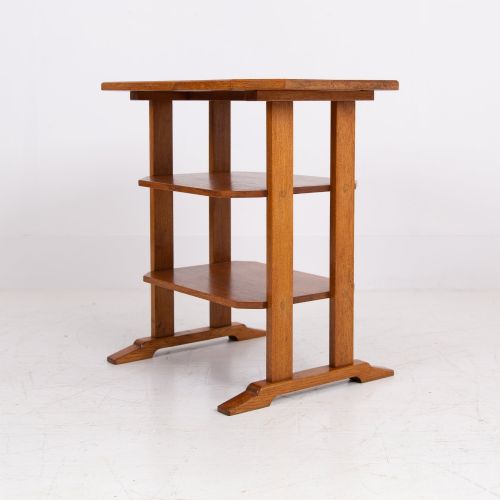
Makers utilised solid oak, golden oak, and blonde oak, frequently selecting the timber for its pronounced grain and durability. Structural support often relied on mortise and tenon joinery, particularly within the Arts and Crafts tradition.
Metal elements appear as functional additions, incorporating brass, cast iron, and standard iron for wheels, handles, and framing supports. Certain French and Art Deco examples integrate contrasting materials such as marble and canework alongside the primary oak framework.
Period origins span from nineteenth-century French workshops through Edwardian iterations to 1930s Art Deco modernist designs.
Distinguishing quality in tiered tables
Quality rests upon the selection of timber and the ambition of the design, moving from utilitarian tea trolleys to hand-carved Cotswold School or Glasgow School pieces. The integrity of the tiers, whether fixed securely or operating as lift-off trays, dictates daily utility.
Refinement shows in the execution of decorative details, such as carved motifs, inlaid art nouveau tiles, or integrated wheels and folding mechanisms. Superior examples display thoughtful proportions across each tier, balancing weight and stability without heavy framing.
Liberty and Co
The Vintage Oak Tiered Table Glossary
- Tiered table
- A piece of furniture featuring multiple horizontal surfaces arranged vertically to provide extra display or storage space. These configurations appear in tea trolleys, side tables, and plant stands.
- Etagere
- A piece of furniture with a set of open shelves or tiers for displaying small objects or books. French examples often combine oak with marble and canework.
- Tea trolley
- A mobile serving table featuring two or three tiers, frequently fitted with wheels for moving afternoon tea. Many versions include folding tops or lift-off trays.
- Arts and Crafts
- A design movement focusing on traditional craftsmanship, visible grain, and structural simplicity. Pieces from this style often originate from the Cotswold or Glasgow schools around 1900.
- Limed oak
- Timber treated with a specialised finish that highlights the open grain with a lighter pigment. This technique appears frequently on Art Deco pieces from the 1930s.
Vintage Oak Tiered Table: Frequently Asked Questions
What is a tiered table used for?
These tables provide layered surface space for holding lamps, books, plants, or serving tea without occupying a large footprint in a room.
Different tiers allow items to be organised vertically, making them adaptable for small spaces or beside seating furniture.
How do I identify an Edwardian tiered table?
Edwardian pieces often feature lighter oak construction, sometimes with carved details, drop leaves, or folding mechanisms designed for tea service.
They bridge Victorian heaviness and early twentieth-century utility, frequently appearing as side tables or plant stands.
Were these tables used for tea service?
Many two-tier and three-tier examples functioned specifically as afternoon tea trolleys, equipped with wheels and handles for transport.
Some versions feature removable top trays to assist with carrying items between rooms.
What is the difference between Arts and Crafts and Art Deco oak tables?
Arts and Crafts tables emphasise exposed joinery, hand-carving, and traditional solid oak construction rooted in the early 1900s.
Art Deco examples from the 1930s favor streamlined geometry, blonde or limed oak finishes, and occasional modernist metal or glass pairings.