
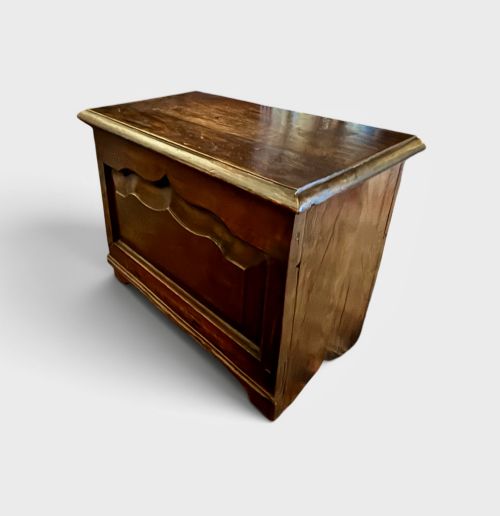
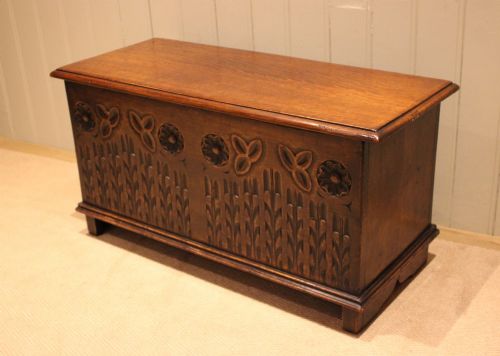
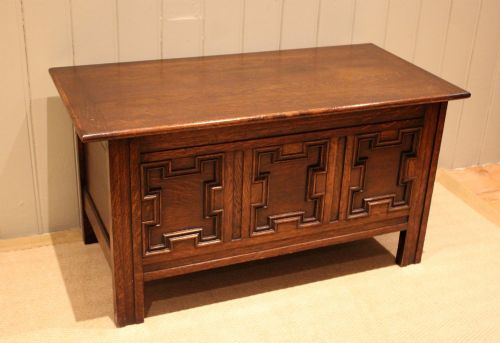
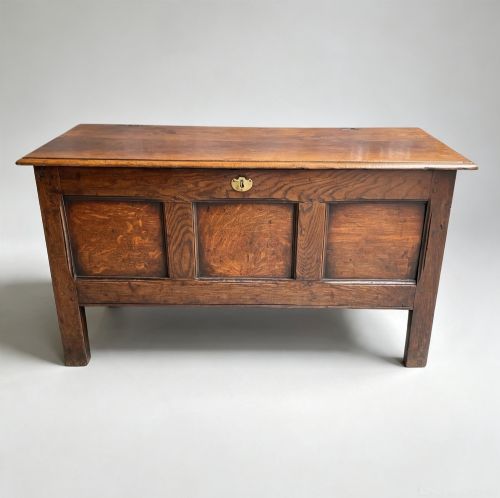
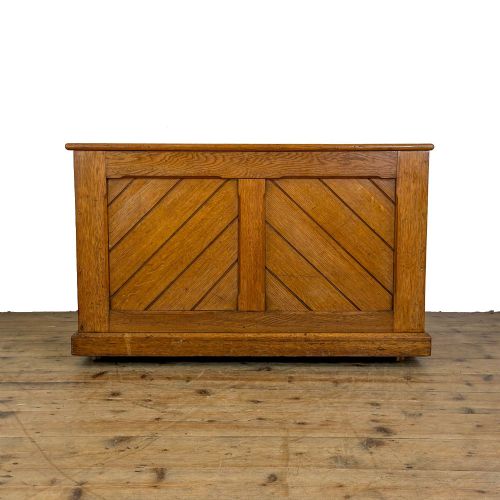
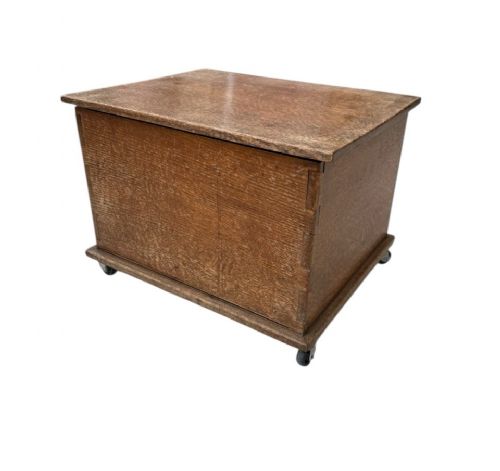

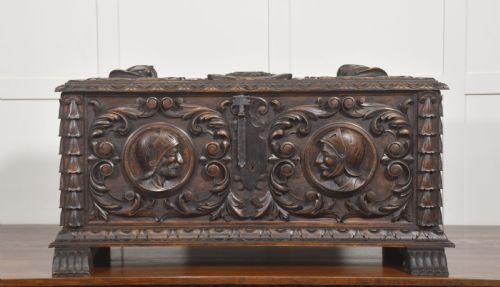
Vintage Oak Storage Trunk
A vintage oak storage trunk offers heavy timber construction and deep utility, holding household linens or travelling kit with straightforward strength.
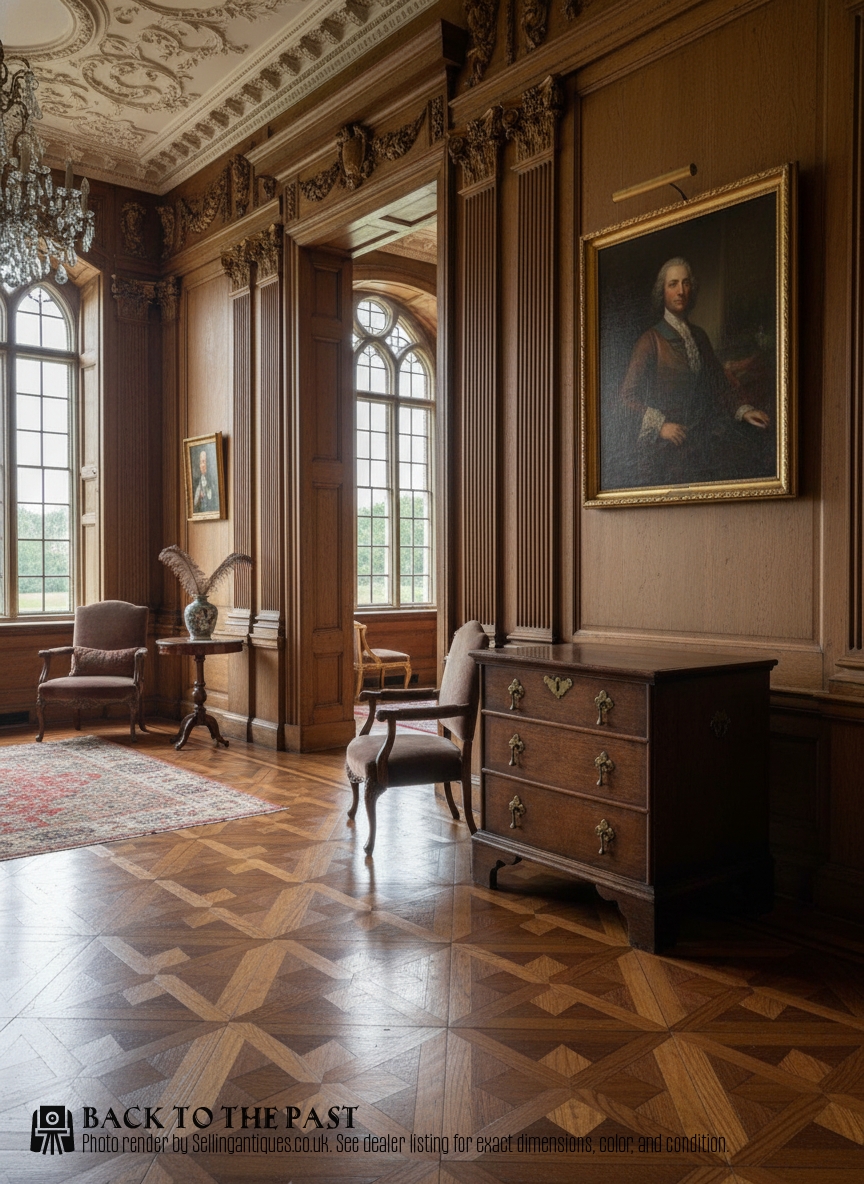
Vintage Oak Storage Trunk
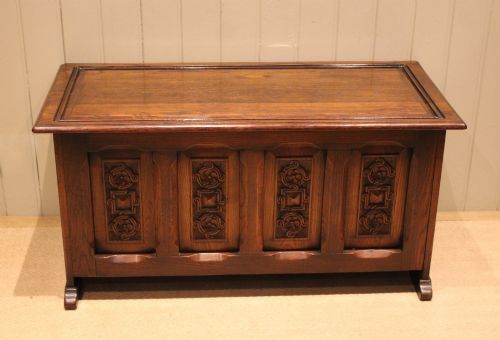
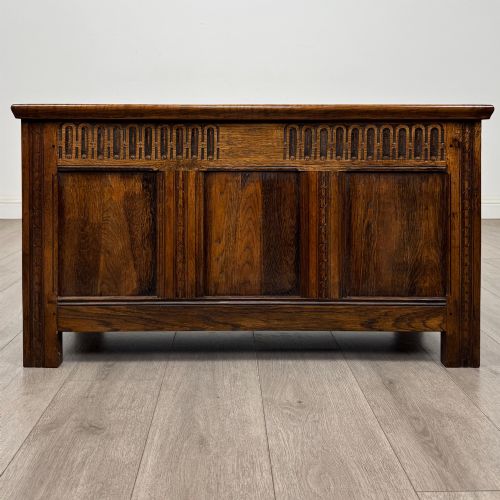
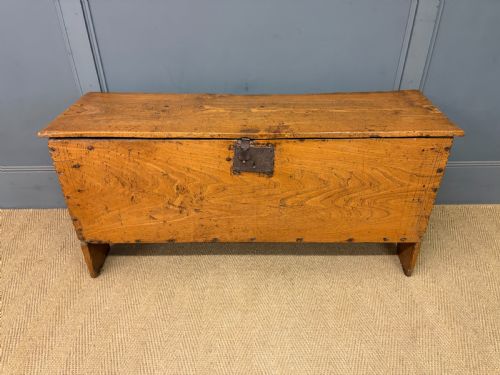
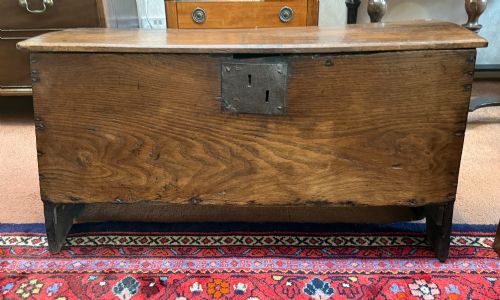
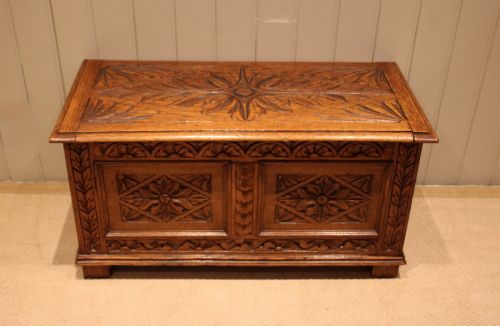
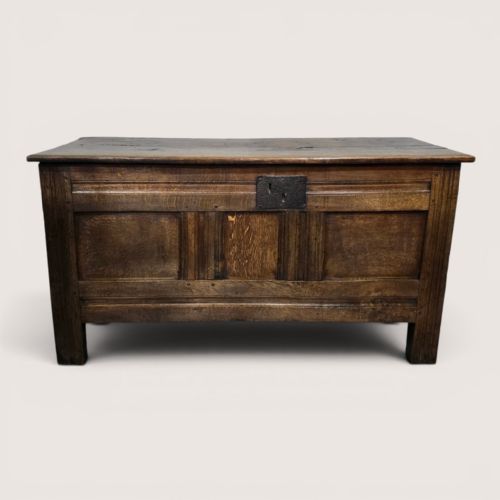
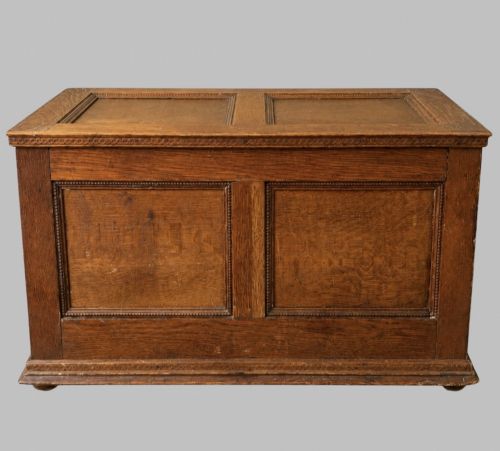
A vintage oak storage trunk comprises heavy timber chests, boarded coffers, and panelled blanket boxes designed to secure household possessions. Buyers examining this page encounter robust storage vessels shaped by centuries of domestic and travel use.
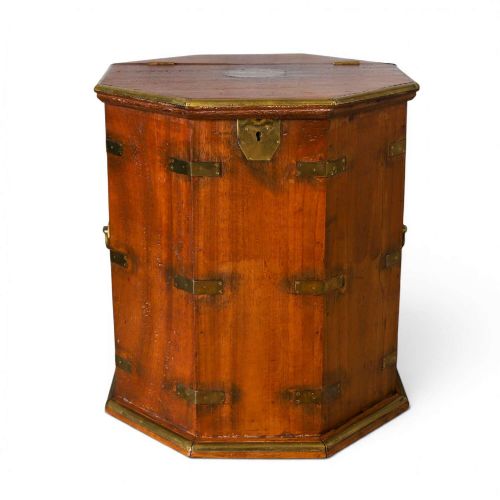
The selections span utilitarian country pieces to carved revival items, reflecting diverse regional tastes from the sixteenth century onwards. Solid oak dominates alongside iron-bound travelling trunks and elm variants intended for practical containment.
Plain panelled coffers and carved marriage chests represent the primary forms available to collectors. Each piece demonstrates how utilitarian domestic storage evolved into decorative furniture.
Materials and Construction Methods
Makers built these trunks primarily from solid oak, utilising heavy planks joined by dovetails or pegged tenons. Wrought iron bands, brass mounts, and steel brackets reinforced corners and lids for travel.
Surface treatment relied on natural waxing, dark polishing, or occasional painted finishes to protect the timber. Hand-carved decorative panels frequently embellished the front boards of formal domestic coffers.
Listings feature oak storage trunks spanning from the sixteenth century to the mid-twentieth century, incorporating iron, brass, and painted finishes.
Judging Quality in Oak Storage Furniture
Quality rests upon the integrity of the original timber framing and the survival of period hinges, locks, and metalwork. Trunks retaining untouched interior surfaces and original board construction command greater respect.
Carved detail varies from crisp, deep relief work on formal marriage chests to simpler chip-carving on utilitarian country pieces. The balance of proportions and depth of patination distinguish workshop standards.
The Vintage Oak Storage Trunk Glossary
- Cofer
- A heavy wooden chest with a lid, used for storing valuables and household goods before the general adoption of drawers. Early examples rely on board construction before panelled frames became standard.
- Mule chest
- A traditional storage chest featuring one or two drawers beneath the main lift-top compartment. This form bridges the gap between the simple coffer and the chest of drawers.
- Campaign chest
- A portable trunk built in sections with recessed brass handles, designed for military officers on active service. These pieces separate into modular units for easy transport.
- Panelling
- A method of framing thin central boards within grooved stiles and rails to allow timber expansion. This technique prevents warping in large front and side elevations.
- Patina
- The deep surface sheen developed on oak through decades of handling, polishing, and exposure to light. It indicates genuine age and continuous domestic use.
Vintage Oak Storage Trunk: Frequently Asked Questions
What is a vintage oak storage trunk used for?
These trunks serve as functional containers for blankets, heavy linens, and household items. Their sturdy lids also allow them to function as low tables or bench seating.
Placed at the foot of a bed or within a hallway, they provide concealed storage while introducing historic character to an interior.
How do I distinguish an 18th century coffer from a later revival piece?
Examination of the timber fixings, tool marks, and construction joints reveals the period of manufacture. Hand-cut peg joints and irregular hand-planed boards point to earlier centuries.
Revival pieces from the nineteenth and twentieth centuries often display uniform machine sawing and cleaner internal compartments.
What distinguishes a mule chest from a standard trunk?
A mule chest incorporates one or more drawers built into the base beneath the main lifting compartment. This addition allowed access to smaller items without lifting the heavy top lid.
Standard trunks rely entirely on top-loading access through a hinged lid.
How should I care for an antique oak trunk?
Maintain the timber by applying a traditional beeswax polish sparingly to nourish the dry wood. Avoid placing the trunk near direct heat sources or in damp environments to prevent splitting.
Regular dusting with a soft cloth protects the accumulated patina over time.