
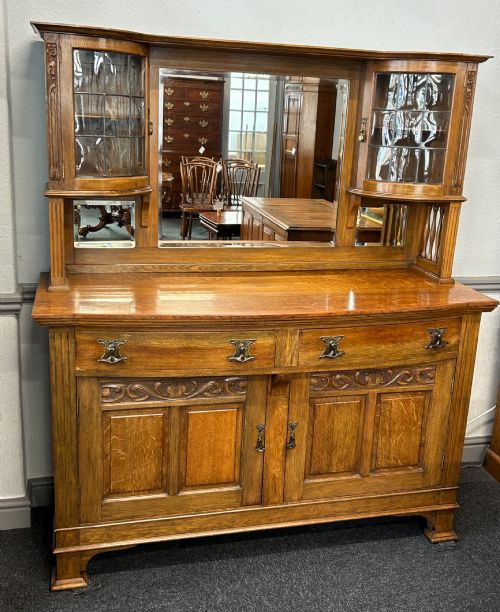
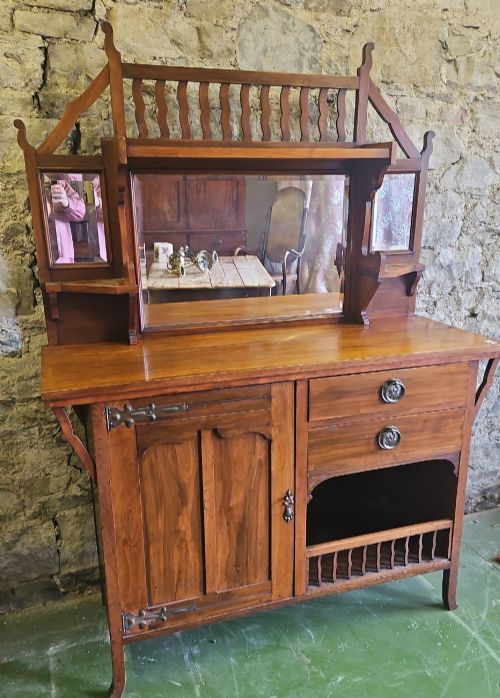
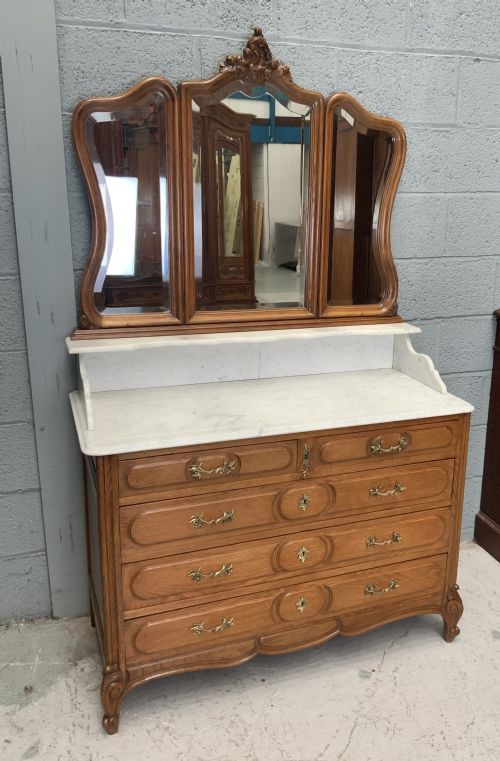


Vintage Oak Mirrored Sideboard
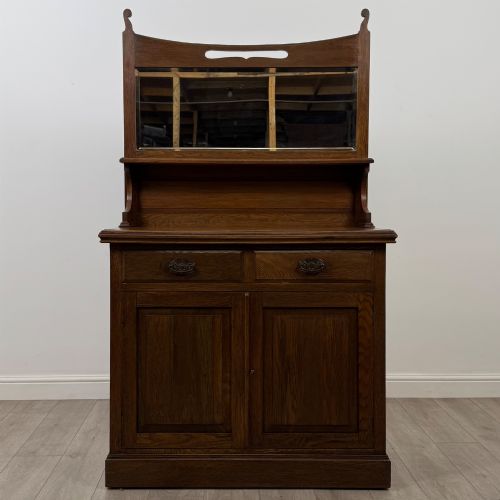
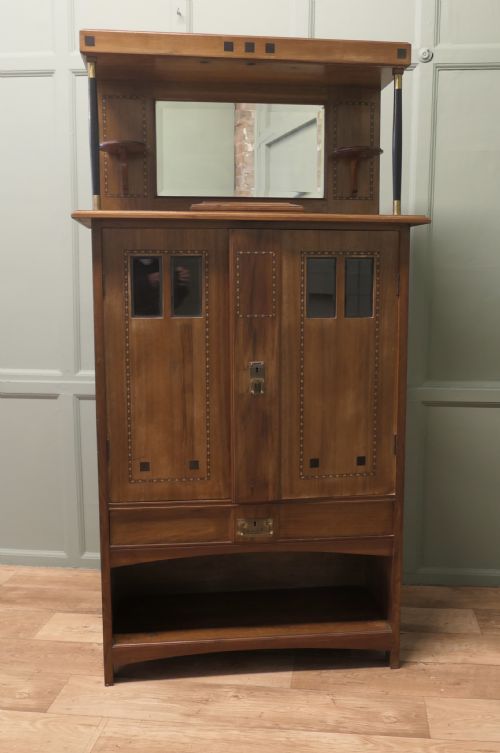
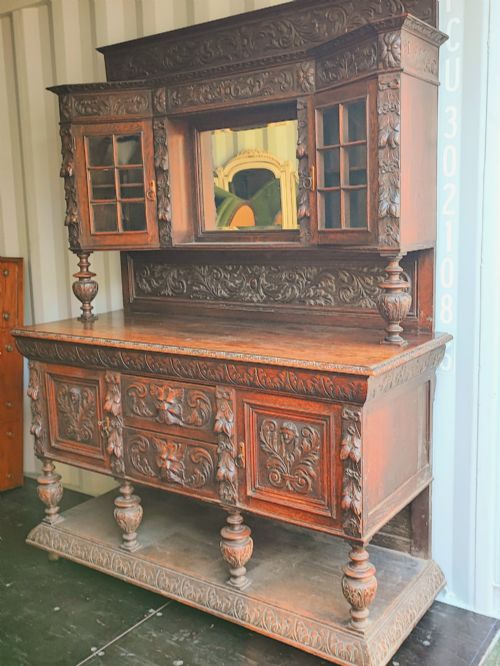
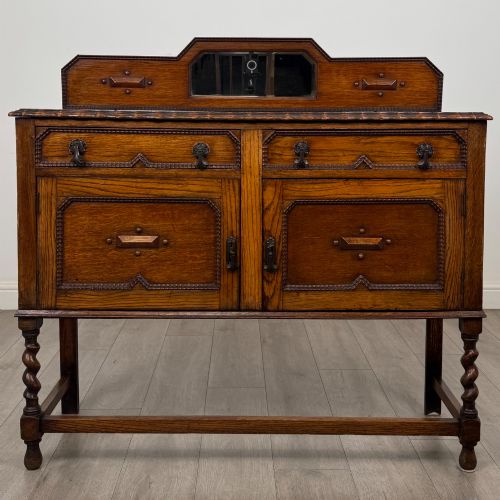
These vintage oak mirrored sideboard designs bring heavy timber and reflective glass together to anchor a dining room.
Vintage Oak Mirrored Sideboard
A vintage oak mirrored sideboard provides storage and surface space while using glass to bounce light across a room. These heavy storage pieces combine cupboards and drawers with an upright section holding a mirror plate.
The versions met most often on this page date from the late nineteenth century through to the early decades of the twentieth century. They appear in styles ranging from robust Victorian designs to lighter Edwardian and Arts and Crafts forms.
How they were made
Makers built these pieces primarily from solid oak, sometimes utilising pollard oak or burr walnut veneers for decorative contrast. Timber was selected for its grain pattern, then seasoned and joined using traditional methods.
Mirrors were set securely into wooden frames above the main counter surface, often accompanied by bevelled edges. Metal fittings in brass, copper, and iron provided handles, hinges, and decorative strapwork.
Listings feature oak combined with brass, copper, iron, and marble across styles spanning Victorian Renaissance Revival to Art Deco.
What varies in quality
The standard of carving and the selection of timber dictate where a piece sits in the range. Simple domestic utility pieces contrast with heavily carved examples featuring motifs such as the Green Man or complex Arts and Crafts strapwork.
Construction details such as drawer dovetails, timber thickness, and the clarity of the original mirror glass separate standard production items from finer workshop commissions.
The Vintage Oak Mirrored Sideboard Glossary
- Mirror back
- A wooden superstructure attached to the rear of a sideboard that incorporates a large looking glass plate. This feature was designed to reflect candlelight and brighten dark dining spaces.
- Arts and Crafts
- A design movement focusing on traditional craftsmanship, simple forms, and visible construction methods. Pieces in this style often feature hand-beaten metal hardware and honest timber joints.
- Pollard oak
- Oak timber taken from trees that have been pollarded, producing a dense, highly figured grain pattern full of small knots. Cabinetmakers valued this wood for decorative drawer fronts and panels.
- Barley twist
- A type of turning where wooden shafts are carved into a spiral resembling twisted barley sugar. This decorative detail frequently appears on the upright supports of mirrors and table legs.
- Secessionist
- A Central European offshoot of Art Nouveau favouring geometric lines and stylised floral motifs. It represents a break from historical revival styles.
Vintage Oak Mirrored Sideboard: Frequently Asked Questions
How do I clean the mirror glass safely?
Use a soft cloth and a gentle glass cleaner sprayed onto the cloth rather than directly onto the mirror. This prevents moisture from seeping behind the silvered backing and damaging the edges.
Avoid abrasive pads and harsh chemical ammonia solutions that can etch both the glass and the surrounding wooden frame over time.
Where should I place a mirrored sideboard?
Position the piece against a solid interior wall where it can support the weight without risk of toppling. Placing it opposite a window will maximise the amount of natural light the mirror reflects into the room.
Keep the timber away from direct heat sources such as radiators to prevent the oak from drying out and splitting.
How do I tell Edwardian pieces from Victorian ones?
Victorian examples tend to feature darker, heavier timber with deep, elaborate carvings and classical revival motifs. They often feel more imposing and monumental in scale.
Edwardian pieces generally present a lighter golden oak appearance with cleaner lines, influenced by the ongoing shift towards Arts and Crafts simplicity.
Can I remove the mirror back for moving?
Most mirror backs are secured with screws or bolts passing through the rear upright supports into the base cabinet. Removing these fixings allows the superstructure to lift away for safer transport.
Keep all original screws and brackets together in a bag, as replacement period hardware can be difficult to match.