


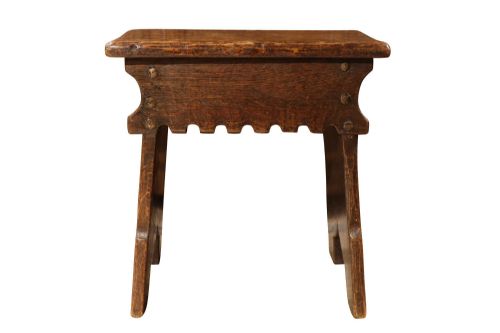


Vintage Oak Joint Stool
These vintage oak joint stool pieces bring sturdy timber architecture and centuries of woodworking history directly into modern rooms.
Vintage Oak Joint Stool
When searching for a vintage oak joint stool, a buyer encounters a remarkably solid piece of historic furniture designed for heavy domestic use. These low seats and occasional surfaces appear in various forms, including traditional joint stools, box stools, and upholstered variants.
The pieces on this page span several centuries, reaching from seventeenth-century examples up through nineteenth-century revivals and twentieth-century interpretations. The most common manifestations follow Jacobean and Edwardian styles, frequently utilising solid English oak or darker hardwood timbers.
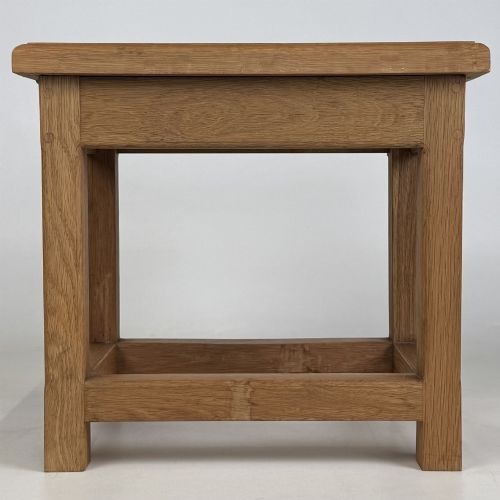
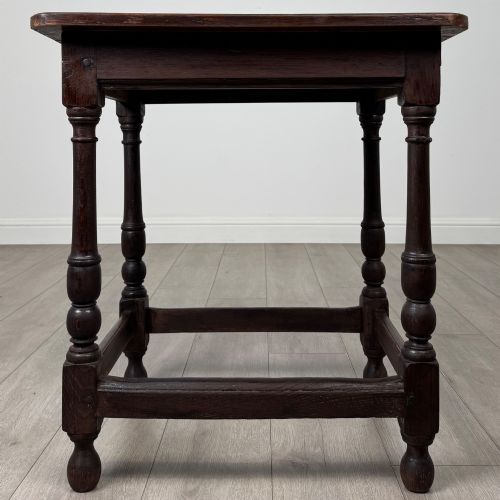
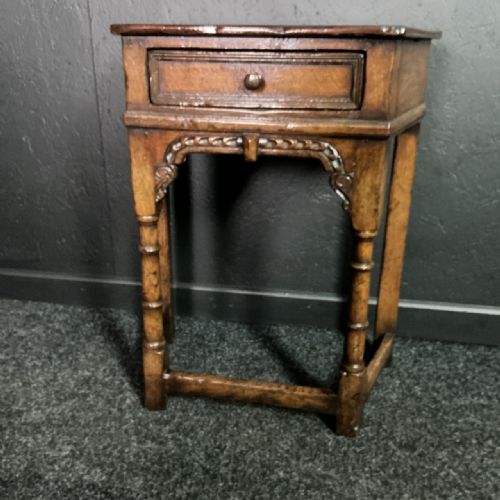
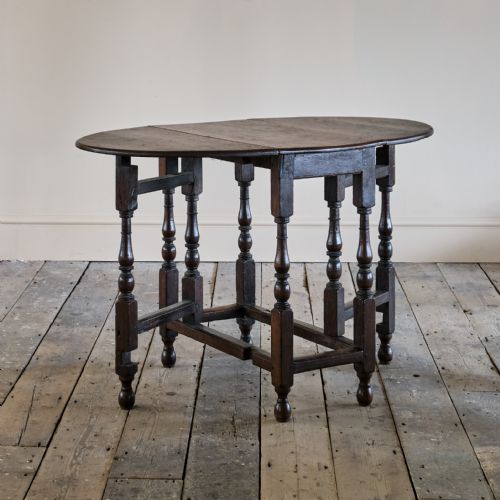
Beyond standard seating, the listings reveal related small-scale items such as side tables, gateleg tables, and miniature apprentice pieces. Each version maintains the rigid rectangular proportions and sturdy upright framing characteristic of early English joinery.
How They Were Made
Makers constructed these items using solid oak and related hardwoods, often employing traditional pegged construction methods rather than modern metal fasteners. Joiners shaped the timbers by hand, creating tight mortise and tenon joints that locked the upright legs and horizontal rails firmly together.
Surface treatments and upholstery vary according to the period of origin. Some pieces feature simple wooden planks, while others incorporate fabric, hessian, or heavy upholstery to cushion the seat.
Object types extend from traditional stools to side tables, occasional tables, miniature furniture, storage stools, and footstools.
What Varies in Quality
The character of the timber and the integrity of the joinery set individual examples apart. Pieces retaining their original pegged construction and genuine early surface patination represent a higher standard of craftsmanship.
Revival pieces from later centuries display differing degrees of hand-carving depth and timber selection. Heavier, denser oak stock yields a more substantial presence than lighter alternative hardwoods.
David Oakleafman Langstaff
The Vintage Oak Joint Stool Glossary
- Joint stool
- A sturdy wooden seat constructed using mortise and tenon joinery rather than simple nailing. These items served multiple domestic purposes in early households.
- Pegged construction
- A method of securing wooden joints using timber pins inserted through drilled holes. This technique anchors the framework without metal nails.
- Jacobean Revival
- A nineteenth and twentieth century design movement copying seventeenth century styles. Makers utilised heavy oak and characteristic geometric carving.
- Apprentice piece
- A small scale model created by a learner to demonstrate woodworking skill. These items exhibit the precise details of full sized furniture.
- Box stool
- A low timber seat featuring an enclosed storage compartment beneath the lid. These versatile items combined seating with practical household storage.
Vintage Oak Joint Stool: Frequently Asked Questions
What is a joint stool?
A joint stool is a sturdy wooden seat built with joined framing timbers rather than turned legs alone. Carpenters constructed them using traditional pegged joints to withstand heavy daily use.
Historically, these versatile items served as seating, small tables, or even steps around the home. Their rigid rectangular proportions made them exceptionally stable on uneven floors.
How old are these stools?
The pieces span a wide chronological range from original seventeenth century examples to later nineteenth and twentieth century revival pieces. Each era brought specific stylistic interpretations to the basic form.
Later items often replicate the heavier Jacobean aesthetic using solid oak and traditional joining techniques. Examining the timber and construction methods helps determine the precise period of manufacture.
Can I use them as side tables?
These solid timber items function remarkably well as compact occasional tables or bedside surfaces. Their flat tops and sturdy frames easily support lamps, books, or decorative objects.
Many buyers repurpose them precisely because their modest footprint fits small spaces while adding historic character to a room.
How do I care for antique oak?
Maintaining historic oak requires simple dusting with a dry cloth and avoiding excessive moisture or direct heat sources. Natural wax finishes can be occasionally applied to nourish the timber.
Allowing the wood to breathe preserves the surface patination built up over decades or centuries of domestic life.