

Vintage Oak Dresser Top
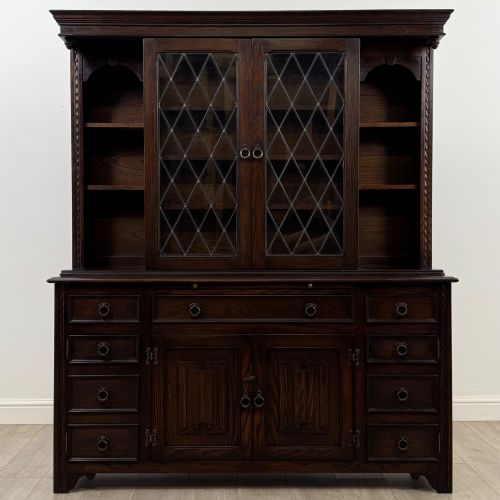
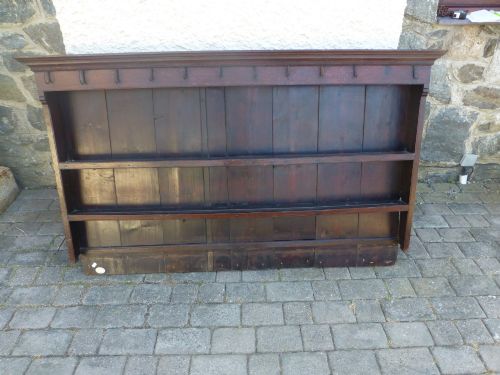
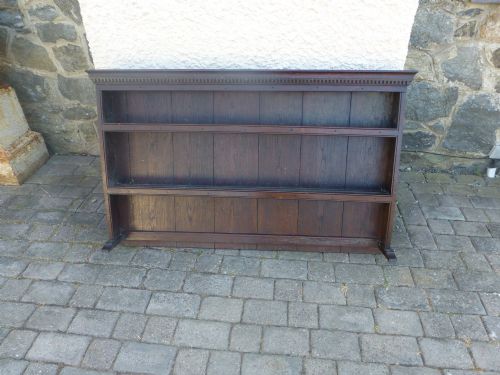
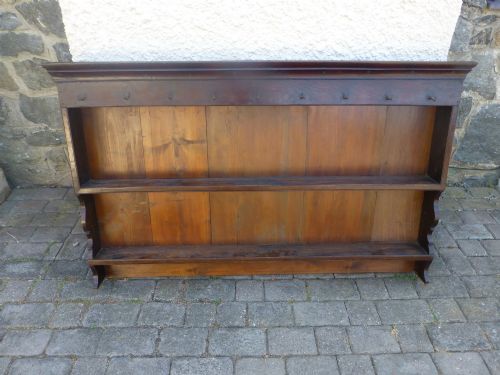
A vintage oak dresser top provides the quintessential display for plates and kitchen wares, bringing immediate historical character to a wall.
Vintage Oak Dresser Top
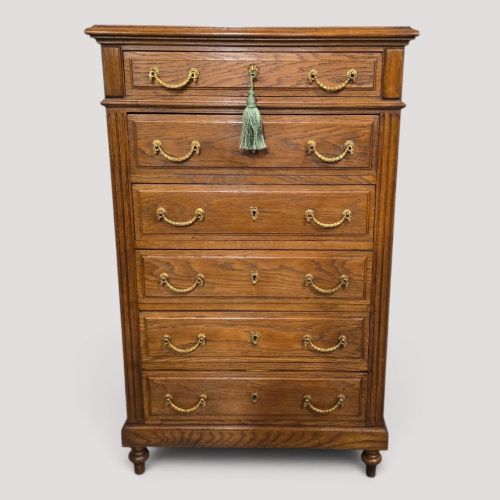
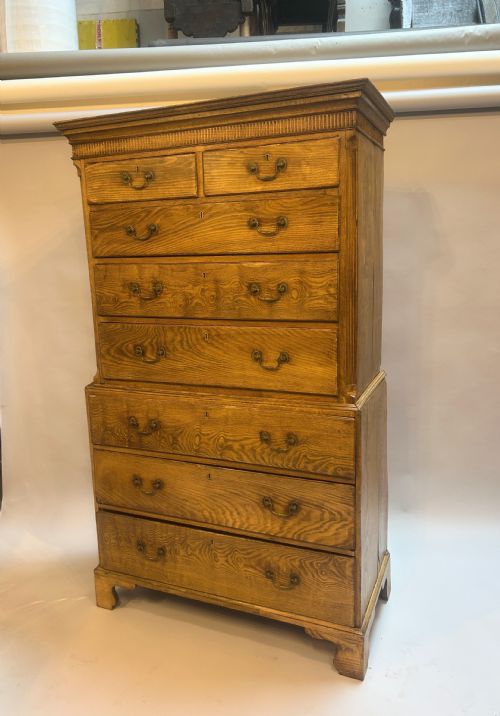
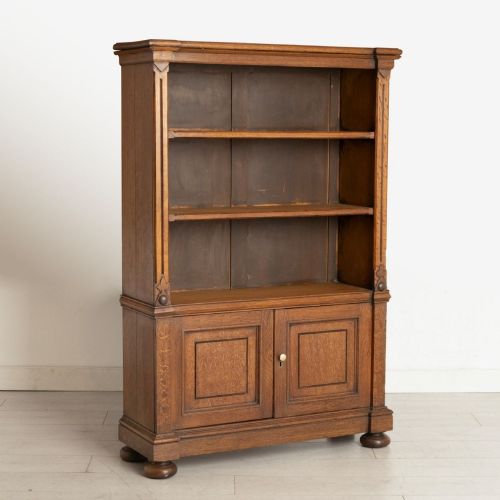
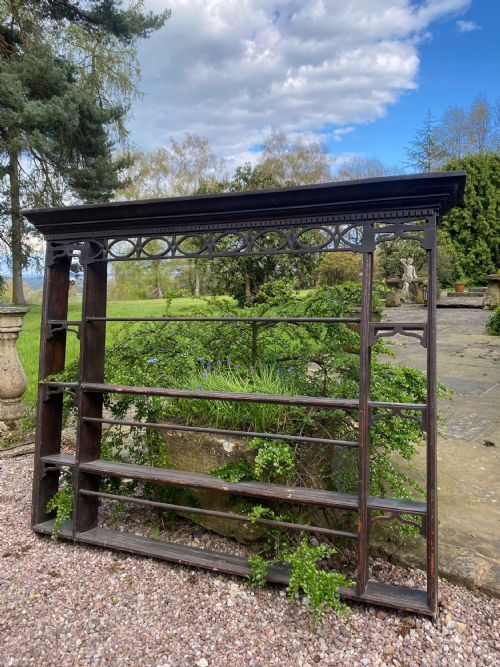
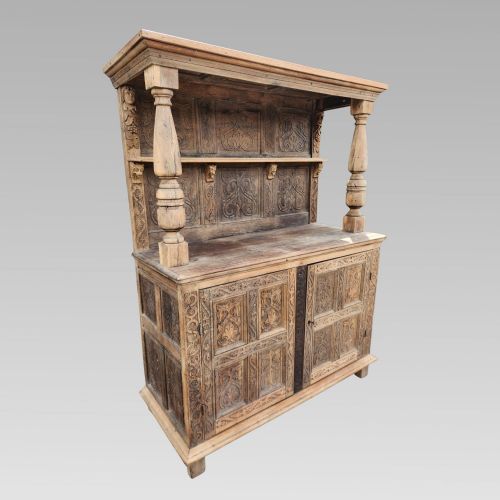
When searching for a vintage oak dresser top, a buyer is looking at upper plate racks, wall-mounted plate shelves and architectural dresser racks designed to display ceramic wares. These pieces appear primarily in eighteenth century Georgian formats alongside nineteenth century interpretations and early twentieth century variations.
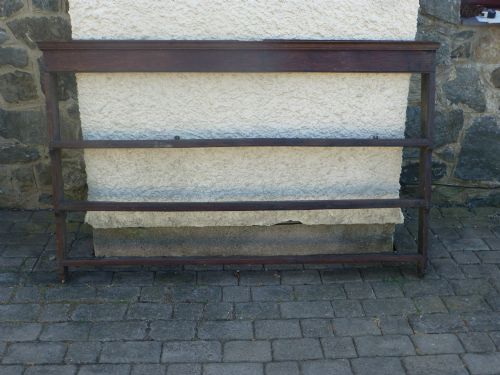
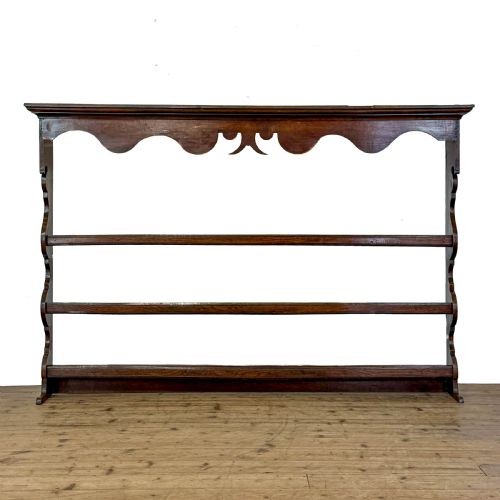
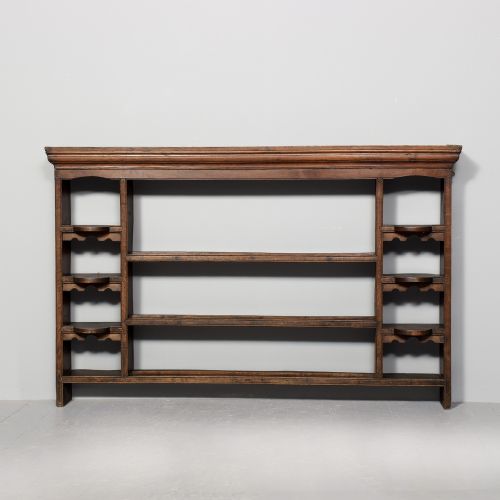
The version most commonly met on this page is the eighteenth century or Georgian delft oak dresser plate rack, built to hold plates upright against a wall or to sit atop a matching base. Alongside these traditional plate racks, the selection encompasses wall hanging shelves and open timber frameworks originating from English country and French provincial traditions.
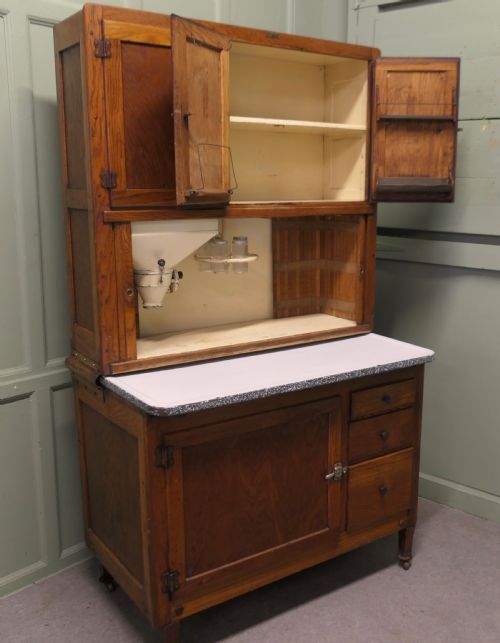
Originating from domestic kitchens and dining rooms, these upper sections function equally well in modern spaces for organising tableware or books. Their forms range from simple tiered planks with grooved plate channels to more substantial structures incorporating small cupboards and shaped friezes.
How they were made
Construction relies predominantly on solid oak timbers, chosen for durability and strength, frequently paired with brass or iron fixings and occasionally augmented with marble or glass elements on related cabinet pieces. Carpenters utilised traditional jointing methods to build frameworks capable of supporting heavy rows of ceramic plates and platters without sagging over time.
Surfaces exhibit the natural grain and patination of the wood, shaped through hand planing and simple joinery rather than industrial machinery. Over decades of use, the timber develops a deep colour and tactile quality unique to early domestic furniture.
Current listings feature oak alongside pine, brass, marble and glass across Georgian, Victorian, Edwardian and Art Deco periods.
What varies in quality
Quality in these pieces rests upon the integrity of the timber, the crispness of any applied mouldings and the retention of original surfaces. Pieces retaining their early patination and untouched construction details sit at the upper end of the scale, whilst heavily restored examples or those with replaced backing boards command less attention.
Proportion and architectural balance dictate visual success, distinguishing standard utility shelves from finer examples featuring shaped friezes, panelled backs or delicate peg joinery. The depth of the plate grooves and the structural soundness of the hanging points further determine how well a piece holds its original function.
Hudson Bros
The Vintage Oak Dresser Top Glossary
- Plate rack
- A wall-mounted or top-sitting wooden framework featuring horizontal shelves and grooved ledges designed to display plates upright. These fixtures formed the upper section of traditional kitchen dressers.
- Delft rack
- An alternative term for a plate rack, named for the display of tin-glazed earthenware and delftware pottery. They provide shallow shelving specifically spaced to showcase ceramics.
- George III
- A British stylistic period spanning the mid to late eighteenth and early nineteenth centuries. Furniture from this era displays classic proportions, restrained ornamentation and sturdy oak construction.
- Patina
- The surface sheen and colour acquired by wood through decades of handling, polishing, exposure to light and general use. A desirable patina signals age and authenticity.
Vintage Oak Dresser Top: Frequently Asked Questions
How do I hang a heavy oak plate rack?
Secure the frame directly into wall studs using heavy-duty brackets or screw fixings through the internal battens.
Weight distribution matters greatly, so ensure the mounting hardware supports both the timber structure and the loaded weight of ceramics.
Can these racks sit directly on a sideboard?
Many examples are designed to rest upon a matching base, chest or sideboard rather than hang on a wall.
Check the base dimensions and weight distribution to ensure stable placement without requiring wall tethering.
How do I clean antique oak timber?
Dust gently with a dry, soft cloth and avoid chemical sprays or soaking the wood with water.
Applying a modest coat of natural beeswax periodically helps nourish the dry grain and preserves the historic surface.
How do I tell an eighteenth century rack apart from later copies?
Examine the timber boards for hand-cut tool marks, pegged joinery and timber shrinkage appropriate to early domestic construction.
Later revival pieces often display machine-cut uniformity and modern fixings that contrast with older examples.