
18th Century Dresser Top
An 18th century dresser top provides structured display and storage, bringing period character and practical shelving or surface space to a room.
18th Century Dresser Top
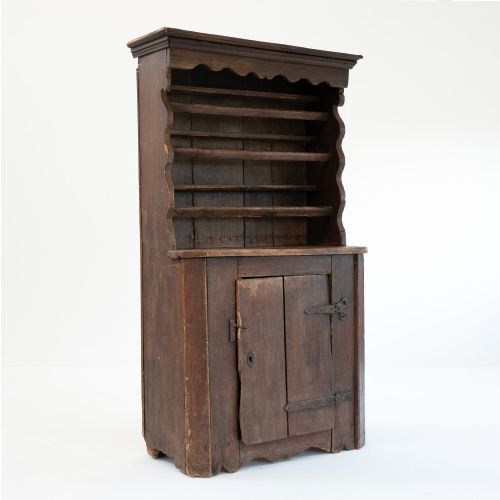
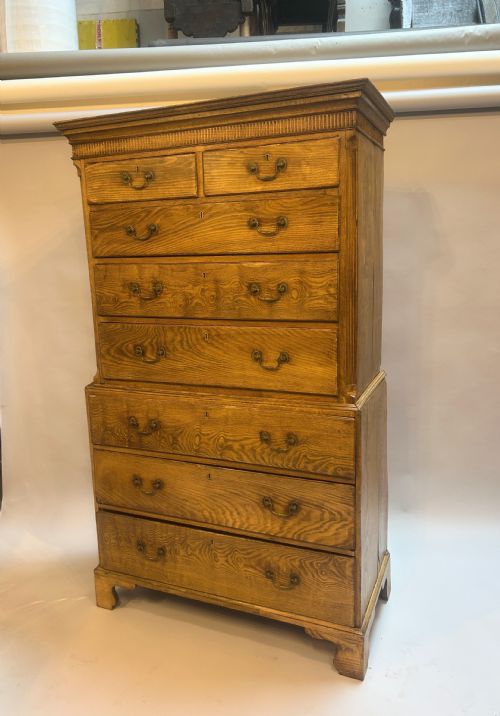
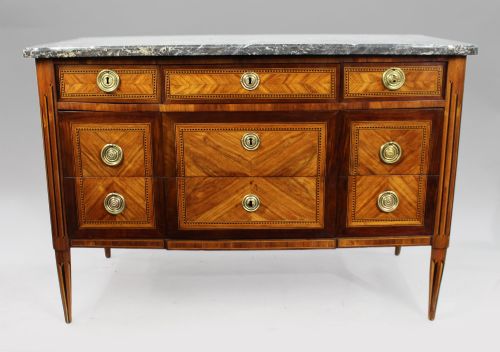
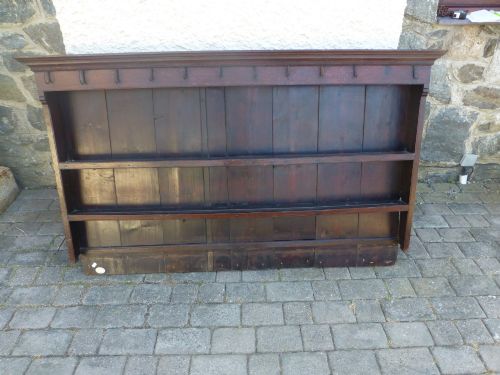
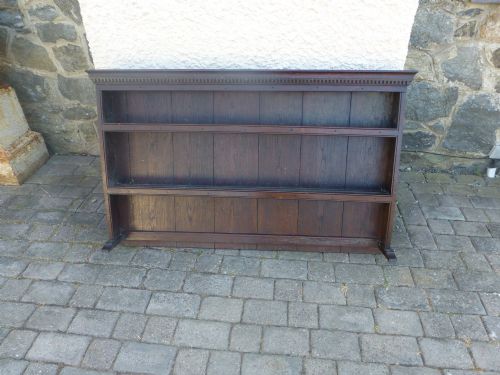
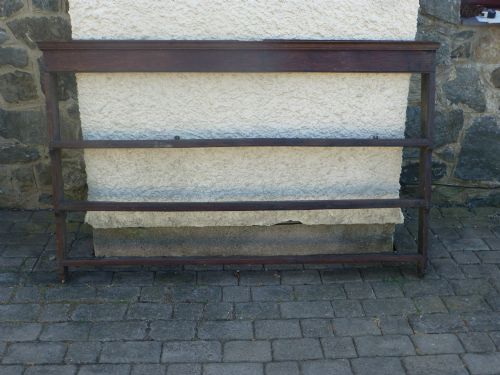
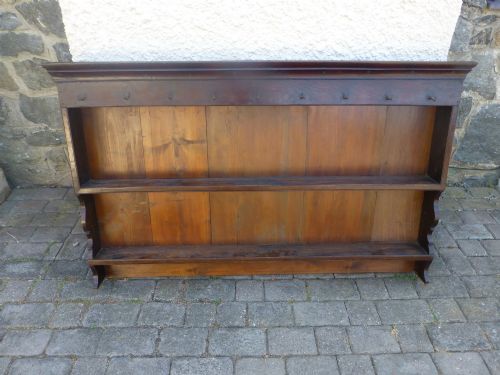
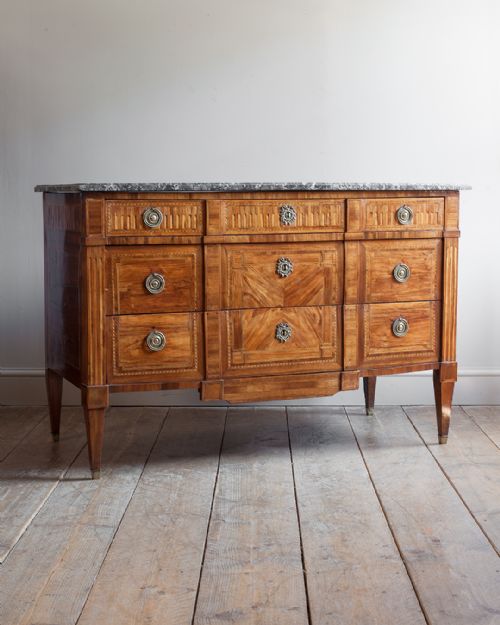
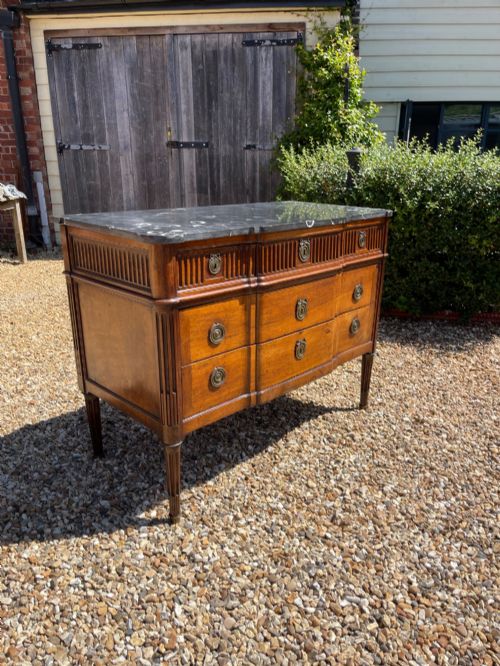
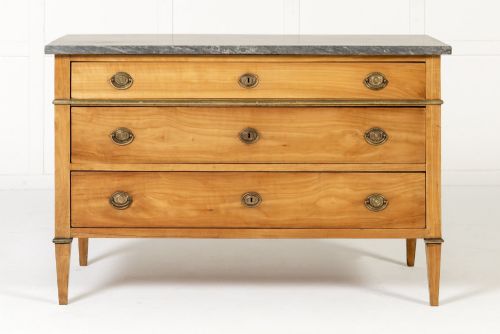
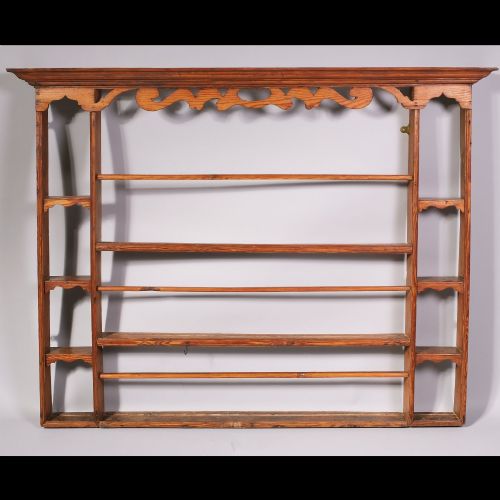
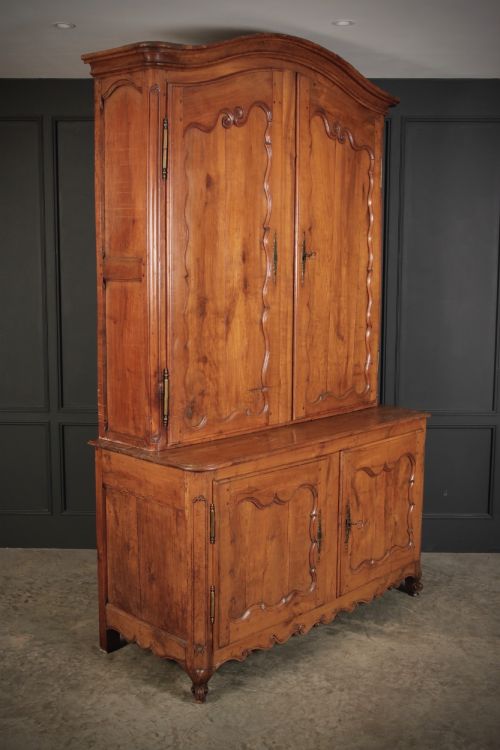
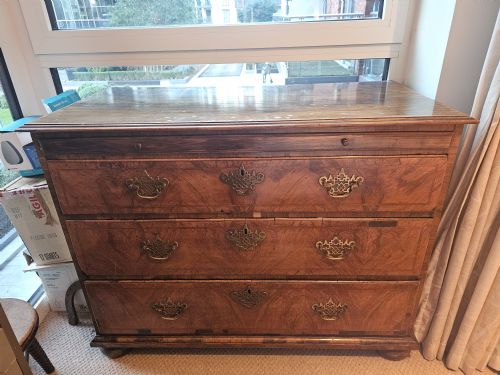
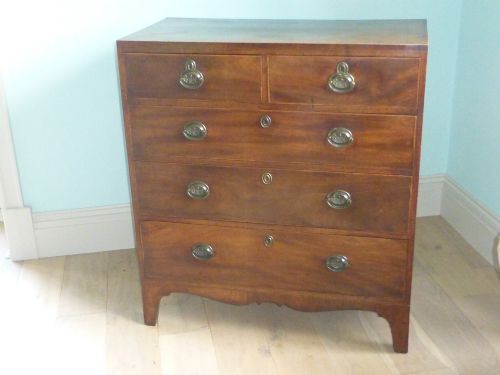
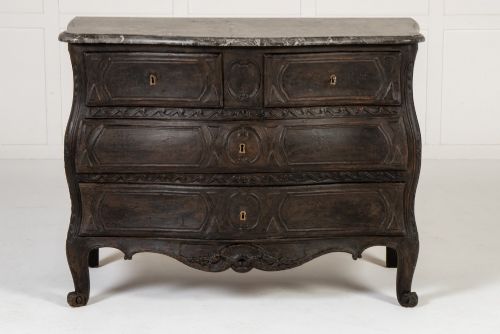
When searching for an 18th century dresser top, buyers encounter architectural plate racks, open shelves, and complementary upper sections designed to sit above lower cabinetry. The examples met most frequently on this page comprise oak and pine delft racks alongside marble-topped commodes and chests of drawers from Georgian Britain and continental Europe.
These elements originate primarily from domestic kitchens, dining rooms, and parlours where display shelves exhibited earthenware, ceramics, and pewter. The selection spans straightforward provincial timber frameworks and sophisticated crossbanded or inlaid designs reflecting Georgian and Louis styles.
Materials and construction methods
Cabinetmakers utilised sturdy native timbers including oak and pine for British country plate racks, while continental workshops favoured walnut, cherrywood, and exotic veneers such as kingwood and mahogany. Surfaces often incorporated carved mouldings, planked backs, and graduated plate grooves.
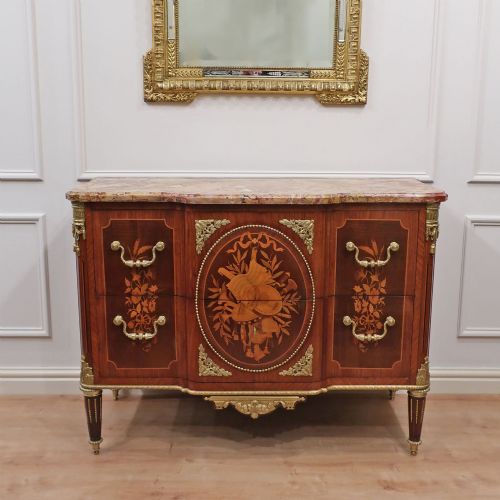
Higher-tier pieces integrate decorative parquetry, marquetry, and polished marble slabs fitted directly to commode surfaces. Joinery relies on traditional pegged mortise and tenon construction for rack frameworks and dovetail joints for drawer construction.
Several racks retain original plate grooves worn smooth by generations of shifting crockery.
Distinguishing quality across pieces
The distinction between standard examples and finer items rests in timber selection, decorative complexity, and the survival of original surface finishes. Elaborate fruitwood marquetry, well-figured walnut, and integrated serpentine marble tops elevate specific pieces above plain utilitarian shelving.
Proportional harmony and the retention of original brass hardware or sliding top panels indicate higher standards of period craftsmanship. Pieces exhibiting crisp carving details and intact structural timber demonstrate superior workshops origins.
Giles Grendey
The 18th Century Dresser Top Glossary
- Delft rack
- A wall-mounted wooden shelving unit featuring grooved plate rails designed to display ceramic plates and bowls upright. These pieces form a primary category within regional oak furniture.
- Commode
- A low chest of drawers or cabinet developed in France and adopted across Europe during the eighteenth century. They frequently feature decorative veneer work and stone tops.
- Marquetry
- A decorative technique applying fitted pieces of wood veneer to form geometric or pictorial patterns across furniture surfaces. Craftsmen utilised contrasting timbers to achieve tonal depth.
- Serpentine
- A curved furniture front or marble top featuring a convex centre flanked by concave ends. This undulating shape requires precise woodworking skill.
- Parquetry
- A geometric mosaic of wood veneer arranged in repeating patterns such as cubes or chequers. It differs from marquetry through its reliance on strict geometric repeats.
18th Century Dresser Top: Frequently Asked Questions
What is an 18th century dresser top used for?
These upper sections provide wall-mounted or surface display space traditionally utilised for showing ceramic plates, platters, and household ornaments.
Today, they serve similar decorative functions in kitchens and dining rooms while adding period architectural presence to modern interiors.
How do I distinguish regional styles?
British examples predominantly utilise solid oak or pine with straightforward plank construction and simple cornices suited to country houses.
Continental pieces often display walnut or cherrywood construction accompanied by serpentine contours, marquetry, and fitted marble tops.
Can I mount a dresser top to a wall?
Plate racks and wall racks include structural backing designed for secure attachment to household walls above appropriate lower furniture.
Buyers should verify wall strength and utilise suitable fixings to support the combined weight of timber and displayed ceramics.
What maintenance do these wooden surfaces require?
Preserving eighteenth-century timber and polish involves routine dusting with a dry cloth and avoiding placement near direct heat sources.
Applying occasional specialist wax helps maintain the lustre of old polished oak, walnut, and mahogany surfaces without damaging the finish.