
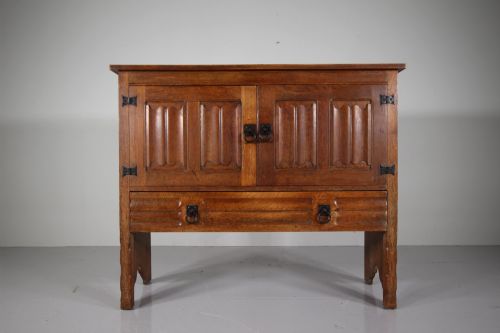
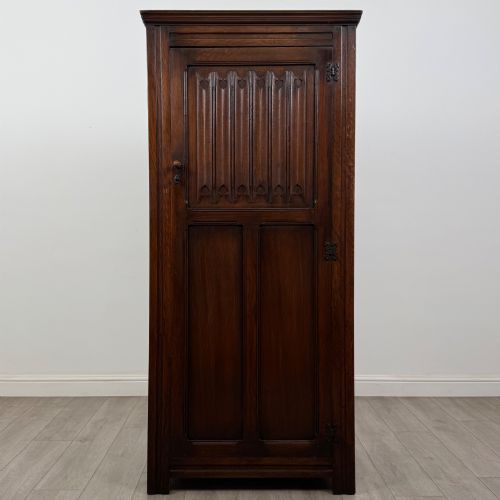
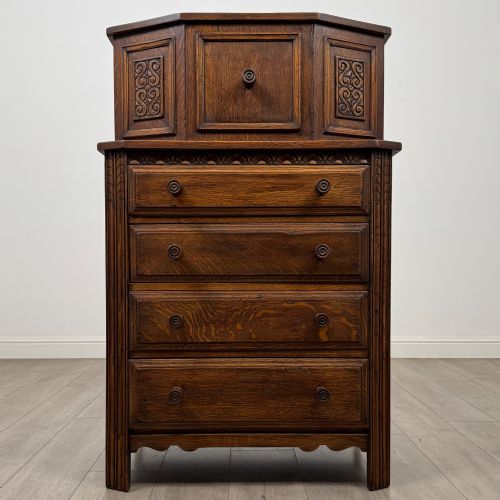
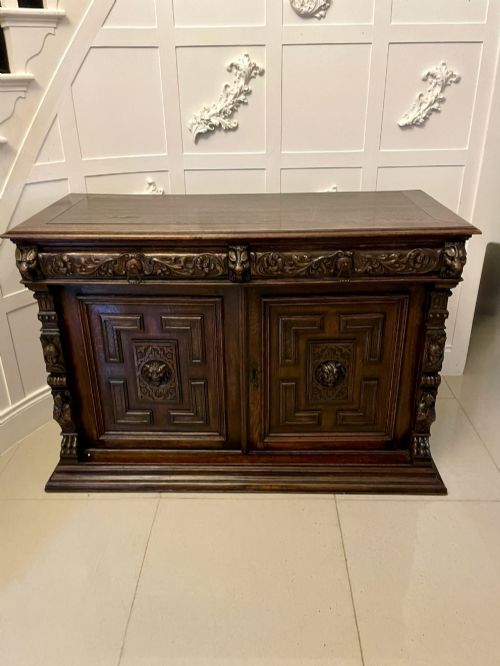
Vintage Oak Cupboard
A vintage oak cupboard brings natural warmth and utility to a room, ranging from Edwardian wardrobes to Arts and Crafts cabinets.
Vintage Oak Cupboard
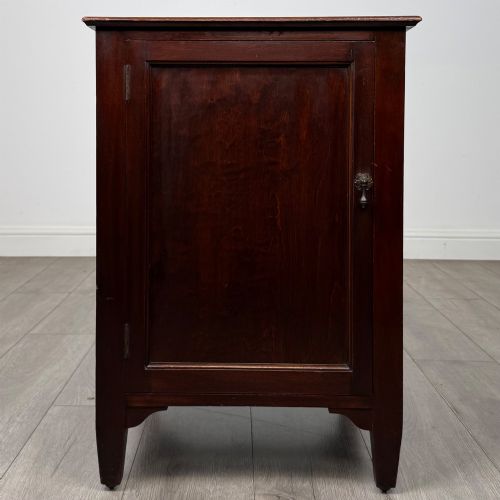
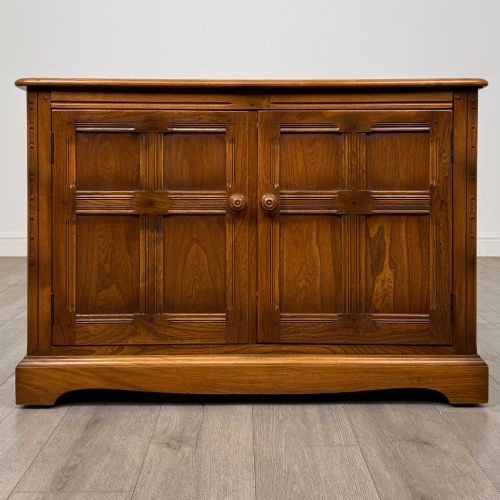
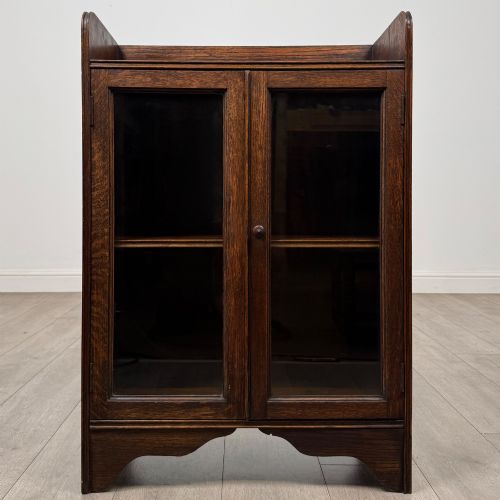
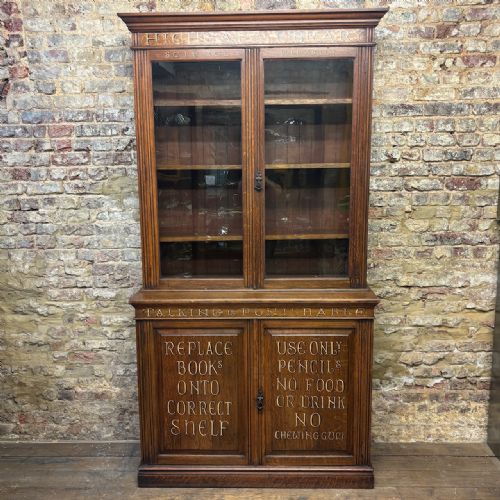
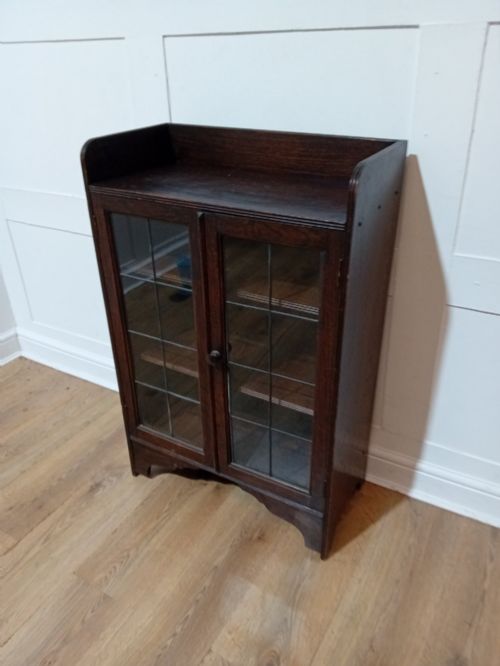
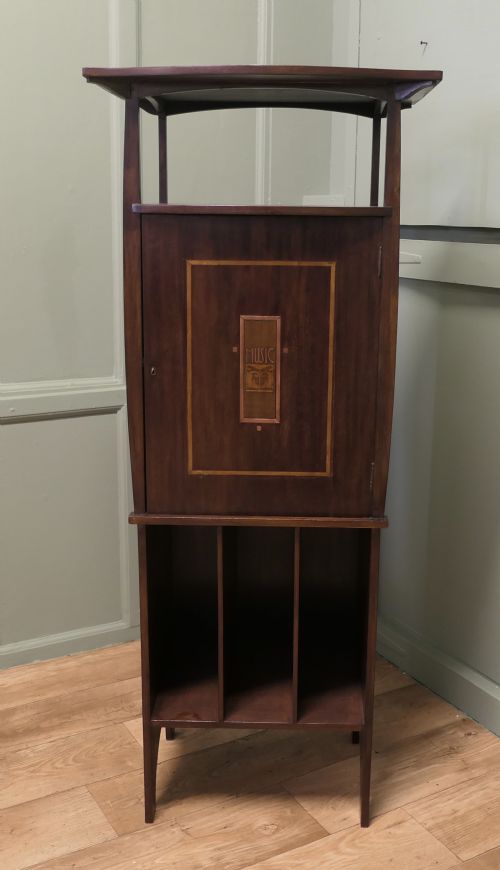
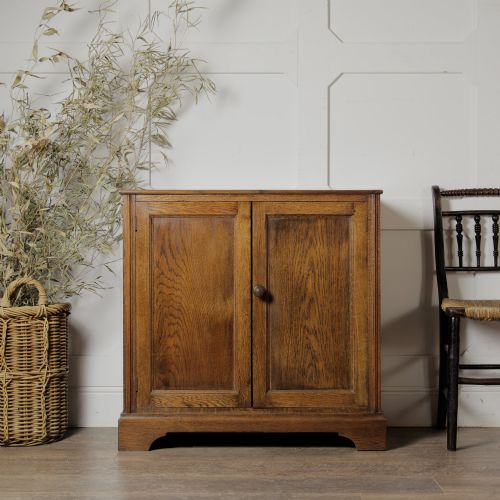
A vintage oak cupboard encompasses diverse forms such as sideboards, wardrobes, bookcases, and bedside cabinets spanning the Edwardian period, Victorian era, and early twentieth century. Buyers searching this phrase meet everything from compact wall cupboards and dwarf cabinets to large Welsh dressers and multi-door wardrobes.
The material identity centres on solid oak, frequently golden or tiger oak, occasionally accented with mahogany or pine secondary woods. Construction dates stretch from nineteenth century pieces through to nineteen-thirties productions influenced by revival styles including Jacobean, Tudor, Gothic, and Arts and Crafts.
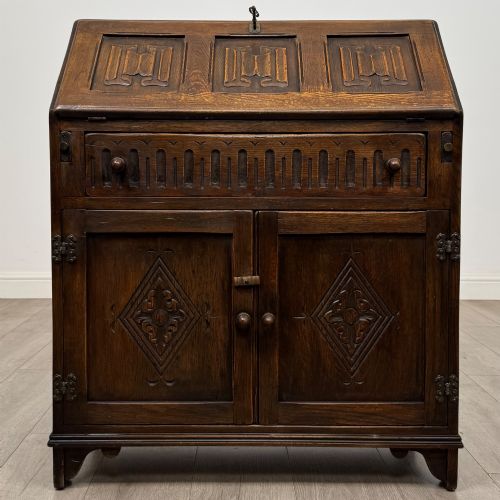
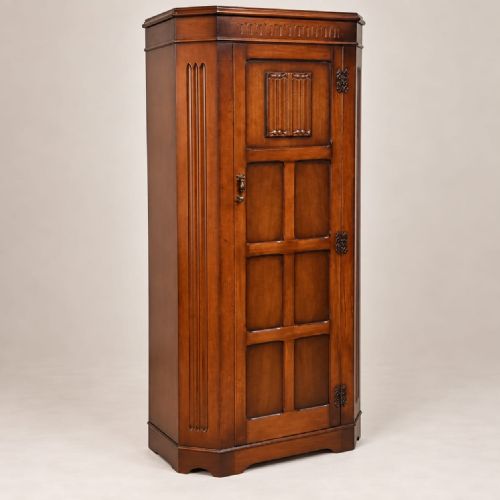
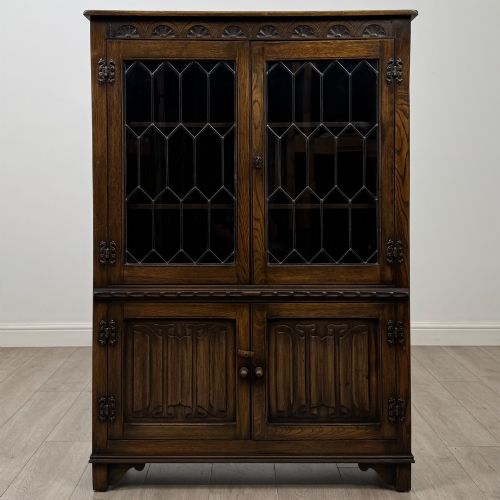
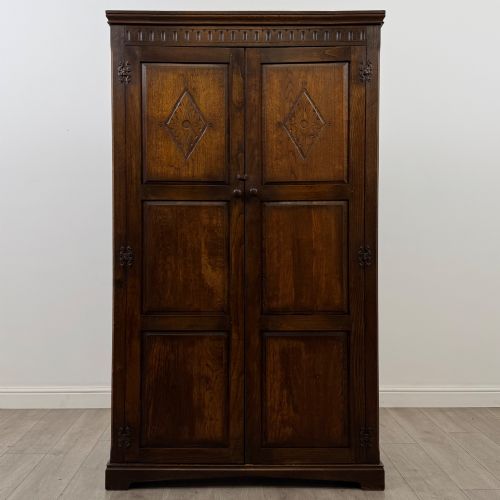
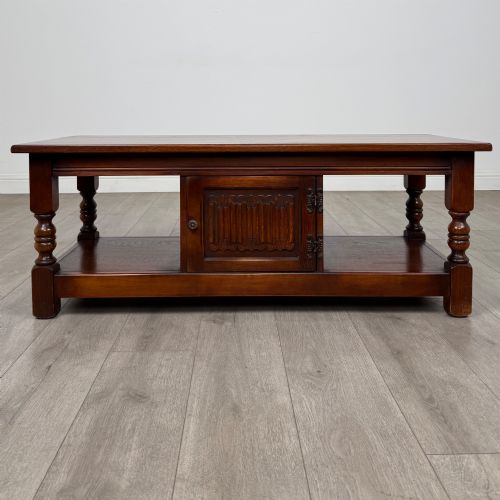
Domestic storage forms dominate the selection, functioning as kitchen dressers, hall wardrobes, and library bookcases. Pieces often incorporate carved detailing, linenfold panels, leaded glass doors, or barley twist supports reflecting their specific period origins.
Distinctions in quality and execution
Quality reveals itself in the selection of timber grain, particularly the depth and movement in golden or tiger oak boards. Superior execution appears in crisp, hand-carved details and well-fitted panel work rather than mechanical uniformity.
Hardware integration separates standard items from finer examples, with substantial brass handles, functional locks, and well-hung doors operating smoothly within their frames. The structural integrity of internal shelving and drawer construction further indicates workshop standards.
Vintage Oak Cupboard Retail Price Guide 2026
Typical asking prices for vintage oak cupboard among the pieces listed under this phrase on Sellingantiques today, from the lower quarter to the upper quarter. They describe what is for sale here now, not the wider market.
Listings feature oak cupboards spanning the eighteenth, nineteenth, and twentieth centuries, incorporating materials such as brass, glass, iron, and lead.
GM Elwood·JS Henry
The Vintage Oak Cupboard Glossary
- Linenfold
- A style of carving used on wooden panels that imitates folded fabric. This decorative treatment appears frequently on Edwardian cupboards and wardrobes.
- Golden oak
- A warm, honey-toned finish applied to oak timber. It gained popularity during the Edwardian period and highlights the natural grain of the wood.
- Scumble
- A decorative painting technique used to create artificial wood grains or textures. In certain nineteenth century pieces, scumble paintwork simulates oak on alternative timbers.
- Court cupboard
- A traditional type of short, heavy storage cabinet featuring enclosed sections and open display tiers. Examples in the evidence date to the Edwardian revival period.
- Barley twist
- A turned wooden furniture leg or support resembling a twisted rope. This detail characterises specific Edwardian sideboards and cabinets.
Vintage Oak Cupboard: Frequently Asked Questions
How do I date a vintage oak cupboard?
Dating relies on combining stylistic clues with construction methods, such as identifying Edwardian linenfold carving, Arts and Crafts influences, or Victorian proportions. Reference markers include period hardware, timber selection, and specific revival styles like Jacobean or Tudor.
Examining secondary woods and interior framing provides additional context. Comparing these physical characteristics against documented examples from the nineteenth and twentieth centuries clarifies the production era.
What rooms suit a vintage oak cupboard?
These cupboards adapt to various domestic spaces depending on their original function, whether placing a small bedside cabinet in a bedroom or a tall bookcase in a study. Kitchens and dining rooms accommodate larger Welsh dressers and sideboards.
Hallways benefit from compact wardrobing or music cabinets designed for narrow footprints. The neutral warmth of oak integrates smoothly with both traditional and contemporary interiors.
How should I care for vintage oak furniture?
Maintain oak surfaces by dusting regularly with a dry, soft cloth and avoiding silicone-based polishes that build up over time. Natural beeswax applied sparingly helps nourish dry timber and preserve the finish.
Position furniture away from direct sunlight and heat sources to prevent the wood from drying out or splitting. Stable room humidity protects joinery and prevents panel movement.
What is the difference between a dresser and a sideboard?
A dresser typically combines lower cupboards or drawers with upper open shelving or a glazed bookcase, historically utilised for kitchen storage and display. Sideboards function primarily as low base units with cupboards and drawers for dining room service.
While both incorporate oak and share period revival aesthetics, their vertical proportions and intended utility diverge. Dressers offer combined display and enclosed storage, whereas sideboards provide flat surface utility.