


Vintage Oak Coffee Table
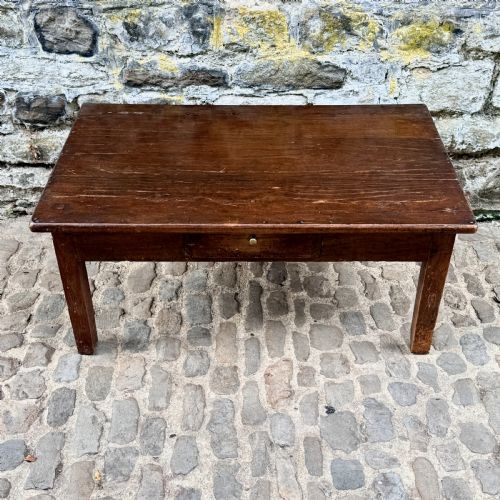
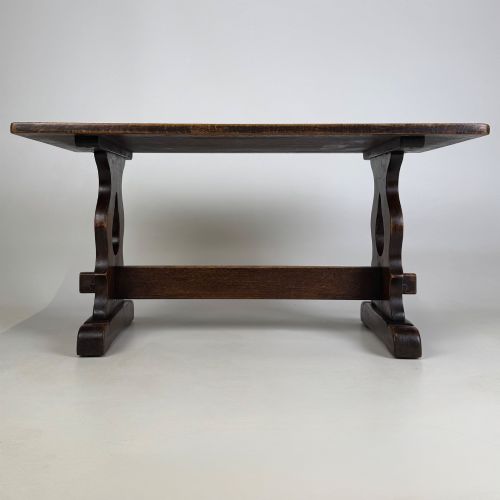
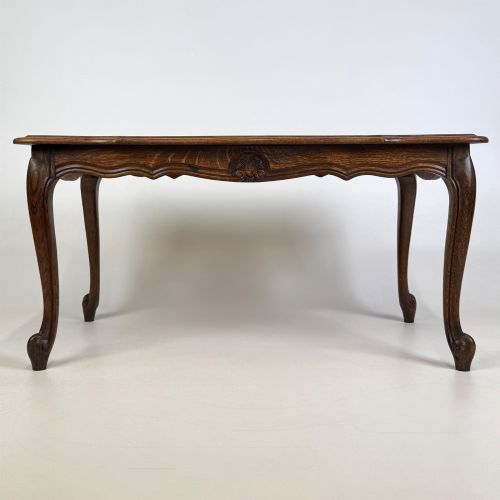
A vintage oak coffee table grounds a room with heavy grain and dark warmth, bringing sturdy craftsmanship straight from the Edwardian and Arts and Crafts eras into daily use.
What vintage oak coffee tables are
A vintage oak coffee table bridges the gap between historical utility and modern living, offering a low surface rooted in past domestic traditions. When you search for a vintage oak coffee table, you encounter low occasional tables, heavy side tables, and adaptable bookcase variants designed for holding books, tea, and daily items.
The pieces appearing here span several decades, reaching from late nineteenth-century examples to early twentieth-century creations. Stylistic influences draw heavily upon the Arts and Crafts movement, Edwardian cabinet-making, and rustic farmhouse utility, alongside distinct regional iterations like the Glasgow School.
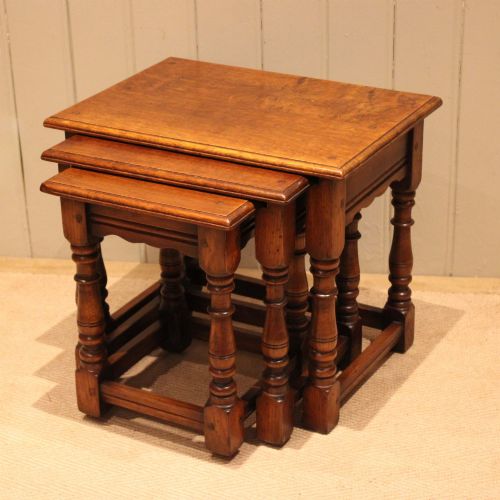
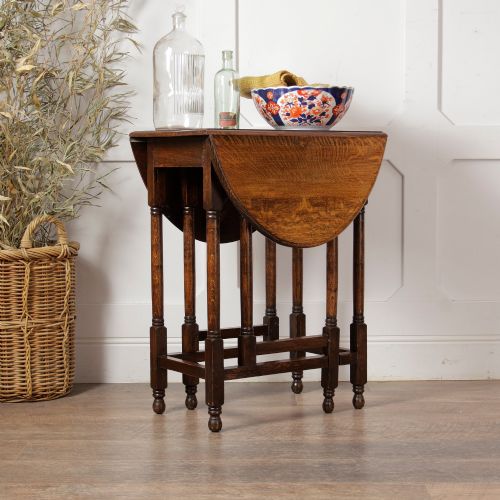
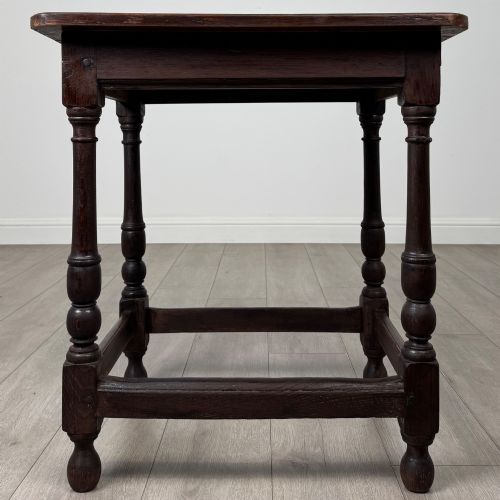
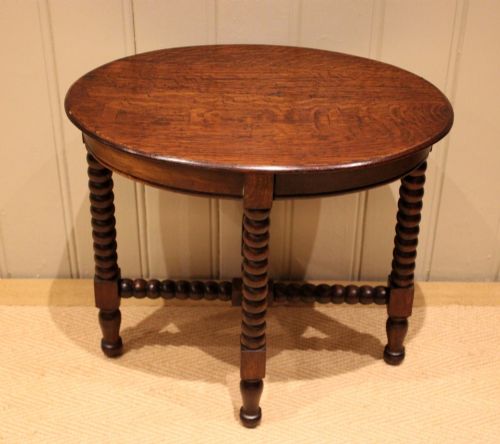
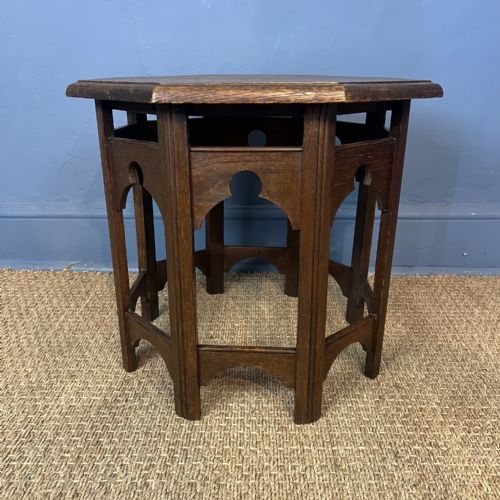
Forms vary from hexagonal tops and carved bobbin-turned supports to classic rectangular occasional surfaces. Chestnut occasionally accompanies the primary oak timber, adding subtle tonal variety to the structural timber framework.
How they were made
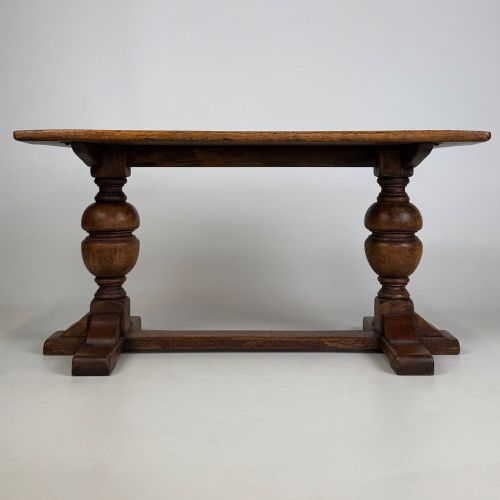
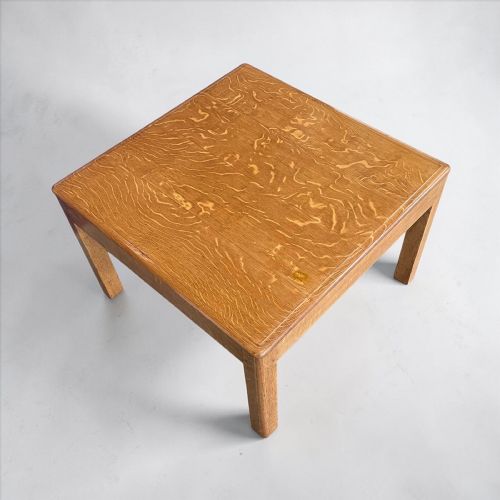
Makers relied primarily on solid oak, selected for its density, distinct medullary rays, and resilience under heavy use. Secondary woods such as chestnut appear in combination with the primary timber, utilised for secondary surfaces or framing elements.
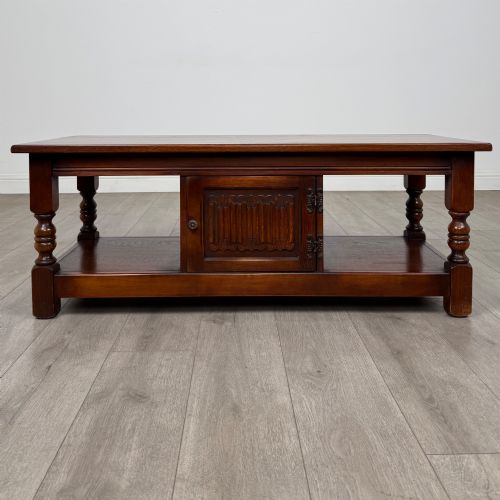
Construction techniques involve traditional joinery, sturdy framing, and hand-applied surface treatments that highlight the natural grain. Structural details incorporate turned elements like barley twist and bobbin turning, alongside carved decorative accents.
Retail Price Guide 2026
Typical UK retail prices for vintage oak coffee table, calculated from the Sellingantiques database of over a million retail prices indexed since 2003. This retail price guide relies exclusively on Sellingantiques data; no external sources or auction records are used, so the figures do not describe the wider market.
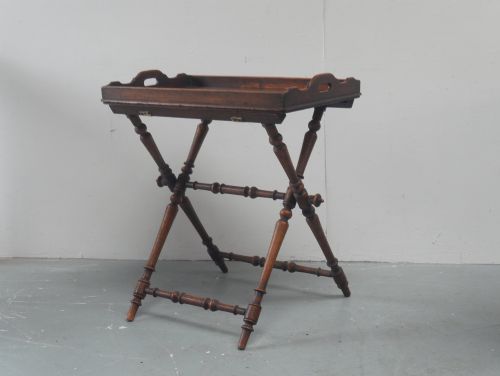
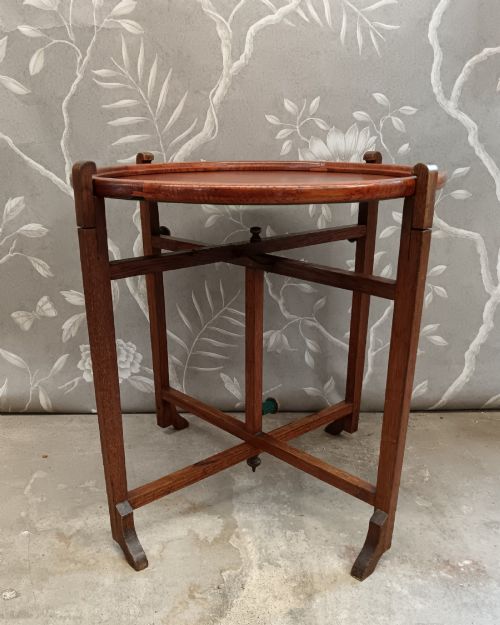
Some tables double as tea stations, proving that folks a century ago took their afternoon brew just as seriously as we do.
What varies in quality
Quality rests upon the integrity of the timber selection and the precision of the underlying joinery. Superior examples display carefully matched grain patterns and solid framing that withstands decades of daily domestic service.
The character of the turned legs and carved details separates standard utility pieces from more ambitious workshops. Sharply defined turnings and balanced proportions elevate a simple occasional table into a notable design statement.
The Vintage Oak Coffee Table Glossary
- Barley Twist
- A type of turned wooden leg resembling a spiral rope. This decorative technique appears frequently on Edwardian occasional tables.
- Bobbin Turning
- A series of rounded wooden spheres or beads shaped on a lathe along the length of a leg. It provides a tactile, rhythmic profile.
- Glasgow School
- An influential circle of Scottish designers and artists active around nineteen-ten. Their work emphasises geometric simplicity and structural honesty.
- Medullary Rays
- Natural ribbon-like flecks visible across quarter-sawn oak surfaces. These distinctive markings indicate high-grade conversion of the timber.
Frequently Asked Questions
How do I date a table?
Dating relies upon stylistic markers, construction methods, and recorded periods. Edwardian pieces often incorporate turned legs, whereas Arts and Crafts items favor simpler, geometric lines.
Examining the underside and joint construction helps confirm whether a piece belongs to the early twentieth century or the late nineteenth century.
Are these tables solid oak?
The listings consist primarily of solid oak, sometimes paired with chestnut components. This heavy hardwood provides the structural backbone for low tables and occasional furniture.
Solid timber construction ensures durability and allows the grain to develop a rich patina through decades of handling.
How do I clean the wood?
Maintenance requires gentle dusting with a dry cloth to protect the historic surface finish. Avoid modern chemical sprays that can strip natural wax layers.
Applying a traditional beeswax polish periodically preserves the deep tone of the oak without altering the original appearance.
Where were these tables used?
Original contexts included Victorian parlours, Edwardian sitting rooms, and Arts and Crafts interiors. They served as tea tables, book repositories, and general occasional surfaces.
Today, their low profiles make them suitable for central placement in living spaces as functional coffee tables.