
Vintage Oak Book Stand
A vintage oak book stand brings sturdy character to a room, offering a practical home for daily reading material.
Vintage Oak Book Stand
A vintage oak book stand encompasses open shelving units, revolving tiers, and reading desks designed to hold volumes within easy reach. These pieces emerge from periods spanning the Victorian era through the 1930s, reflecting the domestic needs of their times.
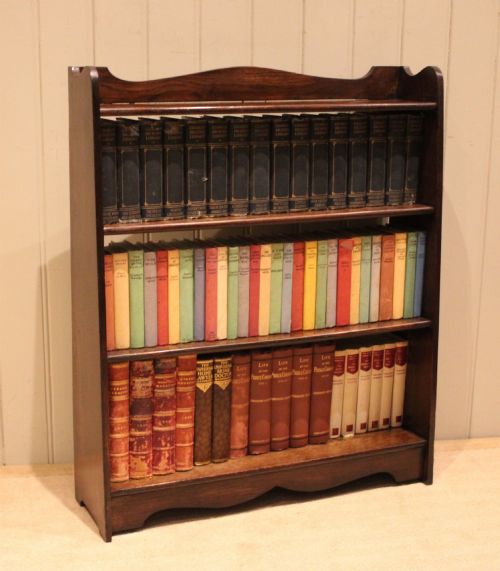
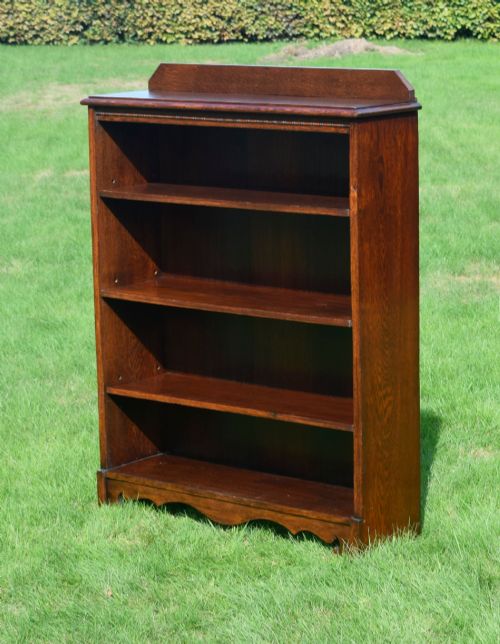
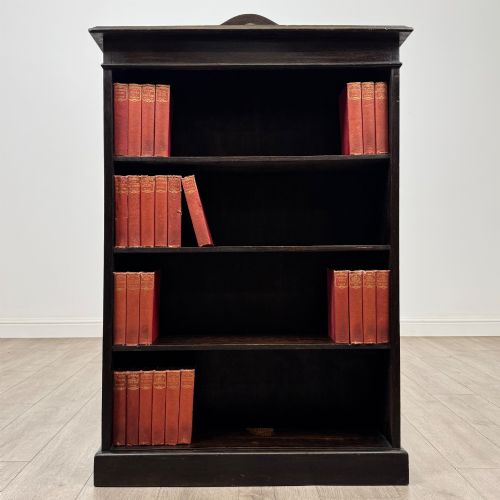
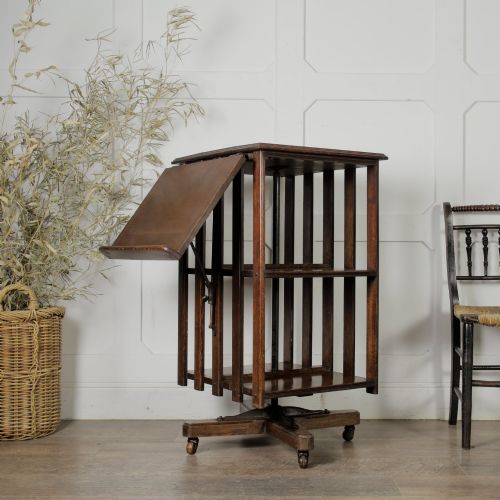
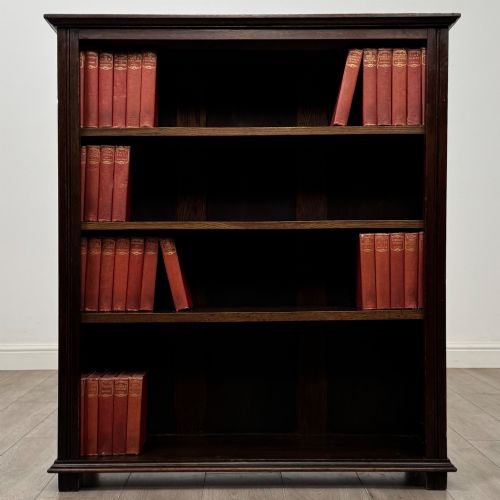
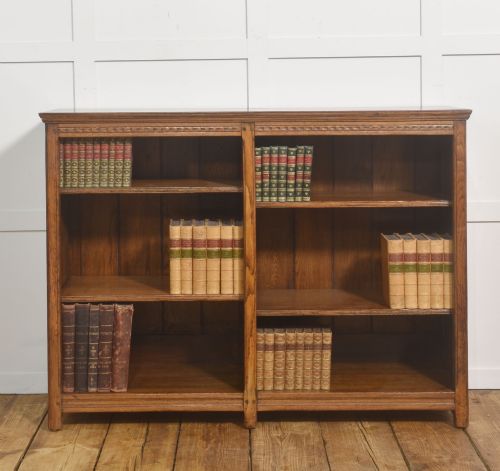
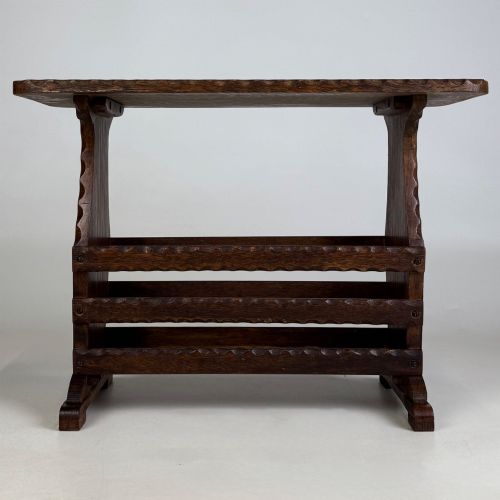
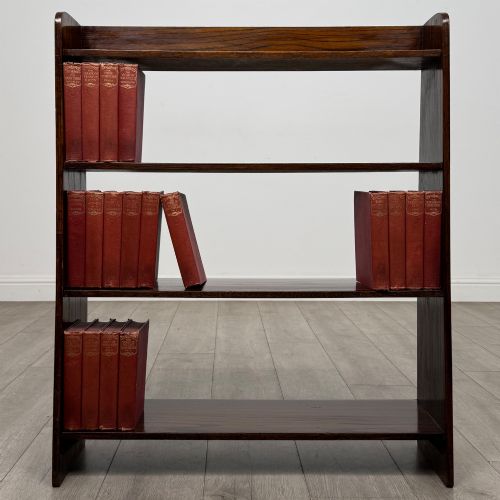
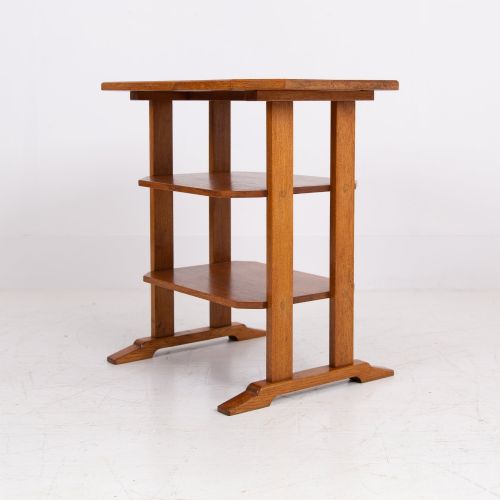
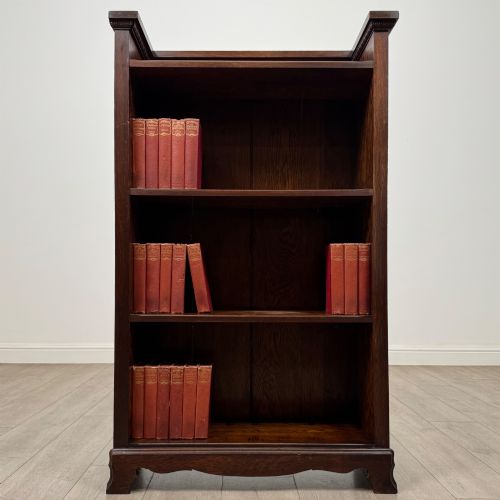
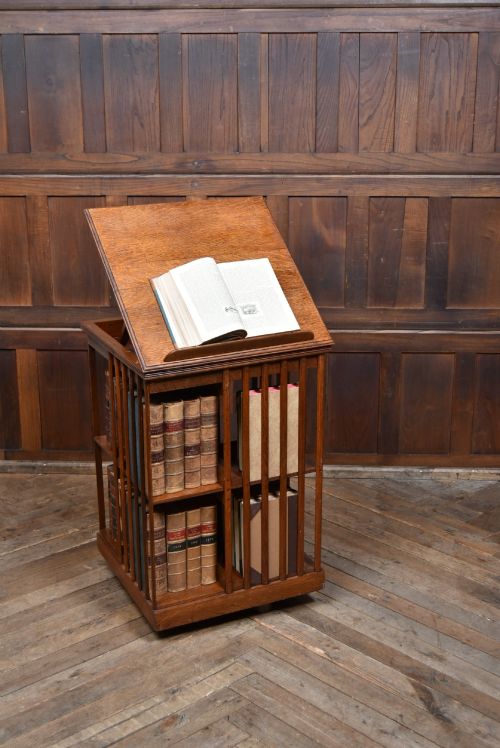
The version most commonly encountered on this page is the open bookcase or revolving stand constructed from solid timber. Examples range from compact table models to larger floor-standing pieces bearing the straightforward lines characteristic of early twentieth-century design.
Materials and construction
Makers relied primarily on solid oak, frequently augmented with brass hinges, iron brackets, and occasional leather tops. Dark oak and golden oak finishes appear alongside limed treatments found in later pieces from the nineteen-thirties.
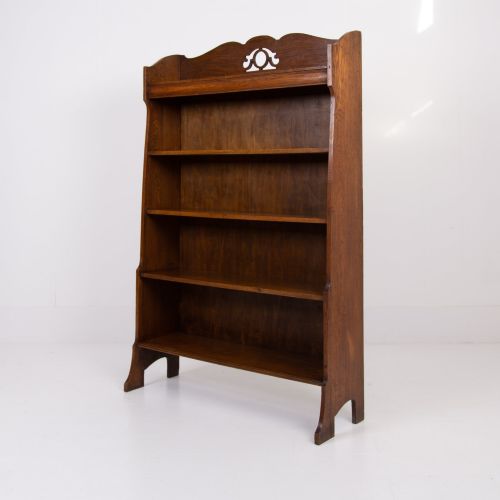
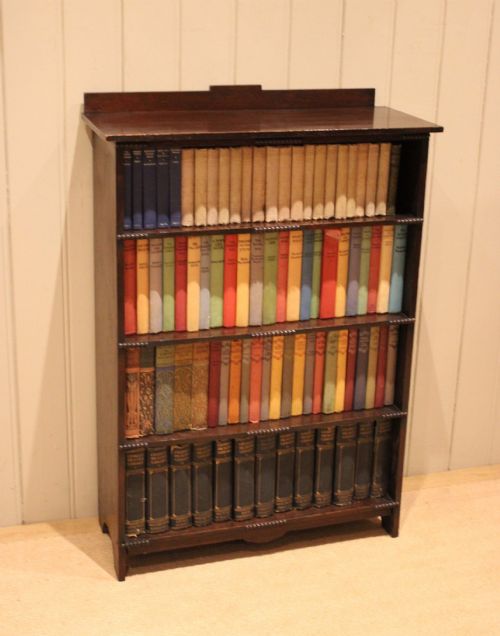
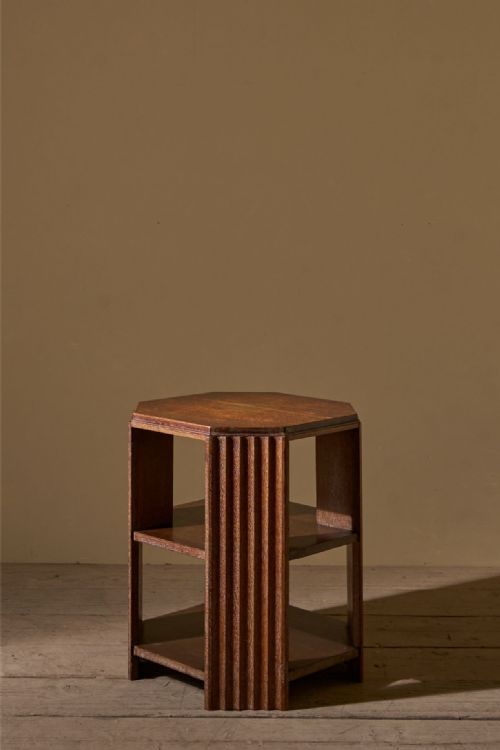
Joinery methods prioritize durability, utilising open shelves, beaded edges, and revolving mechanisms that allow multiple volumes to be accessed from a single spot. Structural elements often display the simplified forms associated with the Arts and Crafts movement or the geometric tendencies of Art Deco.
Listings feature oak book stands spanning the Victorian era, Edwardian period, and the nineteen-thirties.
Assessing quality and construction
Distinction across these stands rests in the selection of the timber and the integrity of the joinery. Heavier gauges of oak and thoughtful detailing, such as adjustable shelving or integrated beaded edges, separate standard utilitarian items from finer examples.
The sophistication of the mechanical turning action on revolving models and the precision of assembly further define the upper tier of these furnishings. Pieces that retain their original surfaces and fittings demonstrate superior preservation.
Heals
The Vintage Oak Book Stand Glossary
- Arts and Crafts
- A design movement emphasising handcraftsmanship, simple forms, and natural materials. This aesthetic frequently manifests in honest, unpretentious oak construction.
- Revolving bookcase
- A freestanding tiered stand fitted with a internal pivot mechanism allowing books to turn smoothly. These rotating units optimize storage space in small areas.
- Lectern
- A slanted reading desk designed to hold open texts at a comfortable angle for standing or seated study. They appear in church, library, and domestic contexts.
- Waterfall bookcase
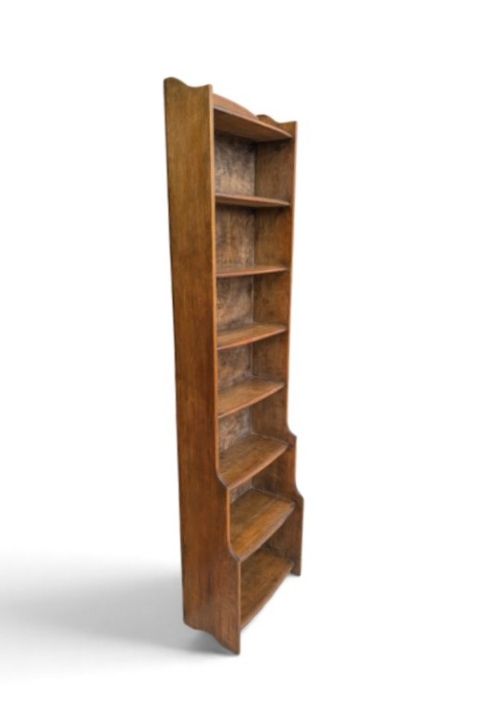
- A shelving unit featuring receding tiers that step back progressively from bottom to top. This silhouette creates an open, tiered profile.
Vintage Oak Book Stand: Frequently Asked Questions
How do I care for a vintage oak book stand?
Maintain the wood by dusting regularly with a dry cloth and avoiding placement near direct heat sources or strong sunlight.
Apply a traditional wax polish occasionally to nourish the timber and preserve the natural grain without building up heavy residue.
Where did these stands originate?
These pieces originate primarily from British workshops, reflecting regional cabinetmaking traditions of the late nineteenth and early twentieth centuries.
Design influences range from vernacular domestic styles to specific artistic movements active during the Edwardian period and the interwar years.
Are revolving stands sturdy enough for heavy books?
Solid timber construction and central pivot mechanisms provide substantial load-bearing capacity for standard library collections.
Distributing heavier volumes on the lower tiers ensures stability while the revolving mechanism turns.
How can I distinguish Edwardian pieces from later designs?
Edwardian examples often display traditional proportions, golden oak tones, and subtle decorative mouldings derived from earlier revivals.
Nineteen-thirties pieces tend to introduce cleaner lines, limed finishes, or simplified geometric forms typical of the Art Deco era.