




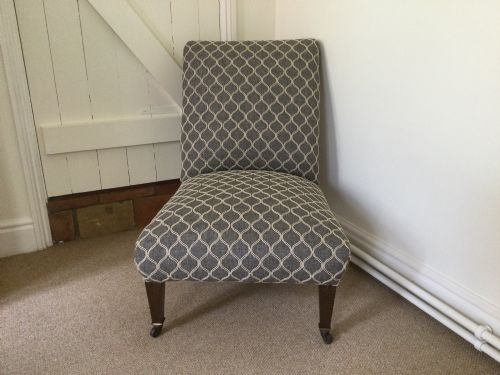


Vintage Nursing Seat
A vintage nursing seat offers low-slung, comfortable seating rooted in nineteenth and early twentieth century domestic spaces.
Vintage Nursing Seat
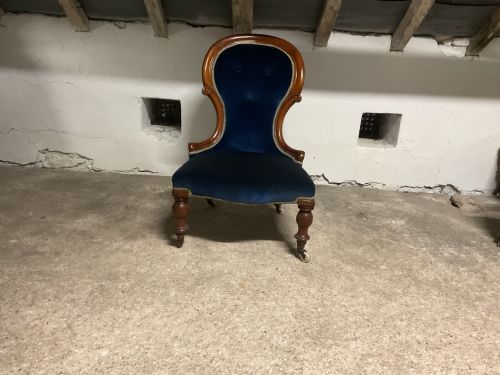
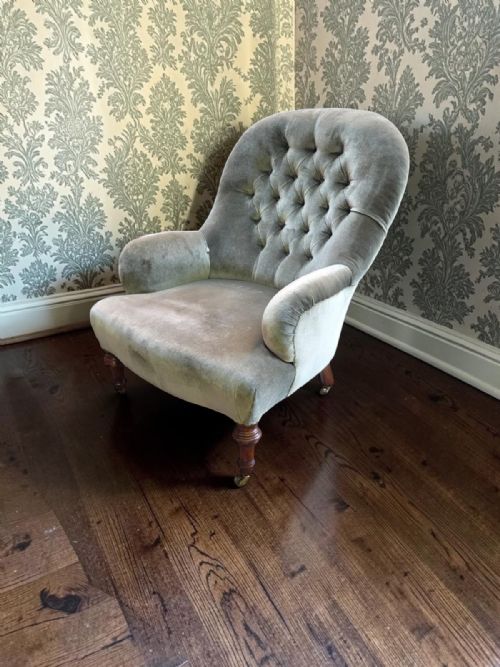
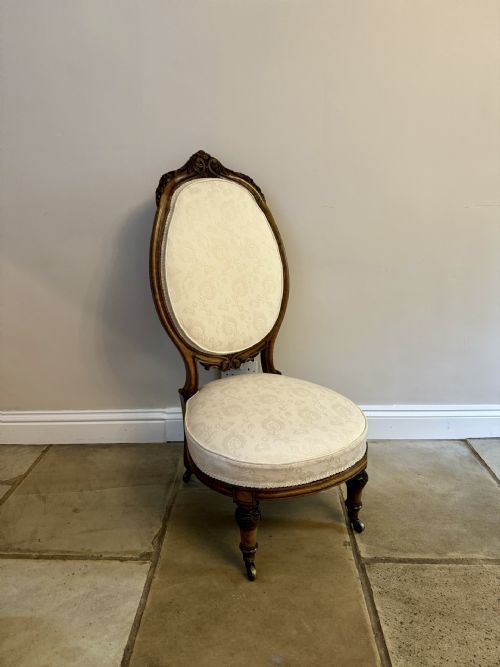
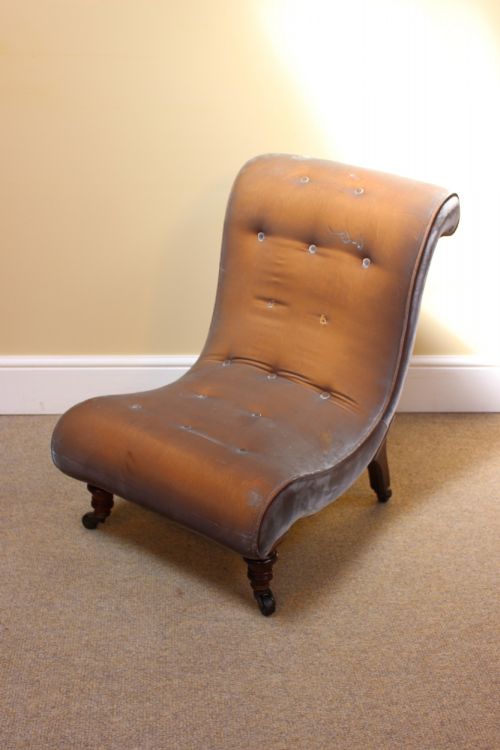
A vintage nursing seat spans forms such as slipper chairs, low bedroom chairs, and gossip chairs from periods including the Victorian and Edwardian eras. These pieces sit lower to the ground than standard chairs, reflecting their original domestic functions in bedrooms and private rooms.
Buyers will most frequently encounter walnut and mahogany frames finished with period upholstery, velvet, or fabric. The selection ranges from carved Victorian walnut frames to inlaid Edwardian mahogany designs.
Regional and international variations appear across the inventory, including Scottish vernacular pieces, 19th Century French examples, and Scandinavian country styles. Each origin brings distinct wood choices and framing techniques to the low seat form.
Crafting the frame and upholstery
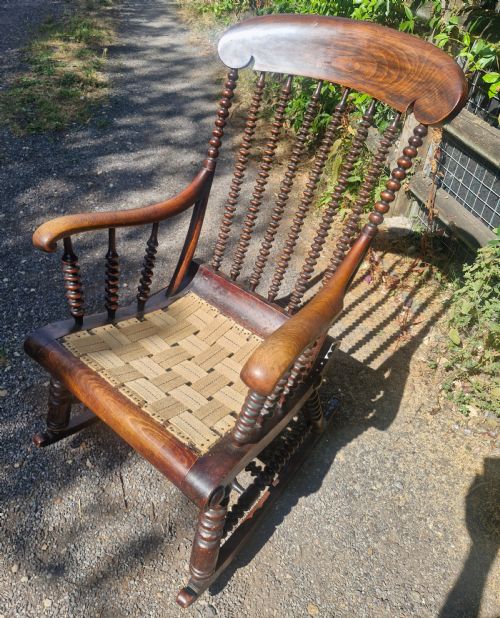
Timbers such as mahogany, walnut, oak, and beech form the structural foundations, shaped into bobbin frames, carved backs, or inlaid supports. Metal components like brass and iron also appear in specific frames and mounts.
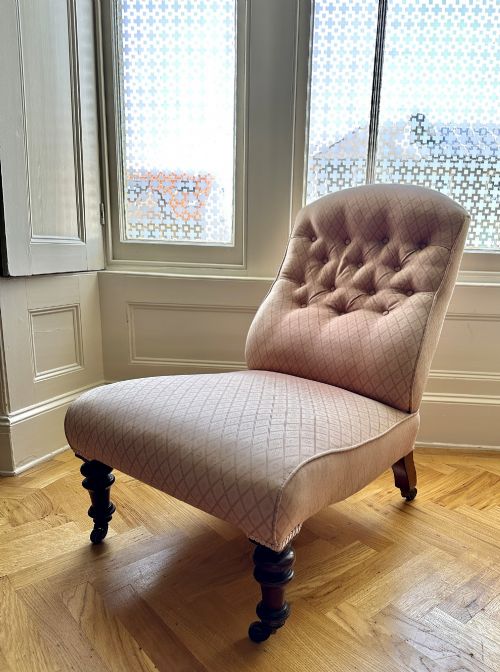
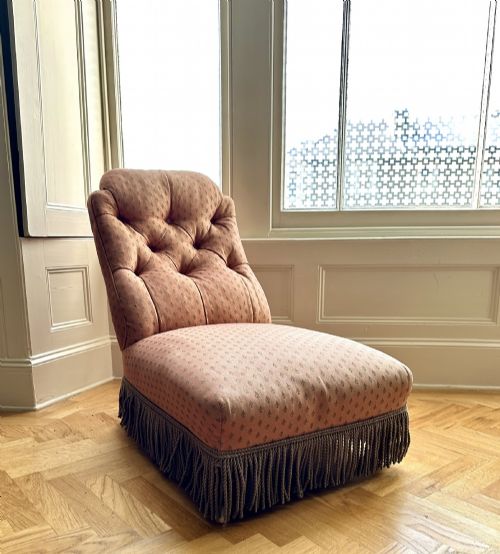
Upholstery methods rely on traditional stuffing and springing techniques, finished with button backs, fabric, leather, fringe, or linen. Woodwork involves careful turning, carving, and occasional gilding or ebonising to achieve the desired finish.
Certain gossip chairs from Arncroach ensure secret conversations happen with optimal nineteenth-century posture.
Judging the standard of manufacture
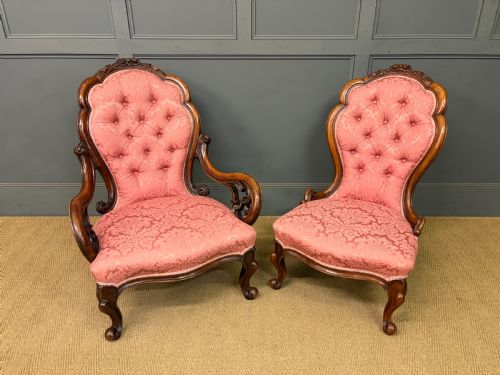
The refinement of the woodwork dictates much of the distinction, separating simple vernacular framing from intricate carved walnut or detailed mahogany inlay. Superior pieces display crisp carving, balanced proportions, and robust joinery in the legs and frame.
The integrity of the original form and the execution of the upholstery materials, whether buttoned leather, tapestry, or silk velvet, influence the overall character. Finer examples maintain structural stability alongside balanced decorative flourishes.
Wheeler Of Arncroach
The Vintage Nursing Seat Glossary
- Slipper chair
- A low-seated upholstered chair without arms, traditionally used in dressing rooms or bedrooms for putting on shoes.
- Gossip chair
- An asymmetrical or conversation-focused low seat designed for relaxed seating, often associated with specific makers like Wheelers of Arncroach.
- Button back
- An upholstery style where depressions are formed in the padding by pulling buttons deep into the stuffing, securing the fabric and creating a patterned texture.
- Bobbin framing
- A style of wood turning where the leg or stretcher resembles a string of bobbins or spools, common in mid nineteenth century seating.
- Scroll back
- A chair back featuring an outward curving scroll shape at the top rail, seen in early Victorian and occasional chair designs.
Vintage Nursing Seat: Frequently Asked Questions
What is a vintage nursing seat?
A vintage nursing seat is a low-slung chair designed during the nineteenth and early twentieth centuries for domestic rooms like bedrooms and boudoirs. Their reduced height made them suitable for tasks requiring a seated position close to the floor.
These pieces encompass slipper chairs, bedroom chairs, and gossip chairs in Victorian and Edwardian styles. They utilise woods like mahogany, walnut, and beech alongside upholstered finishes.
How were nursing seats originally used?
These seats served primarily in private chambers, dressing rooms, and bedrooms for personal grooming, resting, and nursing infants. Their low profile provided comfort and stability in domestic daily routines.
Over time, their decorative qualities led to their use in parlours and drawing rooms as occasional or accent seating. Today, they function similarly in living spaces as characterful side or bedroom chairs.
How do I identify Victorian examples?
Victorian examples typically feature dark hardwoods like walnut and mahogany, often with elaborately carved frames, button backs, and heavy upholstery. Common design markers include scroll backs, bobbin turnings, and rich fabric coverings.
Mid to late nineteenth century pieces also showcase structured proportions and traditional joinery methods distinct from later Edwardian lightness. Examining the timber and upholstery style helps clarify the production period.
How do I live with antique low chairs?
Living with these chairs involves placing them in bedrooms, dressing areas, or sitting rooms where their compact proportions are useful. Their low height makes them ideal for secondary seating alongside larger armchairs and sofas.
Care for the wooden frames with appropriate polish while protecting any vintage fabric or leather upholstery from direct sunlight. Their historic character complements both traditional interiors and contrasting modern spaces.