




Natural Timber Chair
A natural timber chair brings earthy warmth and historic utility into a room, offering honest construction and tactile grain.
Natural Timber Chair
Most examples rely on traditional timber construction with exposed grain and honest joinery. These seating options suit modern interiors seeking tactile historic character and straightforward wooden construction.
How they were made
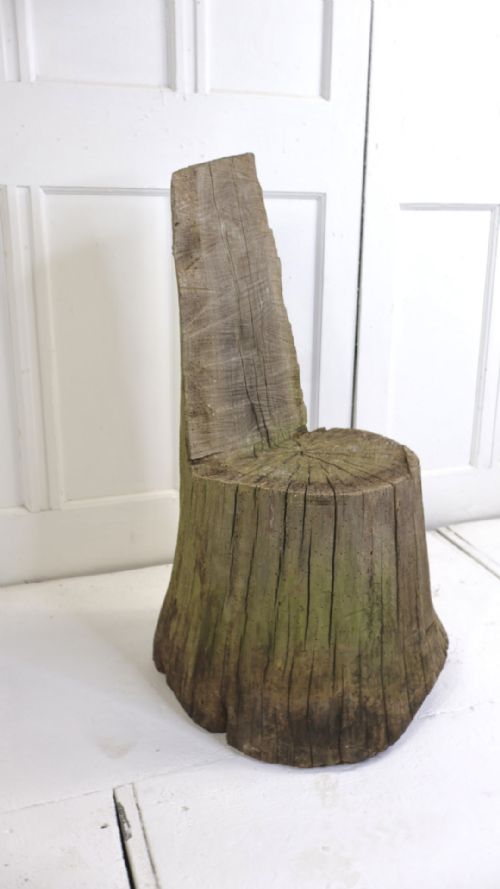
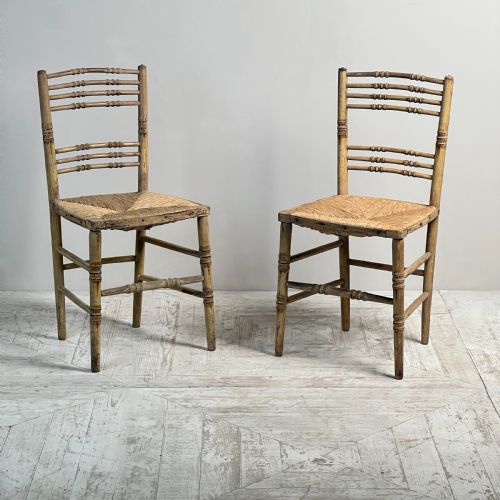
Makers utilised solid hardwoods and softwoods such as oak, elm, ash, pine, walnut, and general timber, often pairing wooden frames with woven rush seats. Construction methods ranged from sculpted natural forms and dugout techniques to turned stick backs and pegged joints.
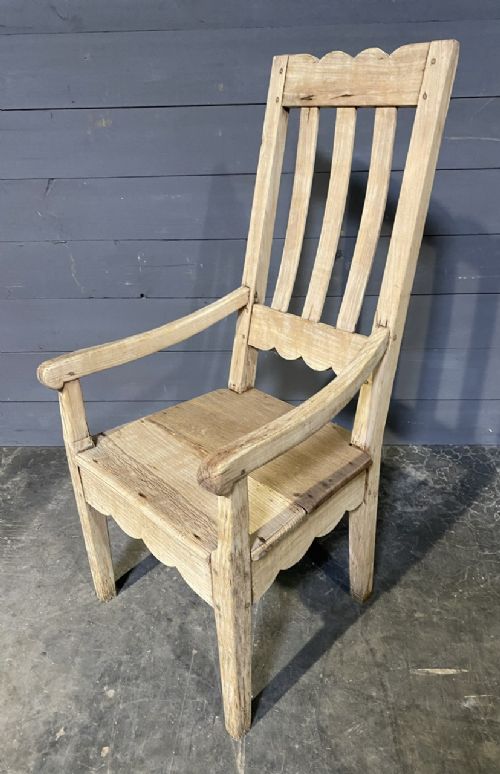
Surface treatments varied from bare exposed wood showing the natural grain to painted finishes imitating materials like faux bamboo. Joinery relied on traditional hand tools appropriate to the period, resulting in sturdy vernacular seating built for daily utility.
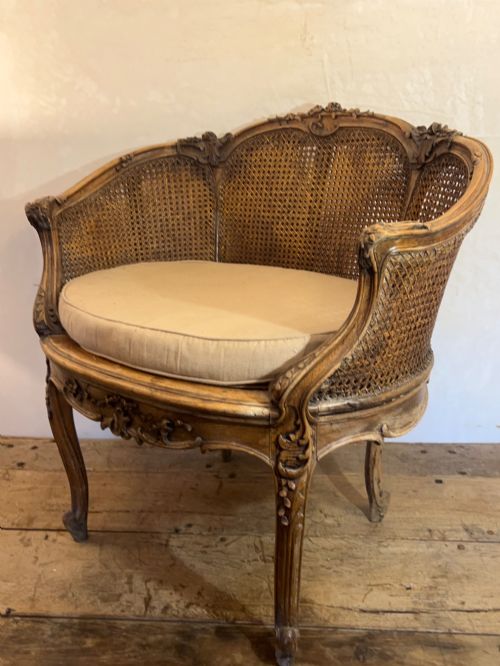
Available forms include armchairs, side chairs, benches, and children's stools created in styles ranging from rustic folk art to Louis XV.
What varies in quality
Quality rests upon the integrity of the timber selection and the skill evident in the shaping of structural elements like stick backs, arms, and legs. Pieces displaying thoughtful proportions and harmonious vernacular design stand apart from basic utilitarian seating.
The preservation of original surface character, honest patina, and undisturbed joinery defines the finer examples. Lesser pieces may show heavy alterations or clumsy repairs that obscure the original historic construction.
The Natural Timber Chair Glossary
- Stick back
- A chair construction method where turned wooden spindles are inserted directly into a solid seat slab. This method characterises traditional Windsor and vernacular seating.
- Rush seat
- A seating surface woven from dried marsh grasses or rushes, providing a flexible and durable platform. It is commonly found on country dining chairs and rustic stools.
- Vernacular
- Everyday objects designed for practical local utility rather than high academic style. Vernacular furniture relies on regional traditions and readily available materials.
- Faux bamboo
- A decorative surface treatment where wood is carved or painted to resemble natural bamboo canes. This technique was particularly popular during the Regency period.
Natural Timber Chair: Frequently Asked Questions
What defines a natural timber chair?
A natural timber chair is a historic wooden seat left with an exposed wood grain finish rather than heavy upholstery or opaque paint. These pieces range from simple country stick backs to sculptural tree seats.
They reflect the traditional woodworking methods of their respective periods, utilising regional timbers like oak, elm, ash, and pine.
How do I date these wooden chairs?
Dating relies on observing construction techniques, tool marks, joinery methods, and overall stylistic traits associated with specific eras like the Regency period or eighteenth century. Regional variations also provide clues to age.
Comparing the turned elements, seat shaping, and hardware helps place a piece within its historical context.
Are rush seats durable for daily use?
Rush seats woven from natural marsh grasses offer surprising strength and flexibility when treated with care. They have supported daily seating for centuries in country homes.
Keeping them away from excessive moisture and sharp objects ensures the woven material remains intact over decades of use.
Where were these rustic chairs made?
These seating pieces originated across diverse regions including Britain, France, Scandinavia, and America. Local craftsmen utilised native woods available in their immediate surroundings.
This regional sourcing created distinct local styles such as Lancashire dining chairs and Scandinavian dugout forms.
How do I care for antique wood furniture?
Antique wooden furniture benefits from stable indoor humidity and protection from direct sunlight to prevent timber shrinkage and fading. Gentle dusting preserves the historic surface.
Avoiding harsh chemical polishes maintains the natural patina accumulated over centuries of use.