

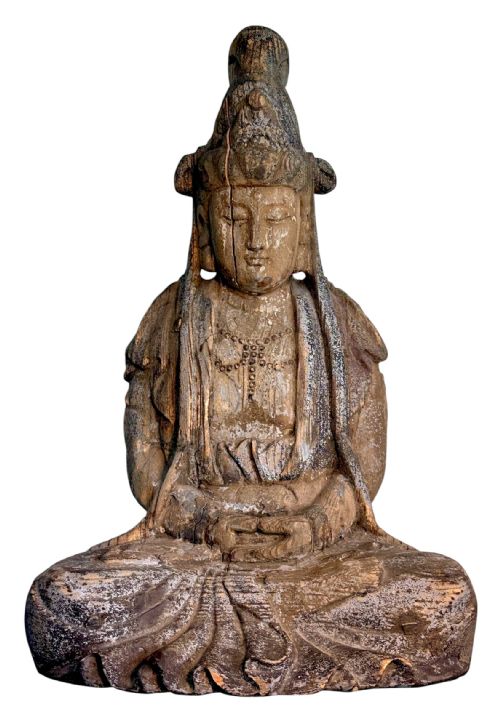


Weathered Wood Seat
A weathered wood seat brings the aged grain and organic character of timber directly into a room or garden.
Weathered Wood Seat
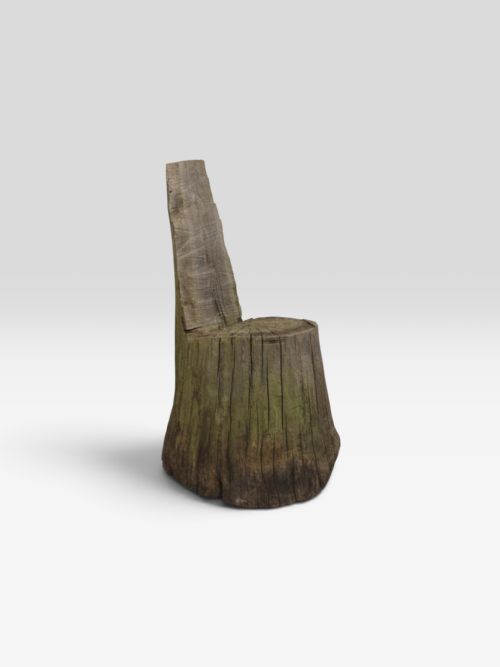
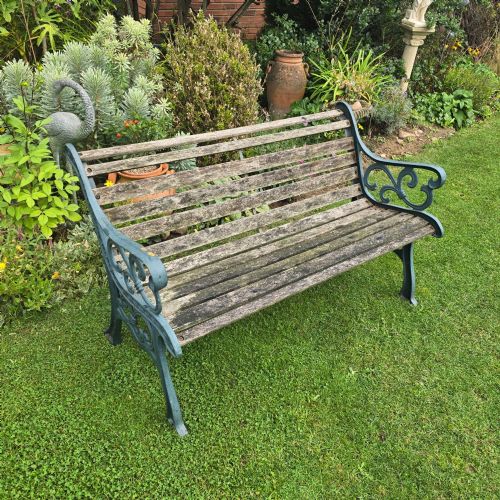
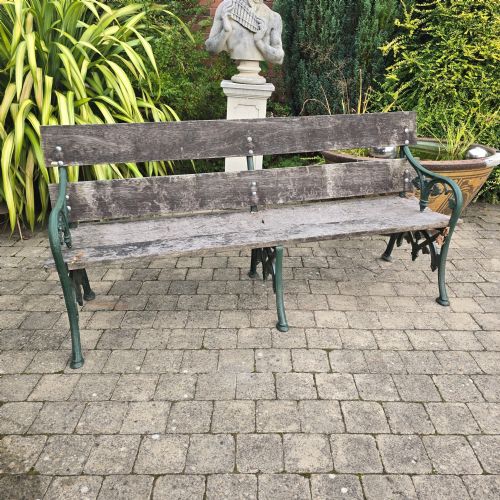
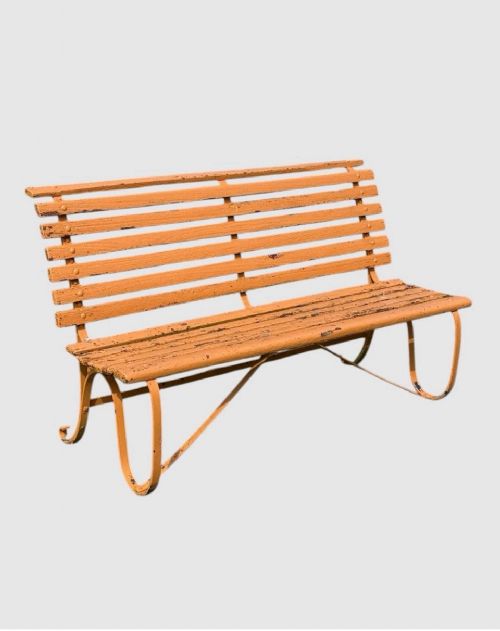
A weathered wood seat encompasses an array of robust garden benches, rustic stools, and sculptural seating forms shaped by time and exposure. When searching for a weathered wood seat, collectors typically encounter pieces dating from the eighteenth century through to the early twentieth century, alongside distinct vernacular creations.
The selection ranges from traditional slatted garden benches and children's oak stools to organic teak tree root chairs and primitive Chinese hardwood items. Many examples combine aged timber surfaces with sturdy structural frames, uniting utility with natural artistry.
Materials and construction methods
Makers utilised solid timber, teak, root wood, and bark to build these seating forms, often retaining the natural contours of the raw material. Pieces like tree root chairs and natural form stools celebrate the inherent irregularities of the wood.
Many historical examples integrate heavy cast iron components alongside the timber to create durable outdoor garden benches and park seats. This combination of cast iron and wood ensured longevity in exterior settings.
Weathered Wood Seat Retail Price Guide 2026
Typical asking prices for weathered wood seat among the pieces listed under this phrase on Sellingantiques today, from the lower quarter to the upper quarter. They describe what is for sale here now, not the wider market.
The selection includes English country furniture alongside rustic Chinese hardwood stools and natural form children's seating.
Evaluating quality and authenticity
Quality in these pieces rests in the integrity of the timber and the honesty of the weathering process, where decades of exposure produce a desirable silvered patina. Superior examples maintain structural soundness despite deep weathering to the surface grain.
The distinction between standard utility items and finer vernacular pieces lies in the skill of the shaping, particularly in root wood and carved seating where the natural form guides the final design.
The Weathered Wood Seat Glossary
- Patina
- The surface sheen and colour developed by timber over decades of handling and exposure to the elements. This aged layer is a key indicator of genuine age.
- Vernacular
- Objects made by local craftsmen for everyday use rather than following high-style academic designs. These pieces often display practical ingenuity and regional character.
- Root wood
- Timber sourced from the root system of a tree, utilised for its gnarled, twisting grain patterns and sculptural qualities. It creates highly individual seating forms.
- Slatted
- Construction method utilising narrow strips of wood spaced evenly across a frame. This design allows water to drain effectively on outdoor garden benches.
Weathered Wood Seat: Frequently Asked Questions
What defines a weathered wood seat?
A weathered wood seat is a piece of furniture fashioned from timber that has acquired an aged, silvered surface through prolonged exposure to the weather or time. These items include garden benches, rustic stools, and sculptural chairs.
They bridge the gap between functional furniture and natural art, often displaying deep grain patterns and softened edges born from environmental wear.
Where were these seats placed originally?
Most of these pieces served practical roles in domestic gardens, parks, courtyards, or rural homesteads. Stools and chairs were also utilised inside simpler vernacular settings.
Their robust construction of solid timber and cast iron allowed them to withstand constant outdoor use while developing their characteristic appearance.
How should I care for aged timber?
Aged timber requires minimal intervention to preserve its character and protective silvered layer. Gentle cleaning removes surface debris without stripping away the historical patina.
Keeping the wood stable and dry prevents structural deterioration while allowing the natural surface to endure without artificial finishes.
How do I identify older garden benches?
Older garden benches often reveal their period through construction methods, fastener types, and the integration of heavy cast iron frames alongside traditional timber joinery. The depth of the weathering offers a visual timeline of the piece.
Stylistic cues from Victorian, Edwardian, and earlier vernacular traditions further help in determining the manufacturing era.