

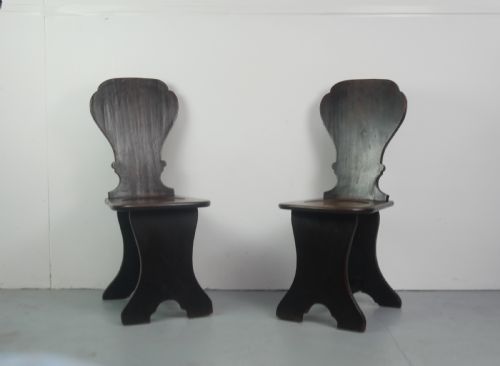


Sculptural Wood Seat
These sculptural wood seat examples bring genuine presence to a room, offering striking organic forms and historic carved detail.
Sculptural Wood Seat
A sculptural wood seat encompasses seating forms where the timber itself takes on expressive, figurative or architectural qualities rather than adhering to standard domestic joinery. These pieces function simultaneously as functional furniture and independent works of art within an interior.
Buyers browsing this selection encounter armchairs, hall chairs, accent chairs and stools spanning several centuries and aesthetic traditions. The most common examples merge utilitarian seating with pronounced carving, natural root structures or distinct period revival idioms.
Origins range widely across European, British and international traditions, incorporating Georgian craftsmanship alongside Art Deco output, Edwardian interpretations and tribal works. Each piece relies on the natural grain and mass of timber to command attention in a space.
Materials and construction methods
Makers utilised solid timbers such as walnut, oak, teak and ash, often selecting sections with dense grain patterns or natural root formations to enhance the visual impact. Construction frequently combined traditional joinery with intensive hand-carving to shape the wood into limbs, figures or flowing organic lines.
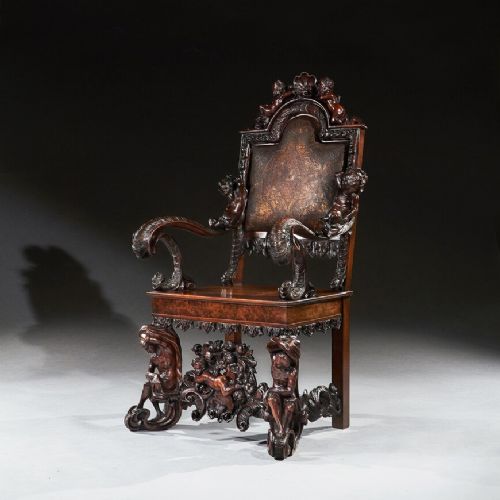
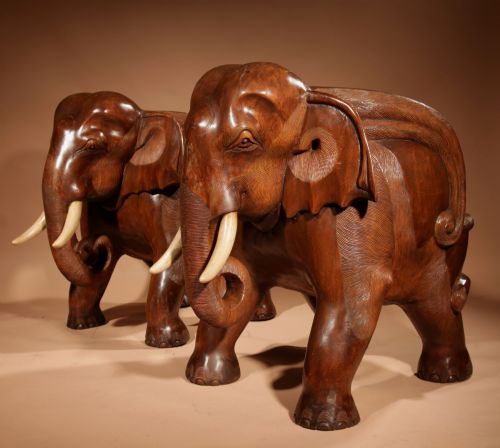
Surface treatments and upholstery choices complete the construction, with select items featuring leather inserts, brass fittings or bone detailing alongside reupholstered cushions. The interplay between raw timber surfaces and detailed chisel work defines the physical substance of these works.
Sculptural Wood Seat Retail Price Guide 2026
Typical asking prices for sculptural wood seat among the pieces listed under this phrase on Sellingantiques today, from the lower quarter to the upper quarter. They describe what is for sale here now, not the wider market.
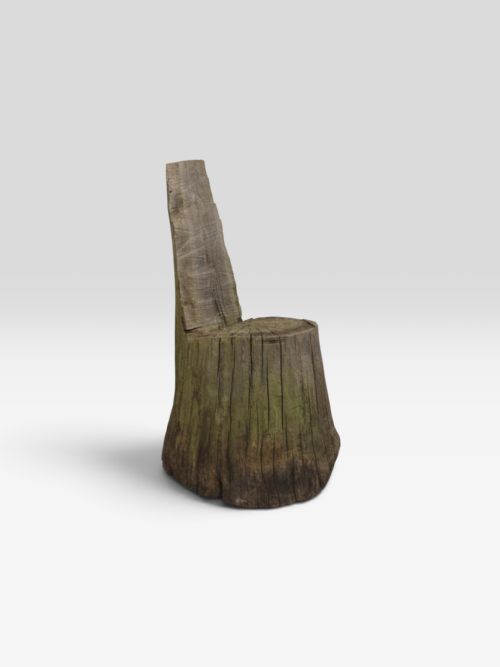
Among the seated beasts and gnarled roots, one Edwardian piece simply began life as a stubborn tree.
Assessing quality and execution
The distinction between ordinary and exceptional examples rests entirely on the ambition of the carver and the integrity of the timber. Finer pieces demonstrate deep, confident relief work and anatomical precision, whereas lesser items rely on repetitive shallow stamping or basic sawing.
Proportion and structural balance also separate the masterworks from standard productions. A superior sculptural wood seat maintains dynamic tension across its form while retaining sound weight distribution and secure joinery throughout.
The Sculptural Wood Seat Glossary
- Sgabello
- An Italian Renaissance hall chair featuring a high back and trestle supports, popular in later revival periods. These chairs were traditionally placed along corridors rather than used for prolonged seating.
- Dugout
- A seat carved directly from a single solid log or trunk rather than assembled from separate components. This ancient method leaves the natural grain fully exposed.
- Burr walnut
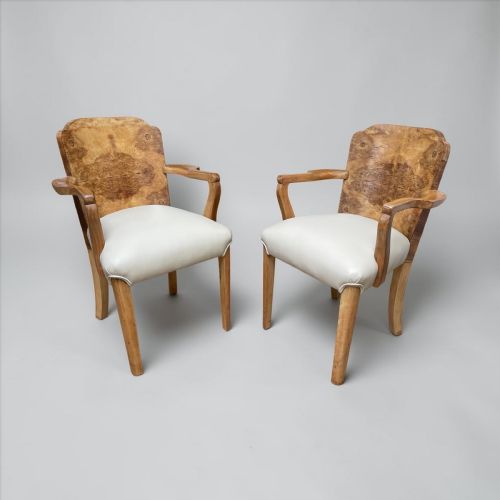
- A highly figured timber veneer prized for its swirling knot formations and rich colour variation. Cabinet makers applied it selectively to highlight curved surfaces.
- Root chair
- Seating formed from the twisted underground growth of trees, retaining wild, untamed contours. Artisans selectively trimmed and polished the natural wood to create functional furniture.
Sculptural Wood Seat: Frequently Asked Questions
Where should I place a sculptural wood seat?
These pieces demand space where their silhouette can be appreciated from multiple angles, making them ideal for hallways, landings or as focal points in a living room.
Because they often double as artworks, pairing them with minimal surrounding furniture allows the carved wood details to stand out without visual competition.
How do I date a carved wooden chair?
Dating relies on examining tool marks, timber species, upholstery foundations and stylistic markers associated with periods like the Georgian era or Art Deco.
Comparing the construction joints and wear patterns against documented examples from the same century helps confirm the likely period of manufacture.
Are these chairs comfortable for daily use?
Comfort varies significantly depending on whether the design prioritises ergonomic support or dramatic artistic expression.
While upholstered versions offer traditional seating comfort, many carved wooden or root chairs are intended primarily as occasional statement pieces.
How should I care for historic wood seating?
Maintenance requires keeping the timber away from direct heat sources and sudden humidity changes to prevent the wood from splitting or warping.
Applying appropriate wax polishes occasionally helps nourish the grain while preserving the historic patina accumulated over the decades.