



Primitive Timber Seating
Primitive timber seating brings raw honesty into a room, offering simple stools and chairs shaped by hands that worked close to the earth.
Primitive Timber Seating
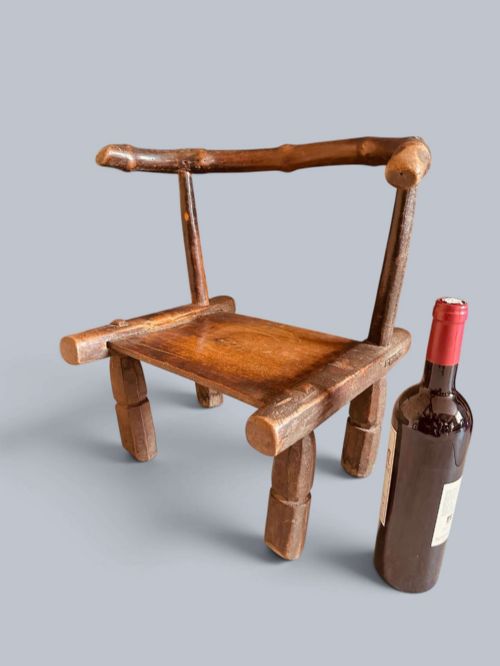
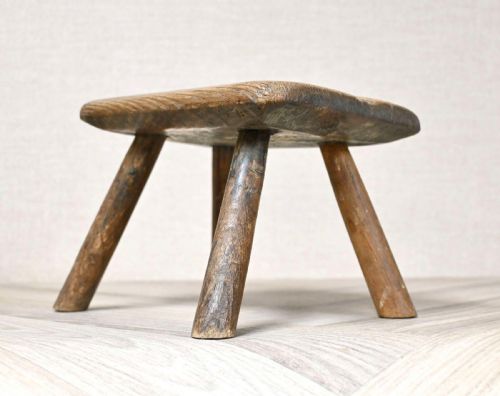
Primitive timber seating encompasses rustic stools, armchairs, and children's furniture created without the refined conventions of formal cabinet-making. When people search for primitive timber seating, they seek utilitarian forms shaped by local makers for everyday rural life.
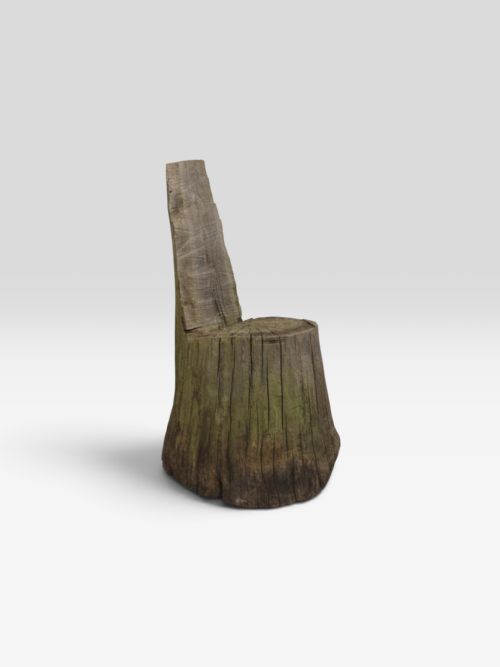
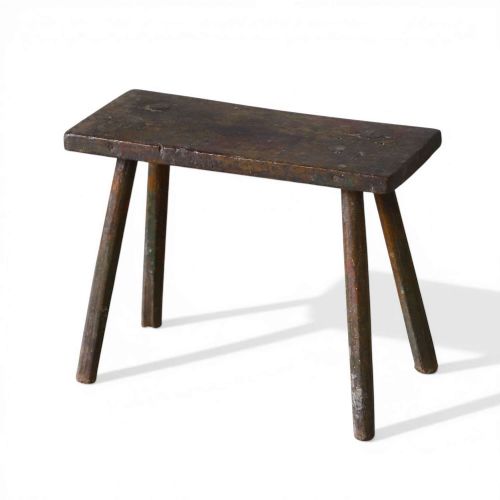
The pieces on this page span the eighteenth and nineteenth centuries, including specific regional examples like Swedish dug-out chairs and Eastern European milking stools. These items rely on straightforward construction methods, often combining solid woods like oak, ash, elm, and pine into functional household objects.
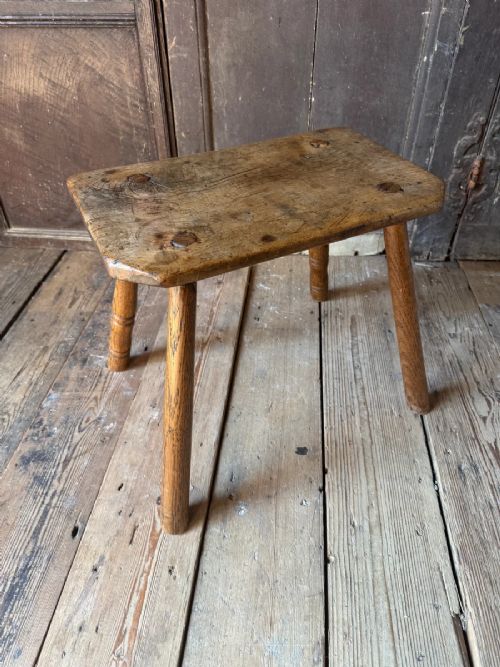
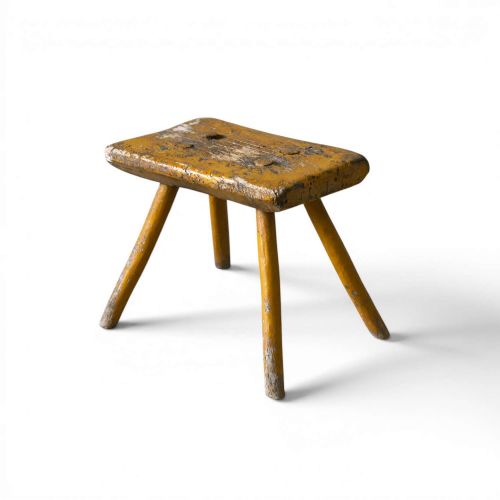
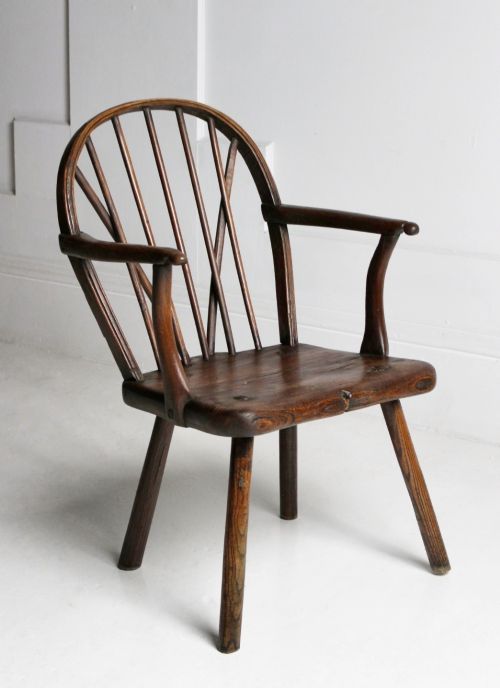
Forms range from low hearth stools and Cutler's stools to stick-back armchairs and children's high chairs, occasionally touching on folk art figures and sculptural tree seats. Buyers will frequently encounter vernacular seating that bears the distinct tool marks and patination of generations of use.
How primitive timber seating was made
These pieces were constructed from solid timbers such as ash, elm, oak, and pine, often hewn directly from local woodlands. Makers utilised simple hand tools to shape seats, legs, and backs with straightforward joinery.
Dug-out chairs were hollowed straight from logs, whilst stick-back chairs and stools employed pegged joints and turned or shaved spindles. Surviving surfaces occasionally retain original painted finishes, such as ochre and green, applied to protect the wood.
Primitive Timber Seating Retail Price Guide 2026
Typical asking prices for primitive timber seating among the pieces listed under this phrase on Sellingantiques today, from the lower quarter to the upper quarter. They describe what is for sale here now, not the wider market.
Period origins span from the eighteenth century through the Edwardian era, incorporating Scandinavian and Eastern European examples.
What varies in quality
Quality in primitive seating rests on the integrity of the original construction and the honesty of the surface patination. Pieces that retain their early or original paint surfaces hold a distinct visual weight compared to those stripped down to bare wood.
The proportional balance of a rustic chair or stool dictates its visual appeal, as maker-made pieces vary widely from clumsy utility to striking sculptural form. Signs of heavy historical repair or replacement legs alter the original character and balance of the piece.
The Primitive Timber Seating Glossary
- Vernacular
- Everyday objects built by local craftspeople for practical use rather than following high-style academic design. This term describes items shaped by regional traditions and available materials.
- Dug-out chair
- A monolithic seat formed by hollowing out a single large log or tree trunk. These heavy chairs represent some of the most direct forms of timber woodworking.
- Stick-back
- A chair construction method where turned or shaved wooden rods are inserted directly into holes bored through a thick solid seat. It provides a lightweight yet sturdy frame common in country seating.
- Milking stool
- A small, portable, typically three-legged seat used by agricultural workers for manual milking. Their simple tripod design kept them stable on uneven barn floors.
- Patina
- The surface sheen and colour developed over decades of handling, cleaning, and exposure to light. It acts as a visual record of an object's age and use.
Primitive Timber Seating: Frequently Asked Questions
Are these seats comfortable to use?
Primitive timber seating prioritised utility and durability over ergonomic cushioning, resulting in hard wooden seats carved to fit the body.
Many buyers add small sheepskins or simple squab cushions to soften the seat for everyday lounging.
How do I clean primitive wood?
Dust these pieces gently with a dry cloth and avoid harsh modern polishes that can degrade dry historic surfaces.
Feed dry timbers sparingly with a neutral beeswax to maintain the natural finish without building up unwanted shine.
Can I use these outdoors?
Most historic primitive seating was constructed for indoor domestic or agricultural use and lacks weather-resistant treatments.
Exposing dry nineteenth-century pine or elm to damp outdoor conditions will quickly raise the grain and damage the historic timber.
How do I spot a fake rustic chair?
Genuine primitive pieces display authentic tool marks, consistent wear patterns around high-contact areas, and dry, stable timber.
Artificial ageing often leaves uniform distress marks and lacks the deep, layered patina earned through generations of actual use.