

Rustic Garden Seat
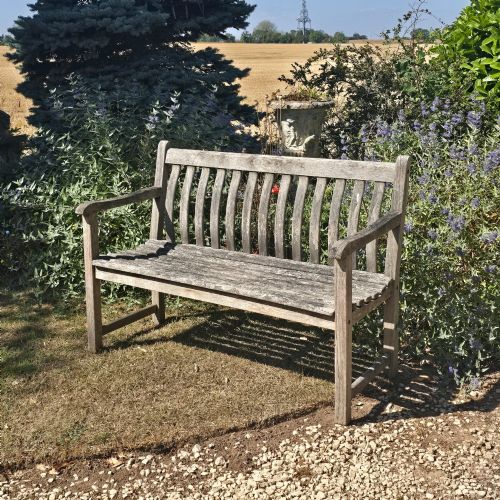
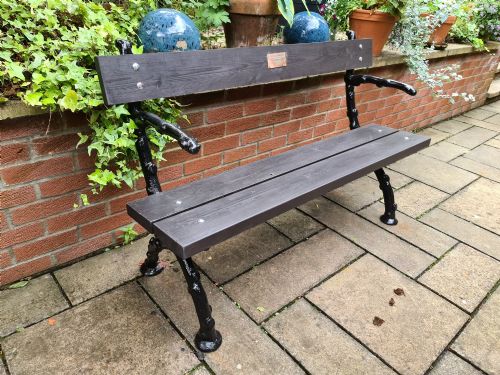
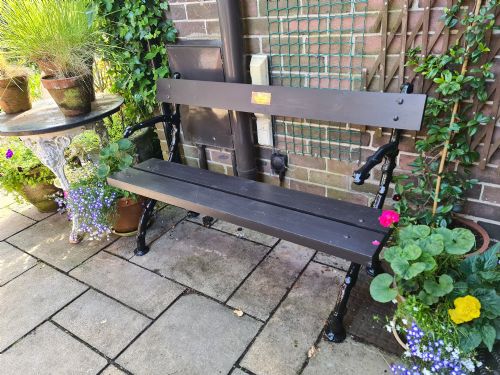
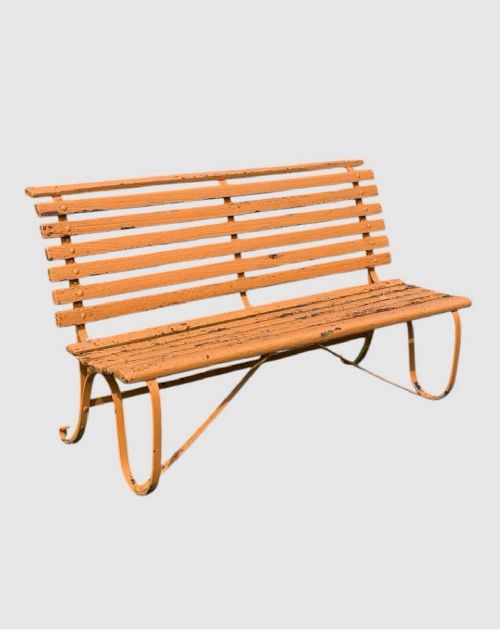
A rustic garden seat brings enduring character to lawns and courtyards, offering solid timber slats and cast iron frames for outdoor repose.
Rustic Garden Seat
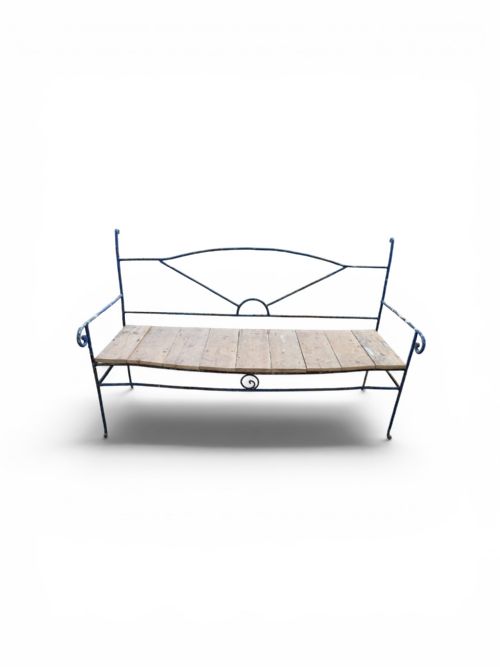
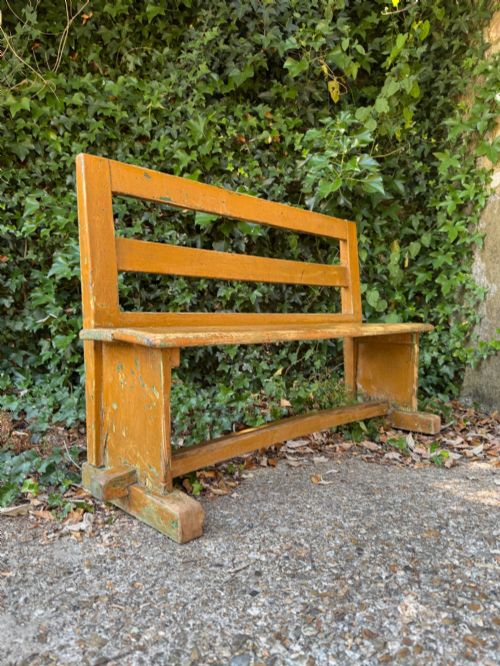
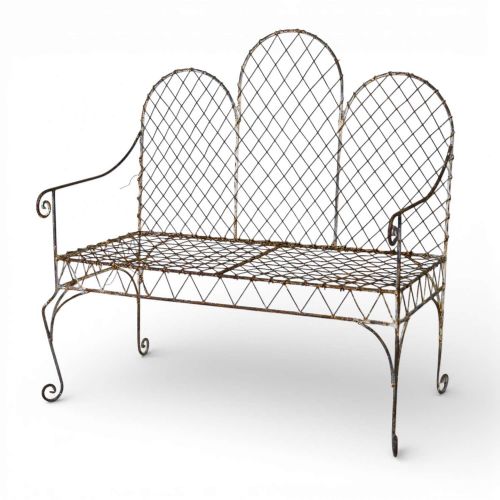
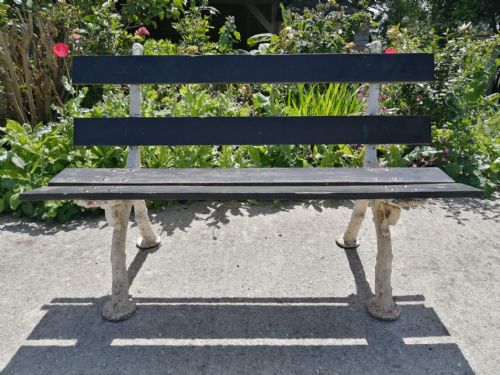
A rustic garden seat provides a practical and decorative resting place for lawns, patios and quiet corners of the grounds. When exploring this selection, buyers encounter everything from traditional wooden benches to robust cast iron designs.
The pieces span several distinct eras, drawing heavily from the nineteenth century, the Edwardian period and the early twentieth century. Common formats include straight benches, circular tree seats and occasional folding chairs.
Origins vary across English and French traditions, ranging from straightforward country forms to ornate Gothic influences. Most survivors utilise durable outdoor timbers or heavy metalwork designed to weather the elements gracefully.
How they were made
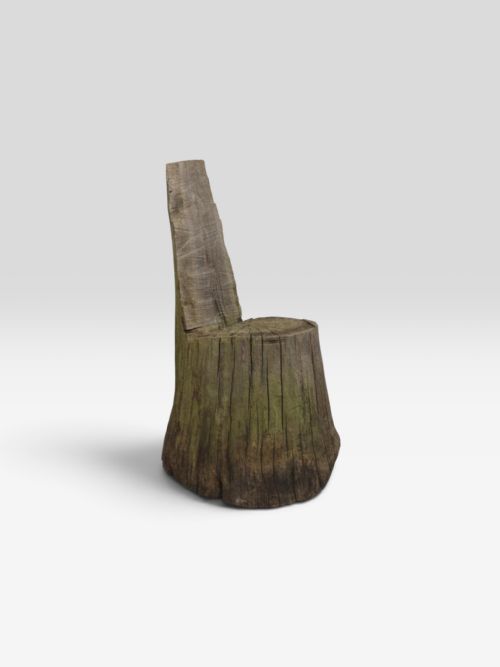
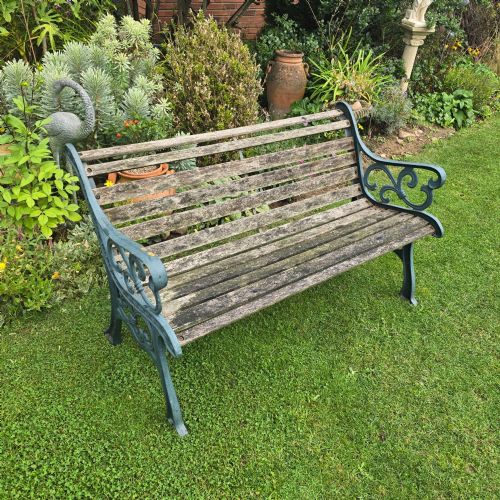
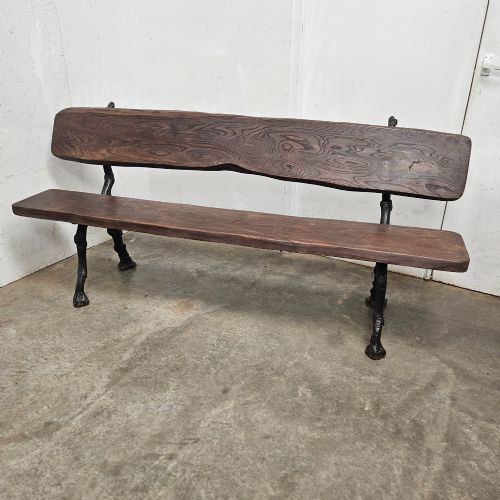
Maker workshops utilised sturdy timbers such as teak, oak, pine and elm for the slats and seating surfaces, often leaving the grain exposed to silver under weathering. Metal components relied on cast iron and wrought iron, frequently shaped into intricate botanical motifs or structural scrollwork.
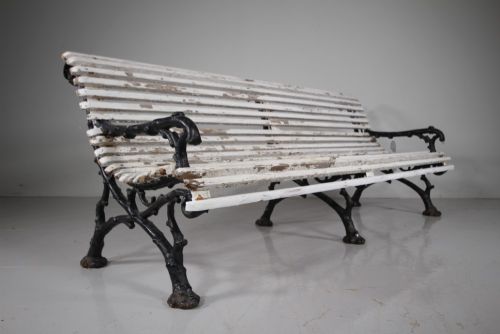
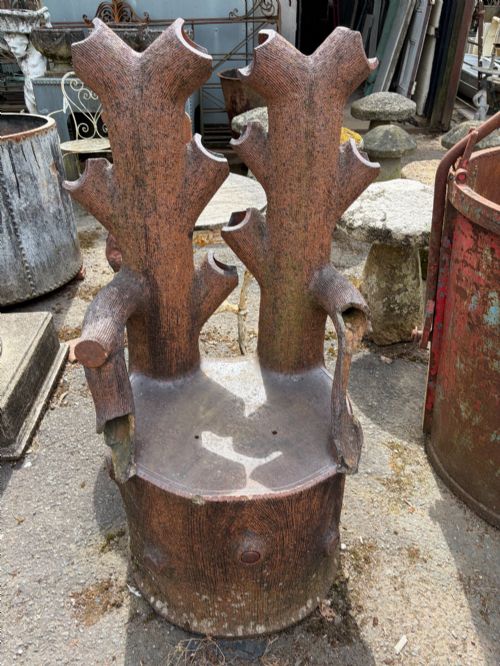
Foundries poured molten iron into complex moulds to achieve patterns mimicking natural branches and foliage, a technique seen in both standard production and specialised faux bois finishes. Paint layers were often applied originally to protect the metal and wood, leaving characteristic patinas on surviving examples.
Listings feature pieces spanning the nineteenth century through the nineteen-thirties, utilising cast iron, teak, pine, oak and wrought iron.
What varies in quality
Quality rests upon the crispness of the founding in iron components and the structural integrity of the timber joints. Pieces from notable foundries or possessing unusual motifs display superior artistry in their casting.
The depth of the original patination and the survival of early or layered paint finishes elevate the standing of a bench. Finer examples maintain their original configuration without heavy timber replacement or brittle metal fractures.
Falkirk Foundry·Coalbrookdale·Phoenix Foundry
The Rustic Garden Seat Glossary
- Faux bois
- Imitation wood. This technique describes metalwork cast to resemble gnarled branches and tree bark.
- Tree seat
- Circular bench. Such pieces encircle the trunk of a mature garden tree to provide shaded seating.
- Bench ends
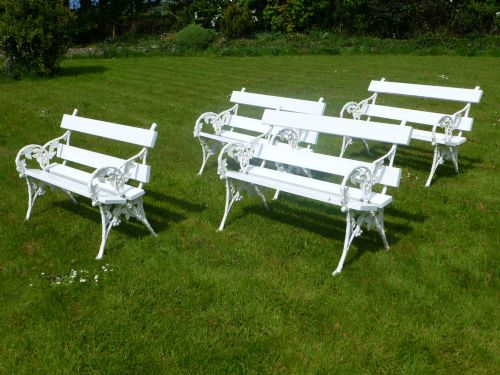
- Side supports. These cast iron or wooden frames form the structural bookends of a garden seat.
- Arras
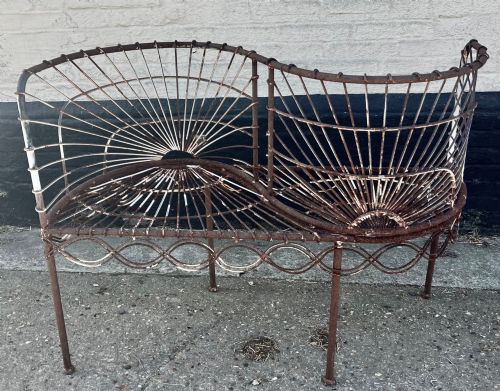
- French ironwork. This designation points to distinctive wirework and metal furniture originating from northern France.
Rustic Garden Seat: Frequently Asked Questions
Can I leave my garden seat outside year-round?
Most pieces utilise hardy materials like teak and cast iron that withstand seasonal weather changes without issue.
However, protective covers or winter storage help preserve fragile paint layers and prevent unnecessary weathering on older timbers.
How do I identify a faux bois bench?
Faux bois designs feature metalwork deliberately moulded and textured to look like natural tree branches or logs.
Examining the material closely reveals the heavy weight of iron beneath a deceptive organic surface pattern.
What is a tree seat used for?
A tree seat wraps entirely around the trunk of a large garden tree to create a shaded resting spot.
These circular benches combine practical outdoor seating with an integrated sculptural presence on a lawn.
How do I date a cast iron garden bench?
Dating relies on stylistic clues, foundry marks, and the specific casting techniques employed during production.
Nineteenth-century examples frequently display botanical patterns or registration marks, while later pieces show shifts in industrial fabrication.