

Vintage Nomadic Wool Rug
A vintage nomadic wool rug brings tribal artistry and textured warmth into a room through centuries-old weaving traditions.
Vintage Nomadic Wool Rug
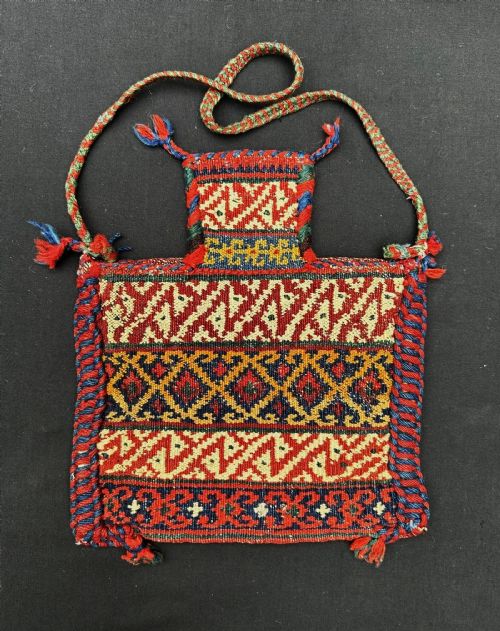
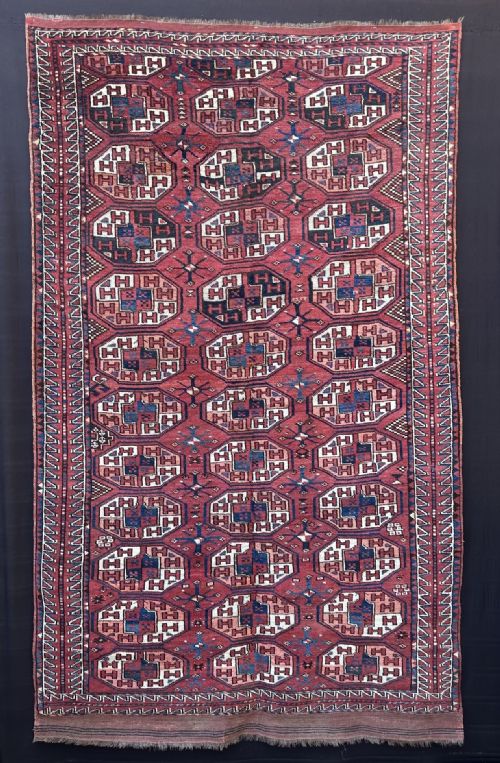
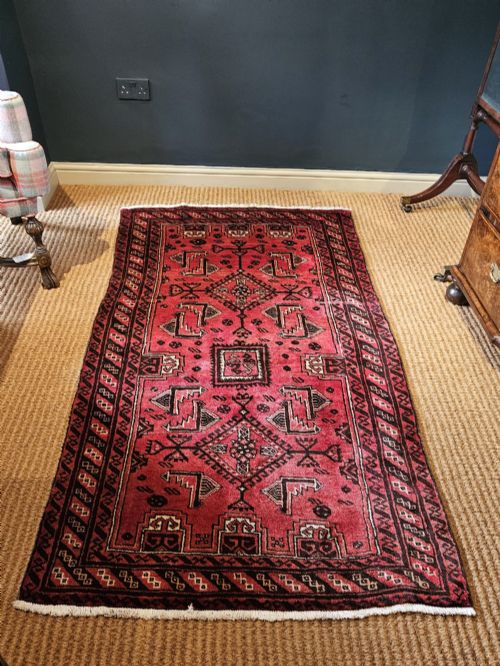
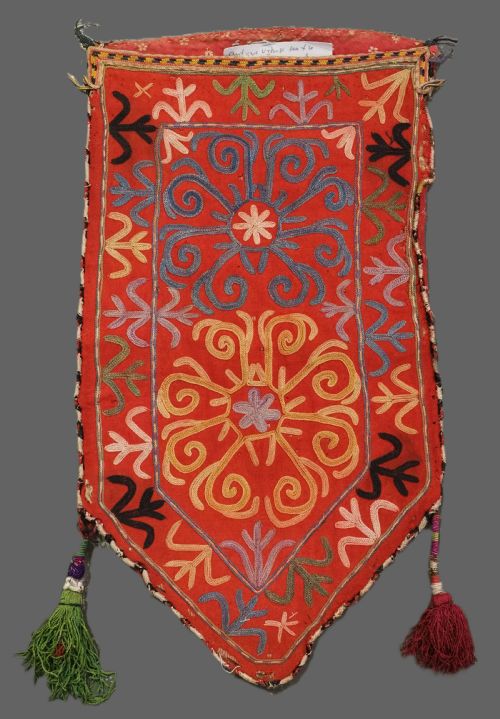
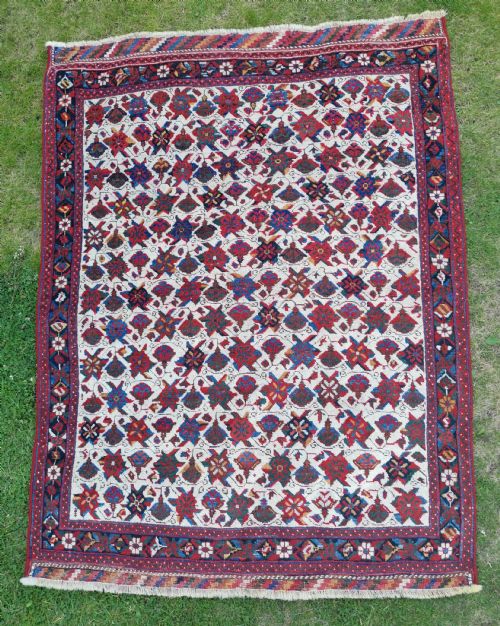
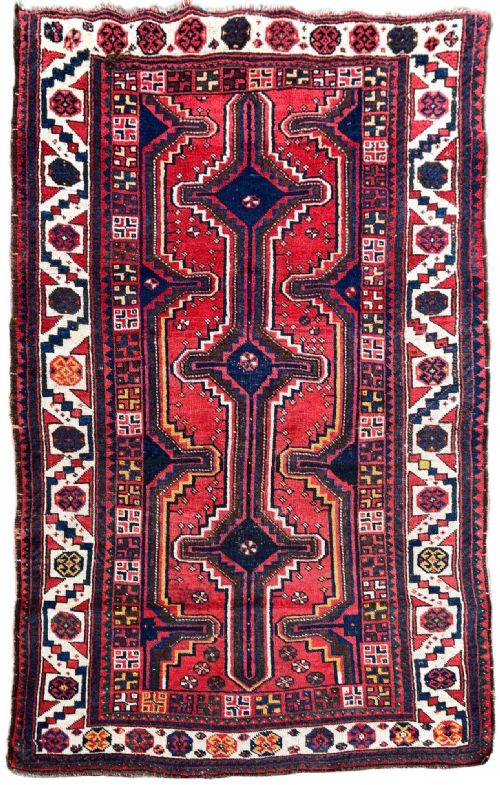
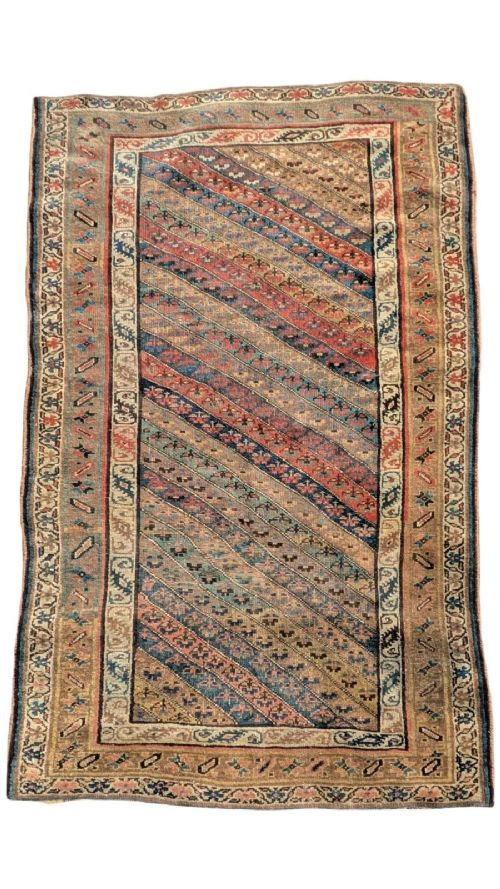
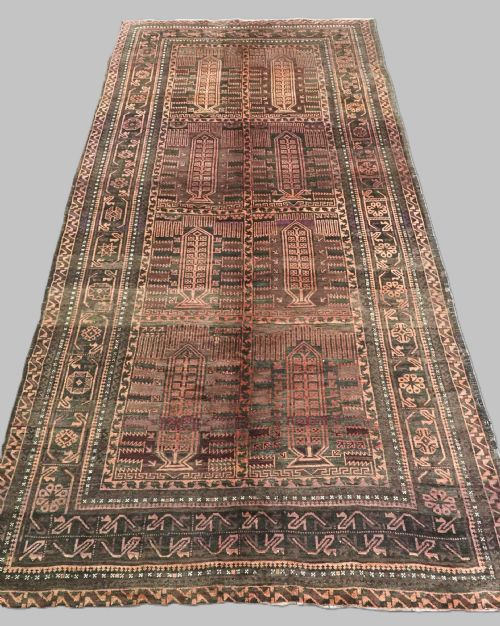
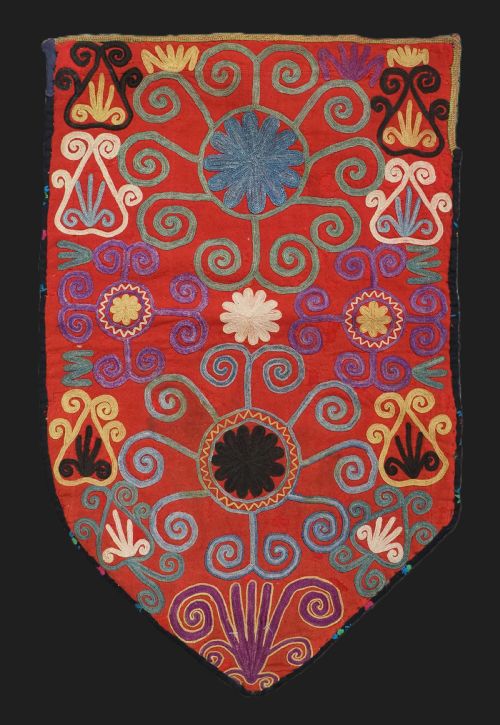
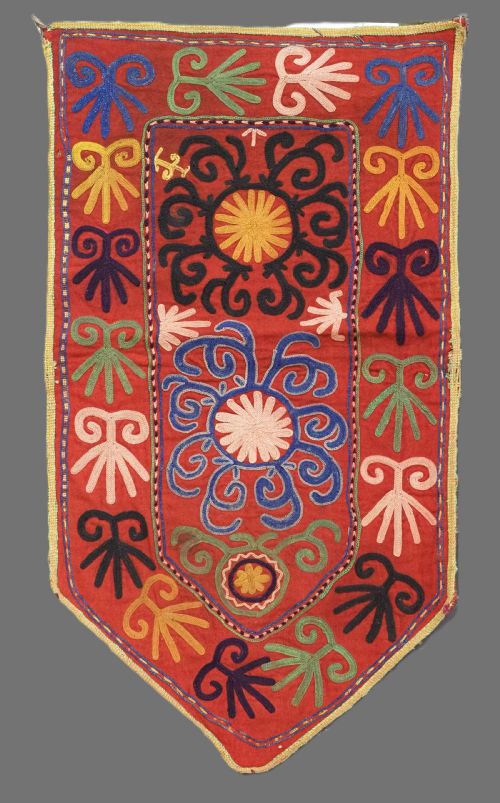
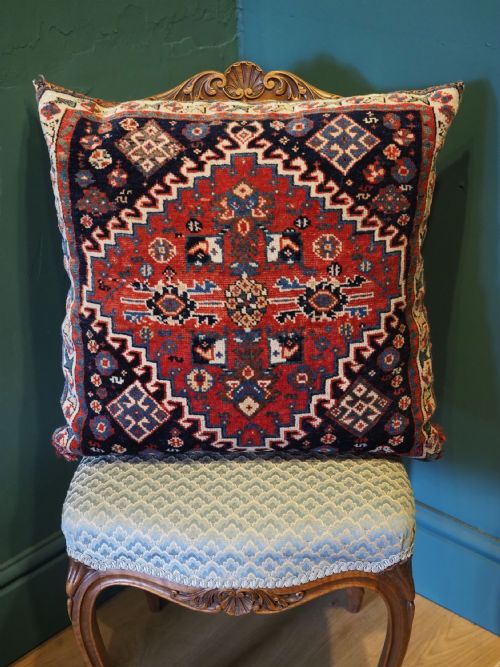
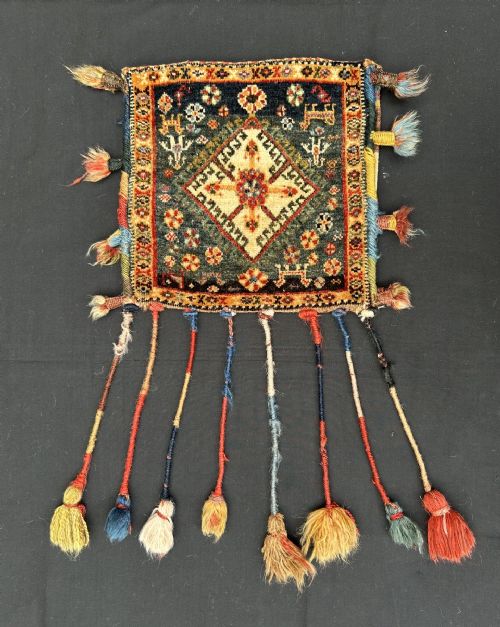
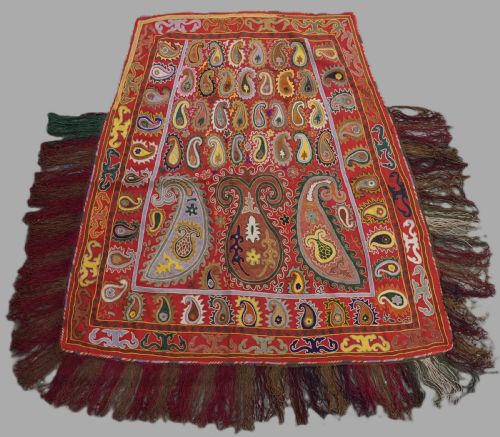
A vintage nomadic wool rug encompasses floor coverings, wall hangings, and functional bags created by tribal makers across Persia, Central Asia, and the Caucasus. These textiles emerge from cultures including the Afshar, Baluch, Khamseh, and Yomut Turkmen, reflecting distinct regional designs and utility.
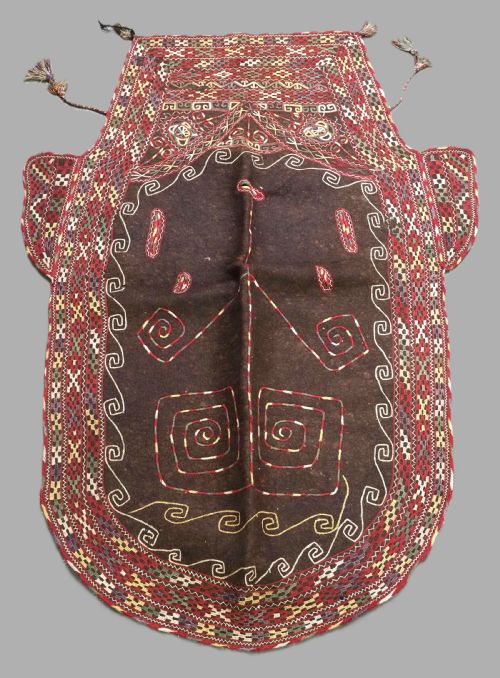
The selection ranges from large floor carpets to smaller utility pieces like saddle bags, salt bags, and ceremonial horse covers. Floor-sized rugs and smaller bagfaces dominate the variety, shaped by the mobile lifestyles of the weavers who produced them during the nineteenth and early twentieth centuries.
Materials and Construction
The foundational material across these textiles is wool, frequently hand-spun and paired with cotton foundations in certain regional types. Certain examples incorporate felted wool or silk elements, particularly in ceremonial horse blankets and specialised tribal bags.
Makers utilised natural dyes to colour the wool, producing deep tones that age gracefully over time. Hand-weaving techniques tie the pile securely to the warp and weft threads, while other items rely on intricate embroidery or flat-woven structures.
Current listings feature pieces spanning the nineteenth and early twentieth centuries, constructed from hand-spun wool, cotton, and natural dyes by nomadic groups.
Evaluating Quality
Quality rests in the tightness of the weave, the handling of the wool, and the depth of the natural dyes. Denser knots and finely spun wool provide greater resilience, allowing the textile to withstand generations of handling and use.
Design clarity and the integrity of the tribal motifs set superior examples apart. The precision in executing traditional patterns, alongside the preservation of original edges and tassels, determines the standing of a textile within its regional group.
The Vintage Nomadic Wool Rug Glossary
- Pile
- The upright loops or cut ends of yarn that form the soft surface of a rug. This layer absorbs foot traffic and showcases the primary patterns.
- Warp
- The vertical threads stretched lengthwise on the loom that carry the structural tension of the textile. Weft threads are interlaced across them.
- Natural Dyes
- Colourants derived from plants, insects, and minerals rather than synthetic compounds. They create nuanced shades that soften harmoniously with age.
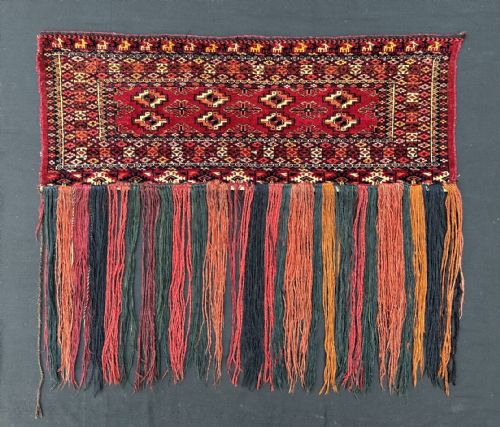
- Asmalyk
- A pentagonal trapping traditionally mounted on the flanks of a bride's camel during Turkmen wedding processions. These display intricate geometric ornament.
- Gapylyk
- A tent-door hanging produced by Turkmen tribes to decorate the entrance of a yurt. They feature specialised arched designs.
Vintage Nomadic Wool Rug: Frequently Asked Questions
How do I clean a wool rug?
Gentle surface brushing and professional dusting maintain wool fibres without disturbing the natural lanolin. Avoid harsh chemical immersion to protect the natural dyes.
Periodic professional washing by specialists in antique textiles ensures the weave remains intact and free from accumulated grit.
Can these rugs go on heated floors?
Wool naturally regulates temperature and tolerates moderate warmth from modern underfloor heating systems. Breathable underlays prevent heat entrapment and protect the natural fibres.
Ensure the floor is entirely dry before placing any textile down to prevent moisture accumulation beneath the weave.
How do I identify tribal origins?
Specific colour palettes, border motifs, and structural weaving habits point directly to particular groups like the Afshar or Yomut. Comparing knot direction and wool preparation reveals regional identities.
Reference literature detailing nineteenth-century tribal weaving helps link specific medallion structures to geographical provinces.
Are these rugs suitable for high traffic?
Hand-spun wool tightly knotted on sturdy foundations offers robust durability for everyday living spaces. Dense pile construction handles regular movement while maintaining its structural integrity.
Lighter ceremonial items or delicate embroideries are better suited to low-traffic areas or wall display to preserve their condition.