


Vintage Nautical Clock
These vintage nautical clock designs bring maritime history straight into a room, offering brass cases, fusee movements and heavy dials built for sea life.
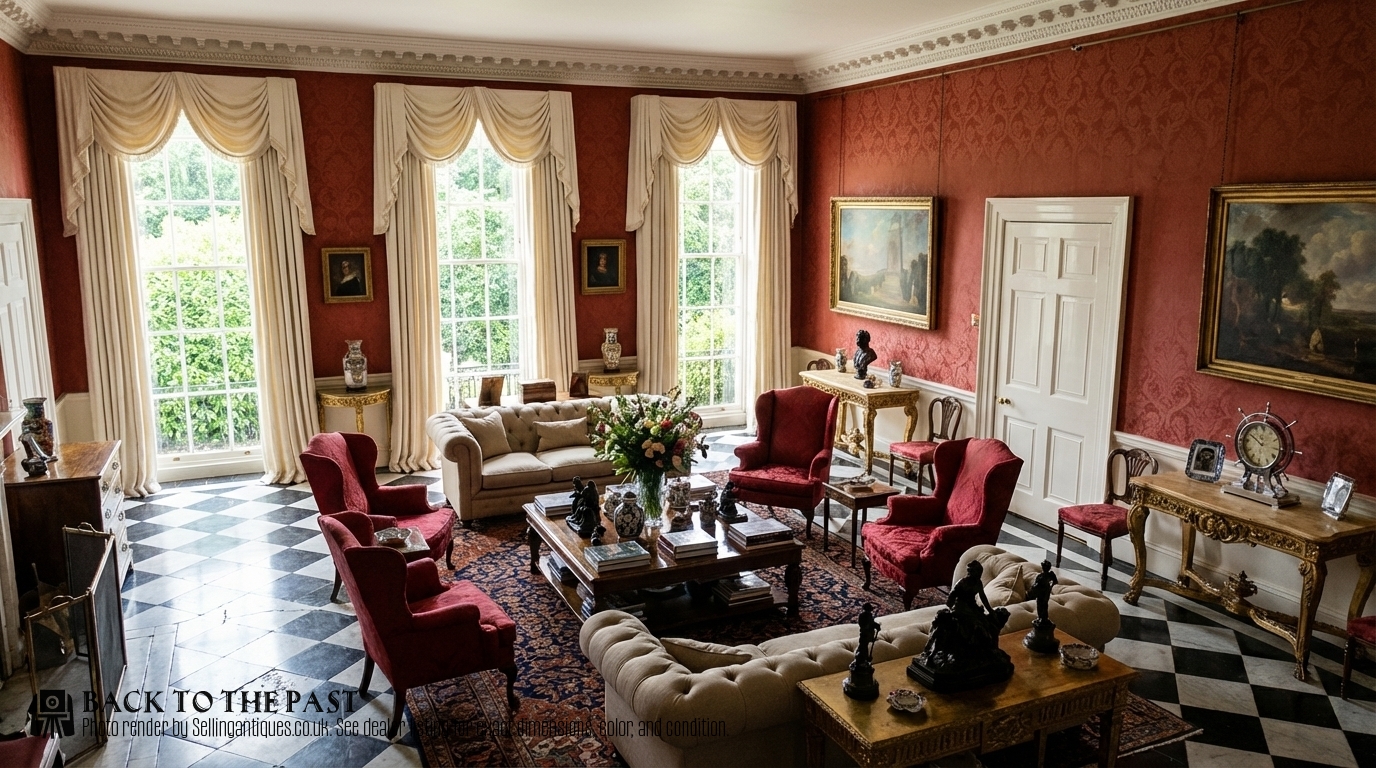
Vintage Nautical Clock
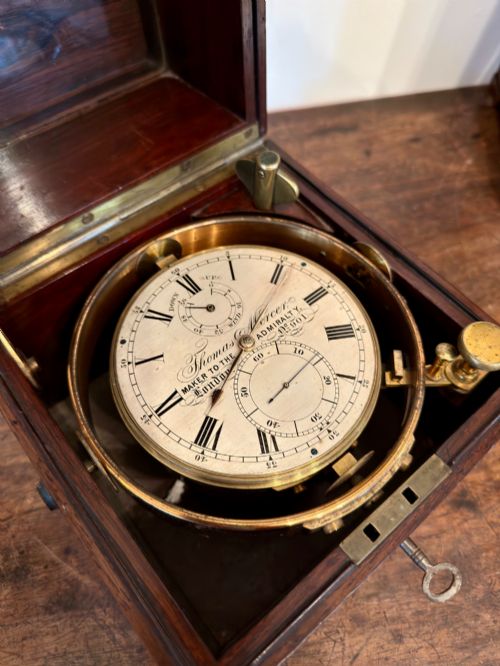
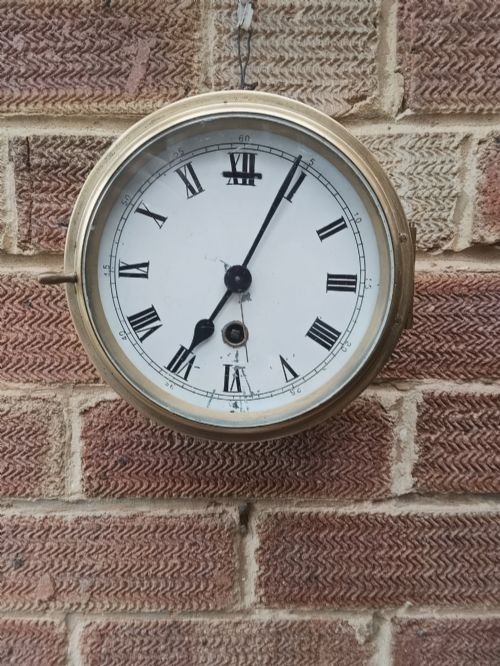
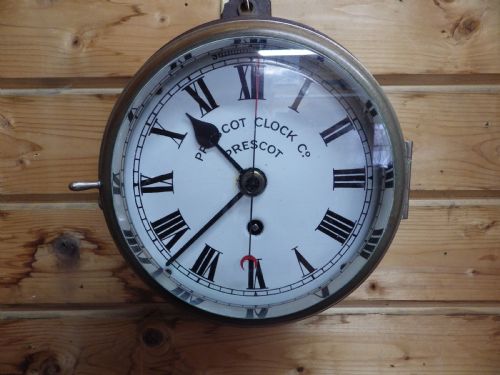
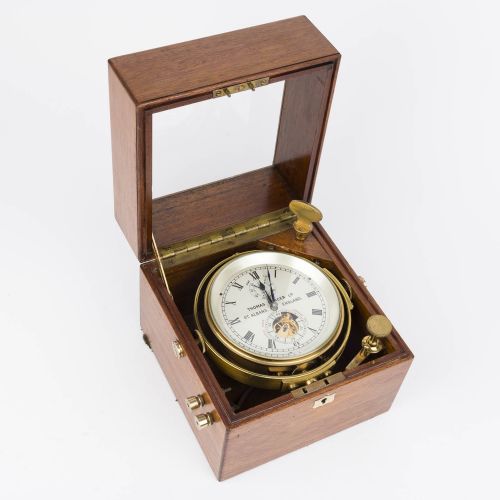
A vintage nautical clock functions primarily as a marine timekeeper designed for use aboard ships or styled after maritime instruments. These pieces range from bulkhead clocks and engine room variants to marine chronometers and mantel clocks housed in brass cases.
Buyers encounter items originating from the nineteenth century onward, including Victorian examples alongside later pieces from the nineteen-forties and nineteen-fifties. Wall clocks and heavy bulkhead models dominate the selection, often featuring prominent enamel dials and heavy brass surrounds.
The styles span maritime and industrial aesthetics, incorporating decorative elements such as ships' wheels and four-glass enclosures. Makers and retailers from London, Liverpool, and Cowes appear among the listings, alongside military-issued air ministry gear.
What varies in quality
Quality rests upon the precision of the movement, particularly whether the piece employs a traditional fusee mechanism or standard gear train. Maker attribution also drives distinction, with signed examples from noted chronometer makers commanding greater attention.
Materials and housing construction dictate the overall heft and durability of the piece. Heavy cast brass cases and intact silvered or enamel dials separate standard commercial clocks from high-precision instruments.
Vintage Nautical Clock Retail Price Guide 2026
Typical asking prices for vintage nautical clock among the pieces listed under this phrase on Sellingantiques today, from the lower quarter to the upper quarter. They describe what is for sale here now, not the wider market.
Listings feature clocks from the nineteenth century alongside nineteen-forties air ministry models, utilising brass, glass, mahogany, and chrome.
Mercer of London·Thomas Mercer·Litherland Davies Of Liverpool·Sestrel·Vitascope Isle Of Man·Kelvin White Hutton London·Smiths Empire·Gay Vicarino·Pascall Atkey Of Cowes
The Vintage Nautical Clock Glossary
- Fusee
- A conical pulley used in clockwork to equalize the driving force of the mainspring as it unwinds. This mechanism ensures consistent timekeeping across the power reserve.
- Bulkhead clock
- A sturdy timepiece designed to be mounted directly onto the wall or bulkhead of a ship. These usually feature heavy brass housings and secure bezel fastenings.
- Marine chronometer
- A highly accurate portable timekeeper used at sea for determining longitude. They are typically gimbal-mounted to remain level despite the rolling of a vessel.
- Four glass clock
- A mantel clock featuring glass panels on all four sides to expose the movement within. Often paired with decorative frames such as brass ships' wheels.
- Radio room clock
- A specialised clock featuring coloured segments on the dial. These markings indicate mandatory silent periods for listening to distress signals on specific radio frequencies.
Vintage Nautical Clock: Frequently Asked Questions
How do I mount a bulkhead clock?
Bulkhead clocks usually secure directly to a wall through screw holes integrated into the brass flange or heavy outer case. Ensure the fixings match the weight of the solid metal housing.
Take care to align the dial correctly before tightening the final screws so the twelve o'clock position sits plumb.
What is a fusee movement?
A fusee movement uses a conical drum and a cord or chain to regulate the pull of the mainspring. This ingenious device delivers even power to the escapement as the spring loses tension.
Clocks with this mechanism generally offer superior timekeeping and represent higher manufacturing quality.
How do I date a brass ship clock?
Dating relies on maker signatures, patent marks, dial styling, and case materials. Victorian examples often feature hand-engraved details and fusee chains, while mid-century models show industrial chrome or stamped brass.
Check for military markings or broad arrow stamps which indicate government service during specific decades.