

Vintage Music Rack
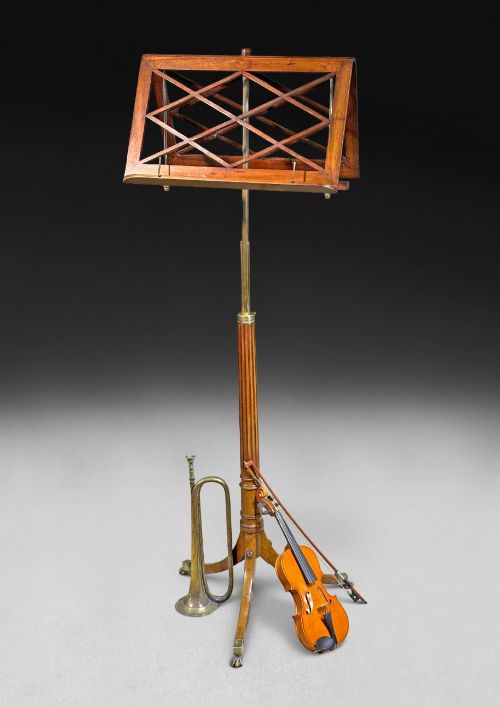
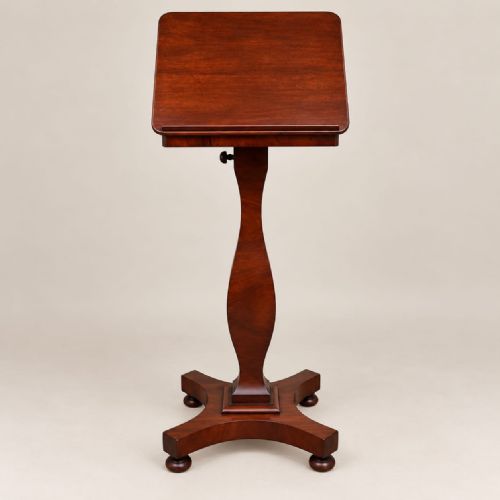
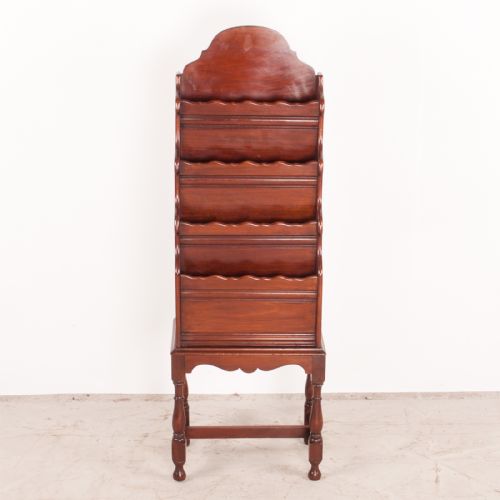
A vintage music rack provides a practical and handsome home for sheets, folios and periodicals.
How they were made
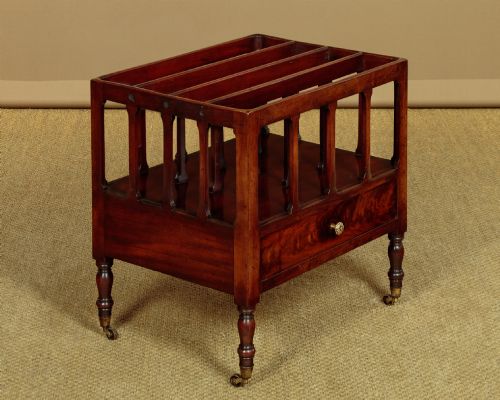
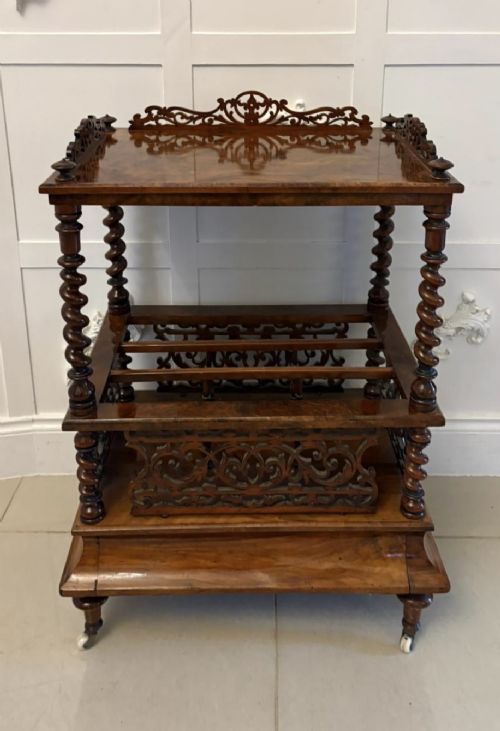
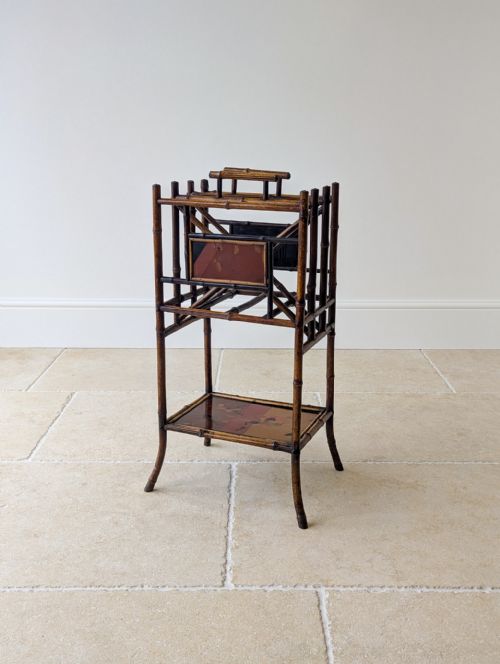
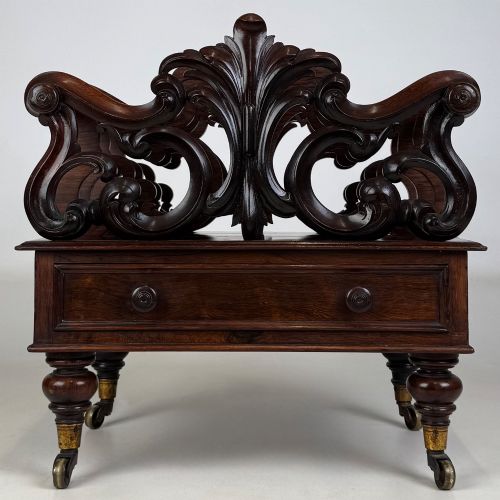
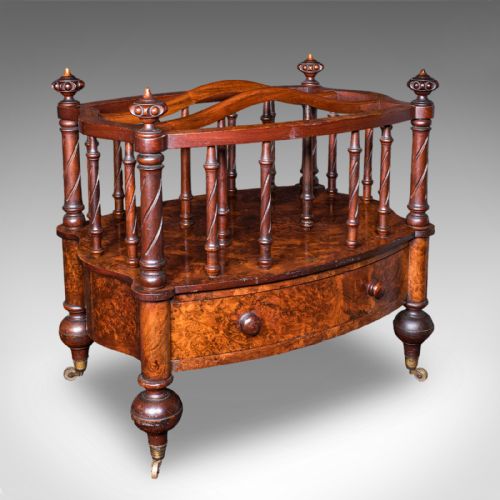
Cabinet makers utilised dense timbers such as mahogany, rosewood and burr walnut, often selecting figured veneers for top surfaces and drawer fronts. Bamboo also appears in late 19th-century examples, joined with lacquered bindings.
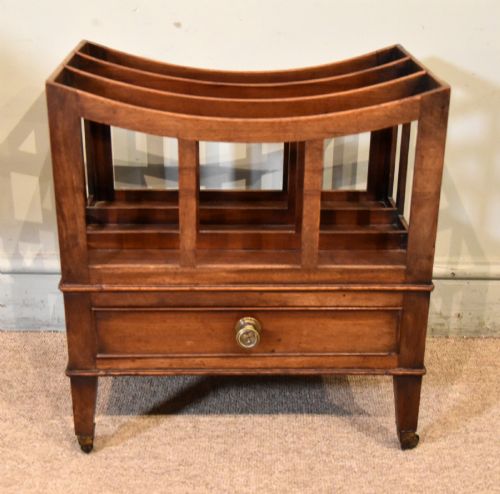
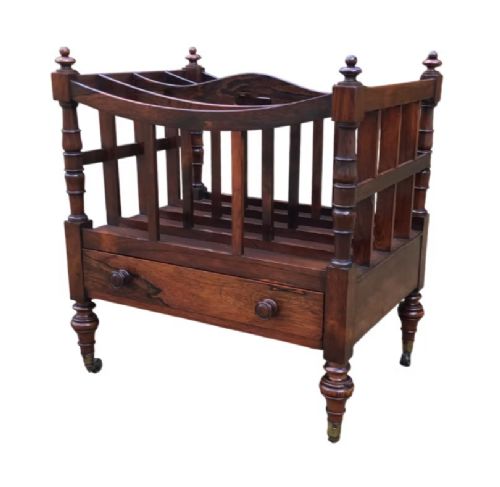
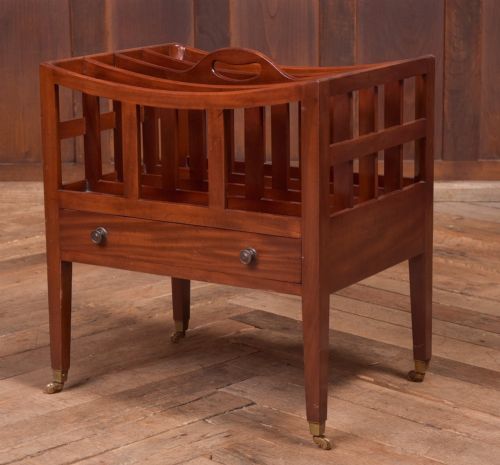
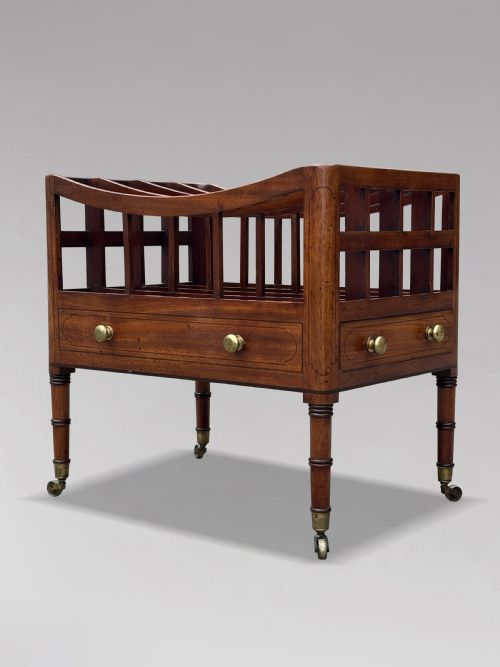
Construction methods include fine joinery for slatted partitions, turned legs fitted with brass castors, and occasional inlay work in lighter woods. Drawer linings and base boards show traditional hand-cut dovetailing on Georgian and Regency pieces.
What varies in quality
Quality rests upon the selection of timber grain, the crispness of turned members, and the integrity of the original joints and castors. Dense Cuban mahogany and richly figured rosewood or burr walnut distinguish the finer examples from simpler country house pieces.
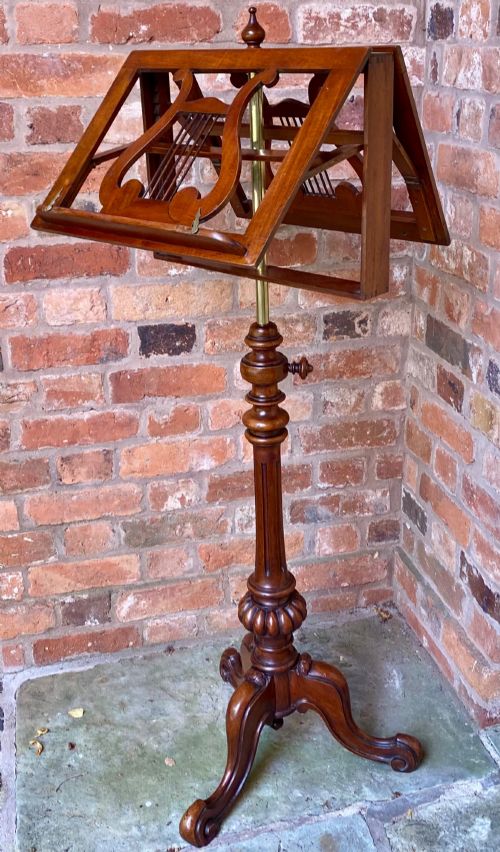
The refinement of the partitions, whether lyre-shaped or simply slatted, and the presence of drawers with finely dovetailed construction indicate the skill invested in the piece.
Vintage Music Rack Retail Price Guide 2026
Typical asking prices for vintage music rack among the pieces listed under this phrase on Sellingantiques today, from the lower quarter to the upper quarter. They describe what is for sale here now, not the wider market.
The Vintage Music Rack Glossary
- Canterbury
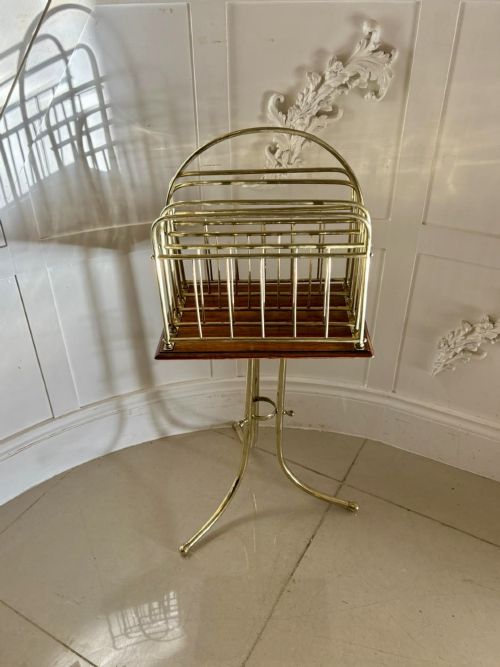
- A low stand with slatted partitions, originally used for holding sheet music and later for newspapers and magazines. It frequently includes a low drawer beneath the main compartments.
- Regency
- A style spanning the early 19th century, characterised by classical restraint, elegant turned legs, and rich rosewood or mahogany timbers.
- Aesthetic Movement
- A late 19th-century style emphasising visual beauty, visible in bamboo constructions and Japanese-influenced designs.
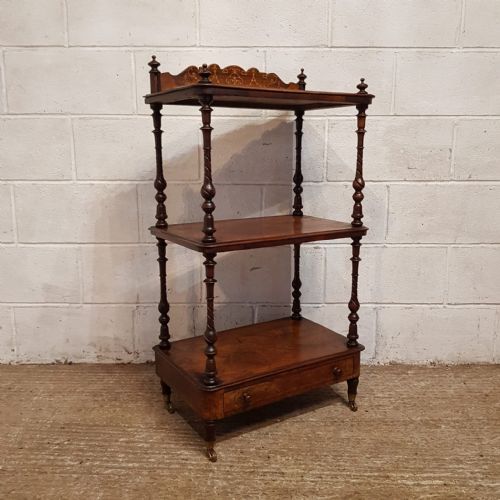
- Whatnot
- An open set of shelves used for displaying or holding small items, sometimes associated with music storage.
- Lyre-shaped
- A decorative form shaped like an ancient Greek lyre, often utilised in the upright partitions of music stands and canterburys.
Vintage Music Rack: Frequently Asked Questions
What is a Canterbury used for?
A Canterbury is a low stand originally designed to hold sheet music near a piano or instrument. Over time, many found a second life keeping newspapers and magazines tidy in the sitting room.
Today, they serve the exact same purpose while adding period character to a room. Their compartmentalised bases keep tall items upright and orderly.
How do I date a music rack?
Dating relies on timber choice, construction methods and stylistic details. Georgian and Regency pieces often feature dense mahogany or rosewood with fine turning and brass castors.
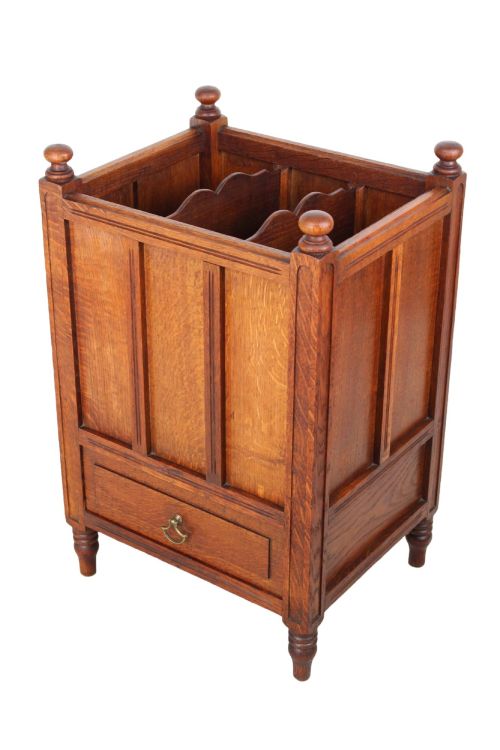
Victorian examples bring in burr walnut veneers and exotic bamboo, while Edwardian pieces often use lighter oak or simpler mahogany frames. Drawer construction also changes from hand-cut dovetails to later machine methods.
Are music racks sturdy enough for modern magazines?
Most pieces are built from solid hardwoods like mahogany and rosewood, making them robust enough for daily use. Their original purpose of holding heavy folios of sheet music means they easily manage modern periodicals.
Care should be taken with antique castors on hard floors, and one should avoid overloading delicate bamboo frames from the late 19th century.
What is the difference between a music stand and a Canterbury?
A music stand typically holds an open score at a readable height for a musician playing an instrument. A Canterbury sits lower to the floor and provides vertical compartments for storing multiple pieces of music or publications.
Some hybrid pieces combine a music rack surface with storage compartments underneath, blending the functions of both forms.