

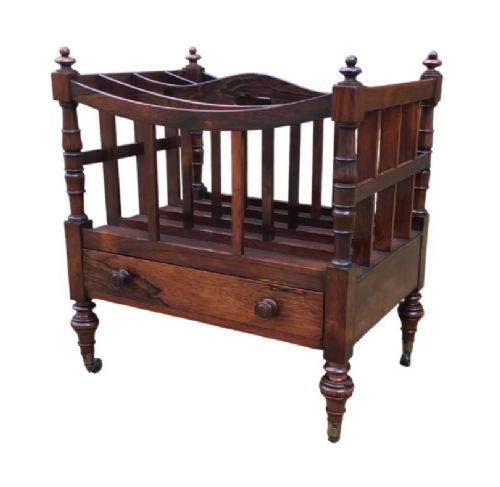


Nineteenth Century Music Stand
A nineteenth century music stand is a dedicated timber or brass support designed for scores and folios, prized for both practical sheet placement and period decorative presence.
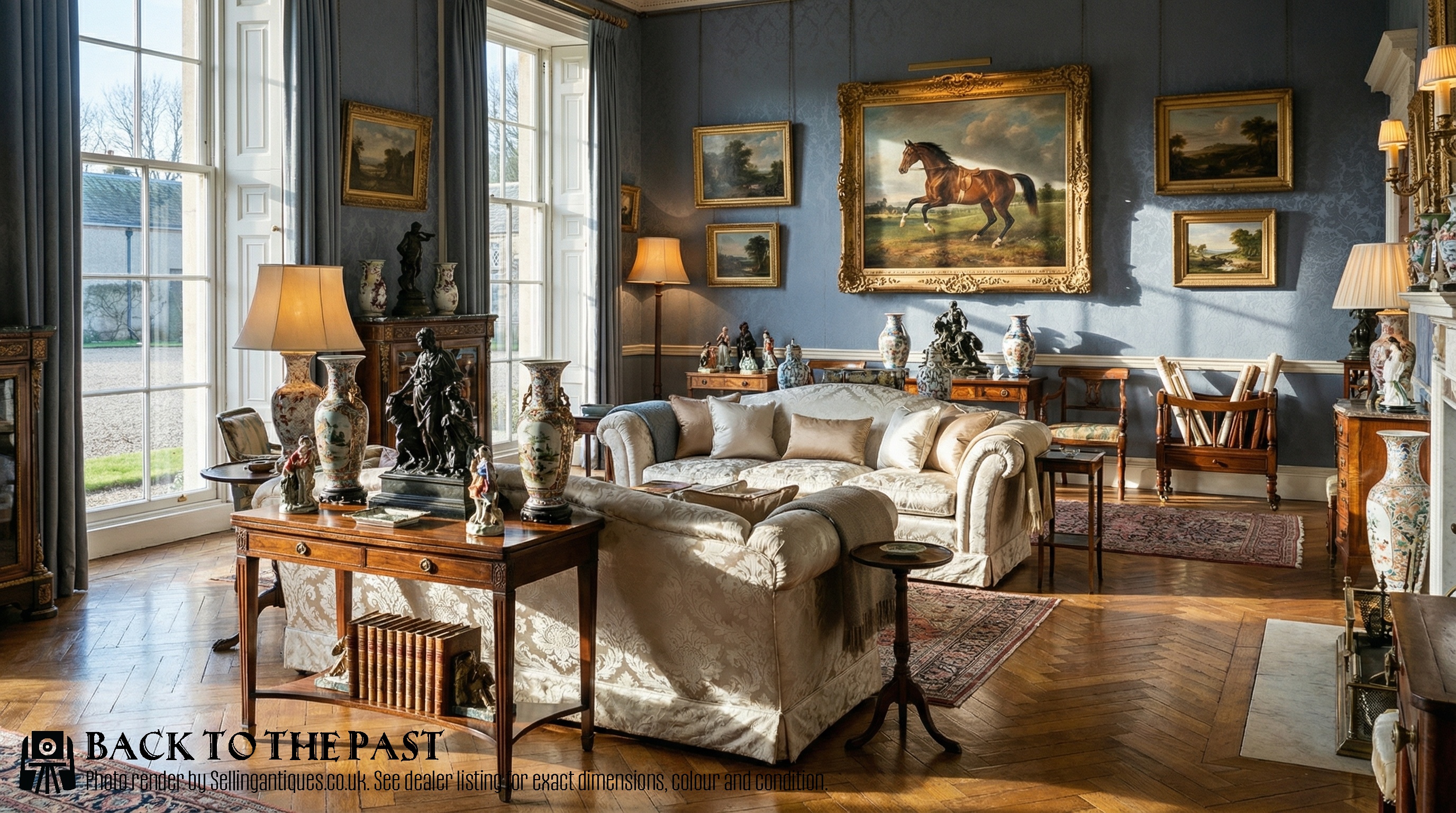
Nineteenth Century Music Stand
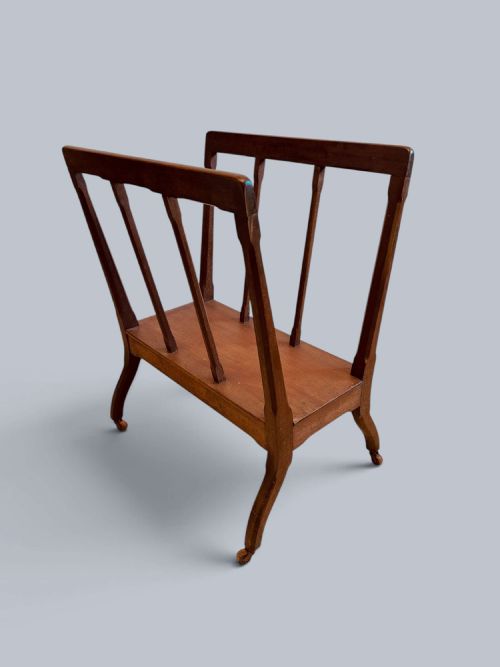
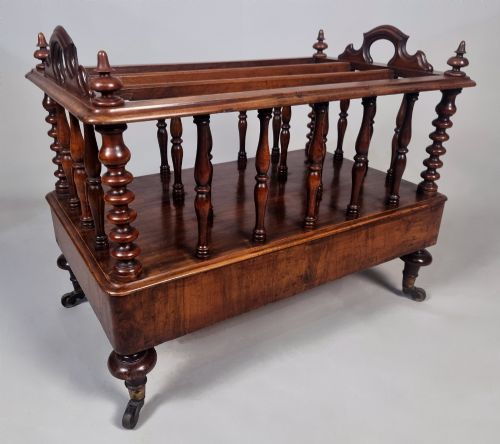
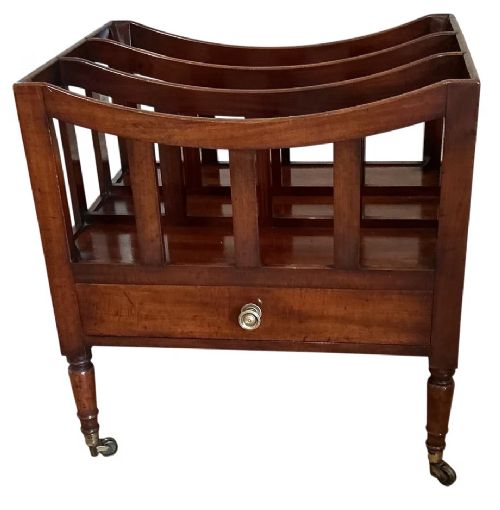
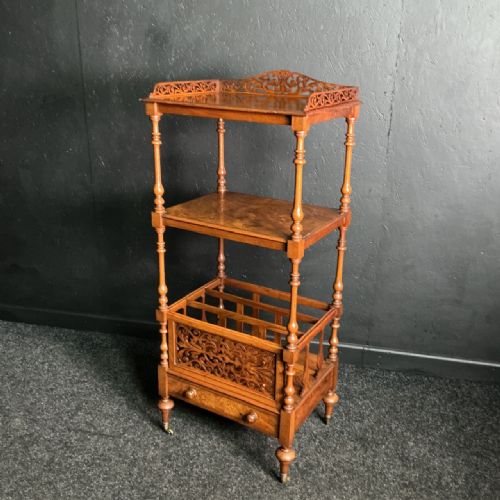
A nineteenth century music stand covers a diverse range of adjustable reading tables, canterburys, duet stands, and cabinets designed for holding scores and folios in the home. You will frequently encounter forms in mahogany, rosewood, and walnut spanning the Regency, William IV, and Victorian periods.
The selection ranges from simple X-frame and division canterburys to elaborate inlaid duet music stands and musical automata. Pieces originate across the nineteenth century, including specific dates from 1800 through the 1880s.
Buyers seeking a nineteenth century music stand often select pieces that double as magazine racks or occasional tables, reflecting the multipurpose utility common in period domestic interiors.
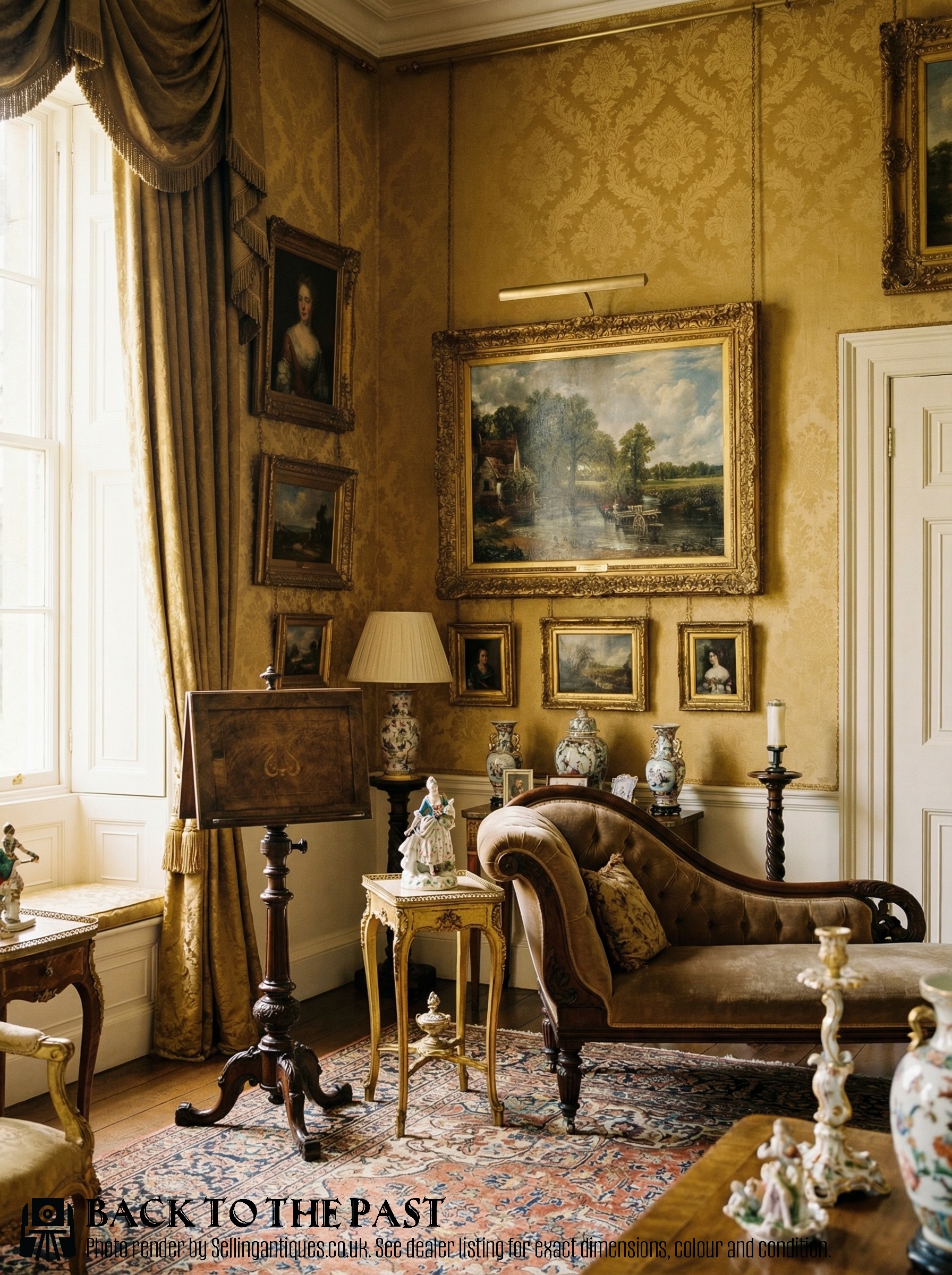
Distinctions in craftsmanship
Quality separates simple utility items from pieces showing sophisticated joinery, such as finely carved supports, balanced multi-division frameworks, and precise marquetry inlay. The integration of mechanical adjustments for height and angle reveals the skill of the original workshop.
Choice of timber heavily influences the character of a piece, with figured burr walnut and richly grained rosewood representing the upper tier of nineteenth century production compared to plain mahogany.
Nineteenth Century Music Stand Retail Price Guide 2026
Typical asking prices for nineteenth century music stand among the pieces listed under this phrase on Sellingantiques today, from the lower quarter to the upper quarter. They describe what is for sale here now, not the wider market.
Period styles span Regency, William IV, and Victorian, with object forms ranging from music boxes to folio cabinets and canterburys.
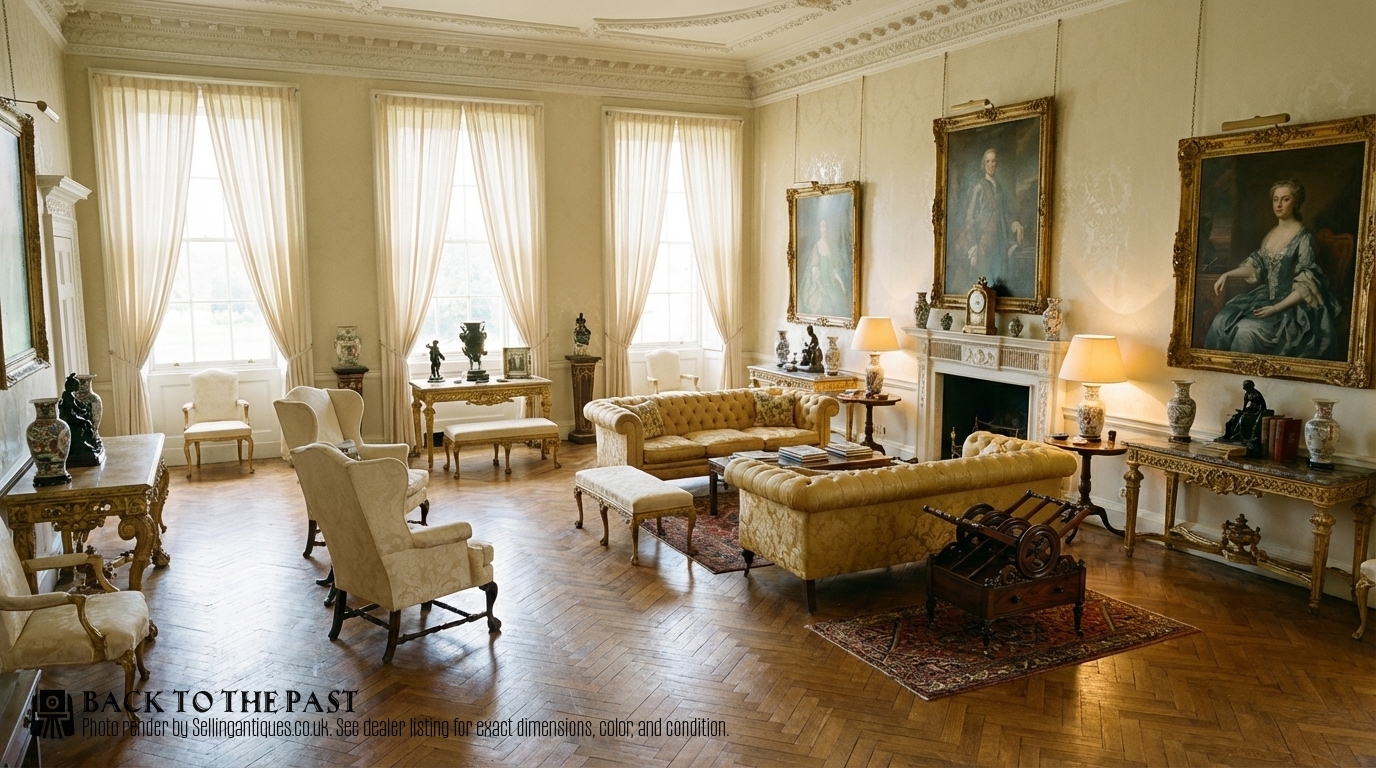
Edwards and Roberts·Gillows of Lancaster·Lochmanns
The Nineteenth Century Music Stand Glossary
- Canterbury
- A low stand with divisions for sheet music, magazines, or newspapers, often featuring a drawer below and carrying handles. This form was widely produced throughout the Regency and Victorian eras.
- Duet stand
- A music stand designed to hold two open scores simultaneously so two musicians can play together. These often feature double reading ledges and adjustable brass mechanisms.
- Folio cabinet
- A tall cabinet specifically built for storing large paper sheets, prints, and music folios flat or upright. They utilise fitted internal shelving behind panelled or glazed doors.
- Inlay
- The technique of embedding pieces of contrasting wood, metal, or shell into a solid timber surface to create decorative patterns. Burr walnut variants frequently display this detailed ornamentation.
- X-frame
- A structural support formed by two intersecting diagonal members creating an X shape. This configuration appears frequently on nineteenth century canterburys and music stands for added stability.
Nineteenth Century Music Stand: Frequently Asked Questions
How were music stands used originally?
Musicians placed scores upon them in parlours and drawing rooms to keep compositions upright and legible during piano or vocal practice. Canterburys kept working repertoires organised near instruments.
They also served as reading desks for books and newspapers, doubling as occasional tables in domestic spaces.
Where should I place a music stand?
Position your stand near a piano, in a study, or as an accent piece in a living room where it can hold books or display open folios. Adjustable versions function well beside seating areas as reading surfaces.
Keep timber pieces away from direct heat sources and strong sunlight to protect the polished wood finishes.
How do I distinguish between periods?
Regency pieces often exhibit clean lines, classical proportions, and boat-shaped or X-frame configurations in mahogany and rosewood. Victorian examples tend to feature heavier proportions, burr walnut veneers, and detailed marquetry inlay.
William IV items sit between these styles, typically showing robust turned legs and carved rosewood details.