


Vintage Monochrome Wall Art
Vintage monochrome wall art brings together centuries of ink, paper and engraving, offering striking tonal contrast and historical depth for any room.
Vintage Monochrome Wall Art
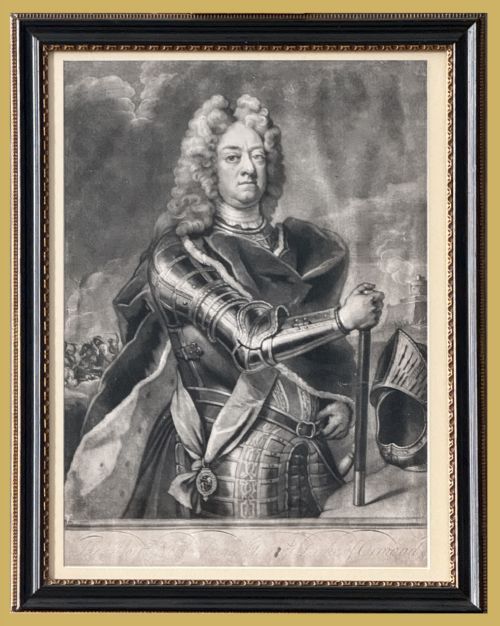
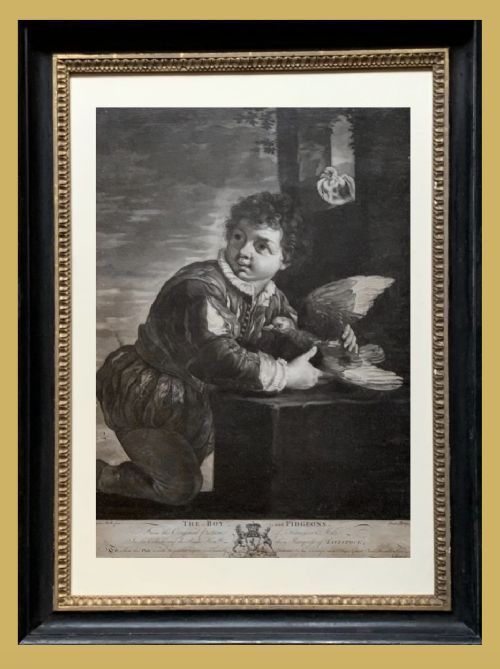
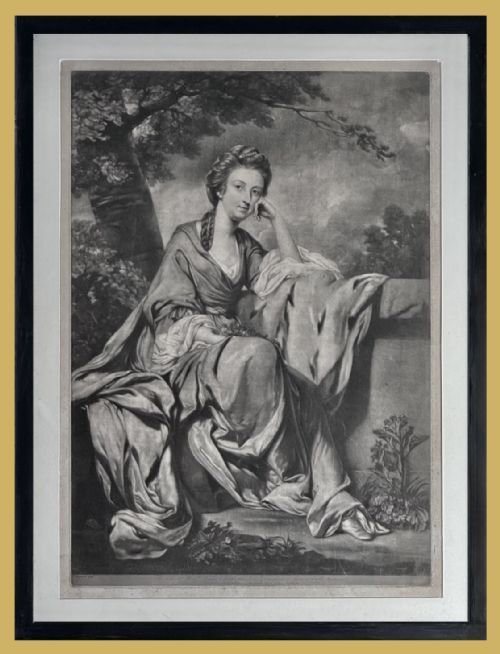
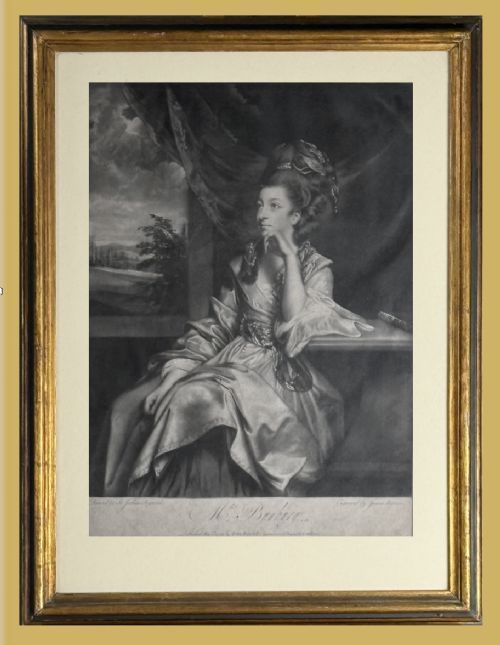
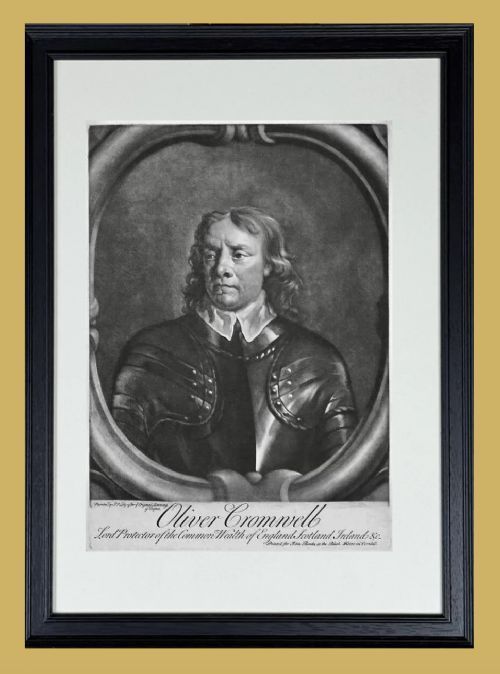
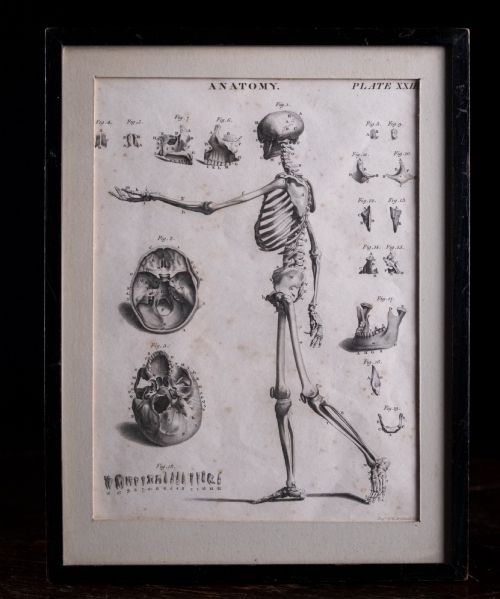
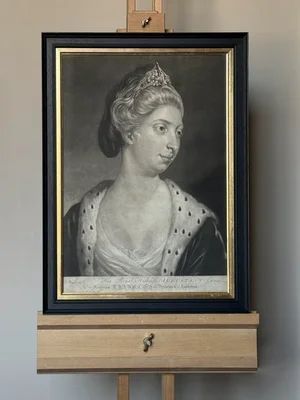
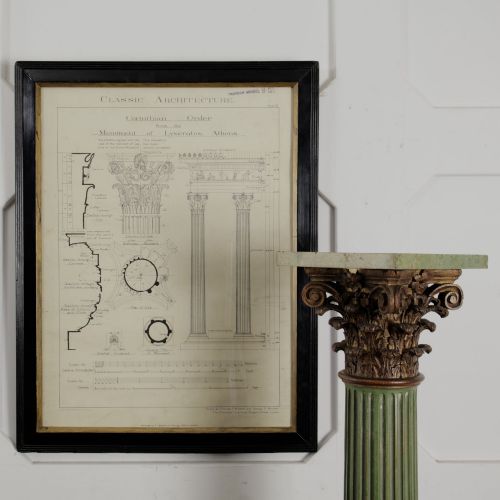
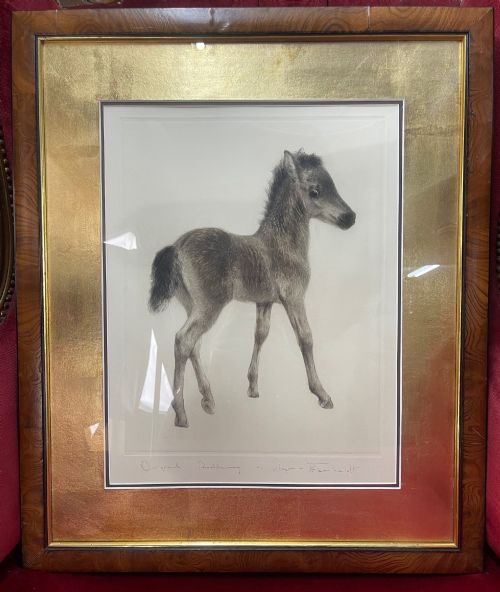
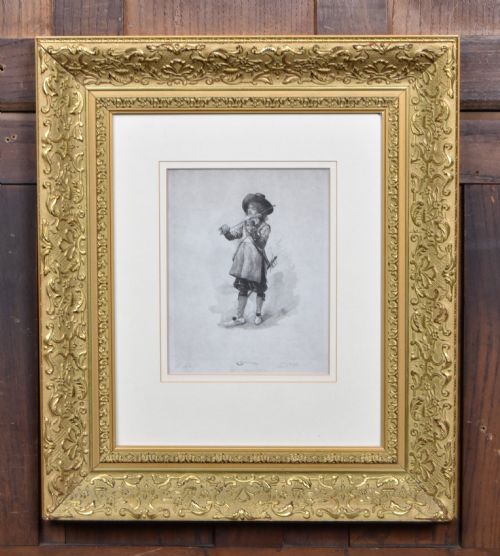
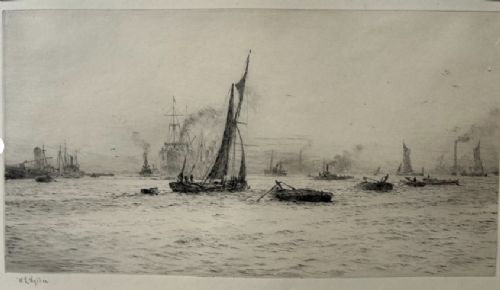
Vintage monochrome wall art encompasses a wide array of historical prints, engravings, drawings and paintings that rely on a single colour palette of black, white, grey or sepia tones. Buyers searching this category frequently encounter eighteenth-century mezzotint portraits, nineteenth-century architectural and scene engravings, and early twentieth-century etchings.
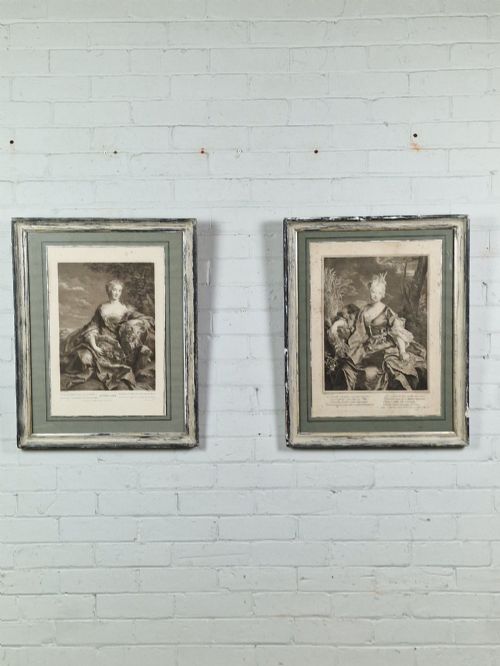
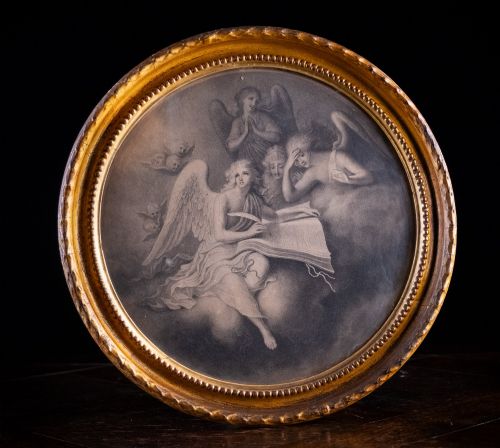
The selection ranges from classical portraiture and allegorical scenes to botanical plates and architectural studies housed within period frames of wood and glass. Pieces span multiple eras from the seventeenth century through to the mid-twentieth century, capturing shifts in graphic techniques and artistic tastes over hundreds of years.
Materials and Techniques
Works in this category rely primarily on paper, canvas and wood supports combined with ink, graphite, charcoal, watercolour and occasionally gold leaf. Printmakers utilised copper plates for detailed engravings and mezzotints, applying pressure to transfer fine lines and velvety tonal gradations onto paper.
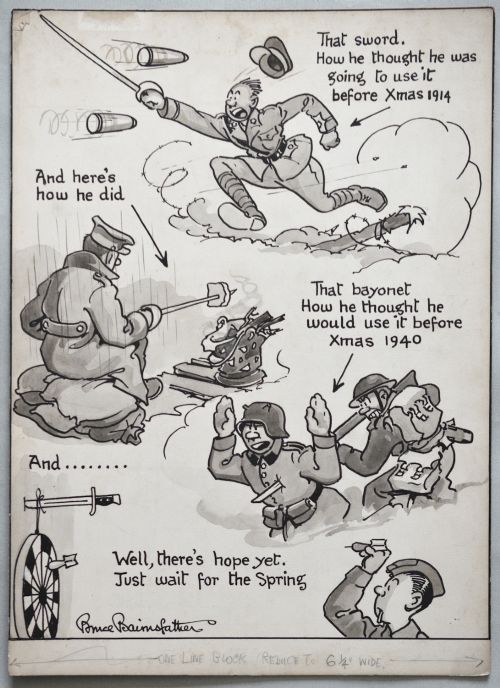
Draftsmen and artists employed pen and ink, wash, gouache and tempera to build depth in original drawings and paintings. Protective framing historically involved glass panes paired with timber mouldings, including oak and traditional Hogarth frames.
Listings feature works spanning from the seventeenth century through to the 1960s, employing ink, paper, canvas and gold leaf.
Assessing Quality and Execution
Quality in these works rests upon the clarity of the impression and the skill of the original printmaker or artist in rendering subtle tonal gradients. Mezzotints and etchings pulled early in an edition display sharper contrasts and finer detail than those printed from worn plates.
The sophistication of the composition and the provenance of the execution separate standard decorative prints from works by master engravers and recognised artists. Preservation of the paper support and the integrity of early framing also influence the overall character of the piece.
John Simon·John Boydell·Sir Joshua Reynolds·Bruce Bairnsfather·Herbert Dicksee·William Lionel Wyllie
The Vintage Monochrome Wall Art Glossary
- Mezzotint
- A printmaking process where the copper plate is roughened to produce rich dark tones, then scraped and smoothed to create lighter areas.
- Etching
- A technique where lines are bitten into a metal plate with acid before ink is applied and transferred to paper.
- Engraving
- A method of cutting design lines directly into a metal plate using a sharp tool called a burin.
- Grisaille
- A painting executed entirely in monochrome shades of grey, neutral grey, or other single colour.
- Drypoint
- A printmaking needle scratching directly into metal to raise a rough ridge of metal that holds ink for a velvety line.
Vintage Monochrome Wall Art: Frequently Asked Questions
How do I care for antique monochrome art?
Keep works on paper and canvas away from direct sunlight to prevent fading of the ink and yellowing of the support. Maintain stable indoor humidity levels to protect both the paper and the original wooden frames.
Ensure pieces are securely hung using appropriate hardware suited to the weight of the timber frame and glass. Avoid hanging them in damp environments such as kitchens or unventilated spaces.
Are these pieces original works or reproductions?
The inventory includes period engravings, etchings, mezzotints and original drawings created during their respective eras. Each technique carries distinct physical characteristics such as plate impressions and ink texture.
Reviewing the listed production method and period details helps determine whether a piece is an antique original impression or a later printing.
What framing styles accompany these works?
Many pieces retain their original or period-appropriate framing, including traditional dark wood mouldings, oak frames, and Hogarth frames. These surrounds complement the tonal nature of the artwork.
Some items may be unframed or mounted on canvas, allowing buyers to select custom framing that suits their interior aesthetic.
How can I tell the period of a print?
Dating relies on stylistic markers within the imagery, the type of paper used, and the printing technology characteristic of specific centuries. Biographical dates of the sitters, artists and engravers provide a firm baseline.
Examining the back of the frame, paper ageing, and plate marks further assists in identifying the era of production.