






Early Victorian Landscape
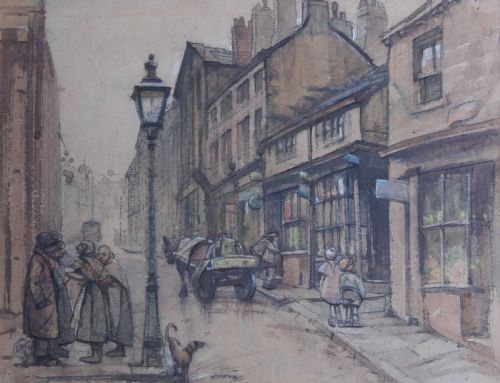
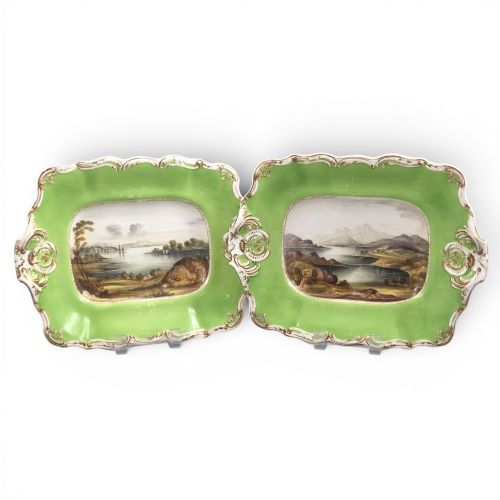
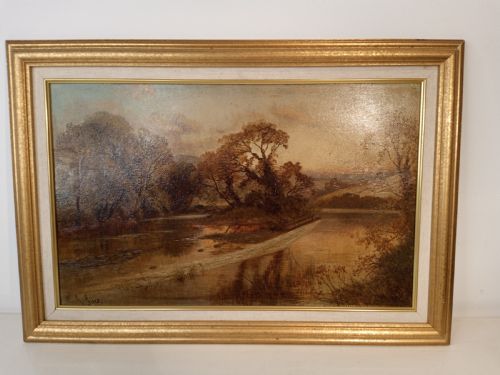
These early victorian landscape pieces capture picturesque vistas and rural scenes, offering an evocative window into nineteenth-century topographical art.
Early Victorian Landscape
An early victorian landscape typically presents painted or printed depictions of rivers, rural architecture, and coastal settings from the mid-nineteenth century. Buyers searching this phrase encounter oil paintings, watercolours, prints, and decorated ceramics bearing scenic views.
The selection ranges from architectural oil paintings and riverside watercolours to transfer-printed serving dishes and papier-mâché trays featuring topographical subjects. Most examples date from the nineteenth century, reflecting the period's fascination with domestic scenery and picturesque travel.
Materials and Methods
Artists painted these subjects using oil on canvas, watercolour on paper, and lithographic print techniques. Ceramic pieces utilised transfer printing onto earthenware and porcelain bodies to render detailed monochrome views.
Early Victorian Landscape Retail Price Guide 2026
Typical asking prices for early victorian landscape among the pieces listed under this phrase on Sellingantiques today, from the lower quarter to the upper quarter. They describe what is for sale here now, not the wider market.
Listings for this phrase include works executed in oil on canvas, watercolour, lithography, and transfer-printed earthenware.
Assessing Quality
Quality rests upon the precision of the draughtsmanship and the sensitivity of the colour palette, distinguishing competent studio work from standard commercial production. Finer oil paintings and watercolours display confident brushwork and atmospheric depth.
The crispness of transfer printing on ceramics and the preservation of original surfaces also determine distinction. Pieces retaining their early frames or specific maker attributions command greater interest among collectors.
Lewis J Wood·John Syer junior·Jennens & Bettridge·William Mark Fisher·Copeland & Garrett
The Early Victorian Landscape Glossary
- Watercolour
- A painting method where fine pigment is suspended in a water-based, translucent solution. Artists applied these washes onto paper to achieve delicate atmospheric effects in rural and river views.
- Lithograph
- A planographic printing process based on the chemical repulsion of oil and water. Publishers utilised this technique to produce detailed topographical prints for a wider audience.
- Papier-mâché
- A composite material consisting of paper pulp or sheets of paper mixed with glue and resin. Manufacturers moulded this substance into trays and decorative objects before painting them with landscapes.
- Transfer Print
- A method of decorating ceramics by pulling a design from an engraved copper plate onto tissue paper and pressing it onto the glaze. This allowed factories to apply intricate landscape scenes onto platters and dishes with uniform precision.
- Sepia
- A brown pigment derived from the ink sac of the cuttlefish. Artists used this monochrome tone to create atmospheric landscape studies.
Early Victorian Landscape: Frequently Asked Questions
What defines an early victorian landscape?
These works encompass painted, printed, or ceramic depictions of scenery produced around the mid-nineteenth century. They reflect contemporary British interest in local topography, picturesque rivers, and rural architecture.
Subjects range from intimate watercolours of Norwich and Norfolk to expansive oil paintings of maritime scenes and architectural views. Each piece records the landscape through the prevailing artistic conventions of the era.
How were landscape paintings displayed?
Period artworks typically hung framed upon interior walls, serving as focal points within nineteenth-century domestic spaces. Oil paintings on canvas required robust wooden frames, sometimes accented with gold leaf.
Smaller watercolours and sepia studies often sat behind glass to protect the paper from dust and light exposure. Their scale suited parlour rooms and private studies of the period.
How do I care for a watercolour landscape?
Keep works on paper away from direct sunlight to prevent the pigments and watercolours from fading over time. Maintaining stable indoor humidity protects both the paper support and the delicate wash techniques.
Ensure that glazed frames remain properly sealed to prevent dust and moisture ingress. Professional framing using acid-free materials helps preserve the paper for the future.
Were these scenes painted outdoors?
Artists often sketched motifs directly from nature during field trips before completing the final composition within a studio. Portable watercolours and paper sheets facilitated this direct observation of rivers, trees, and architectural views.
Oil paintings likewise developed from initial field studies, allowing painters to capture changing light conditions before executing the finished canvas indoors.