


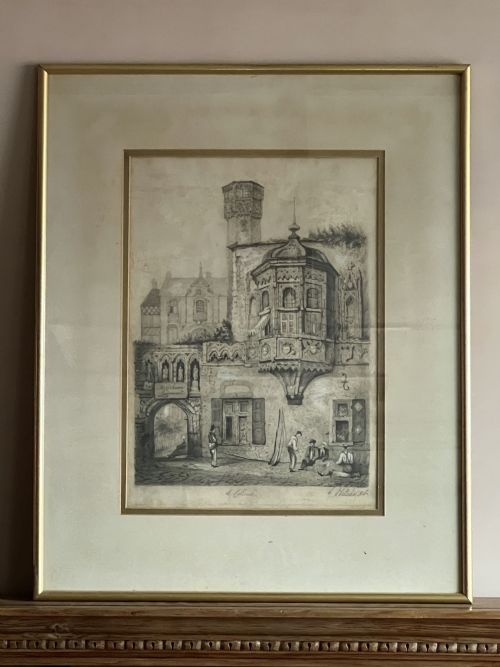


Sepia Monochrome Drawing
When you search for sepia monochrome drawing, you are looking at works defined by restrained palettes of brown ink, wash and graphite.
Sepia Monochrome Drawing
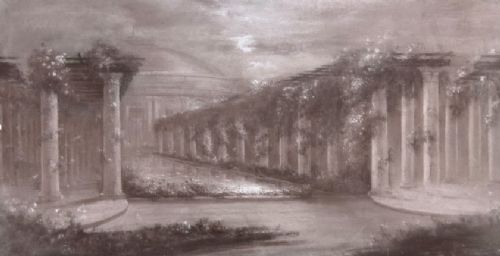
A sepia monochrome drawing on this page presents imagery executed primarily in single-colour brown tones, ranging from delicate historical sketches to mid-twentieth-century compositions. You will encounter original works on paper spanning the eighteenth century through to the modern era, encompassing landscape, portraiture and architectural studies.
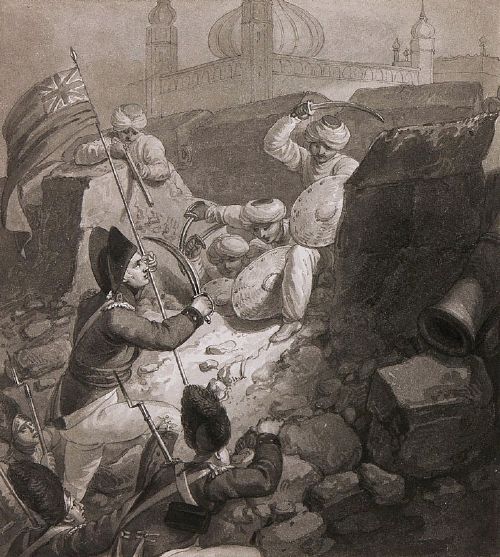
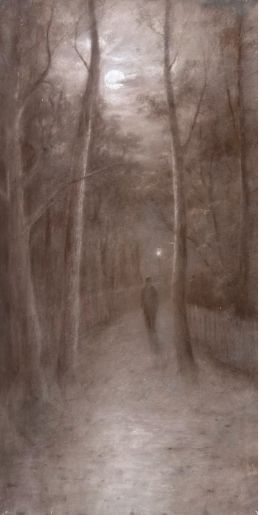
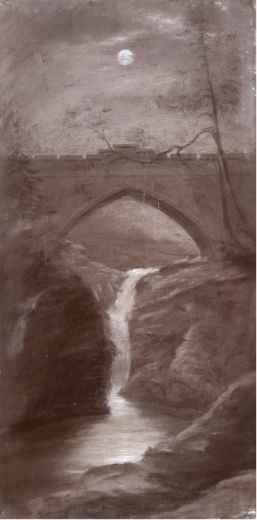
The selection frequently includes framed original artwork and historical prints originating from British and continental European makers. Pieces extend from early nineteenth-century topographical views and military battle scenes to atmospheric nocturnes executed in charcoal and wash.
Buyers seeking these works find themselves drawn to the tonal depth achieved through ink, wash and graphite media. The physical presentation relies heavily on period framing under glass, preserving delicate paper and canvas supports.
Materials and technique
Artists create these works using ink, charcoal, graphite and wash applied to paper or canvas supports, often combining media such as pencil and watercolour to build tonal gradation. The application relies on precise pen work, freehand sketching or broad washes of brown pigment to establish light and shadow.
Support materials range from fine handmade paper to canvas stretched over wooden frames, occasionally featuring period glass protection. These foundational elements determine the physical stability and visual texture of each piece.
Listings feature works spanning the eighteenth to the twentieth centuries, utilising paper, canvas, ink, charcoal and wash.
Assessing quality
Quality rests upon the sureness of the draughtsmanship and the subtlety of the tonal range achieved within a restricted palette. Superior examples demonstrate confident handling of wash and line, capturing form and atmosphere without relying on heavy colour.
The preservation of the paper or canvas support and the integrity of the framing contribute significantly to a piece's standing. Strong works exhibit clear provenance, directness of execution and well-preserved media stability over time.
William Marshall Craig·C. Lainé·Sir Francis Leggatt Chantrey·Amos Green·Owen Bowen·Fred Lawson·Dr Thomas Monro·Thomas Lound
The Sepia Monochrome Drawing Glossary
- Monochrome
- Executed in a single colour or shades of a single colour. In these pieces, the palette is typically restricted to brown sepia tones.
- Wash
- A thin, transparent layer of diluted ink or watercolour applied with a brush. It creates smooth areas of tone and shadow in topographical and landscape studies.
- Charcoal
- A form of dry carbonised organic material used for drawing. It produces dark, velvety lines and deep shadows, as seen in tonalist and academic studies.
- Graphite
- A crystalline form of carbon used in pencils for sketching and detailed line work. It provides precise control over fine architectural and portrait studies.
- Stretcher
- A wooden framework that holds canvas tight. Some charcoal works on canvas are attached directly to these traditional supports.
Sepia Monochrome Drawing: Frequently Asked Questions
What is a sepia monochrome drawing?
A sepia monochrome drawing is an artwork created using brown pigments, inks or graphite that relies on tonal variation rather than full colour.
These pieces range from rapid historical sketches and architectural studies to finished landscape paintings on paper or canvas.
How do I care for works on paper?
Works on paper require protection from direct sunlight to prevent the fading of ink, wash and graphite media over time.
Keeping them behind glass in stable indoor environments helps preserve the delicate paper supports and prevents moisture damage.
How can I tell the period of a drawing?
The period of a drawing is indicated by the style of the artwork, the type of paper, and framing details.
Georgian and Victorian works often feature specific handwriting, subject matter and mounting techniques characteristic of their era.
Where were these drawings made?
These drawings originate from British and European studios, incorporating local landscapes, architectural landmarks and historical scenes.
Many reflect the academic training and topographical traditions of the eighteenth, nineteenth and twentieth centuries.