

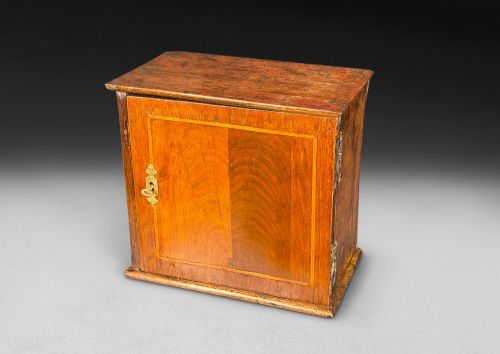

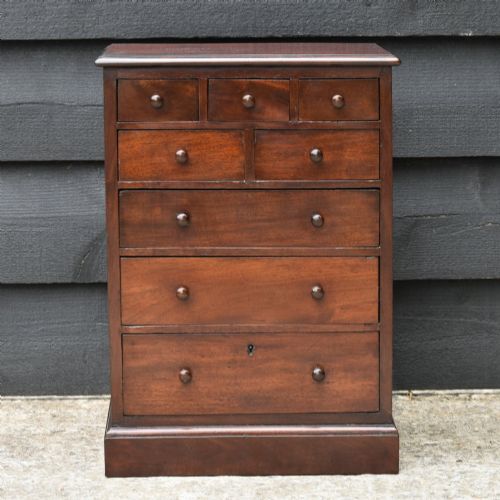
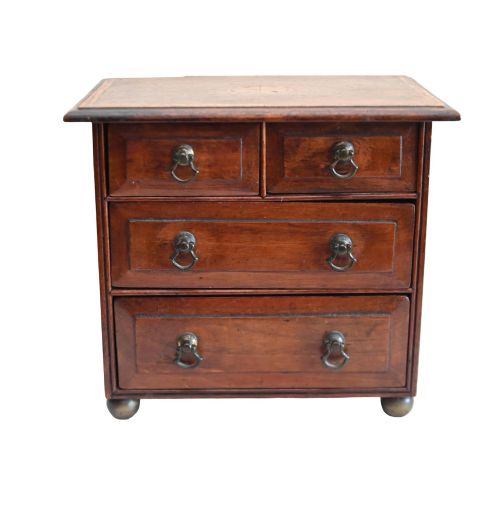


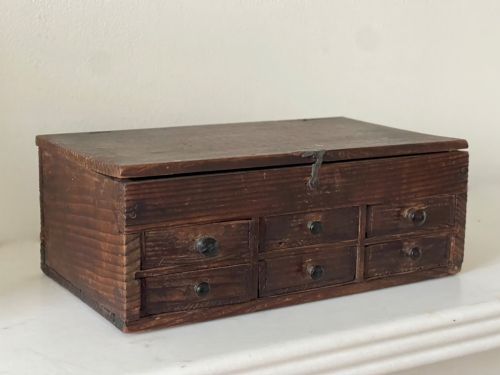

Vintage Miniature Collector Chest
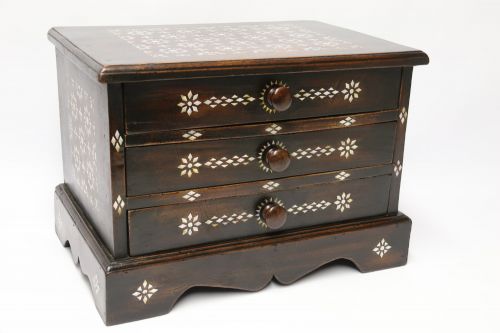
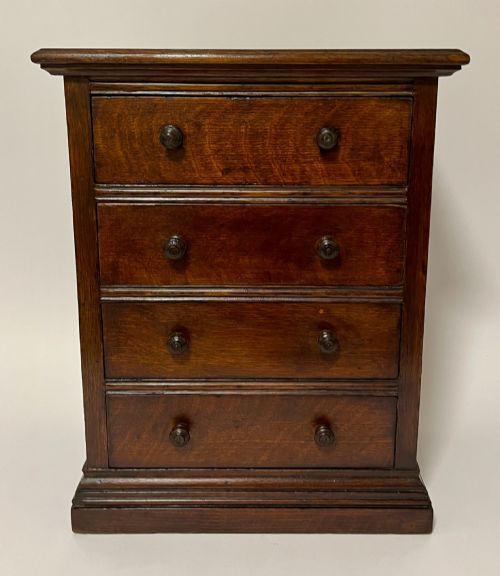
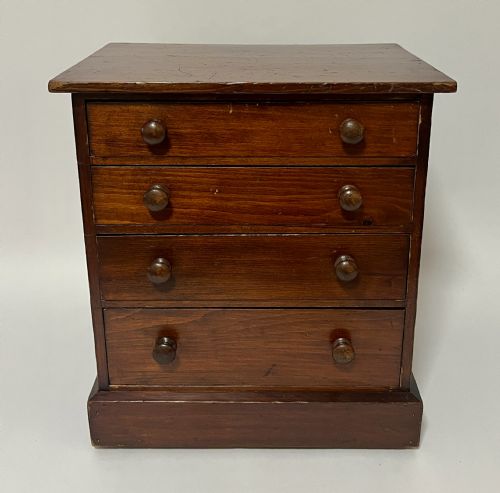
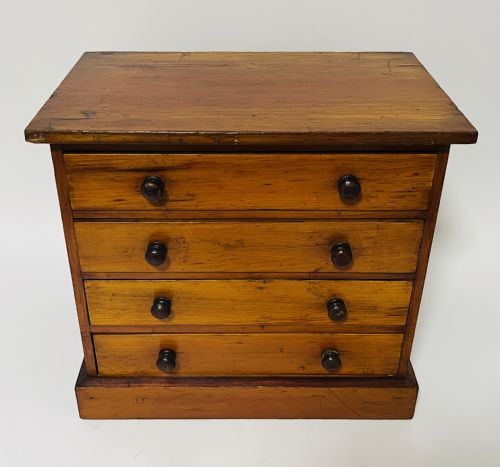
These vintage miniature collector chests are compact wooden cabinets and drawer sets built to hold small treasures, curiosities and specimens.
Vintage Miniature Collector Chest
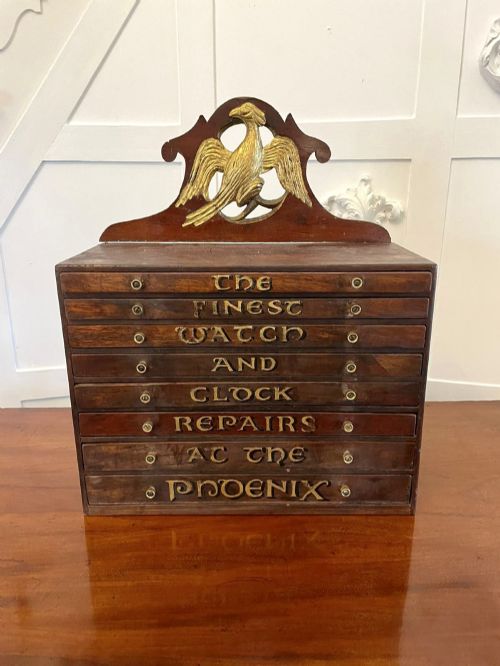
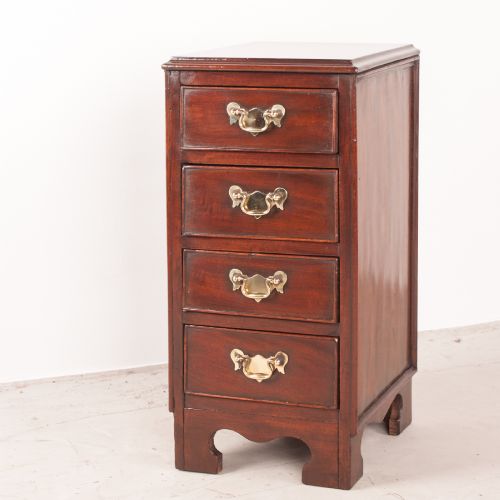
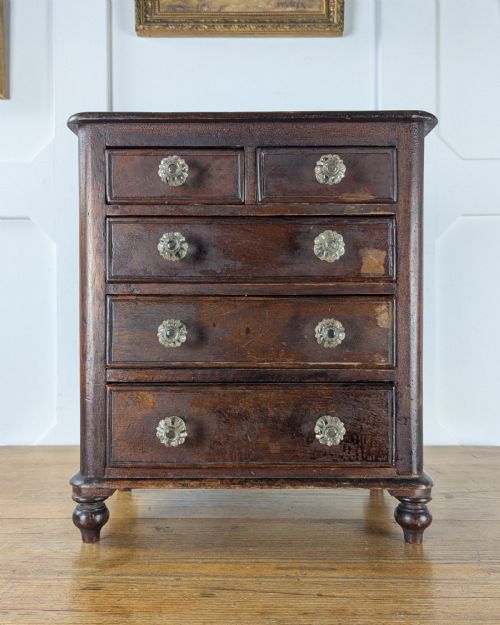
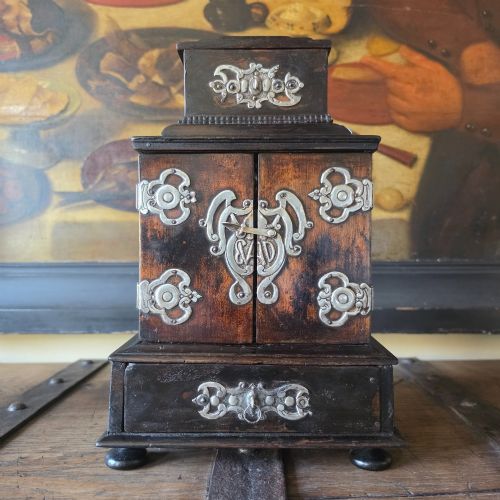
A vintage miniature collector chest offers small-scale storage across forms such as spice cabinets, apothecary units, specimen drawers and miniature chests of drawers. Buyers seeking a vintage miniature collector chest encounter pieces spanning the eighteenth century through to the nineteen-twenties, incorporating Victorian, Georgian and Edwardian designs.
The domestic and scientific origins of these items shape their appearance, ranging from miniature apprentice pieces and childs Wellington chests to multi-drawer microscope slide cabinets. Walnut, mahogany, oak and pine form the primary structures, alongside regional variants like Anglo-Indian hardwood and Japanese black lacquer table cabinets.
Tabletop chests and trinket storage units provide functional compartments in diminutive proportions, suiting modern desktop or shelf placement. The selection balances utilitarian specimen housing with decorative display, reflecting the diverse purposes for which small cabinetry was originally commissioned.
How they were made
Cabinet makers utilised solid timbers such as mahogany, oak, walnut and pine, often enhancing plain woods with satinwood stringing or decorative brass fittings. Construction relies on traditional joinery techniques appropriate to small-scale furniture, ensuring stability across multiple shallow drawers.
Surface finishes range from clear polish on figured mahogany and satinbirch to black lacquer and stained deal or pine. Specialised interiors feature turned wooden knobs, bone escutcheons, glass panels and key locks designed to secure delicate contents.
Vintage Miniature Collector Chest Retail Price Guide 2026
Typical asking prices for vintage miniature collector chest among the pieces listed under this phrase on Sellingantiques today, from the lower quarter to the upper quarter. They describe what is for sale here now, not the wider market.
Listings feature woods including mahogany, oak, walnut, satinbirch, pine and brass across periods from the eighteenth century to nineteen-twenty.
What varies in quality
The calibre of timber selection and complexity of internal arrangement define the upper tier of these pieces, seen in multi-drawer microscope and specimen cabinets constructed from finely figured mahogany and satinwood. Superior execution appears in tight dovetail joinery, smoothly operating drawer action and intact original hardware like brass handles and working locks.
Simpler utility pieces and stained pine or deal variants represent more straightforward workshop production, where functional storage took precedence over ornamental cabinet work. The presence of specialised internal fittings, matched grain patterns and refined proportion separates exceptional examples from standard domestic boxes.
The Vintage Miniature Collector Chest Glossary
- Apprentice piece
- A small-scale item of furniture demonstrated to a guild by a craftsman seeking master status. These miniature chests replicate full-size furniture designs in every detail.
- Specimen cabinet
- A multi-drawer unit designed to hold natural history collections such as insects, minerals or botanical samples. They feature shallow drawers to organise delicate items.
- Wellington chest
- A tall, narrow chest of drawers secured by a hinged vertical locking sidebar that fastens over the drawer edges. Named after the Duke of Wellington, they appear in miniature childs proportions.
- Escutcheon
- A protective plate surrounding a keyhole, often cast from brass or carved from bone. It prevents the wood around the lock from splitting through repeated use.
- Deal
- An old term for softwood timber, typically fir or pine, used in utilitarian and secondary furniture construction. Stained deal provided an economical alternative to denser hardwoods.
Vintage Miniature Collector Chest: Frequently Asked Questions
What were miniature collector chests used for?
These small cabinets served multiple purposes in homes and studies, from holding spices and apothecary supplies to storing jewellery and trinkets.
Scientific collectors also utilised them to house microscopic slides, mineral samples and botanical specimens safely in shallow drawers.
How do I date an antique miniature chest?
Dating relies on observing timber choices, construction methods and stylistic markers associated with specific periods like the Georgian or Victorian eras.
Secondary woods, drawer dovetailing and hardware types provide reliable clues to the decade of manufacture.
Are all miniature chests apprentice pieces?
Many small chests served distinct domestic or commercial functions as trinket boxes, spice holders or merchant samples rather than formal guild submissions.
Apprentice pieces form a specific subset of miniature furniture created to demonstrate advanced woodworking skill to master craftsmen.
Where should I place a collector chest at home?
Their compact tabletop proportions make these chests suitable for display on desks, sideboards, mantelpieces or dedicated shelving units.
Keeping them away from direct sunlight and heat sources protects aged wood finishes and delicate internal linings.