


Vintage Military Artwork
Vintage military artwork captures the portraits, battles, and campaigns of past centuries through original watercolours, oils, and prints.
Vintage Military Artwork
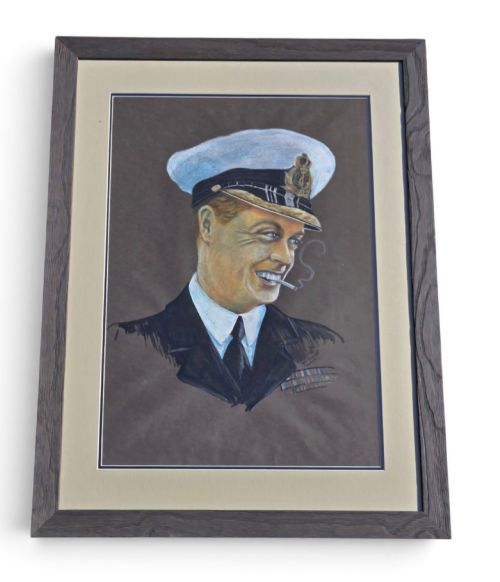
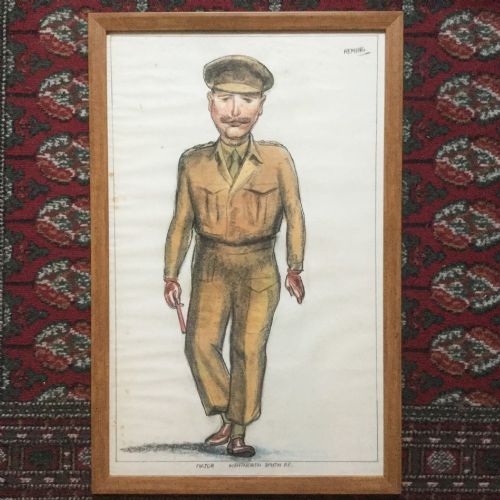
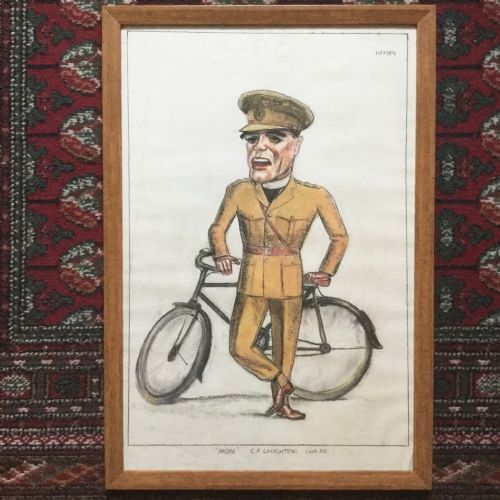
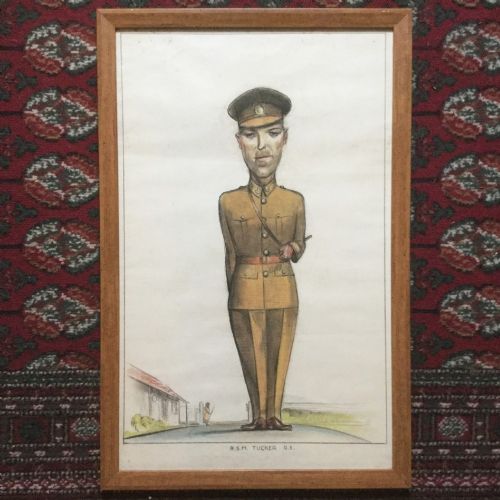
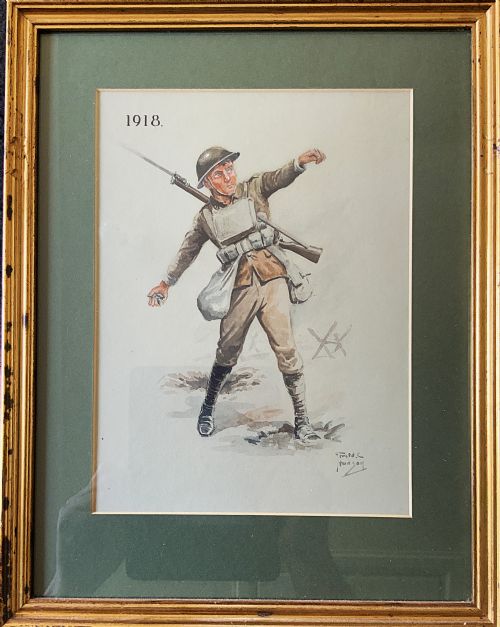
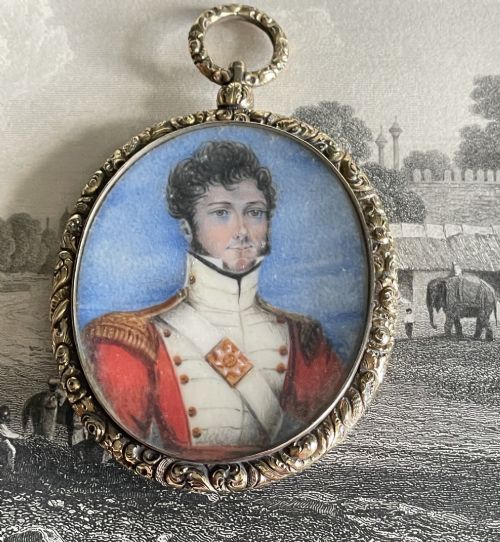
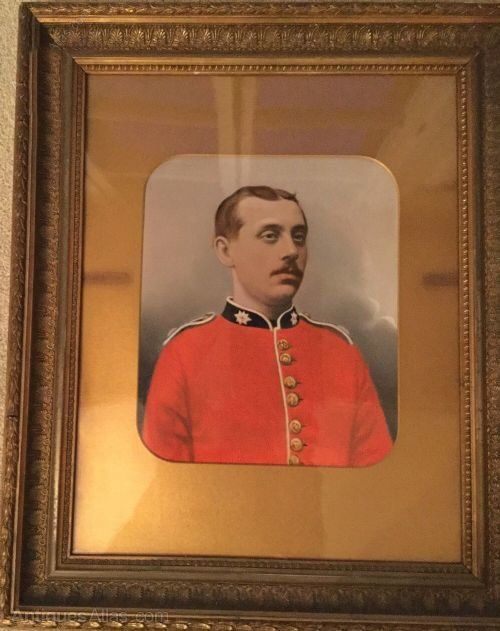
Vintage military artwork encompasses oil paintings, watercolours, sketches, and prints documenting soldiers, regiments, and naval scenes from the eighteenth century onwards. Buyers searching for vintage military artwork find items ranging from intimate wartime portrait sketches to grand mezzotint portraits of generals and admirals. These pieces reflect specific historical conflicts, military life in garrisons, and technological milestones such as early aircraft and ironclad battleships.
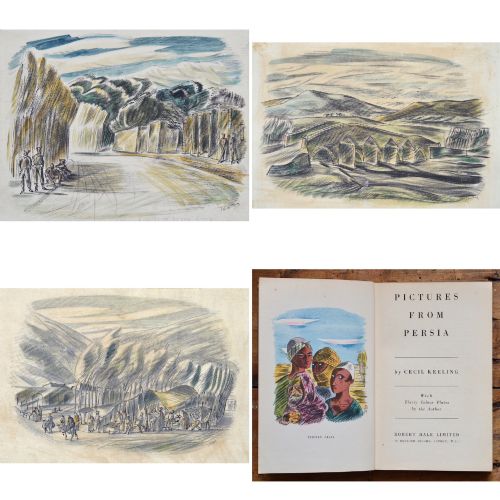
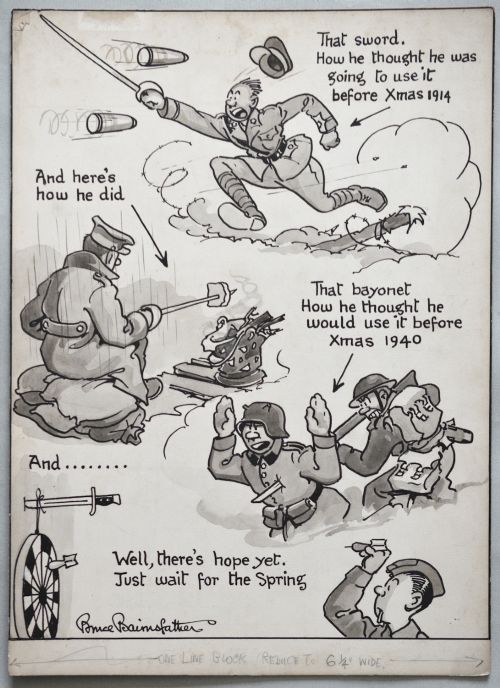
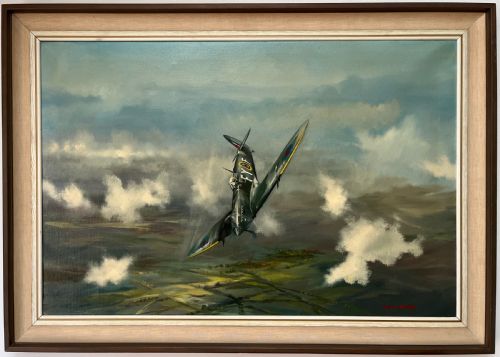
The selection here draws heavily from the early twentieth century and the two world wars, alongside nineteenth-century depictions of guardsmen and hussars. Works include original field drawings by named artists like Bruce Bairnsfather and Cecil Keeling, as well as framed engravings and commemorative trench art. Whether acquiring a framed watercolour of an Edwardian officer or an oil painting of a Spitfire, the focus rests on authentic historical visual records.
Materials and Techniques
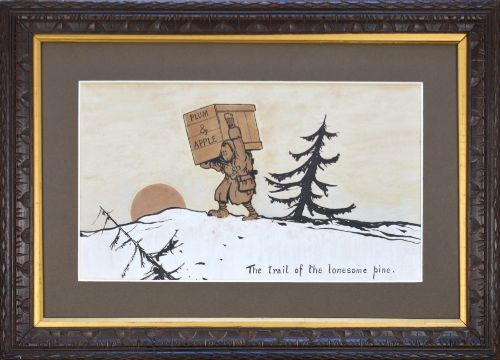
Artists working on vintage military artwork relied on traditional supports such as canvas, wood panels, heavy paper, and glass-fronted frames. Mediums vary from oil paints and watercolours to gouache, pastel, ink, and charcoal, reflecting the circumstances in which the art was produced. Field sketches often utilised portable materials like ink and pastel on paper, while formal regimental portraits demanded worked oils on canvas or detailed mezzotint engravings.
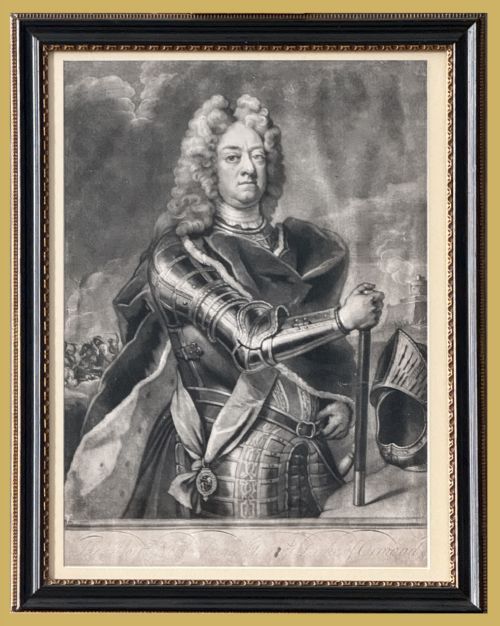
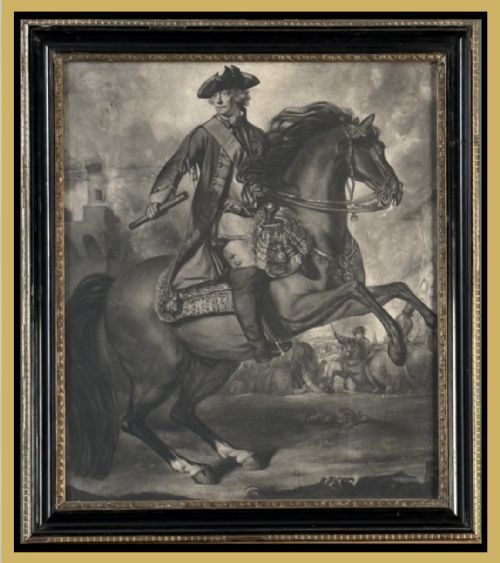
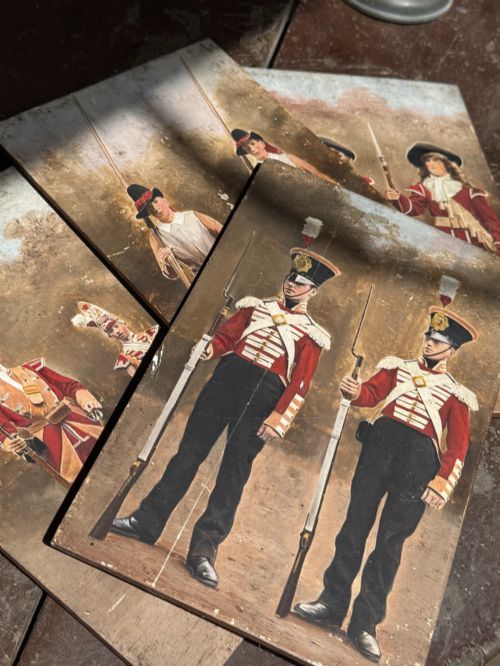
Printmakers of the eighteenth and nineteenth centuries employed copperplate engraving and mezzotint techniques to reproduce likenesses of notable military commanders after artists like Sir Joshua Reynolds and Michael Dahl. Trench art and commemorative items incorporated unusual media, including painted wooden panels and porcelain wall plaques. Preservation behind glass protects fragile works on paper, pastel, and gouache from environmental damage.
The listings span multiple centuries, uniting eighteenth-century mezzotints of military commanders with twentieth-century watercolour sketches of wartime personnel.
Assessing Quality and Execution
Quality in vintage military artwork rests upon the draughtsmanship, the immediacy of the observation, and the condition of the medium. Direct observational sketches made during wartime capture a psychological depth and documentary truth that distinguish them from later commemorative copies. Strong handling of light in oils or assured ink lines in graphic works separate superior artistic execution from routine studio output.
Provenance and documentation enhance the standing of a piece, particularly when subjects, artists, or specific regiments are identified through contemporary inscriptions. The integrity of the framing, the stability of the canvas or paper support, and the absence of overpainting dictate the historical value of surviving works. Fine mezzotint engravings depend upon the crispness of the impression left by the plate, indicating whether it is an early pull.
Bruce Bairnsfather·Cecil Keeling·John Simon·Edward Fisher·Sir Joshua Reynolds·Michael Dahl·Dion Pears·John A. Houston·Baruch Shalom Oskotsky
The Vintage Military Artwork Glossary
- Mezzotint
- A printmaking process where the copper plate is roughened to produce dark tones, allowing for subtle gradations of light and shade. This technique was frequently utilised for eighteenth-century military portraiture.
- Trench Art
- Decorative or utilitarian objects made by soldiers, prisoners of war, or civilians from war scrap and materials found in combat zones. It often includes framed battlefield drawings and sentimental tributes.
- Gouache
- An opaque water-based paint that dries to a matte finish, combining the fluidity of watercolour with the coverage of oil. It appears often in vibrant twentieth-century military sketches.
- Wash
- A thin, translucent layer of diluted watercolour or ink applied to paper to create background tones or shadows. It defines form beneath sharper ink lines in campaign drawings.
- Regiment
- A permanent unit of an army commanded by a colonel, providing the specific uniform details and heraldry central to military portrait identification.
Vintage Military Artwork: Frequently Asked Questions
How can I date an antique military portrait?
Dating relies primarily on uniform details, headwear, and facial hair styles, which changed rapidly across the nineteenth and twentieth centuries. Regimental buttons, badges, and the cut of the tunic provide precise chronological markers.
Signatures, framing materials, and contemporary ink inscriptions on the reverse of the canvas or paper offer additional corroboration. Comparing the sitters or artistic style to documented campaigns helps narrow the timeframe further.
What is the difference between a print and an original painting?
An original painting or drawing is a unique, direct creation by the artist's hand using media such as oil, watercolour, or pastel. Brush marks, paper texture, and the absence of dot patterns under magnification confirm uniqueness.
Prints, including mezzotints and engravings, are mechanically or chemically reproduced multiples pulled from a single prepared plate or block. While often published in historical editions, they lack the singular physical application of pigment found in direct artwork.
How should I care for works on paper?
Works on paper, including watercolours, pastels, and charcoal sketches, require protection from direct sunlight and high humidity to prevent fading and foxing. Framing behind conservation-grade glass filters harmful ultraviolet rays and prevents physical contact with the surface.
Displaying pieces in stable environmental conditions away from heat sources ensures the paper support and fragile mediums remain preserved. Pastel and charcoal drawings must remain flat and undisturbed within their frames to prevent pigment shedding.