


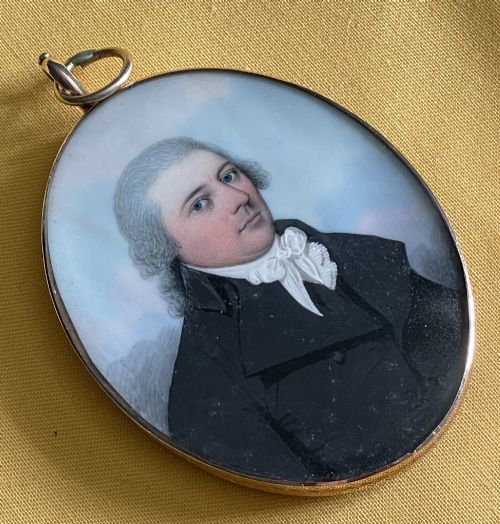


Oval Portrait Locket
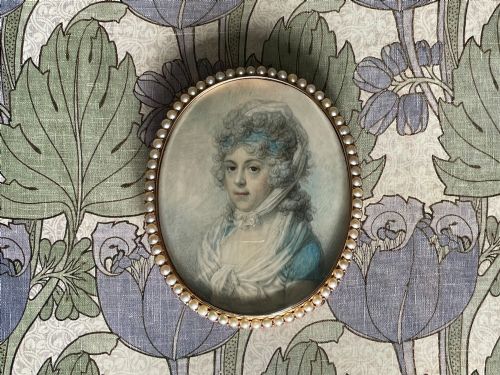
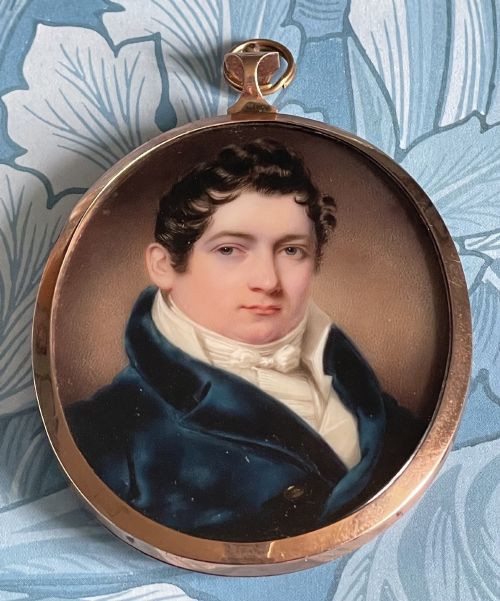
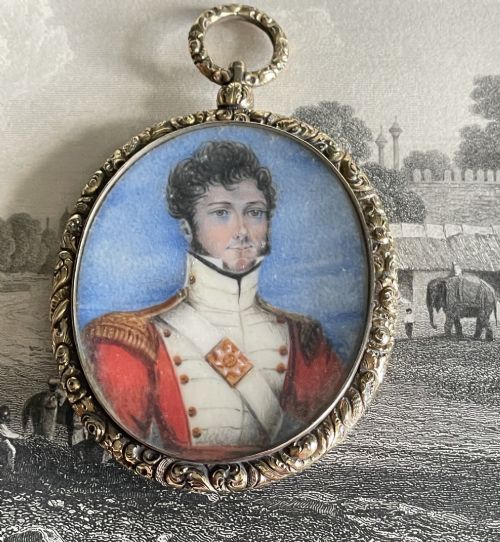
An oval portrait locket holds a hand-painted miniature beneath glass, offering an intimate glimpse into eighteenth and nineteenth-century lives.
Oval Portrait Locket
When you search for an oval portrait locket, you encounter portable painted likenesses housed in precious metal frames. These pieces function simultaneously as personal mementoes and miniature works of fine art, often designed to be worn as pendants.
The selections span the Georgian, Regency, and Victorian eras, alongside Edwardian examples. You will frequently find subjects rendered in watercolour or enamel, capturing officers, gentlemen, and ladies of the period.
The forms range from dedicated gold and silver lockets with glass viewing panels to framed miniature paintings adapted for suspension. Each object preserves a specific individual's likeness using traditional painting methods on ivory, vellum, or glass.
How they were made
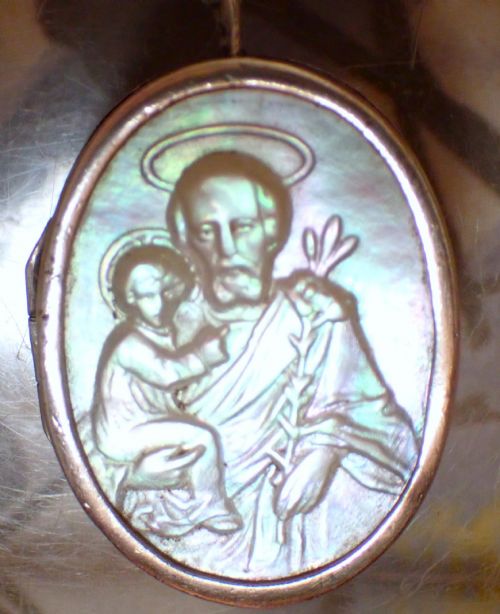
Frames were constructed from solid gold, including fourteen-carat and eighteen-carat variants, as well as silver, gilt metal, and carved mother-of-pearl. These housings incorporated protective glass fronts to shield the delicate pigments from moisture and touch.
A British naval officer once stared so intensely from an 18th-century agate panel that even the fish in his vicinity looked seasick.
What varies in quality
The refinement of the brushwork and the psychological depth of the facial expression distinguish master practitioners from lesser hands. Skilled artists captured convincing skin tones, fabric textures, and lifelike expressions within a very small compass.
The substance and weight of the frame also set pieces apart, moving from thin gilt metal surrounds to substantial solid gold and silver mountings. The integrity of the protective glass and the original housing contribute significantly to the overall merit of the piece.
Henry Bone ARA·Richard Cosway·John C D Engleheart·Frederick Buck·William Wood·Charles Hayter·Nicolas Freese·John Miers·Elizabeth Hudson·George Engleheart·James Ferguson·William Grimaldi·Henry Jacob Burch·John Inigo Wright·Edward Pugh·Isaac Wane Slater·AE Chalon·John Barry
The Oval Portrait Locket Glossary
- Miniature painting
- A small-scale portrait executed with immense detail using fine watercolours or enamels. These works required steady hands and specialised magnification.
- Silhouette
- A profile portrait filled in with a solid dark pigment, often painted on glass or paper. Silhouette artists captured likenesses through outlines and minimal interior detail.
- Enamel
- A vitreous substance fused to a metal backing through high-temperature firing. Enamel portraits resist fading and retain their vibrant colours across centuries.
- Vellum
- A fine parchment prepared from calfskin used as a painting surface. Its smooth texture permitted precise, crisp lines in portrait miniatures.
- Pendant
- An ornament suspended from a chain or ribbon worn around the neck. Many portrait lockets were engineered specifically for this mode of display.
Oval Portrait Locket: Frequently Asked Questions
How were oval portrait lockets worn?
These pieces were typically suspended from ribbons or gold chains around the neck, resting close to the wearer's heart. Some were carried in pockets or kept on dressing tables as private mementoes.
Their dual function as jewellery and portraiture allowed individuals to keep deceased or distant family members physically close throughout the day.
What materials sit beneath the glass?
Artists painted portraits onto several delicate substrates, most notably thin slices of ivory, vellum, glass, and prepared agate panels. Watercolour and specialised mineral pigments were applied directly to these grounds.
Enamel versions utilised powdered glass fused onto metal bases under high heat, creating a glossy and durable painted surface.
How do I identify a Georgian piece?
Georgian examples often feature distinct costume details, such as powdered hair, high-collared coats for gentlemen, and elaborate bonnets or lace caps for ladies. The frames frequently display hand-beaten gold or simple gilt metal surrounds typical of the eighteenth century.
Examining the reverse sometimes reveals woven hair compartments or engraved initials tied to the period's mourning and sentimental customs.
Can I open the locket to view the back?
Many pieces constructed as true lockets feature hinged glass backs designed to hold hairwork, fabric, or secondary miniatures. Other items listed as pendant frames are fixed housings meant purely to display the front portrait.
Care must be taken with antique hinges and delicate glass panels when inspecting the interior components.