
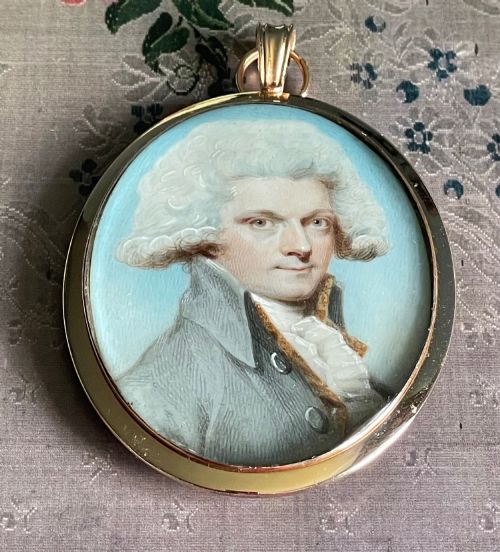
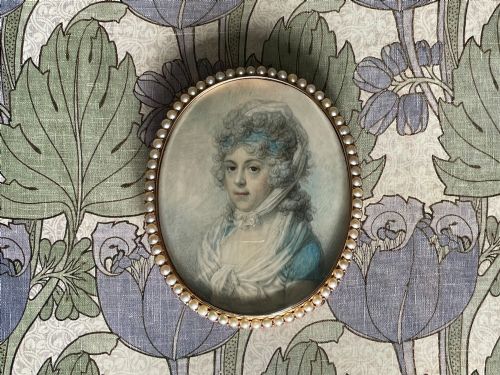

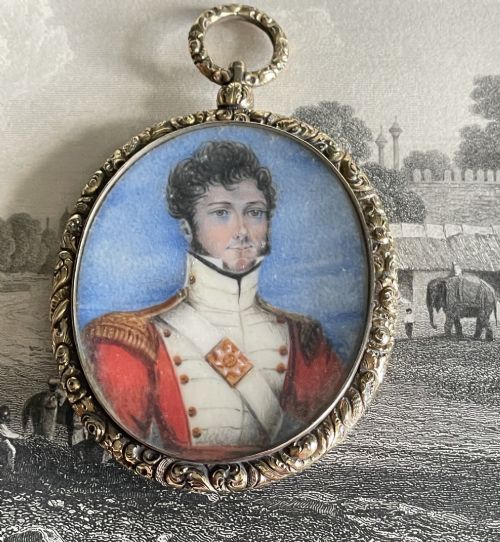
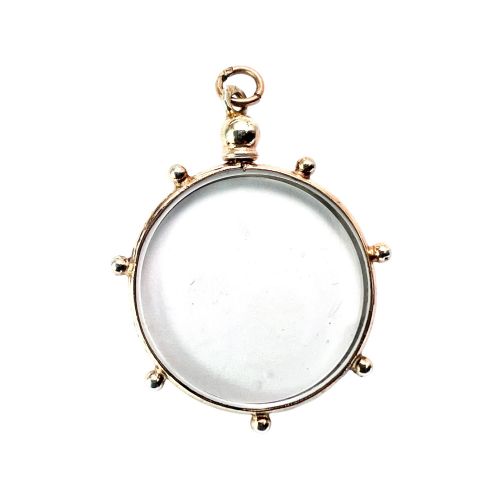
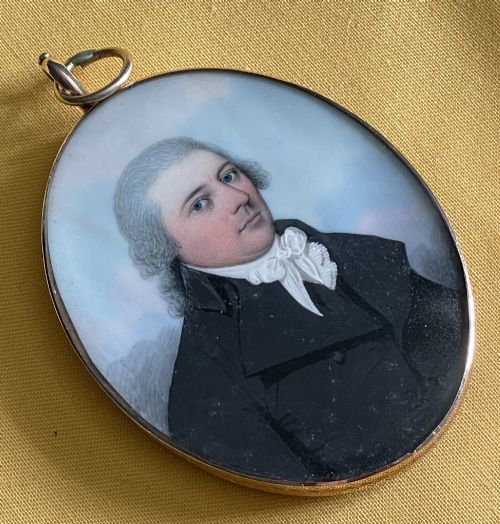


Portrait Locket Frame
Portrait locket frames hold delicate painted likenesses in precious metal housings that collectors prize for intimate historical connection.
Portrait Locket Frame
A portrait locket frame combines miniature painting with a wearable or portable metal casing designed to protect and display the likeness. When you examine a portrait locket frame, you encounter delicate works executed in watercolour, enamel, or watercolour on ivory set inside housings of gold, gilt metal, or silver.
The pieces available span the eighteenth century, the Georgian period, the Regency era, the nineteenth century, the Victorian period, and the Edwardian era. You will find pendant formats, miniature paintings, and picture frames fitted with glass tops, often enclosing individual portraits of gentlemen, ladies, officers, and children.
Materials and construction methods
Makers constructed these frames from gold, silver, gilt metal, and occasionally integrated pearls or enamel details. Portraits themselves appeared on ivory, vellum, glass, agate panels, or copper in the case of enamels.
Techniques combined fine metalwork with miniature painting using watercolour, gouache, or enamel pigments. Glazing protected the delicate painted surfaces, while screw fittings, pins, or pendant loops secured the miniature within its frame.
Factors that distinguish quality
Quality rests upon the execution of the miniature painting and the substance of the surrounding metal frame. Pieces utilising solid gold or incorporating detailed enamel and pearl work represent superior craftsmanship compared to simpler gilt metal examples.
The skill of the artist defines the upper range of these objects, particularly when handling facial expression, fabric texture, and lighting in miniature scale. The integration between the painting and the protective glass housing also indicates the care taken during initial manufacture.
Henry Bone·Charles Shirreff·Richard Cosway·John Miers·Frederick Buck·Charles Hayter·Christian Friedrich Zincke·George Engleheart·James Ferguson·Emma Kendrick·William Grimaldi·Henry Jacob Burch·John Inigo Wright·Edward Pugh·Samuel Cotes·Isaac Wane Slater·AE Chalon
The Portrait Locket Frame Glossary
- Miniature painting
- A small-scale portrait executed with fine brushes on ivory, vellum, or prepared metal. These works require immense precision due to their restricted dimensions.
- Vellum
- A fine parchment prepared from calfskin used as a smooth surface for watercolour miniatures. It provides a pale, reflective ground for early portraiture.
- Gilt metal
- Base metal treated with a thin layer of gold to simulate solid precious metal housing. This material appeared frequently in portable frames and pendant mounts.
- Enamel
- Vitrified glass powder fused to a metal substrate through firing. It creates a durable, glossy portrait surface resistant to fading.
Portrait Locket Frame: Frequently Asked Questions
What is a portrait locket frame?
A portrait locket frame is a protective metal housing that encloses a small miniature painting, often designed to be worn as a pendant or carried on the person.
These pieces combine decorative metalwork in gold, silver, or gilt metal with painted likenesses executed in watercolour, enamel, or on ivory panels.
How do I date a portrait frame?
Dating relies upon costume details, hair styling, painting medium, and the construction methods used in the metal housing.
Georgian and eighteenth-century examples often display specific dress conventions, while Edwardian and Victorian pieces introduce distinct alloy standards and clasp designs.
What materials were used for frames?
Makers utilised gold, silver, gilt metal, and enamel, frequently incorporating glass covers to protect the delicate painted surfaces inside.
Some examples also integrate pearls, coral beads, or specialised gemstone panels like agate to enhance the exterior appearance.
How were miniature portraits painted?
Artists applied watercolour, gouache, or enamel onto thin slices of ivory, vellum, copper, or paper using extremely fine brushes.
Because of the miniature scale, painters built up images through careful stippling and hatching to achieve realistic skin tones and fabric textures.