

Vintage Military Art
Vintage military art spans centuries of portraits, trench art, and technical studies that capture the personnel and hardware of armed forces.
Vintage Military Art
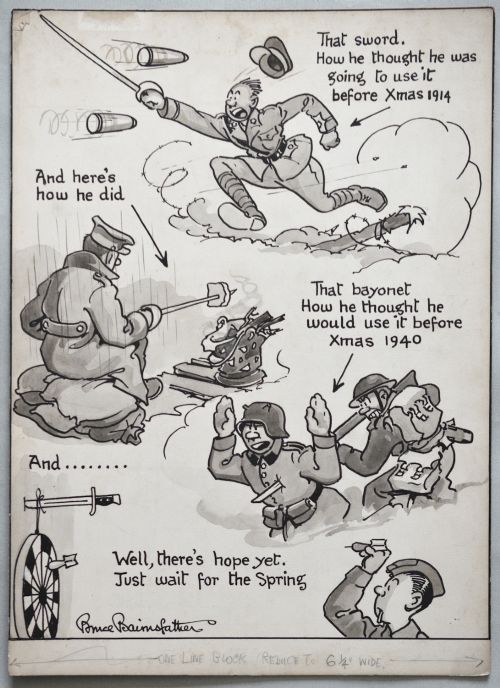
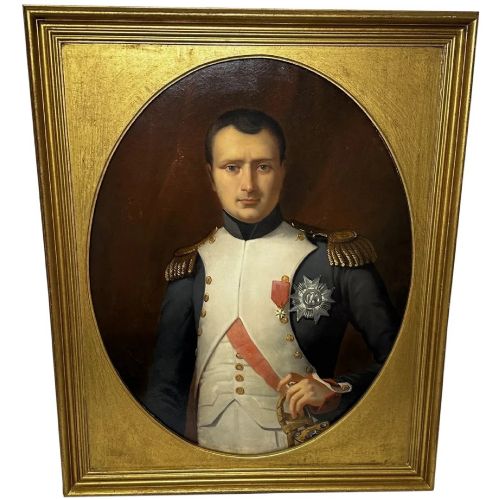
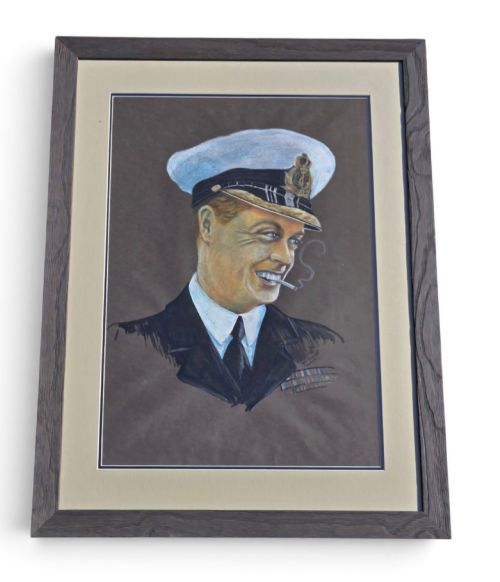
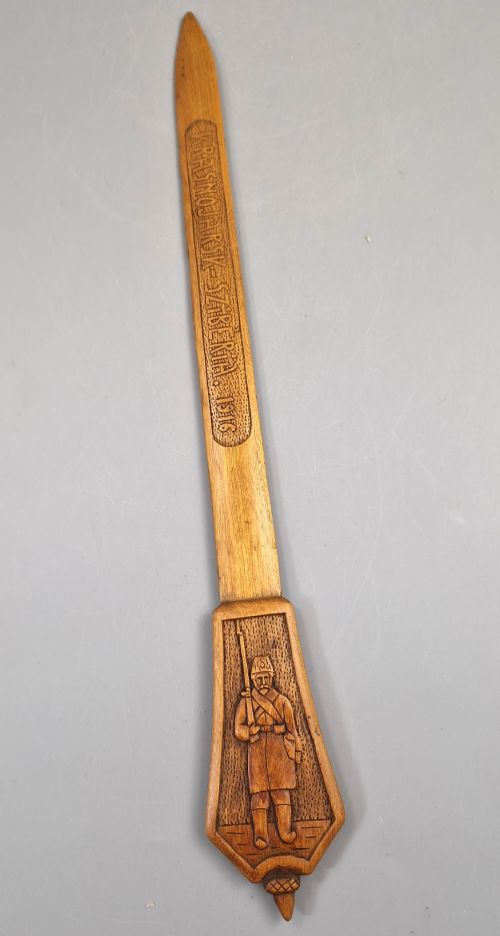
When you search for vintage military art, you encounter a diverse assortment of works ranging from formal portraiture of officers to intimate battlefield drawings created during conflict. The pieces on this page heavily feature works on paper and canvas, executed in watercolour, pastel, ink, and oil paint, alongside carved wood and brass trench art objects.
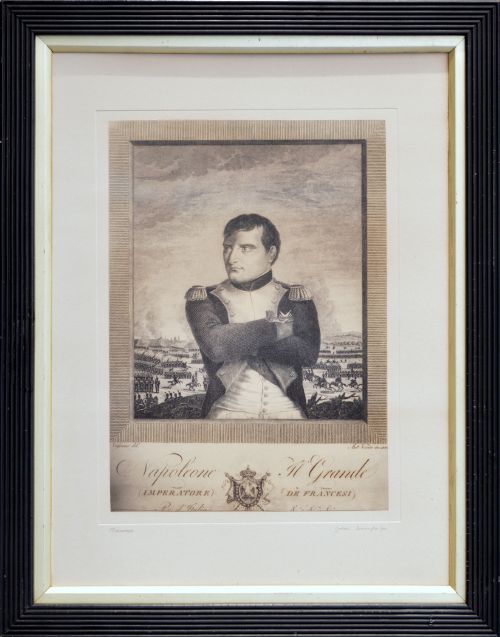
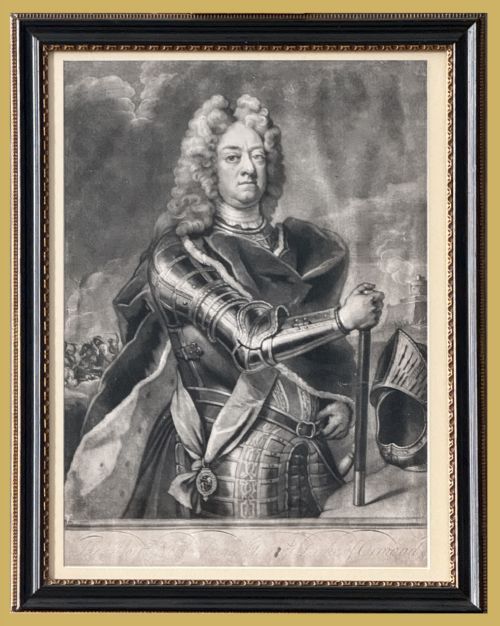
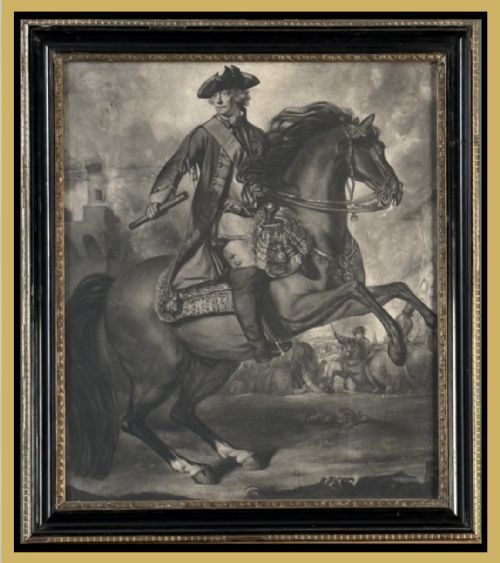
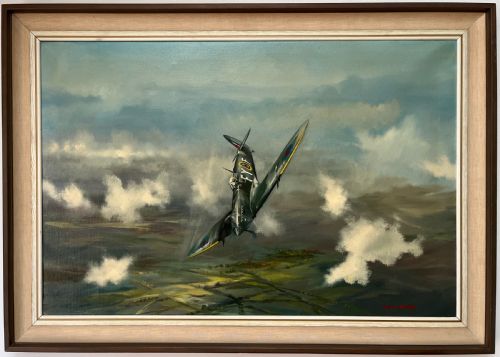
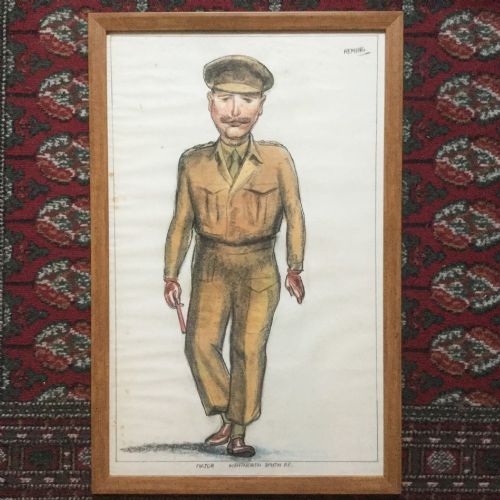
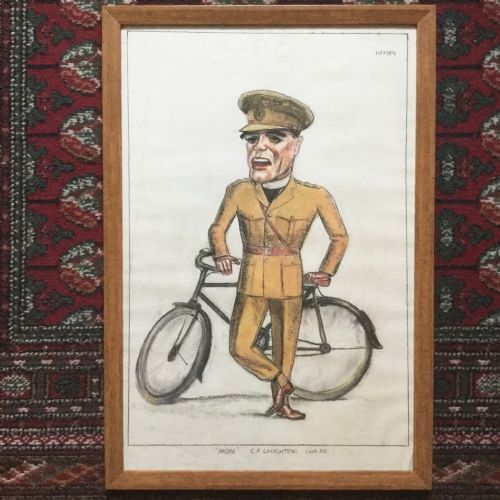
Portraits of named military figures dominate the selection, often recording specific regiments, campaigns, or historical personages from the eighteenth century through to the mid-twentieth century. Alongside these portrait studies, buyers frequently find depictions of naval vessels, aircraft such as the Spitfire, and operational scenes recorded by contemporary artists.
Materials and methods of construction
The physical objects rely upon traditional artistic supports, with oil paint applied to canvas, watercolours and inks worked onto paper, and pastels or gouache utilised for rapid portrait sketches. Pigments and inks sit alongside carved wood and beaten brass utilised by soldiers during wartime campaigns to shape trench art pieces.
Framed works typically combine hand-drawn or painted surfaces with period wooden frames, whilst three-dimensional items demonstrate carving, engraving, and metalwork techniques executed in field conditions or established studios.
A sailor once poured his heart into a framed gouache tribute to his ironclad battleship.
Distinctions in quality
Quality rests upon the directness of the hand and the documentary value of the subject, distinguishing rapid field sketches from finished studio oil paintings. The skill of the draughtsman or painter dictates the psychological depth of a portrait and the precise rendering of uniform details or mechanical subjects.
Condition and provenance further separate examples, particularly where works retain direct links to named regiments, documented campaigns, or known artists and publishers of the period.
Cecil Keeling·Bruce Bairnsfather·John Simon·Michael Dahl·Edward Fisher·Sir Joshua Reynolds·John Smith·J Sommer·Bernard Hailstone·Herskind·Dion Pears·J. Herbert McNair·Baruch Shalom Oskotsky·Edith Alice Simkins·John A. Houston
The Vintage Military Art Glossary
- Mezzotint
- A printmaking process of the intaglio family, where a copper plate is roughened evenly and scraped to create tones and shadows. It was widely used for reproducing stately portrait paintings in the eighteenth century.
- Trench art
- Decorative or utilitarian objects made by soldiers, prisoners of war, or civilians from scrap materials and munitions debris during armed conflicts. These items often incorporate brass shell cases and carved timber.
- Gouache
- An opaque water-based paint consisting of pigment, water, and a binding agent such as gum arabic, often heightened with white. It yields a flat, matte colour surface suited to rapid illustrative work.
- Chronograph
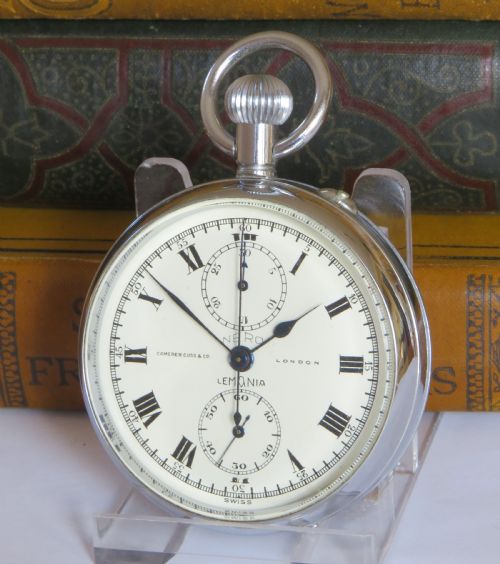
- A watch with a display function used for measuring elapsed time alongside standard timekeeping. Such timepieces appear in military and aviator configurations from the early twentieth century.
- Refectory table
- A long dining table traditionally used in monastic refectories, adapted in later periods into robust domestic and institutional forms using timbers like oak.
Vintage Military Art: Frequently Asked Questions
What periods do these pieces represent?
The inventory spans multiple centuries, with substantial representation from the eighteenth, nineteenth, and twentieth centuries. Items frequently date from the First and Second World Wars as well as the Edwardian and Victorian eras.
Specific dated works tie directly to historical conflicts, campaigns, and monarchical reigns, offering clear chronological reference points for collectors.
How were trench art items made?
Soldiers and prisoners of war constructed trench art by hand utilising readily available materials found in active zones. Discarded brass shell cases and wooden crates were carved, engraved, and reshaped into letter openers and decorative vessels.
These utilitarian objects served as personal mementoes or functional items created during lulls in combat.
Are the portraits of named individuals?
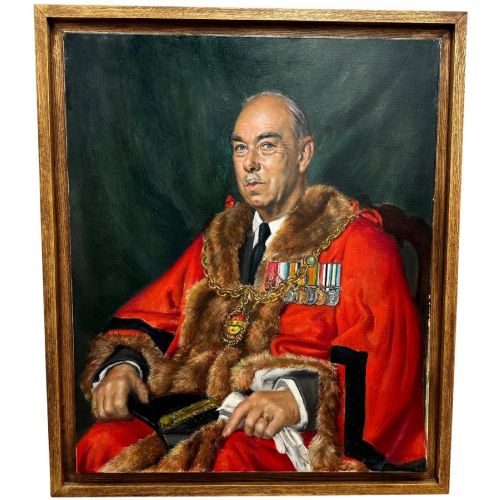
Many portrait works identify their subjects through inscriptions, accompanying documentation, or uniform insignia. Depicted figures include high-ranking military commanders, officers of various regiments, and civic leaders.
Other pieces record anonymous soldiers, sailors, and airmen, capturing individual service personnel across different branches of the armed forces.
How should I display framed works on paper?
Works on paper, including watercolours, pastels, and ink drawings, require protection from direct sunlight and excessive humidity to prevent fading and paper degradation. Acid-free mounting materials help preserve the integrity of the sheet over time.
Wall placement should avoid areas subject to dramatic temperature fluctuations to safeguard the original pigments and historical frames.