



Military Uniform Artwork
Military uniform artwork captures the formal dress and regimented service of historical officers and soldiers through painted and drawn portraits.
Military Uniform Artwork
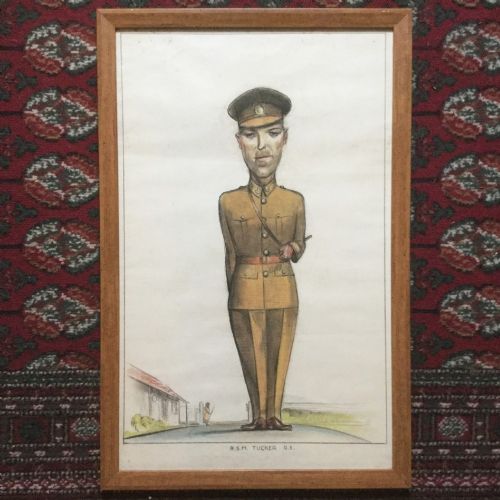
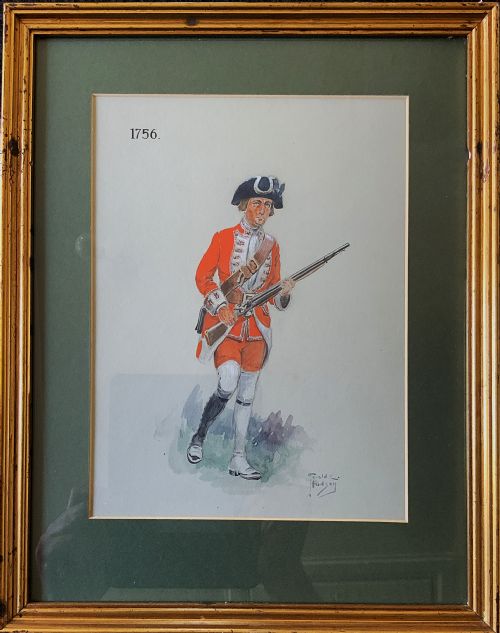
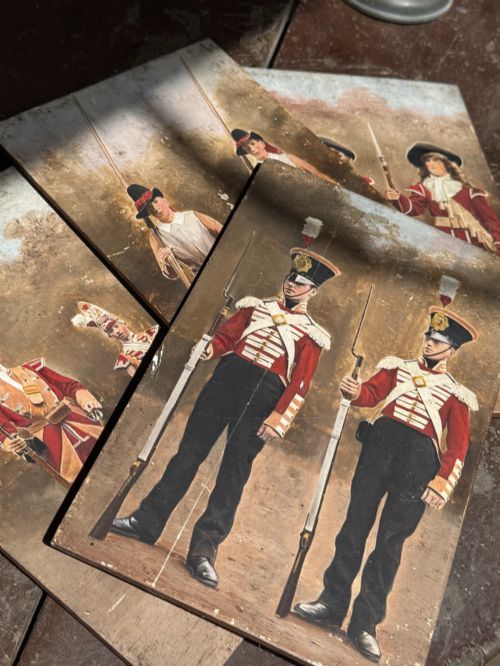
Military uniform artwork comprises painted and drawn portraits depicting soldiers, officers, and commanders in period dress, ranging from the eighteenth century through to the mid-twentieth century.
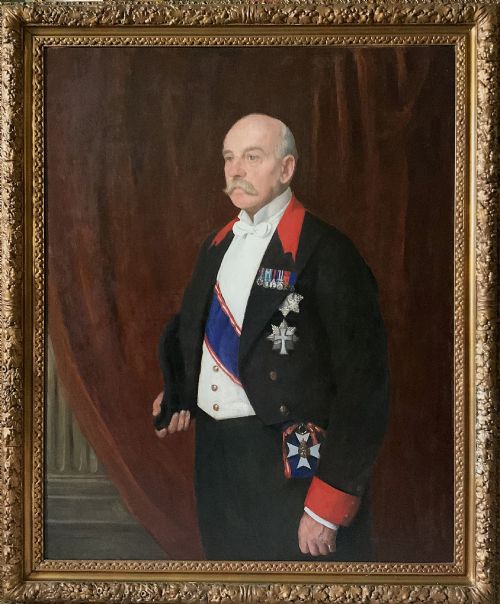
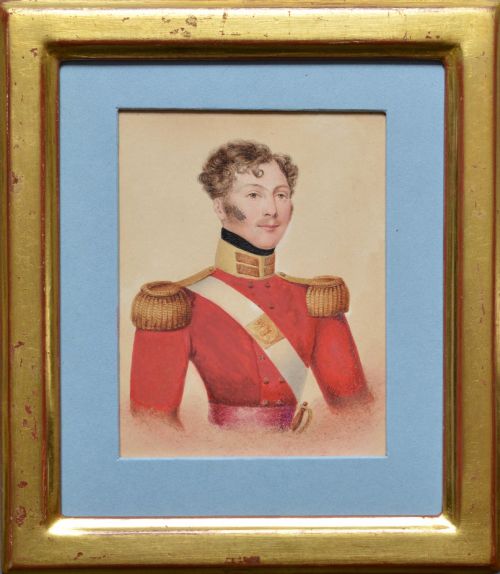
The selections available lean heavily on nineteenth-century and early twentieth-century examples, capturing specific regiments, naval officers, and high-ranking commanders in formal tunics and ceremonial attire.
Works appear in formats such as oil on canvas, framed watercolours, and pastel sketches on paper, documenting individual military service and historical figures across various European schools.
Materials and methods
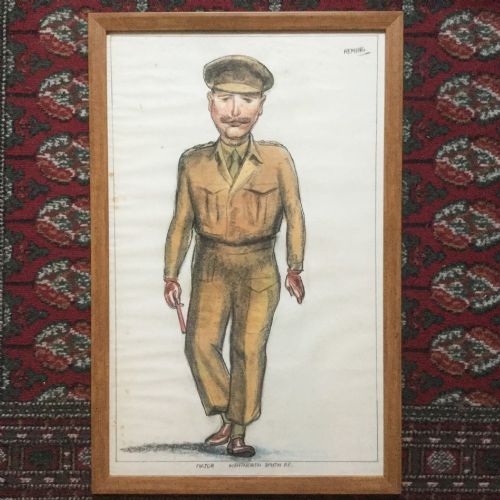
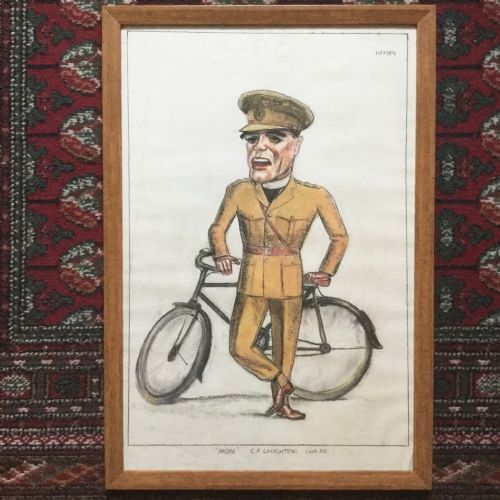
Watercolour, pastel, and gouache on paper served for rapid sketches and detailed wartime studies, often capturing specific regiment members in the field or garrison.
Listings feature works executed in oil, watercolour, pastel, and gouache on canvas, paper, and wood panel across multiple centuries.
Assessing quality and execution
Quality rests upon the precision of the uniform details, the anatomical accuracy of the sitter, and the handling of light across textiles and medals.
Signed works by documented artists or established schools demonstrate greater fidelity and compositional strength compared to anonymous primitive pieces.
John Simmons·Sir Thomas Lawrence·Edward Pugh·Henry Hoppner Meyer·Sir Richard Westmacott
The Military Uniform Artwork Glossary
- Gouache
- An opaque watercolour paint that dries to a matte finish, frequently utilised in wartime portrait sketches for dense colour application.
- Panel
- A flat wooden support used as a substrate for oil paintings instead of canvas.
- Regiment
- A permanent unit of an army commanded by a colonel, whose specific uniform distinctions often identify the sitter in these artworks.
Military Uniform Artwork: Frequently Asked Questions
What periods do these military artworks cover?
The pieces span from the eighteenth century through the Victorian era and into the mid-twentieth century, reflecting changing military dress and artistic styles over time.
Earlier works often depict Georgian and Regency officers, while later pieces capture First and Second World War personnel.
How were military portraits originally used?
Officers, regiments, and families commissioned these portraits to record military rank, service achievements, and familial lineage.
They served as formal commemorations displayed in domestic drawing rooms, regimental messes, and institutional headquarters.
What mediums are common in military uniform art?
Oil on canvas dominates formal large-scale commissions, providing rich colour depth for ceremonial uniforms and decorations.
Watercolour, gouache, and pastel appear frequently in smaller sketches, studies, and wartime depictions.
How do you identify the regiment in a portrait?
Clues lie in the specific colours of the tunic, collar insignia, cap style, and campaign medals worn by the sitter.
Many titles and inscriptions record the exact regiment, rank, and name of the officer portrayed.