

Vintage Metal Side Table
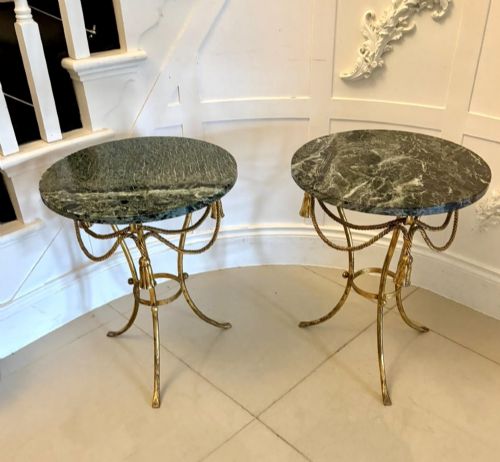
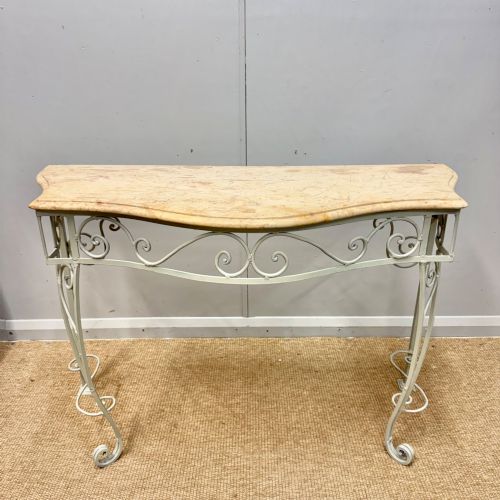
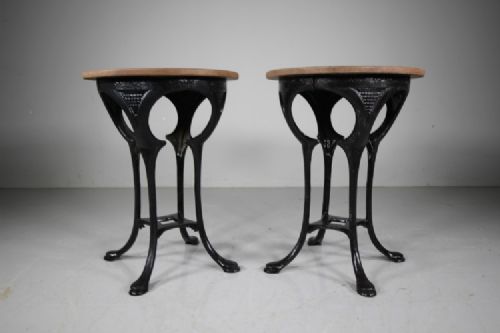
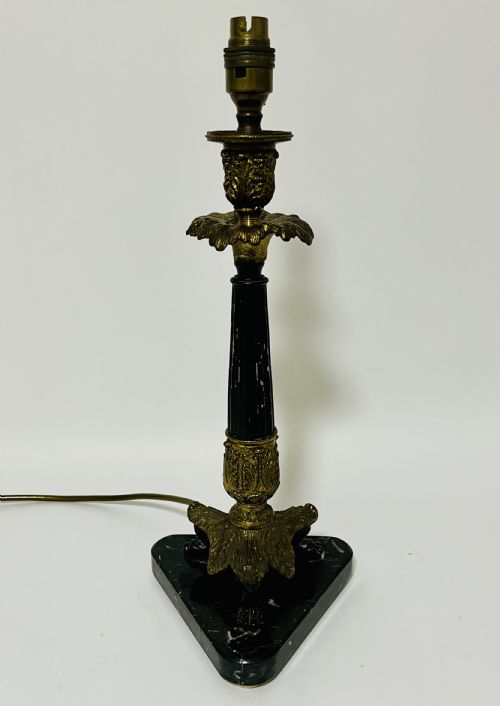
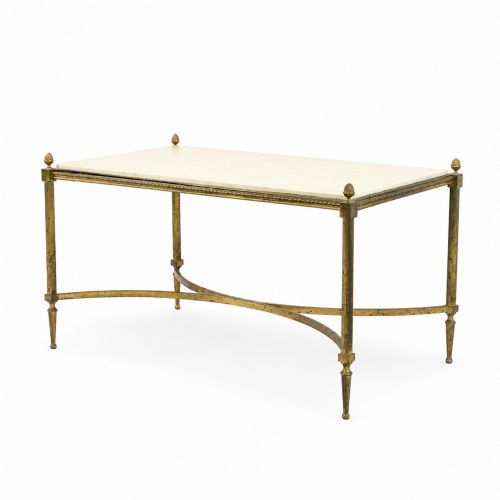
These vintage metal side table designs bring enduring structural character to a room, combining honest materials like brass, iron and marble.
Vintage Metal Side Table
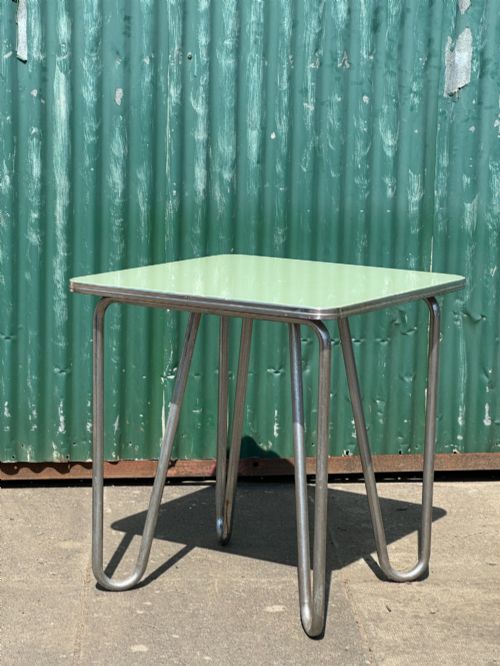
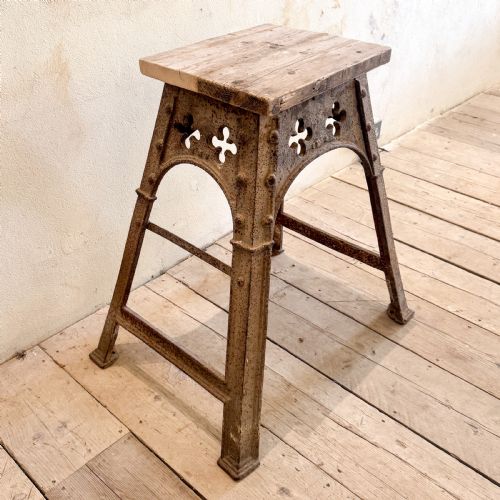
The selection frequently includes pieces from the Art Deco and Art Nouveau movements alongside industrial examples and French stylistic designs. These sturdy items served as plant stands, lamp tables, or occasional surfaces in period interiors.
Materials and construction methods
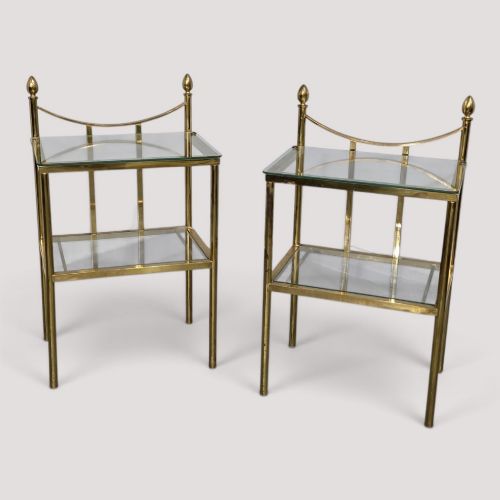
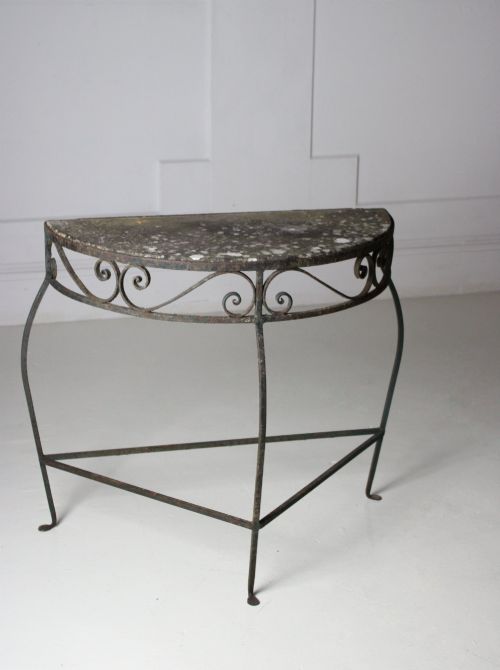
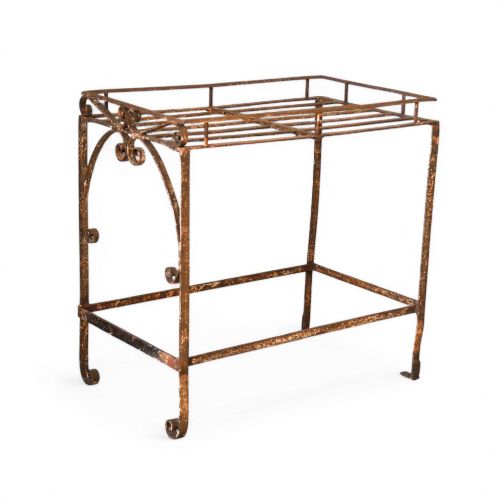
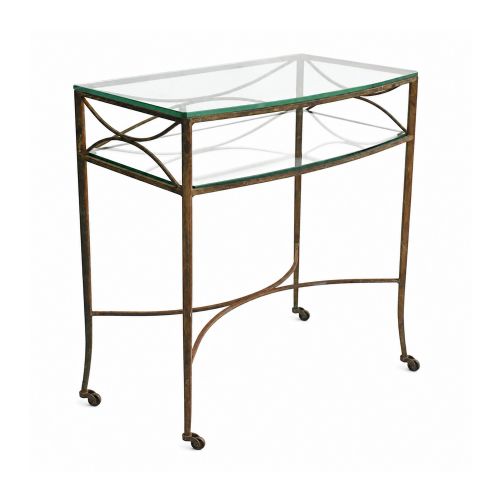
Makers utilised durable metals such as cast iron, wrought iron, brass, and gilt metal, often combining them with contrasting inset surfaces of marble, glass, or wood. Structural integrity relied on casting, forging, and soldering techniques appropriate to each period's workshop traditions.
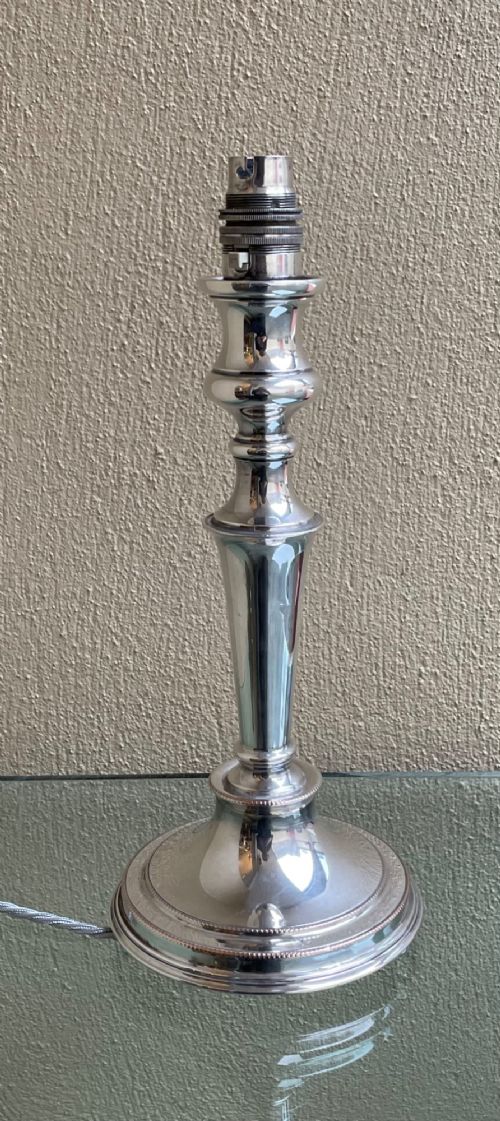
Surface finishes range from polished chrome and nickel to painted or verdigris copper and chiseled brass detailing. These treatments provided both protection against wear and distinct decorative character suited to domestic or garden use.
Estate workshops occasionally improvised with heavy-duty iron garden racks when standard furniture proved too delicate for active potting sheds.
Assessing build quality and design merit
Quality in these pieces rests upon the precision of metalworking, the weight and stability of the frame, and the selection of secondary materials like genuine marble or heavy plate glass. Superior examples exhibit deliberate artistic design from known makers or specific stylistic movements rather than generic factory production.
The integration of decorative elements, such as engraved trays, figural mounts, or patinated finishes, distinguishes finer decorative objects from everyday utility items. Balance and proportion remain central to successful execution across all styles.
E Rousseau·Oliver Percy Bernard·Masion Ramsay·Muller Bros·Archibald Knox
The Vintage Metal Side Table Glossary
- Art Deco
- A design style characterised by sleek geometric lines and modern industrial materials popular during the 1920s and 1930s. It succeeded Art Nouveau with a focus on symmetry and stylised motifs.
- Art Nouveau
- An ornamental style prevalent around 1900 inspired by natural forms, plant stems, and flowing organic curves. It frequently utilised cast bronze, brass, and spelter.
- Gueridon
- A small French round table supported by one or more columns, often constructed from cast iron or wood. Originally introduced in the seventeenth century, these remained popular garden and occasional tables.
- Verdigris
- A green patina formed naturally on copper, brass, or bronze through atmospheric weathering over long periods. It is often deliberately induced on garden furniture and outdoor stands.
- Ormolu
- Gilded bronze or brass ornamentation applied to furniture and decorative objects during the eighteenth and nineteenth centuries. The technique involves creating a gold amalgam finish.
Vintage Metal Side Table: Frequently Asked Questions
How do I identify Art Deco metal tables?
Art Deco metal tables typically feature geometric shapes, symmetrical patterns, and modern industrial metals like chrome or nickel.
They often incorporate contrasting materials such as mirrored glass or polished wood, reflecting the streamlined aesthetic of the 1920s and 1930s.
Are these tables suitable for outdoor use?
Certain metal tables, particularly those made from cast iron or wrought iron designed as garden furniture or potting tables, tolerate outdoor environments well.
Indoor pieces featuring gilt finishes, marble tops, or delicate brass work require protection from moisture and direct weather exposure.
What is the difference between brass and gilt metal?
Brass is a solid alloy of copper and zinc that maintains its metallic composition throughout and develops a natural patina over time.
Gilt metal involves a base metal, such as iron or bronze, coated with a thin layer of gold leaf or gilt paint for a decorative golden surface.
How should I clean a vintage marble top?
Clean vintage marble surfaces with a soft, damp cloth and neutral soap, avoiding acidic substances like vinegar or lemon juice that etch the stone.
Thoroughly dry the surface afterwards to prevent water marks on older porous marble.