






Black Metal Accent Tables
Black metal accent tables bring striking contrast to a room, offering functional surfaces built in steel, iron, and painted finishes.
Black Metal Accent Tables
When you search for black metal accent tables, you enter a category defined by dark finishes supporting occasional and side surfaces. These pieces appear across periods from the nineteenth century through the mid-twentieth century, embracing diverse design movements.
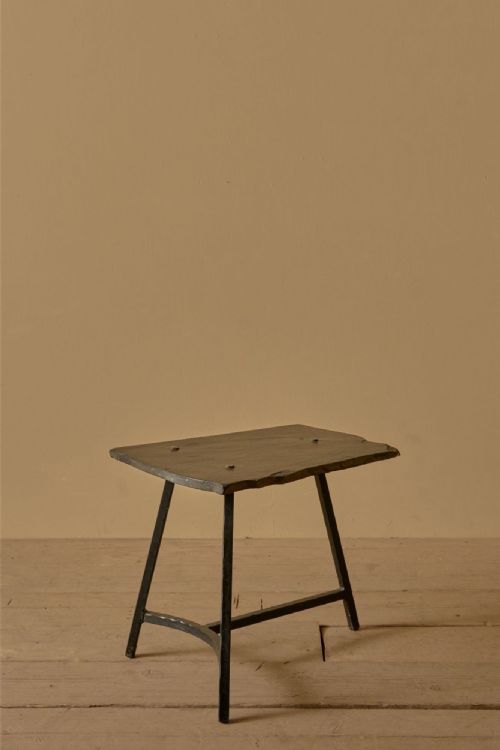
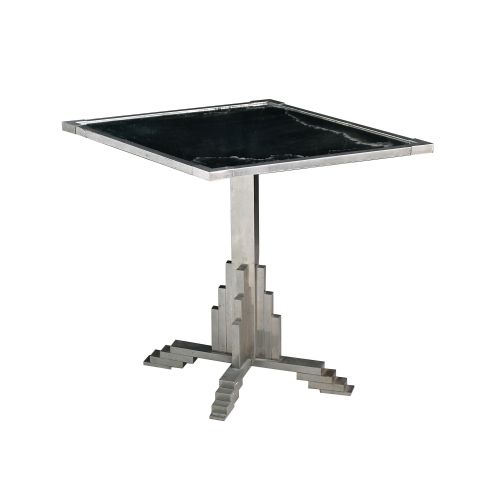
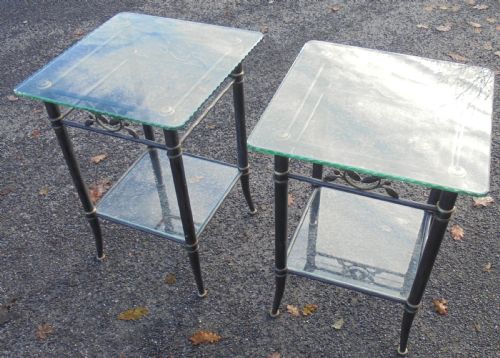
The selections found here lean heavily towards early twentieth-century production, particularly Art Deco and mid-century modern idioms. Designers utilised steel and iron alongside contrasting materials like slate, glass, and chrome to create distinctive silhouettes.
Forms range from compact side tables and sofa tables to occasional tables designed for specific domestic corners. Each item balances dark metallic structures with reflective tops or decorative bases.
Materials and construction
Makers built these frames using durable metals such as steel and iron, often applying dark paint or lacquer finishes to achieve the signature surface. These foundational skeletons provided the rigidity necessary for supporting heavier top insets.
Designers combined the dark metal frameworks with contrasting insets like polished slate, mirrored glass, and clear plate glass. Such pairings highlighted the industrial capabilities of the periods while maintaining a refined domestic appearance.
Black Metal Accent Tables Retail Price Guide 2026
Typical asking prices for black metal accent tables among the pieces listed under this phrase on Sellingantiques today, from the lower quarter to the upper quarter. They describe what is for sale here now, not the wider market.
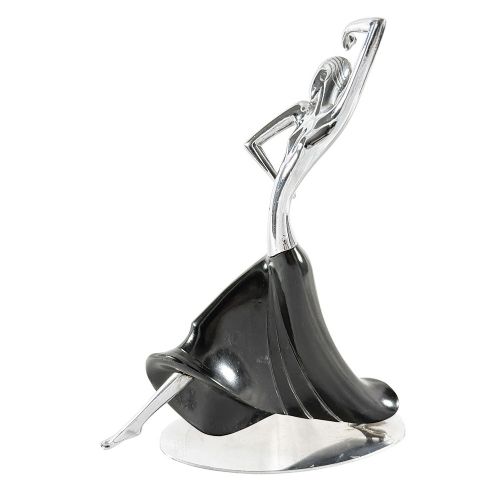
A painted metal figure of a dancing woman brings theatrical movement right beside the tables.
Assessing quality and design
Quality rests in the precision of the metalwork and the integration of secondary materials like slate or glass. Superior examples display seamless joins and harmonious proportions between the dark frame and the surface inset.
The depth and durability of the dark finish dictate the visual strength of the piece. Well-preserved lacquer and painted surfaces retain their character, while lesser examples show wear that disrupts the intended aesthetic.
The Black Metal Accent Tables Glossary
- Side table
- A small table designed to stand beside a sofa or armchair for holding small items. These pieces anchor seating arrangements efficiently.
- Occasional table
- A movable table intended for intermittent use in a principal room. They offer versatile surface space without dominating a floor plan.
- Art Deco
- A design style characterised by sleek geometric shapes, streamlined forms, and modern industrial materials. It flourished during the nineteen-twenties and thirties.
- Slate
- A fine-grained metamorphic rock used here as a durable, matte surface inset. It provides a heavy, tactile contrast to polished metal frames.
Black Metal Accent Tables: Frequently Asked Questions
What periods do these tables represent?
The pieces span the nineteenth century through the mid-twentieth century, encompassing Edwardian designs alongside later modernist movements.
Art Deco and mid-century modern aesthetics dominate the selection, showing how dark metal was adapted across decades.
How were these tables used originally?
They served as auxiliary surfaces in principal rooms, holding lamps, decorative objects, or reading materials beside seating.
Their compact footprints allowed them to fit easily into corners or tight spaces within period interiors.
What materials accompany the metal frames?
Makers combined steel and iron with glass, mirrored surfaces, and natural slate to form the table tops.
These contrasting textures enhanced the visual appeal of the dark metallic structures.
How do I identify an Art Deco piece?
Art Deco examples feature geometric lines, polished chrome elements, and streamlined silhouettes typical of the interwar years.
They often eschew heavy ornamentation in favour of clean, functional geometry.