



Black Iron Side Table
These black iron side table pieces bring sturdy metal frames and classic surfaces together for practical daily use.
Black Iron Side Table
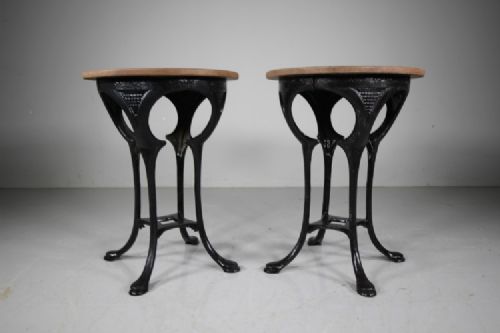
A black iron side table brings together a sturdy metal base with a fitted top, forming a robust piece for daily use. You will often encounter these items in Victorian, Edwardian, and mid-century designs, reflecting practical origins in homes, pubs, and cafes.
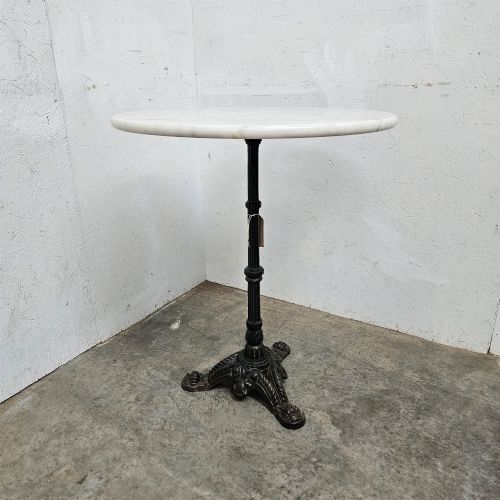
Origin styles range widely across the listings, covering French Bistro, Industrial, Arts and Crafts, and Victorian pieces. Buyers seeking a black iron side table can expect to find utilitarian forms adapted from sewing bases, pub tables, and cafe furniture.
How they were made
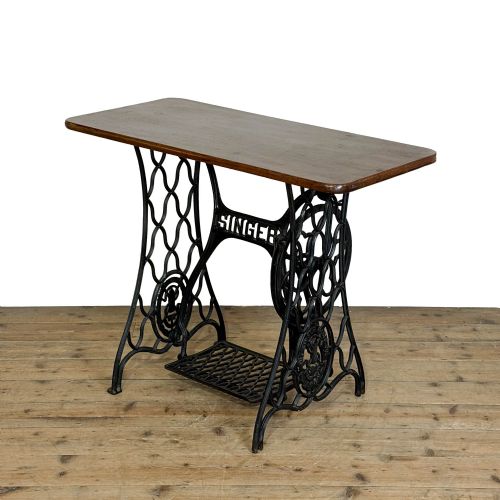
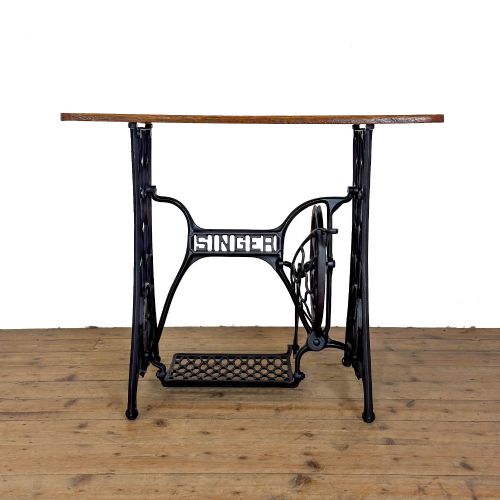
Makers constructed the structural frames of these pieces using cast iron, steel, and general ironwork, often employing scroll work or repurposed factory machine bases like sewing machine stands. These robust metal foundations provide the structural integrity expected of industrial and period furniture.
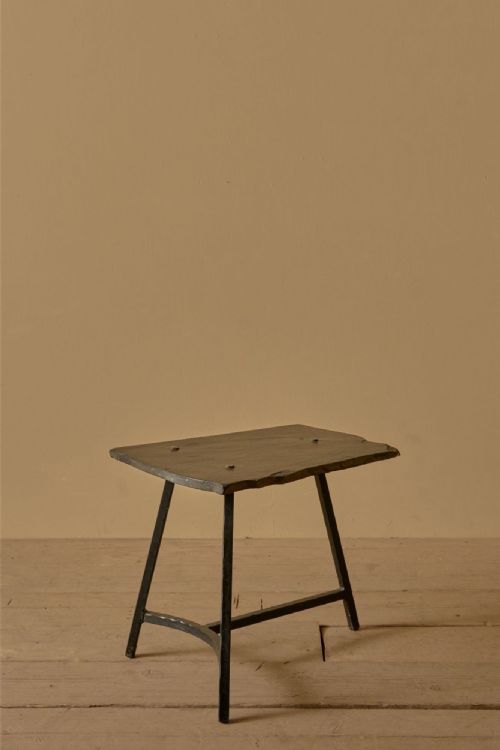
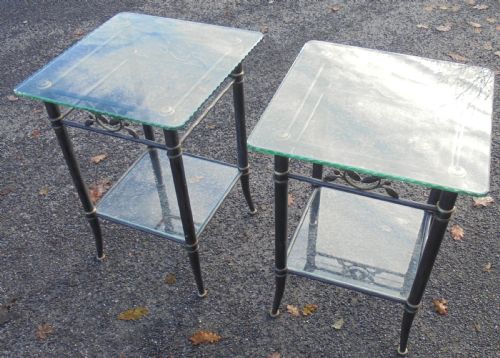
Surfaces were completed using a variety of contrasting materials including marble, slate, glass, mahogany, oak, and timber. These tops were fitted directly onto the metal frames, combining heavy industrial bases with domestic or commercial table surfaces.
Black Iron Side Table Retail Price Guide 2026
Typical asking prices for black iron side table among the pieces listed under this phrase on Sellingantiques today, from the lower quarter to the upper quarter. They describe what is for sale here now, not the wider market.
Some tables began their working lives as sewing machine stands or pub furniture before finding new roles indoors.
What varies in quality
Quality in these pieces rests upon the integrity of the original metal frame and the authenticity of its paired top, such as original marble or mahogany. Pieces retaining their original fitted surfaces demonstrate higher historical fidelity than those with later replacements.
The refinement of the ironwork itself, ranging from detailed Victorian scroll work to simple industrial casting, dictates the visual sophistication of the table. Better examples show crisp casting details and harmonious proportions between the heavy base and the top.
Archibald Knox·Jones Sewing Base·Singer Sewing Machine
The Black Iron Side Table Glossary
- Cast iron
- A strong, rigid alloy poured into moulds to create intricate frames, heavily utilised in Victorian and Edwardian table bases. This material allows for decorative scroll work and industrial strength.
- Bistro table
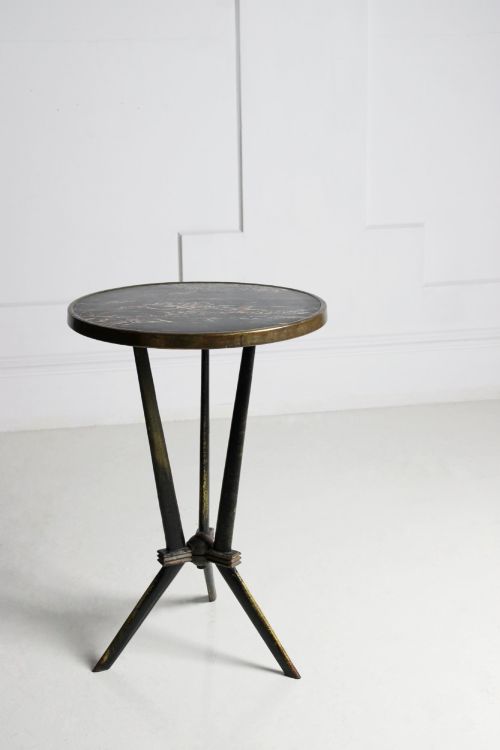
- A small table traditionally found in cafes and pubs, often featuring a single central iron column or three legs. These tables are designed for compact spaces and heavy daily use.
- Occasional table
- A small, versatile table intended for use as needed rather than for a permanent specific function. They appear frequently in Victorian and later domestic settings.
- Console table
- A table designed to stand against a wall, frequently supported by brackets or pillars. The evidence shows iron and portico examples adapted for plant stands or narrow spaces.
- Statuary marble
- A fine, high-grade white marble often used for classical sculpture and luxury table tops. It provides a smooth, cool surface frequently paired with French iron bases.
Black Iron Side Table: Frequently Asked Questions
What are these tables made from?
These tables combine metal frames of cast iron, steel, and general iron with surfaces made from marble, slate, wood, glass, and timber.
Makers utilised industrial components, sewing machine bases, and pub table frames to support these diverse top materials.
Where were these tables used originally?
Many of these pieces originated in practical environments such as French bistros, cafes, pubs, and patisseries.
Others served domestic roles in Victorian and Edwardian homes as occasional tables, side tables, and plant stands.
How do I identify a Victorian piece?
Victorian examples often feature distinct characteristics such as cast iron scroll work, Britannia pub table designs, or original mahogany tops.
These pieces reflect the manufacturing styles and domestic requirements of the nineteenth century.
Are the table tops original?
Many listings specify original surfaces, such as original marble, original mahogany, and slate tops fitted to period iron bases.
Examining the fit and materials helps determine whether the top matches the age and origin of the metal frame.