



Vintage Metal Planter Box
These vintage metal planter box pieces bring character and botanical display indoors or out.
Vintage Metal Planter Box
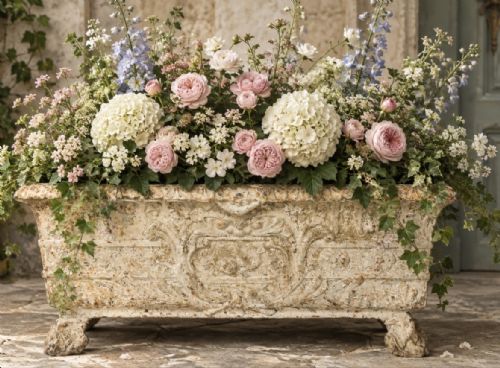
A vintage metal planter box brings utility and decorative form together, housing plants in settings from conservatory to patio. The search phrase covers a range of heavy and ornate vessels designed for botanical display, from domestic interiors to garden grounds.
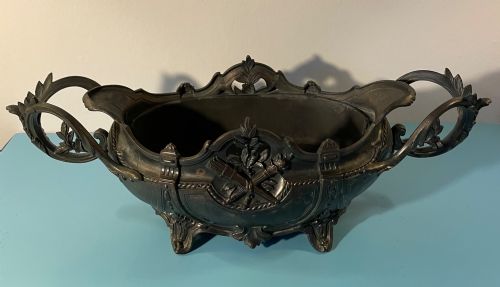
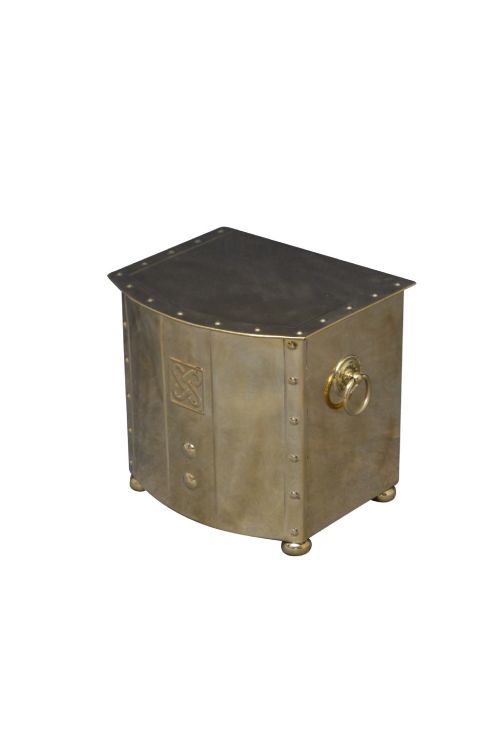
Most pieces seen here originate from the nineteenth and twentieth centuries, taking the form of jardinieres, garden planters, window boxes, and coal bins adapted to planting. French revival, Edwardian, and Arts and Crafts styles dominate the aesthetic range.
Materials and construction
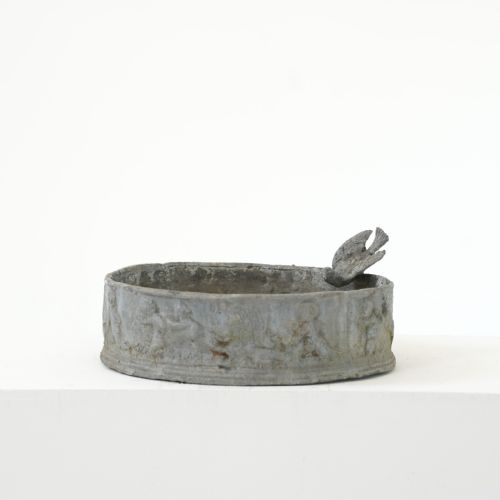
Makers utilised durable metals including brass, cast iron, wrought iron, and lead, often shaping them through casting or hand-wrought strapwork. Repoussé brass work appears alongside heavier structural iron, showing varied approaches to vessel construction.
Wooden elements occasionally supplement the metal framework, as seen in mahogany cellarettes and jardinieres of the Victorian period. Surface decoration relies on the natural patination of the metal or detailed hand-hammered animal motifs.
Animal heads peer out from some nineteenth century brass planters, watching over the soil.
Assessing the workmanship
Quality rests in the weight of the casting and the crispness of decorative details, such as animal heads or repoussé patterns. Lighter utilitarian pieces contrast with heavier conservatory planters designed to bear significant soil and plant mass.
The integrity of the metalwork and the survival of original surface finishes determine the standing of each vessel. Finer examples display deliberate artistic styling, bridging purely functional garden containers and decorative salon furnishings.
The Vintage Metal Planter Box Glossary
- Jardiniere
- An ornamental pot or stand for plants. These decorative vessels often sit on interior tables or floor stands.
- Repoussé
- A metalworking technique where the metal is hammered from the reverse side to form a raised design in relief. This creates tactile surface patterns on brass vessels.
- Strapwork
- Ornamental work consisting of flattened bands or ribbons, often intersecting in elaborate patterns. Wrought iron strapwork provides both structural reinforcement and visual detail.
- Cellarette
- A lockable container used for storing bottles, which period pieces often share in form with interior planters and log bins. They reflect fine cabinet-making traditions adapted to metal-lined interiors.
Vintage Metal Planter Box: Frequently Asked Questions
What is a vintage metal planter box used for?
These vessels serve primarily to hold potted plants and floral arrangements, acting as decorative containers for both indoor rooms and garden conservatories.
Historically, similar forms also functioned as coal bins, log buckets, or bottle cellarettes before finding new life in horticulture.
How do I date a metal planter?
Dating relies on stylistic clues like Arts and Crafts hand-hammered details, Victorian aesthetic preferences, or French revival motifs.
Construction methods such as heavy sand casting versus wrought iron strapwork also point to specific nineteenth or twentieth-century eras.
Can these planters stay outside?
Cast iron, wrought iron, and lead vessels handle outdoor garden environments well, developing stable patinas over decades of exposure to the elements.
Brass and copper pieces, particularly those with delicate repoussé work, generally suit indoor placement or sheltered conservatory settings.
How should I clean a vintage brass planter?
Dust gently with a soft dry cloth to preserve the aged surface patinas that accumulate over the centuries.
Avoid harsh chemical polishes that strip away the historical character and darkening built up on brass and copper.