

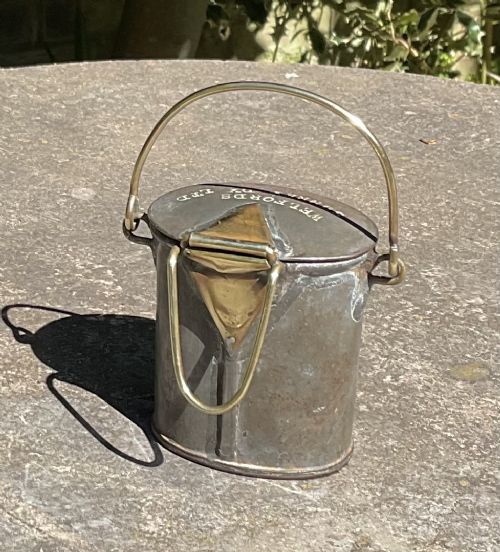
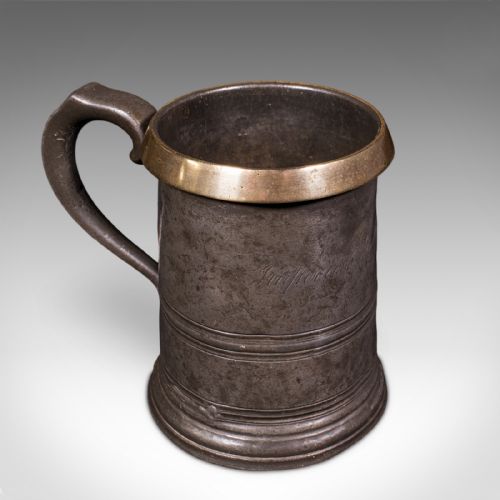


Vintage Metal Jugs
Vintage metal jugs bring substantial weight and utilitarian form to domestic spaces, spanning tavern measures and fluid serving vessels.
Vintage Metal Jugs
Vintage metal jugs encompass a broad category of pouring vessels, liquid measures, and flagons used for domestic, agricultural, and tavern service. These pieces trace origins from the eighteenth century through the Edwardian period, capturing changing functional and decorative tastes.
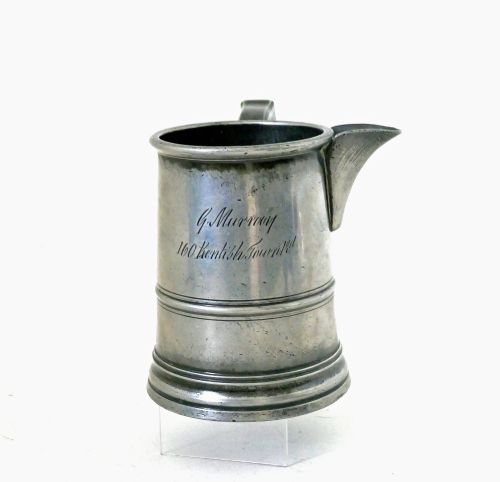
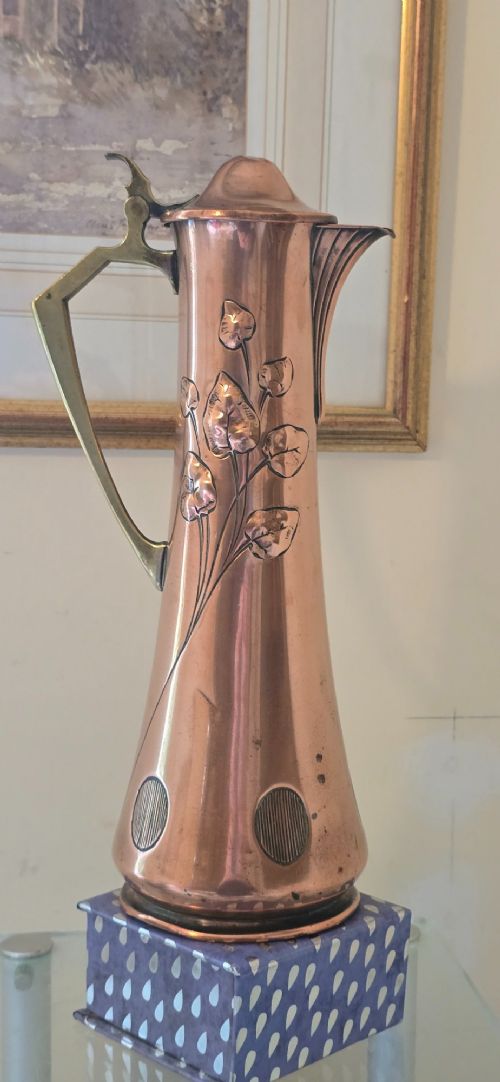
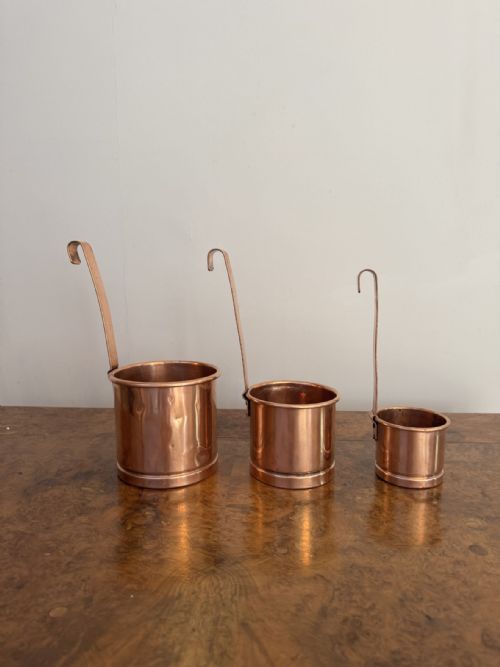
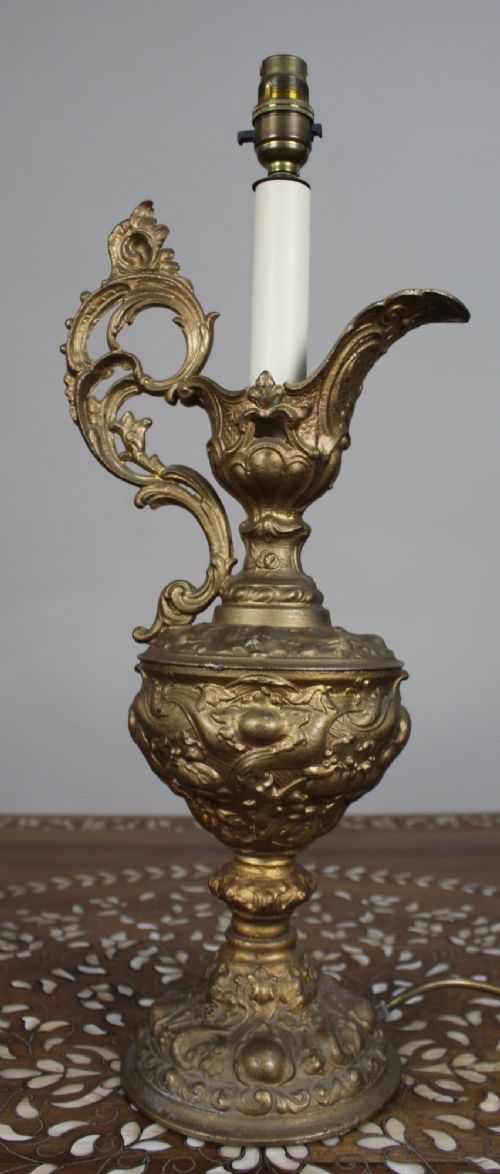
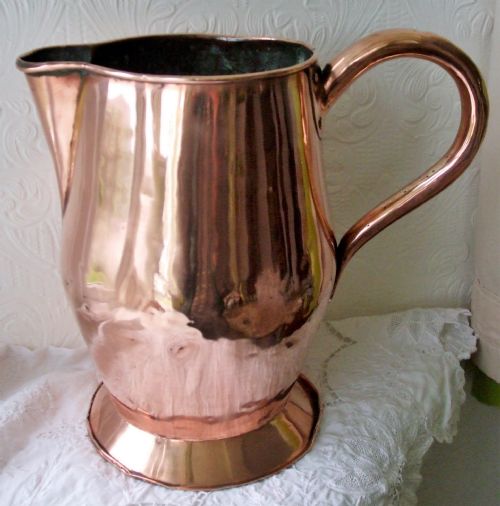
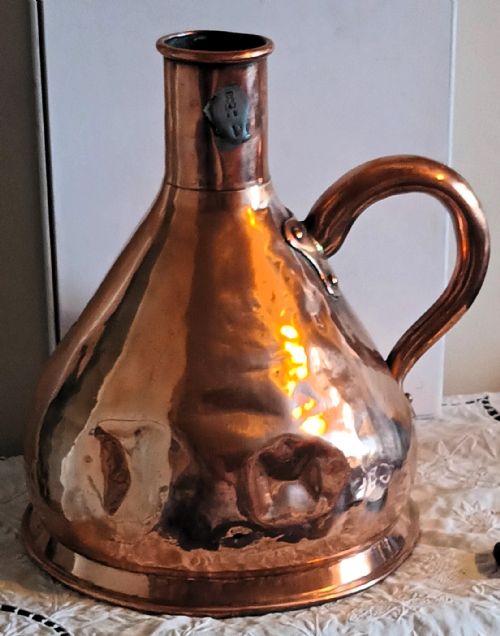
Buyers encountering this selection will frequently find nineteenth-century copper measuring jugs, Victorian pewter tankards, and distinctive Arts and Crafts or Art Nouveau designs. Forms range from utilitarian dairy cans and gallon measures to elaborate floral-relief ewers.
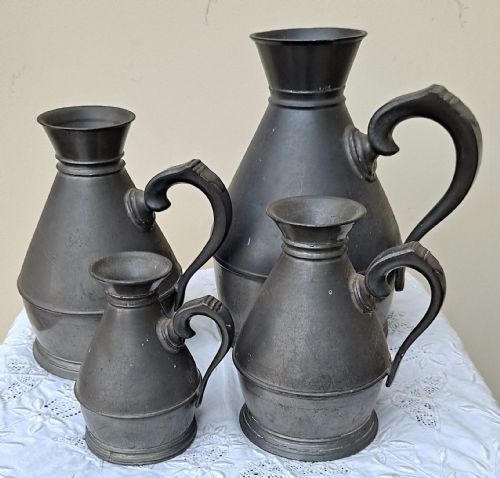
Geographic variations appear distinctly across the selection, featuring English tavern gear, Scottish pint and tappit hen measures, Irish haystack sets, and continental European copper and pewter production. Each piece reflects the specific regulatory or domestic pouring standards of its region of origin.
Evaluating craftsmanship and condition
Maker attribution and official verification marks elevate the standing of individual vessels, distinguishing unmarked vernacular items from signed studio metalwork. The preservation of original surface patination and authentic capacity stamps dictates the desirability within historical metalware.
Listings feature copper, pewter, brass, and toleware, spanning Georgian, Victorian, and Arts and Crafts periods.
Joseph Sankey·Archibald Knox·Liberty and Co·Armada Pewter·J. Bower·Orme Evans and Co·WMF
The Vintage Metal Jugs Glossary
- Haystack measure
- A distinctively shaped Irish or English pewter or brass measuring vessel characterised by a tapering cylindrical body resembling a haystack stack. These were utilised commercially for ale and spirits.
- Tappit hen
- A traditional Scottish pewter liquid measuring jug featuring a distinct lid with a knob and a tap or pouring lip. These carry specific capacity denominations such as Scots pint.
- Tudric
- A trade name used by Liberty and Co for pewter wares produced largely during the early twentieth century. Designers such as Archibald Knox frequently contributed to this range.
- Toleware
- Japanned or painted metalware, usually tinplate or iron, finished with layers of lacquer or enamel. These containers were widely used for domestic water transport and kitchen storage.
- Flagon
- A large drinking vessel with a handle and lid designed for holding liquids, particularly ale or wine. Early examples often feature tall spires or heavy thumbpieces.
- Breweriana
- Collectable items associated with the brewing and serving of beer, including public house tankards and public service liquid measures. These pieces often bear verification stamps.
Vintage Metal Jugs: Frequently Asked Questions
What are vintage metal jugs made from?
The selection relies heavily on copper, brass, and pewter, alongside examples in silver plate, tin, and painted iron. Each material served specific practical demands, from the thermal conductivity required for copper coffee pots to the durable alloy composition of tavern tankards.
Manufacturers matched the metal to the intended function, ensuring vessels intended for daily pouring or fluid measurement withstood heavy handling while maintaining structural integrity over generations.
How were pewter measures used historically?
Pewter measures acted as standardised volumetric containers in taverns, inns, and domestic households to dispense ale, wine, and spirits accurately. Capacity marks stamped onto the body or rim guaranteed fair trade for customers.
These vessels transitioned from commercial counters to domestic displays as modern glass packaging replaced metal containers in public houses during the late Victorian era.
How can I identify an Arts and Crafts jug?
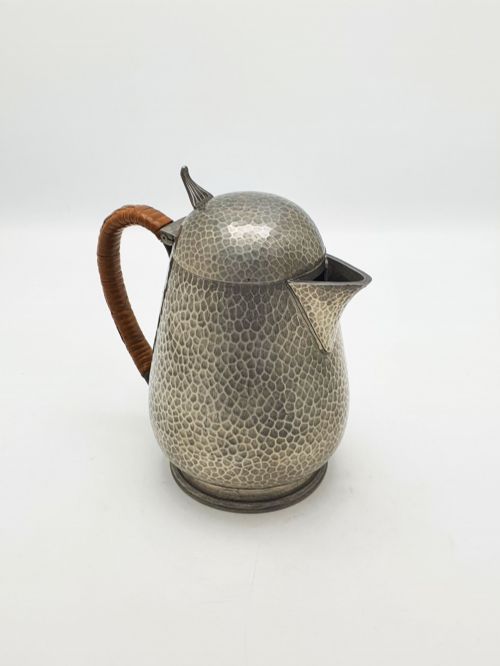
Arts and Crafts pieces emphasise honest construction, hand-behammered surfaces, and functional simplicity over excessive ornament. Look for visible rivet lines, subtle patination, and organic motifs executed in copper or Tudric pewter.
Handles frequently incorporate alternative materials like woven cane or incorporate stylized floral and geometric relief typical of early twentieth-century design workshops.
How should I clean antique copper and pewter?
Preserving historical metalwork requires minimal intervention to protect the natural oxidation and patination accumulated over decades of use. Gentle dusting and occasional soft cloth wiping prevent surface accumulation without stripping the character.
Harsh chemical polishes remove the aged surfaces that collectors value, so historical items are best kept dry and away from damp environments to halt active oxidation.