
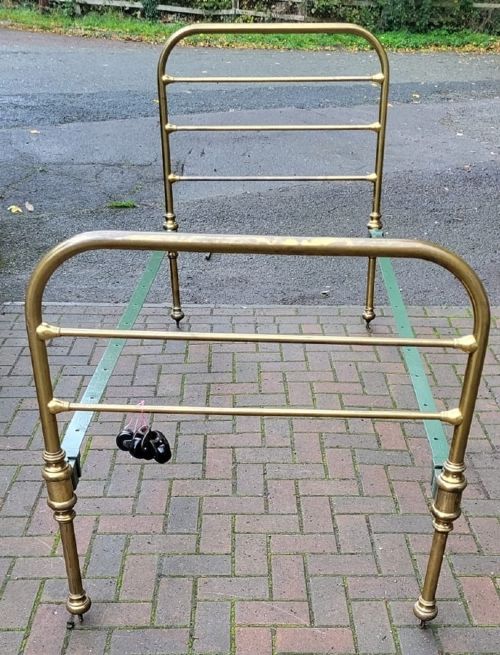

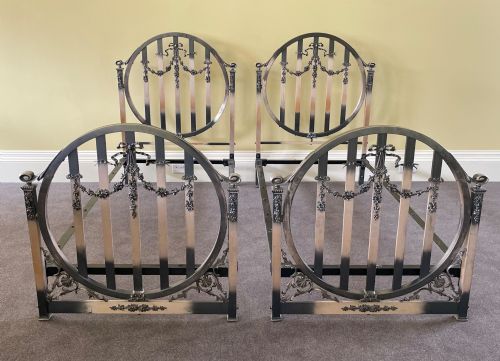
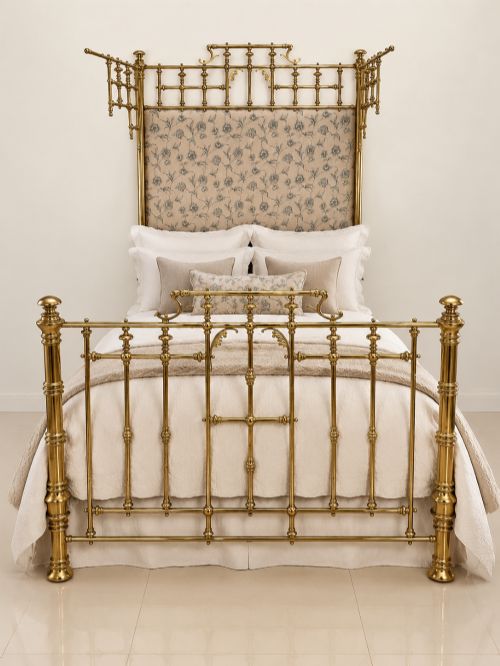
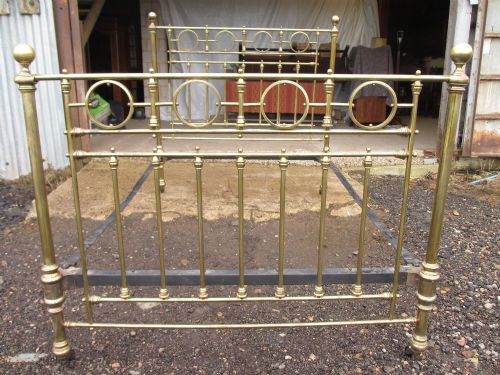

Vintage Metal Headboards
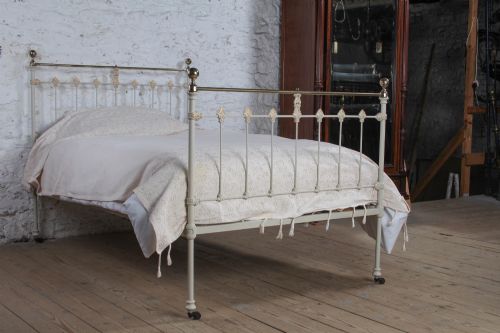
These vintage metal headboards anchor a room with heavy cast iron and gleaming brass, bringing solid nineteenth-century weight to a modern bedroom.
Vintage Metal Headboards
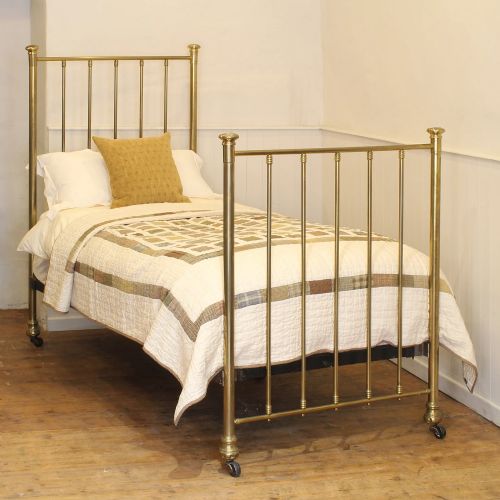
When buyers search for vintage metal headboards, they are looking at heavy bedframes and bedsteads originating mostly from the Victorian and Edwardian periods, stretching from the mid-nineteenth century into the early twentieth century. These pieces combine structural iron with decorative brass components, forming substantial architectural elements for double, king, and super king beds.
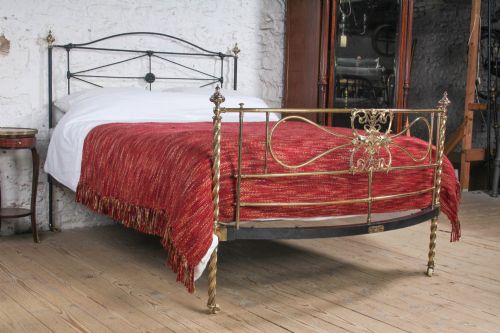
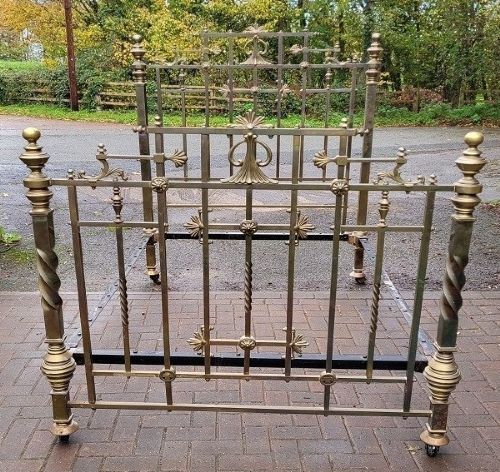
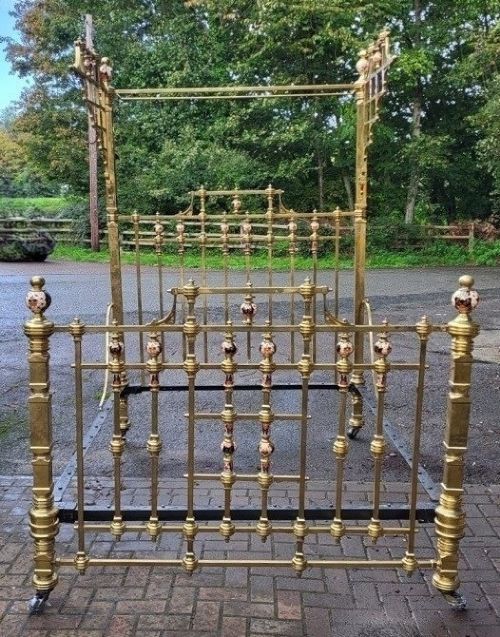
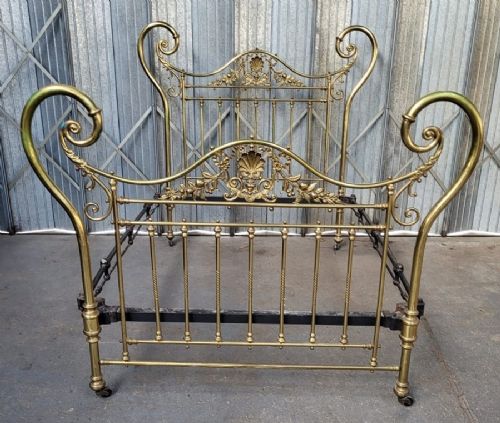
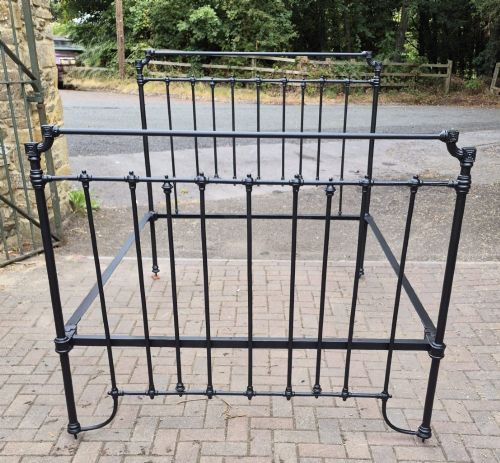
The version most commonly met on this page is the Victorian brass and iron bedstead, often featuring ornate casting, ceramic details, and distinctive side rails. Examples span simple straight-rail formats up to exhibition-quality half tester designs and gothic revival pieces, reflecting the diverse manufacturing output of nineteenth-century foundries.
Materials and construction methods
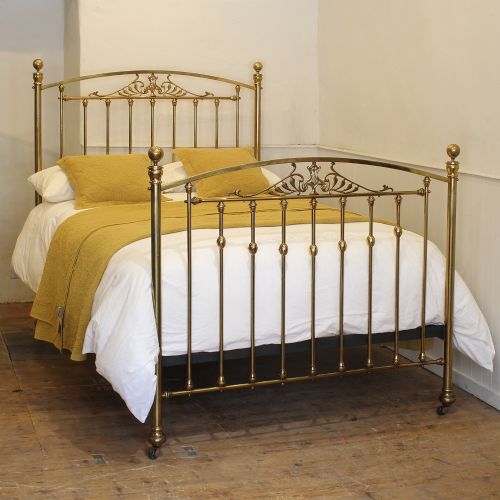
Foundries built these frames using a combination of cast iron, wrought iron, and structural steel for the weight-bearing chassis and side rails. Manufacturers applied brass plating or solid brass tubing over iron cores for decorative posts and top rails, frequently incorporating nickel plating or applied paint finishes to achieve varied appearances.
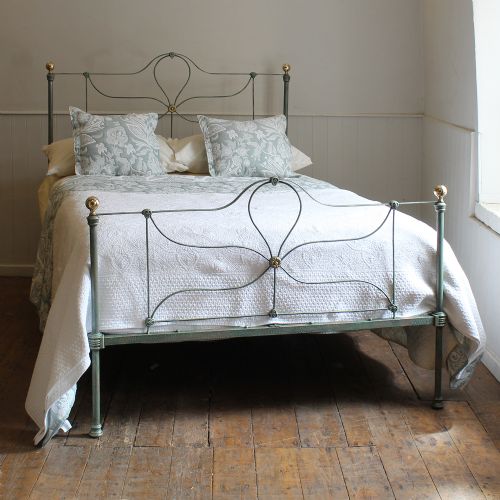
Makers integrated ceramic components and cast metal joints, securing the structure with integrated slot-in frames set on castors. Skilled metalworkers shaped iron through casting and forging, producing tapered posts, ornate curly scrollwork, and dip rails that defined the period style.
Several beds include integrated castors designed to let nineteenth-century staff effortlessly glide heavy furniture across the carpet for morning sweeping.
Assessing quality in period metal beds
Quality separates standard utilitarian sleeping frames from exhibition-grade pieces through the crispness of the brass castings, the weight of the ironwork, and the complexity of the decorative detailing. Superior examples feature heavier gauge metal, refined joints, and intricate ornamentation such as Celtic revival motifs or aesthetic movement patterns.
The presence of original manufacturer stamps, specialised hardware, and intact nickel plating or ceramic mounts elevates a piece above anonymous factory output. Better proportioned frames display careful alignment in their arched rails, tapered posts, and balanced brass and iron combinations.
Winfield·Maple and Co·Hoskins and Sewell·James Shoolbread and Co
The Vintage Metal Headboards Glossary
- Bedstead
- A framework of a bed supporting the mattress and springs. These metal versions combine iron and brass components.
- Half Tester
- A canopy that extends partway over the head of a bed. This style is found on grander Victorian brass examples.
- Dip Rail
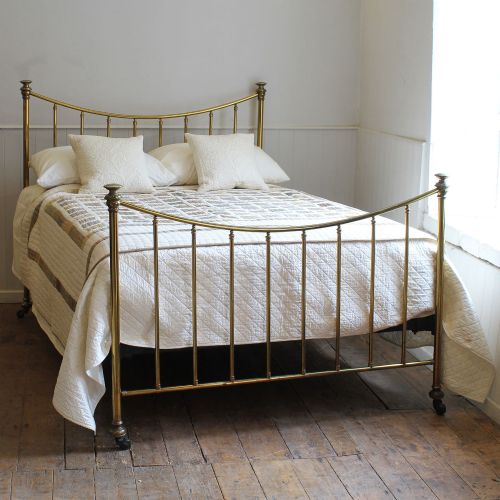
- A top rail that curves downwards in the centre. This profile appears frequently on Edwardian and Victorian designs.
- Castor
- A small wheel mounted on a swivel attached to the foot of a bed leg. These facilitate movement across flooring.
- Nickel Plating
- A protective and decorative coating applied to metal surfaces. This finish provides a bright silver-coloured appearance on specific Edwardian frames.
Vintage Metal Headboards: Frequently Asked Questions
How do I fit a modern mattress?
Most vintage metal headboards and bedsteads operate as complete bed frames with side rails that accommodate standard contemporary mattress sizes when paired with appropriate modern slatted bases or supportive foundations.
Buyers should measure the internal width and length between the existing side rails to ensure compatibility with standard double, king, or super king mattress dimensions before purchase.
Are these beds easy to assemble?
Period metal beds utilise simple slot-in iron frames and tapered joints designed for straightforward manual assembly without complex modern tools.
The heavy cast iron and brass components require two people to position safely during construction and placement within a bedroom.
How do I care for brass and iron?
Maintenance involves dusting regularly with a dry cloth and occasionally treating unlacquered brass components with a suitable metal polish to preserve their brightness.
Painted iron surfaces require simple wiping with a damp cloth, avoiding harsh chemical cleaners that might compromise the original finish.
How do I date a metal bed?
Dating relies on stylistic clues such as the presence of Gothic revival or Aesthetic movement motifs for mid-Victorian pieces, compared to simpler dip rails characteristic of Edwardian production.
Maker stamps and manufacturer names cast into the iron components provide direct historical attribution for workshop-built examples.