


Antique Portuguese Furniture
These pieces of antique portuguese furniture bring rich rosewood, walnut, and intricate brass or bone inlay into domestic spaces.
Antique Portuguese Furniture
The aesthetic bridges domestic European craftsmanship with broader colonial connections, taking shape in styles such as Portuguese Baroque, Portuguese Rococo, Portuguese Colonial, and Indo-Portuguese. Walnut and rosewood dominate the physical forms, often displaying regional proportions and traditional joinery.
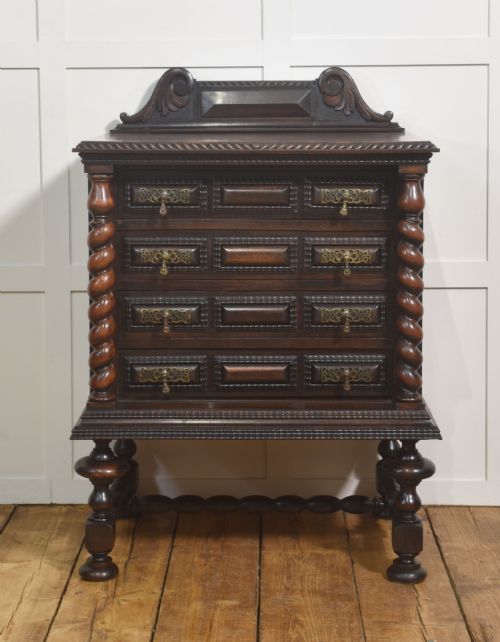
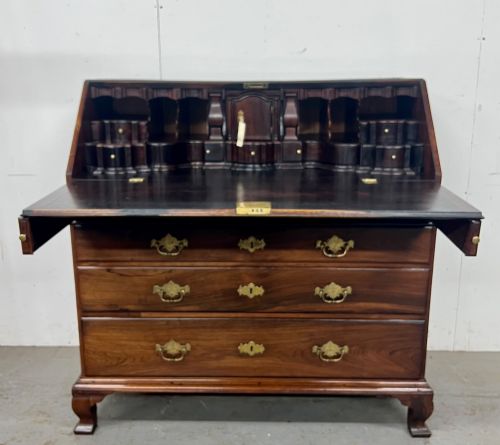
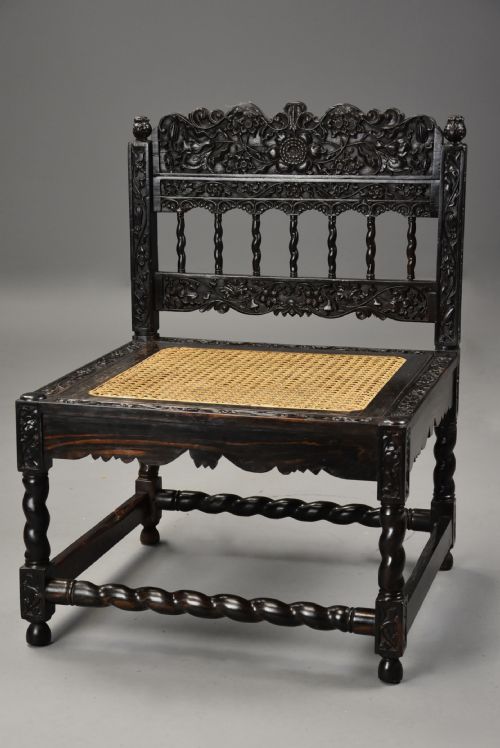
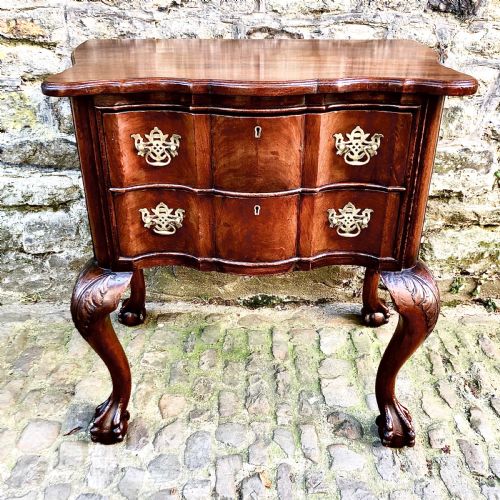
Earlier centuries appear through solid ebony low chairs and bone-inlaid walnut side chairs, whilst later periods yield rosewood bureaux, serpentine commodes, and small single beds. Each object reflects the specific stylistic shifts of Iberian cabinet making across three hundred years.
Materials and construction methods
Makers utilised dense hardwoods including rosewood, walnut, mahogany, and solid ebony, which were frequently carved with deep relief or turned structural members. These sturdy timbers formed the carcasses for chests of drawers, bureaux, and large tables designed for longevity.
Decoration relied on contrasting inlays of bone, tortoiseshell, and brass, alongside intricate surface carving. Structural stability was achieved through traditional framing methods appropriate to the specific period, such as the seventeenth-century styles originating from the Coromandel Coast.
Antique Portuguese Furniture Retail Price Guide 2026
Typical asking prices for portuguese furniture among the pieces listed under this phrase on Sellingantiques today, from the lower quarter to the upper quarter. They describe what is for sale here now, not the wider market.
Current listings feature furniture spanning the 17th, 18th, and 19th centuries, constructed from rosewood, ebony, walnut, cane, and bone.
Assessing quality in the pieces
Quality rests in the selection of the timber grain, particularly in rosewood and walnut surfaces, and the crispness of carved details. Pieces that retain their original brass hardware and precise bone inlay stand apart from later replacements.
Structural integrity of the joints in side chairs, low tables, and cabinets on stand determines the longevity of the object. The subtlety of proportion in serpentine commodes and chests of drawers further separates standard regional work from finer examples.
The Antique Portuguese Furniture Glossary
- Indo-Portuguese
- Furniture produced in Portuguese colonial territories in India, combining local hardwoods like ebony with European forms. These pieces often feature dense carving and exotic materials.
- Serpentine commode
- A chest of drawers characterised by a wavy, undulating front contour. This curved form requires advanced cabinet making skill to execute correctly in solid rosewood or walnut.
- Bureau
- A sloping desk enclosing a fitted interior of small drawers and pigeonholes, usually resting upon a base of drawers. It serves as a dual-purpose writing and storage piece.
- Cabinet on stand
- A large storage enclosure elevated on a separate support frame with legs. This form showcases decorative timbers and elaborate hardware at eye level.
Antique Portuguese Furniture: Frequently Asked Questions
What periods do these pieces cover?
The listings encompass items dating from the seventeenth century through to the early twentieth century. This spans several distinct eras of design, including seventeenth-century styles and later nineteenth-century walnut and rosewood production.
Each period exhibits characteristic treatments of timber and decorative inlay, reflecting the shifting tastes of Iberian and colonial workshops.
How do I care for rosewood furniture?
Rosewood requires stable indoor humidity and protection from direct sunlight to prevent the timber from drying out or fading. Regular dusting with a soft, dry cloth maintains the polished surface without the need for heavy chemical waxes.
Keeping the environment consistent preserves both the structural integrity of the joints and the natural oils within the dense wood.
Are these beds suitable for daily use?
The single beds listed from the early twentieth century can be joined together for practical domestic arrangements. Their solid construction allows for modern mattresses while retaining their original period appearance.
Buyers should verify the internal dimensions to ensure standard bedding fits the antique frames properly.
How are colonial pieces identified?
Colonial and Indo-Portuguese pieces are recognised through the use of non-European timbers such as ebony, combined with traditional European forms like low chairs. The presence of dense, intricate carving points towards workshops operating in overseas territories under Portuguese influence.
These items blend local craftsmanship traditions with the structural requirements demanded by European clients.