


18th Century Rosewood Furniture
These 18th century rosewood furniture pieces bring rich timbers and intricate cabinet-making into a room, offering both history and utility.
18th Century Rosewood Furniture
When you search for 18th century rosewood furniture, you encounter sophisticated timber items spanning bureaux, chests of drawers, tables, and seating. These survivors carry deep grain patterns and dense physical weight that distinguish them from later reproductions.
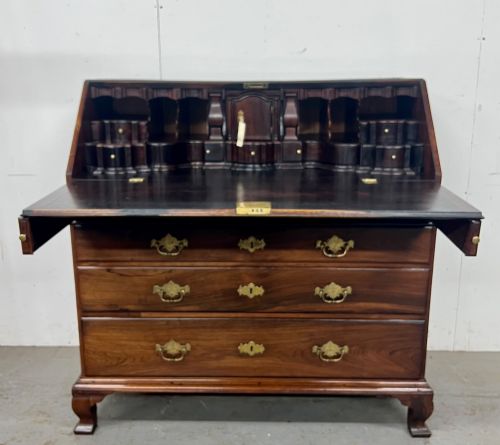
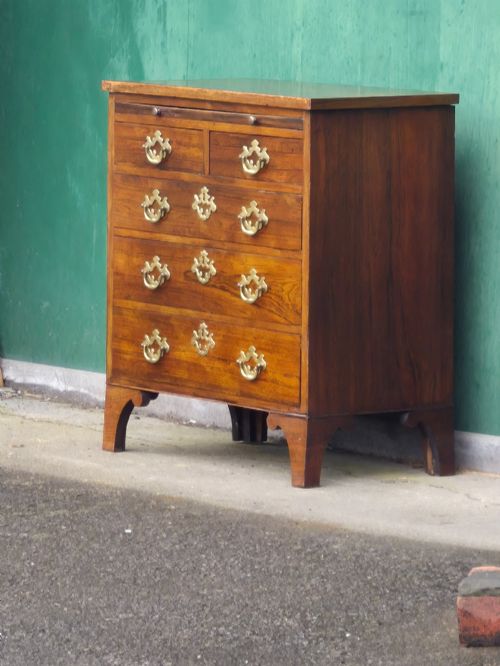
The selections available here lean heavily toward pieces from Georgian Britain, Portugal, and France, reflecting distinct regional tastes in cabinet-making. You will find items ranging from formal serpentine commodes with marble tops to functional occasional tables and writing desks.
Many of these objects combine rosewood with contrasting timbers or decorative hardware, showing the versatility makers demanded during the period. Their forms demonstrate the shift from baroque curves toward more refined neoclassical proportions.
How They Were Made
Makers constructed these pieces using dense solid rosewood or carefully applied veneers over secondary timbers, depending on the region and form. Joinery was executed by hand, utilising traditional dovetails and mortise-and-tenon joints to ensure structural stability.
Surface ornamentation often involved brass or ormolu mounts, intricate marquetry, and trompe l'oeil inlay work to elevate the visual impact. Tops on larger pieces like commodes frequently incorporated fitted marble slabs, requiring precise carpentry to support the heavy stone.
Some tables hide clever trompe l'oeil details designed to trick visitors into seeing objects that are simply flat wood.
What Varies in Quality
The standard of timber selection heavily dictates the overall quality, with densely figured grain and rich colour commanding attention. Superior pieces maintain their original surface patination rather than bearing the flat finish of modern refinishing.
The finesse of the hardware and secondary mountings also separates standard utilitarian items from high-end commissions. Finely chased ormolu, intact original marble tops, and precise joinery distinguish the work of skilled workshops from ordinary production.
The 18th Century Rosewood Furniture Glossary
- Commode
- A low chest of drawers or cabinet originating in France, often featuring a decorative marble top and serpentine front. They served both ornamental and storage functions in formal rooms.
- Bureaux
- A slant-front desk that opens to reveal a fitted interior of small drawers and pigeonholes. They were essential writing and administrative pieces of the period.
- Ormolu
- Gilded bronze used for decorative mounts and furniture hardware. The technique gives metal fittings a rich gold appearance that complements dark timbers.
- Serpentine
- A furniture front or edge that curves outward in the centre and inward at the sides. This shape requires advanced woodworking skill to execute properly.
18th Century Rosewood Furniture: Frequently Asked Questions
How do I clean 18th century rosewood furniture?
Dust regularly with a dry, soft cloth to prevent particle buildup on the aged timber surface. Avoid modern silicone sprays or heavy liquid polishes that can degrade the original finish over time.
Maintain a stable room environment away from direct heat sources and strong sunlight to prevent the rosewood from drying out or splitting. Gentle applications of traditional beeswax can help nourish the grain if the wood appears dry.
Can I use these pieces every day?
These items were built for daily domestic use and remain sturdy enough for normal household activities. However, placing hot cups or moisture directly onto antique wood surfaces should be avoided.
Treat them with the care due to fragile historical objects while still integrating them into your daily living spaces. Simple coasters and protective pads will preserve the timber top for years to come.
How do I identify French pieces?
French items often display pronounced serpentine curves, elaborate ormolu mounts, and sophisticated marquetry patterns. Pieces like the commode or bonnet de jour reflect the specific aesthetic preferences of the French court and regional workshops.
Look for the integration of materials like marble tops and fine brass hardware that characterise continental cabinet-making traditions of the period. The structural proportions typically lean towards decorative elegance alongside practical storage.