



Antique Iron Twin Beds
These antique iron twin beds combine sturdy metal frames with period charm, offering a practical yet decorative sleeping solution for guest rooms.
Antique Iron Twin Beds
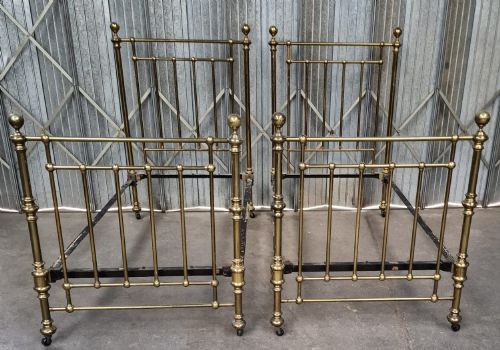
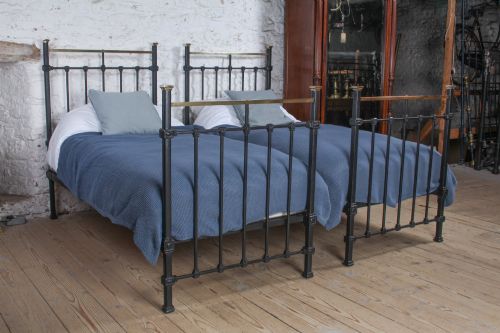
Antique iron twin beds represent a functional category of bedroom furniture primarily dating from the Victorian and Edwardian eras. Buyers searching for antique iron twin beds frequently encounter matching pairs designed to stand separately or join together into a larger configuration.
The selections recorded here span object types including bedsteads, single beds, and bed frames. These pieces originate from various regional traditions such as French Country, Portuguese Traditional, and Classic Victorian.
How they were made
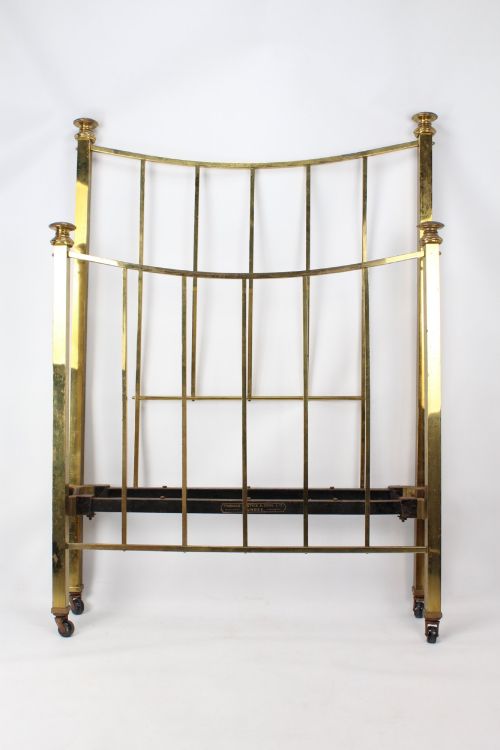
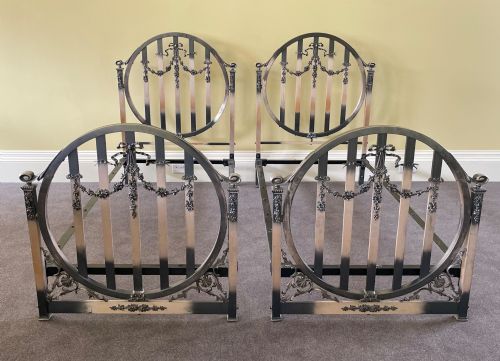
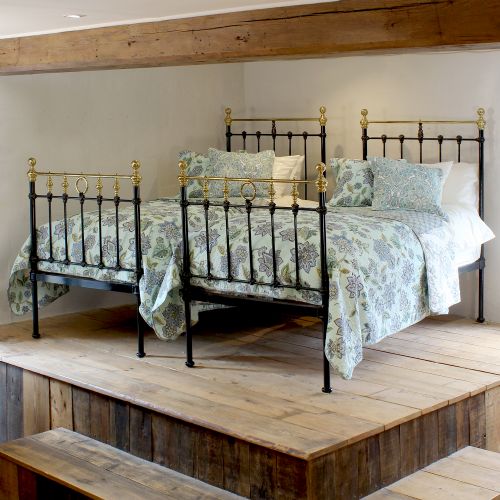
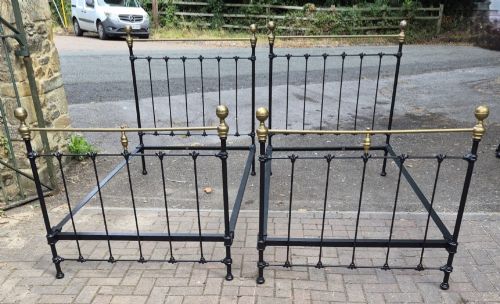
These bed frames utilise durable cast iron, wrought iron, and steel for their foundational structural components. Artisans frequently integrated brass elements, nickel plating, and ceramic details to provide decorative contrast against the dark or painted metal surfaces.
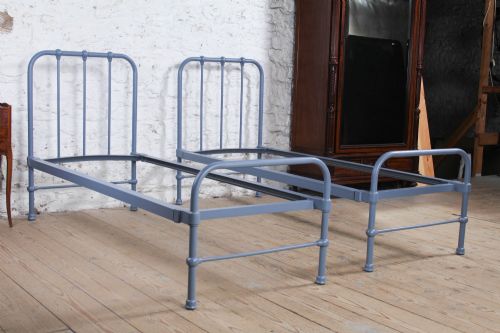
Surface finishes rely on traditional paint applications, including cream, white, and charcoal pigments, alongside polished metal treatments. Many examples incorporate intricate brass decorations or structural rings welded directly into the ironwork.
Antique Iron Twin Beds Retail Price Guide 2026
Typical asking prices for iron twin beds among the pieces listed under this phrase on Sellingantiques today, from the lower quarter to the upper quarter. They describe what is for sale here now, not the wider market.
Several pairs boast the handy ability to unite as one or stand alone, perfect for indecisive sleepers.
What varies in quality
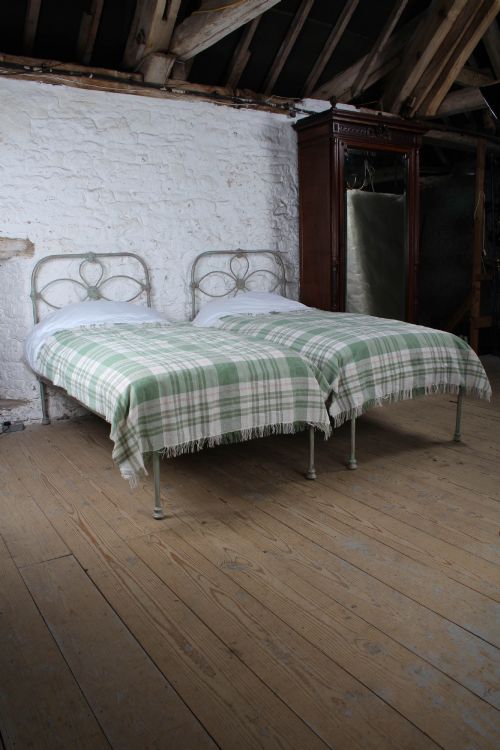
Quality differences emerge in the complexity of the metal casting and the refinement of applied brass or nickel details. Simpler utilitarian frames contrast with ornate Art Nouveau designs that display intricate floral or linear motifs.
The presence of matching pairs with functioning joining mechanisms elevates the desirability of certain bedframes. Superior examples maintain original surface treatments, such as early paint layers or intact nickel plating.
R W Winfield
The Antique Iron Twin Beds Glossary
- Bedstead
- The framework of a bed, including the headboard, footboard, and side rails. This term frequently describes complete antique sleeping structures.
- Cast iron
- Iron poured into a mould to create rigid structural or decorative components. It forms the heavy skeletal base of many nineteenth-century beds.
- Nickel plating
- A thin protective coating of nickel applied over base metals to prevent corrosion and provide a bright, reflective finish. Edwardian makers utilised this technique extensively.
- No end
- A bed design featuring a low footboard or lacking a footboard entirely. This configuration creates an open visual appearance in smaller bedrooms.
- Platform bed
- A bed frame constructed to support a mattress directly without requiring a traditional box spring. Antique variants often utilise rigid iron slats or modern base adaptations.
Antique Iron Twin Beds: Frequently Asked Questions
Can antique iron twin beds be joined together?
Many antique iron twin beds are constructed with compatible dimensions and side rails that allow two single frames to lock or push together into a wider bed.
Buyers should examine the specific listing details to confirm whether joining brackets or matching bases are included with the set.
What mattress sizes fit these historic frames?
Most nineteenth-century single beds accommodate standard modern single or twin mattress dimensions, though slight variations can occur due to historical sizing standards.
Some frames include updated platform bases designed to support contemporary mattresses securely without traditional box springs.
How do I care for painted iron frames?
Maintenance involves gentle dusting with a dry or slightly damp cloth to protect original painted and plated surfaces from moisture accumulation.
Avoiding harsh chemical cleaners ensures that historic patinas and nineteenth-century paint finishes remain intact over time.
What defines an Edwardian iron bed?
Edwardian iron beds typically date from the early twentieth century and frequently showcase lighter proportions influenced by Art Nouveau aesthetics.
These models often feature nickel plating or softer painted tones compared to the heavier, darker cast iron frames of the mid-Victorian period.