
Vintage Metal Frame
These vintage metal frame pieces bring sturdy iron, brass, and industrial utility into modern rooms through beds, mirrors, and shelving.
Vintage Metal Frame
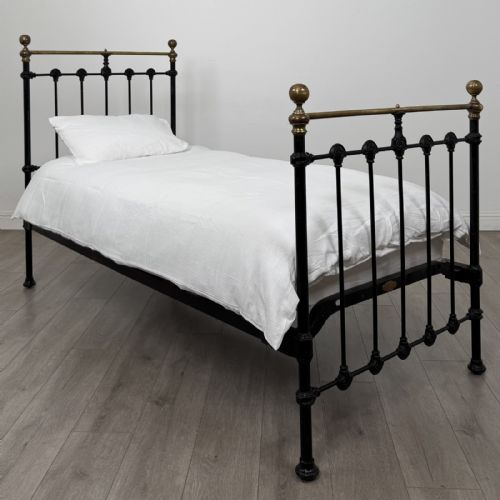
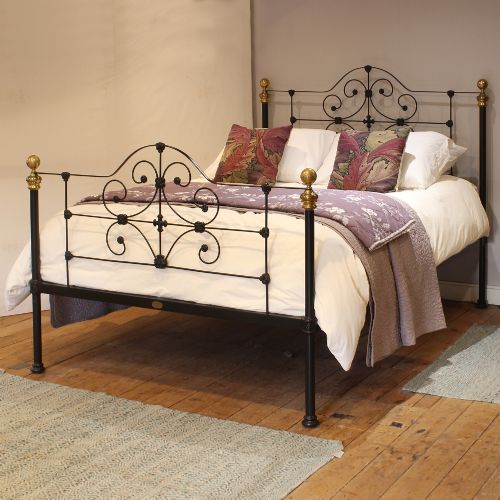
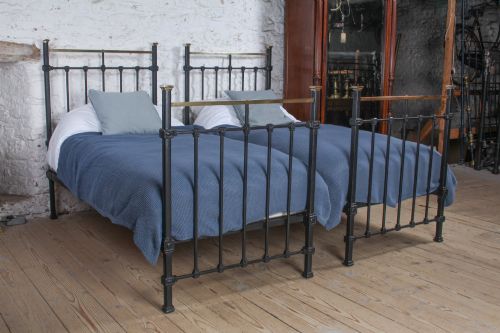
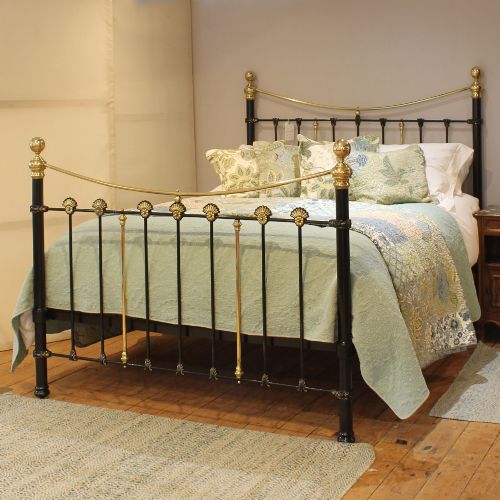
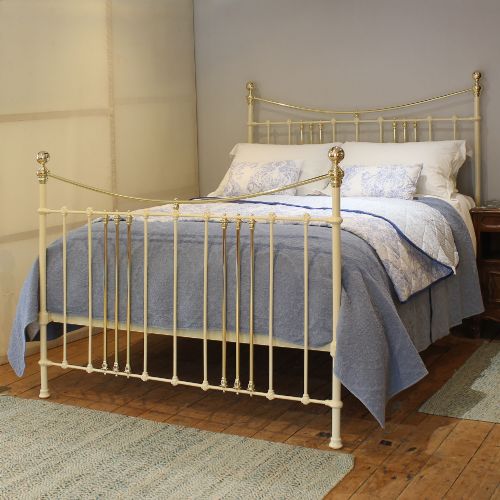
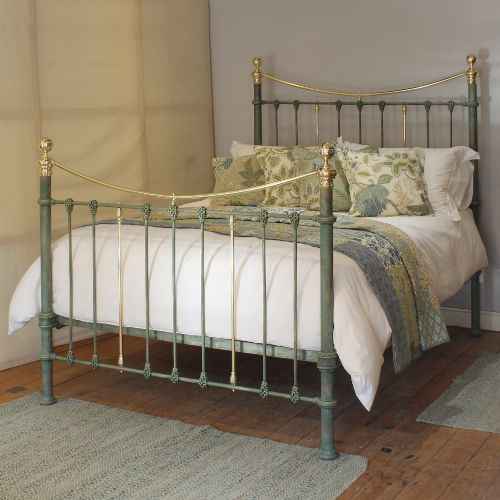
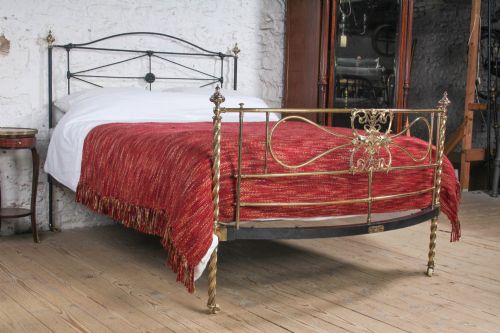
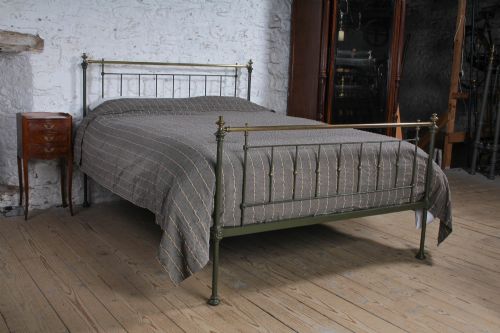
When you search for vintage metal frame, you encounter a robust selection of domestic and garden furnishings spanning the Victorian and Edwardian eras. The majority of these pieces consist of beds and bedframes constructed for everyday functional use in the nineteenth and early twentieth centuries.
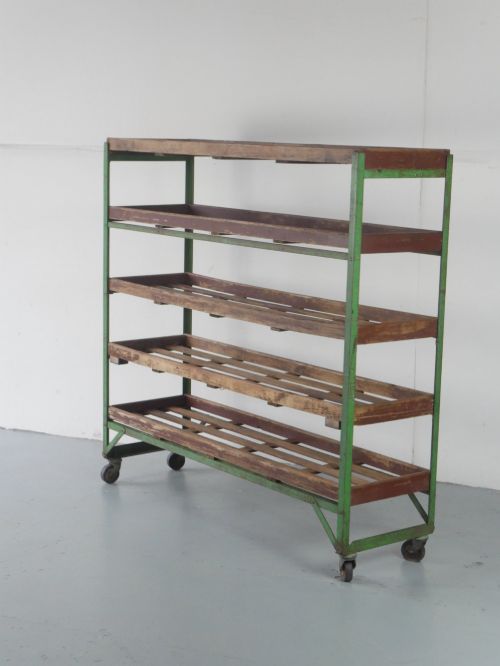
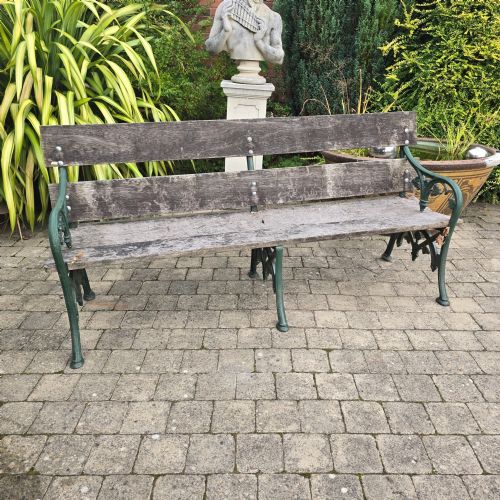
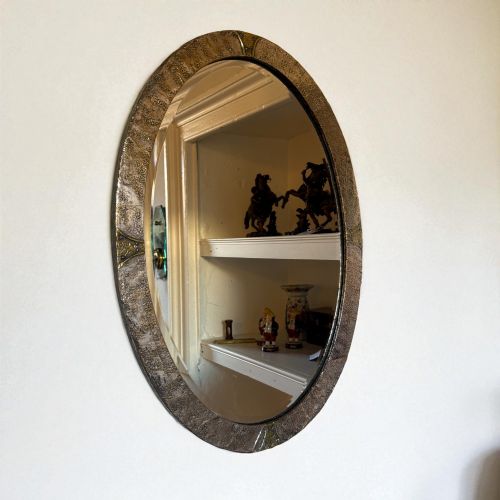
Beyond sleeping furniture, the selection encompasses practical items such as industrial shelving racks, garden benches, and wall mirrors framed in brass or iron. These objects bridge the gap between heavy-duty utilitarian manufacture and domestic decorative arts.
Originating predominantly from the Victorian, Edwardian, and Art Nouveau periods, these items reflect the shift towards mass production alongside retained hand-finished details. They appear in finishes ranging from polished brass to painted cast iron.
How they were made
The primary structural materials recorded are cast iron, wrought iron, and brass, often paired with wooden components or glass elements. Founders poured molten iron into sand moulds to create robust bed ends, decorative panels, and garden benches.
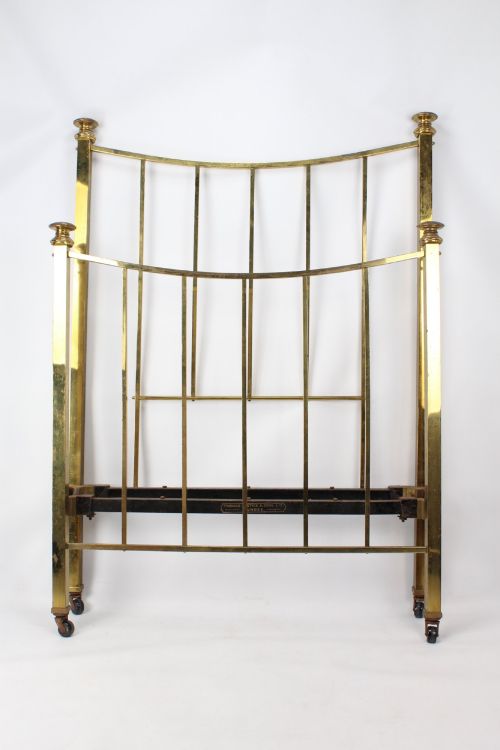
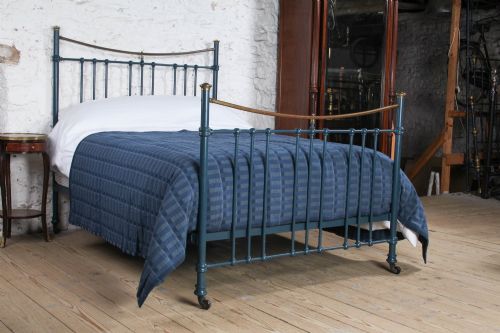
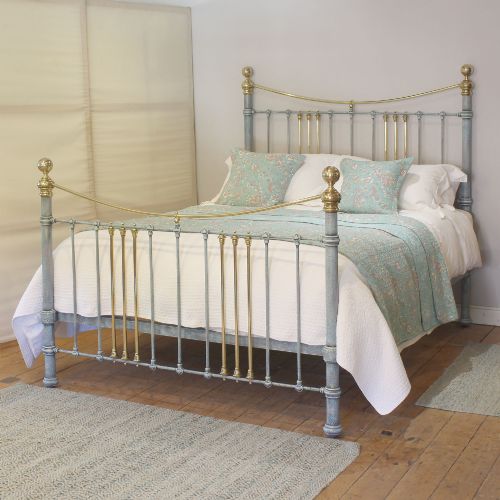
Tubular brass and iron formed lightweight yet durable frames for single and double beds, frequently enhanced by castors for mobility. Surface treatments included black or cream paint finishes, verdigris effects, and hammered metal techniques seen in Arts and Crafts mirrors.
Listings feature items dated across the Victorian and Edwardian periods, utilising iron, brass, wood, glass, and enamel.
What varies in quality
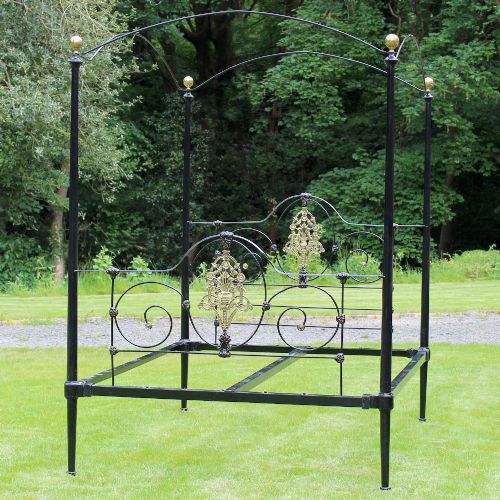
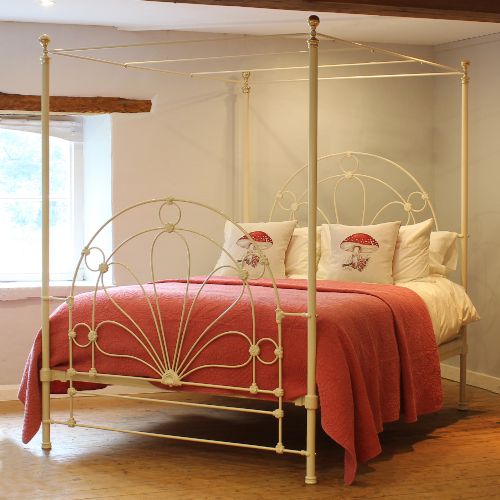
Quality in these metal frames rests upon the integrity of the casting, the complexity of decorative brass mounts, and the preservation of original surfaces. Pieces designated as exhibition quality display finer detailing, superior weight, and intricate design work such as sunburst motifs or half tester canopies.
The degree of preservation in painted or patinated finishes also dictates the character of the piece, distinguishing standard utility items from grander domestic showpieces.
Hoskins & Sewell·Winfield·Horace Hone
The Vintage Metal Frame Glossary
- Bedstead
- A framework supporting a bed, typically comprising headboards, footboards, and side rails constructed from iron or brass.
- Cast Iron
- An iron-carbon alloy poured into moulds to create rigid structural and decorative components like bench ends.
- Half Tester
- A canopy bed with a partial tester or ceiling attached to the headboard rather than supported by four full posts.
- Verdigris
- A green patina formed naturally or artificially on copper, brass, or bronze surfaces through oxidation.
- Dip Rail
- The curved top rail of a bed frame designed to accommodate decorative spindles or tubing.
Vintage Metal Frame: Frequently Asked Questions
Are vintage iron beds difficult to assemble?
Most antique metal bed frames utilise simple slot-in iron joints and side rails that lock together securely without complex modern hardware.
Careful alignment of the original components ensures the structure remains stable once assembled in a bedroom.
How do I clean a brass bed frame?
Maintenance typically involves dusting and gentle cleaning to preserve the original metal finish and any aged patina that has developed over decades.
Harsh chemical polishes should be avoided unless the piece has been previously stripped and modern bright brass is desired.
Will an antique double bed fit modern mattresses?
Nineteenth-century dimensions can occasionally vary slightly from standard contemporary mattress sizes, requiring careful measurement before purchase.
Custom mattress makers can easily supply dimensions that fit snugly within the original iron and brass side rails.
How do I distinguish Victorian from Edwardian iron frames?
Victorian pieces frequently feature heavier cast iron construction with ornate, elaborate decorative motifs and robust brass finials.
Edwardian examples often lean towards lighter square tubing, cleaner lines, and influences from the Arts and Crafts or Art Nouveau movements.