
Vintage Mechanical Dress Watch
A vintage mechanical dress watch is a timekeeping piece spanning the Victorian era to the mid-century modern period, sought after for daily elegance and traditional craftsmanship.
Vintage Mechanical Dress Watch
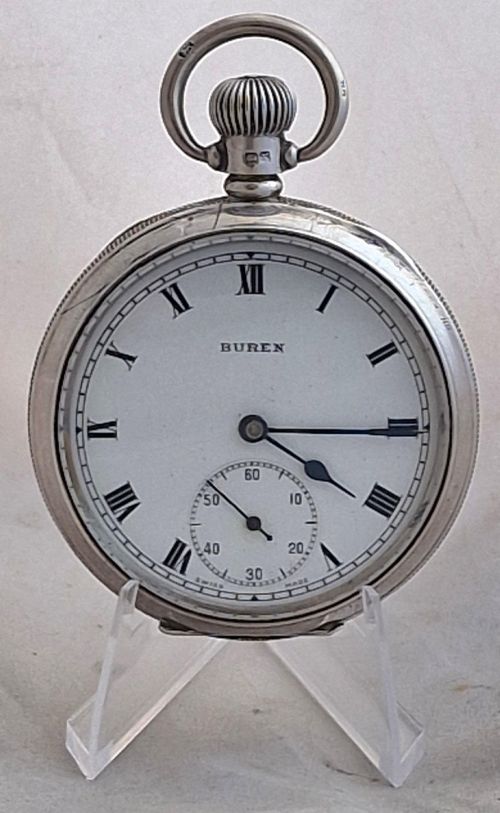
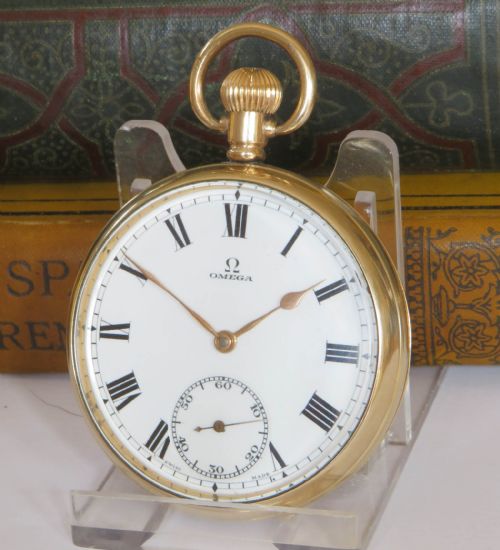
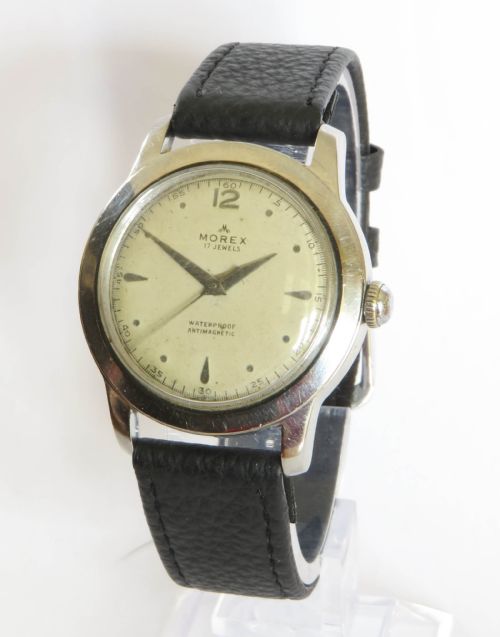
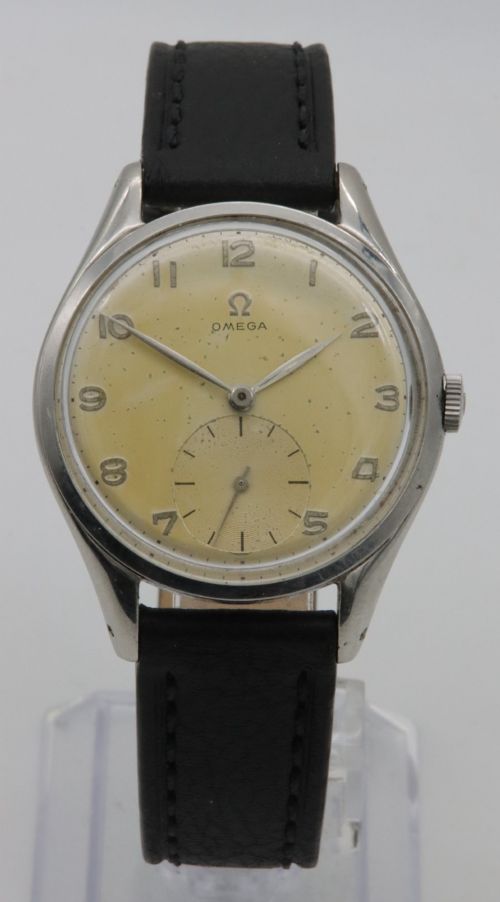
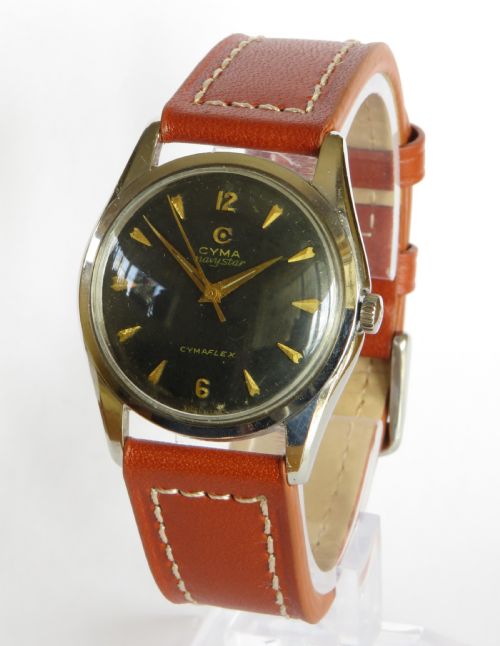
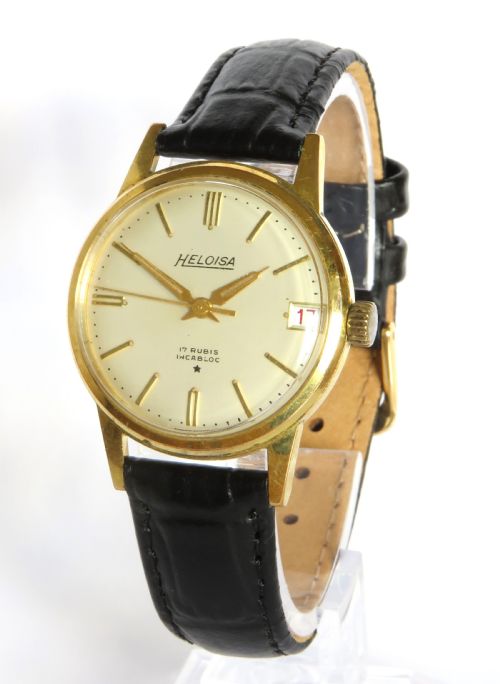
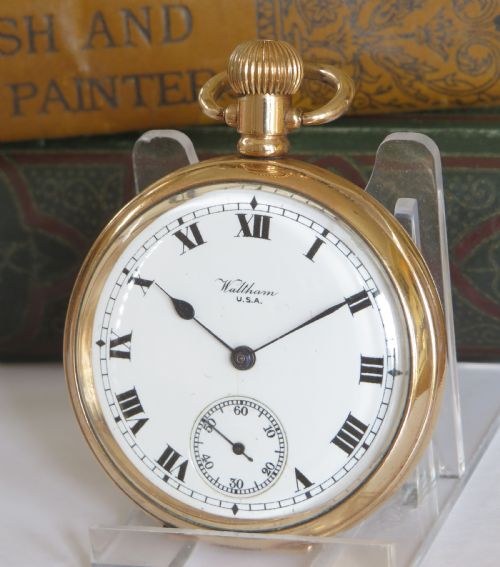
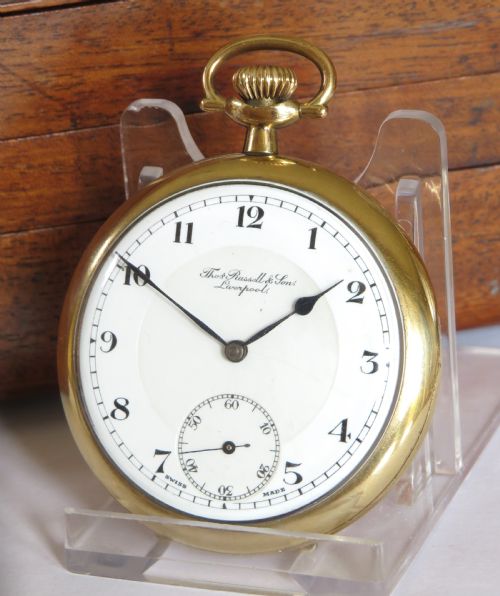
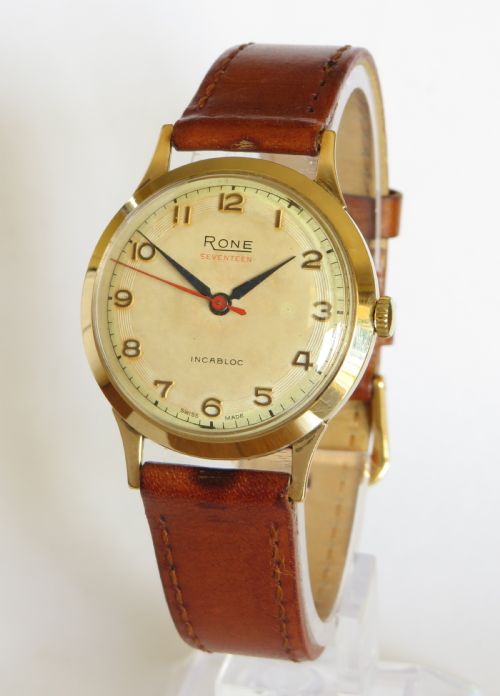
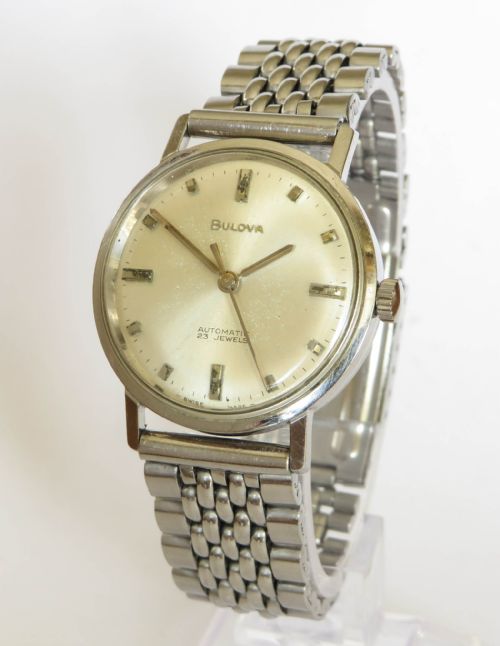
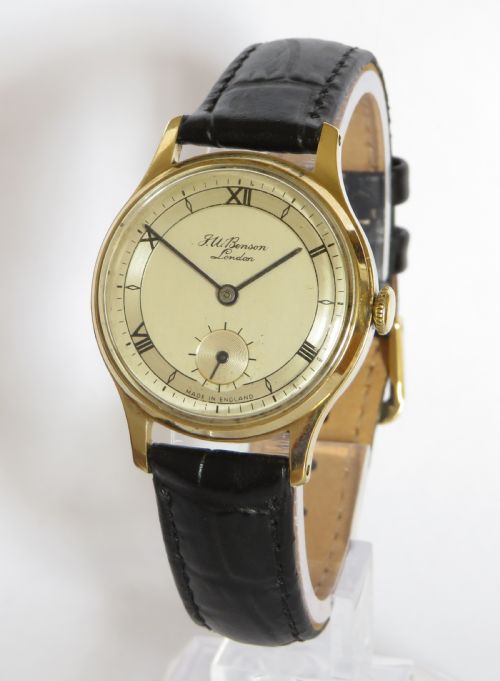
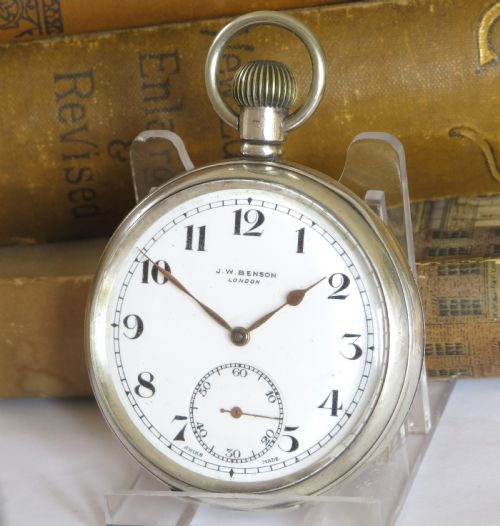
A vintage mechanical dress watch bridges the gap between historical pocket pieces and twentieth-century wristwatches, drawing on periods from the Victorian era through the 1960s. Collectors will encounter wristwatches and pocket watches spanning decades of horological design, including Edwardian and Art Deco aesthetics.
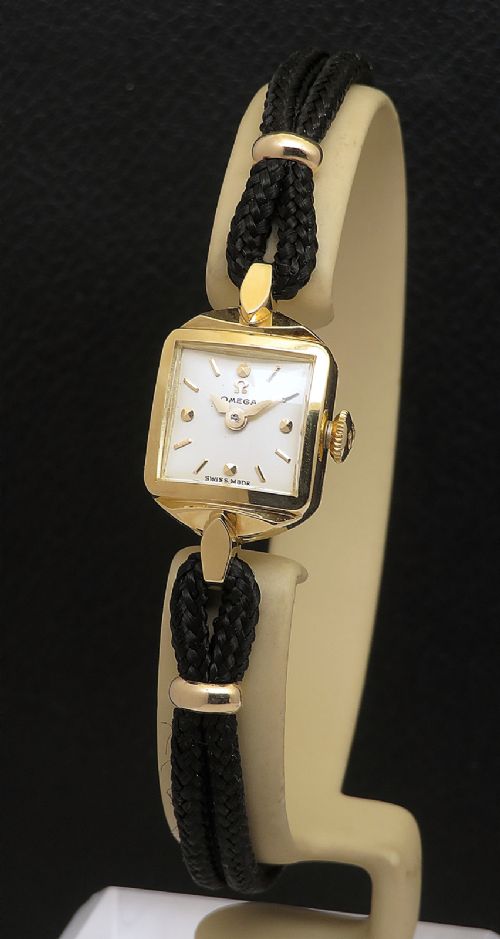
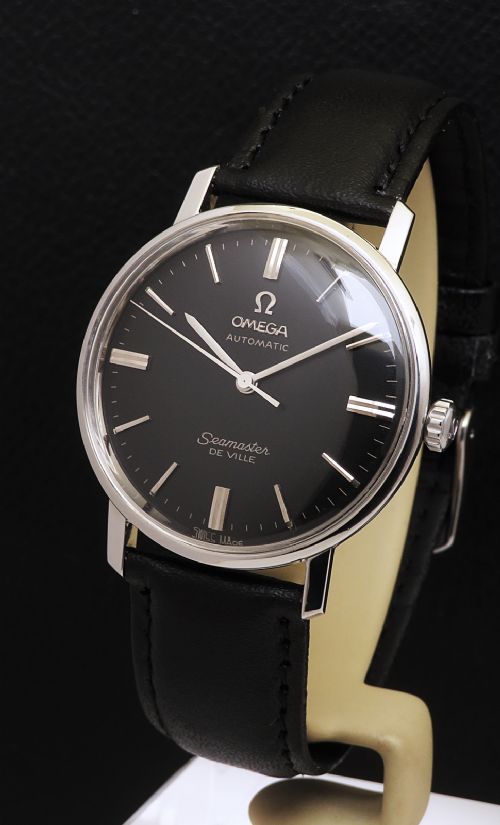
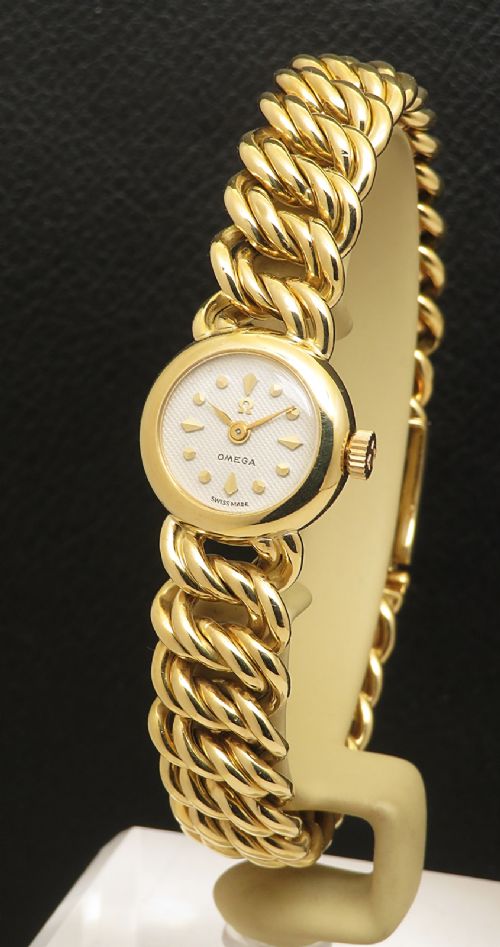
The selection ranges from robust stainless steel models to solid 18ct gold ladies' cocktail watches and gents' automatic timepieces. Pieces originate from diverse makers across Switzerland and beyond, capturing mid-century modernist styles alongside earlier traditional formats.
Materials and construction methods
Cases are formed from durable stainless steel, gold plate, silver, and solid 9ct or 18ct gold, sometimes accented with enamel or fitted with glass and acrylic crystals. Internal movements rely on traditional mechanical winding and automatic mechanisms requiring meticulous assembly by skilled horologists.
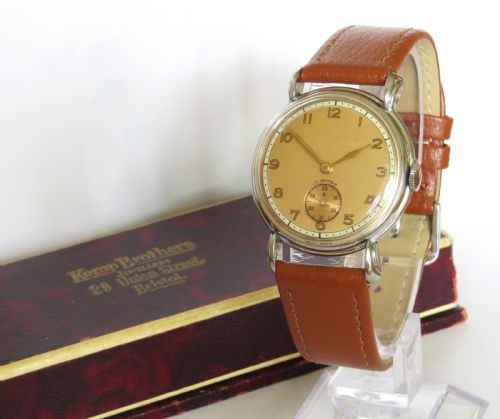
Dials and protective housings integrate leather straps and fitted boxes, uniting precious metals with robust mechanical gears. Each watch demonstrates the prevailing manufacturing techniques of its respective decade, from early stem-winding pocket watches to mid-century chronometers.
Several pocket watches retain their original ticking heartbeat, ready to accompany a waistcoat chain once more.
Distinctions across the range
Quality diverges between standard production models and pieces featuring solid precious metal cases, such as 18ct gold or white gold. The presence of original packaging, historical documents, boxes, and papers elevates a piece's completeness.
The sophistication of the internal movement, from basic mechanical calibres to certified chronometers and automatic systems, marks the tier of the watch. Furthermore, the retention of original dials, straps, and buckles distinguishes preserved examples from restored ones.
Omega·Buren·Waltham·Thomas Russell and Son·Cyma·Montilier·Heloisa·J W Benson·Stonehaven·Lange and Sohne·Tavannes·Silvana·Elgin·Gruen·Eterna Matic·IWC·Roamer·Rolex·Festina·DeRe
The Vintage Mechanical Dress Watch Glossary
- Automatic
- A self-winding mechanical movement that uses the natural motion of the wearer's wrist to power the watch.
- Chronometer
- A high-precision watch that has passed rigorous accuracy tests conducted by an official certifying body.
- Calibre
- The specific manufacturer's designation for a particular watch movement design.
- Full hunter
- A pocket watch featuring a spring-loaded metal cover that protects the dial from damage.
- Stem winding
- A mechanical winding system operated via the crown rather than a separate key.
Vintage Mechanical Dress Watch: Frequently Asked Questions
How do I wind a mechanical watch?
Rotate the crown clockwise between your thumb and forefinger until you feel gentle resistance. Stop immediately to avoid damaging the internal mainspring.
Perform this action at a consistent time each day if the watch lacks an automatic self-winding mechanism.
Can I wear these watches daily?
Many models are robust enough for regular daily wear, provided they receive proper mechanical servicing. Consideration should be given to protecting vintage materials like acrylic crystals and leather straps from moisture.
Gentle handling ensures these mechanical instruments continue operating reliably in modern conditions.
What is the difference between manual and automatic?
Manual mechanical watches require regular hand-winding via the crown to store energy in the mainspring. Automatic watches contain an internal weighted rotor that winds the spring using the natural movement of your arm.
Both systems rely on traditional gears rather than batteries.
How do I identify the production era?
Examine the stylistic cues, such as Art Deco geometric lines or mid-century modernist typography on the dial. Serial numbers and movement signatures often allow closer dating through maker archives.
Design transitions in hands, case shapes, and materials provide further chronological clues.