
Antique Swiss Wristwatch
An antique swiss wristwatch brings mechanical precision and decades of horological heritage directly to the wrist.
Antique Swiss Wristwatch
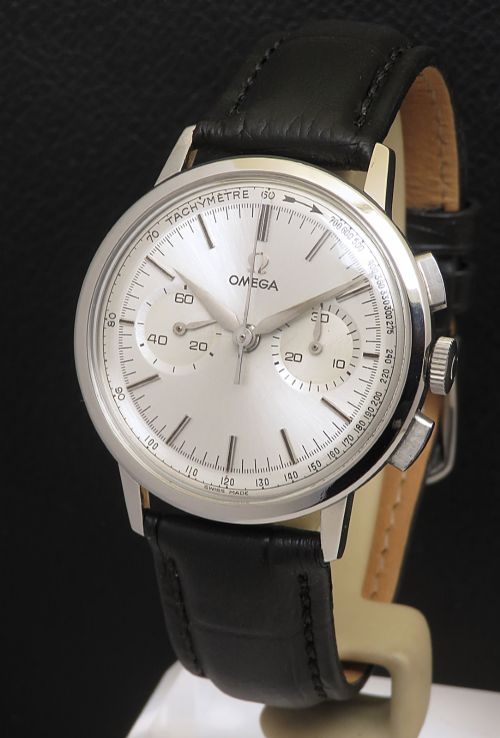
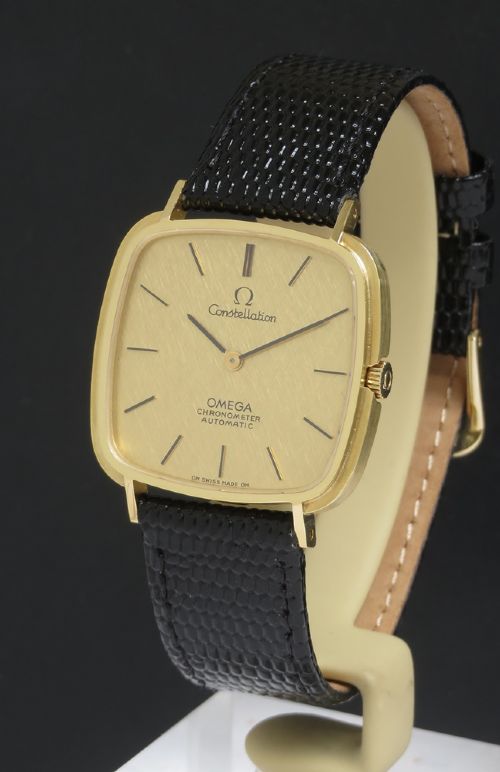
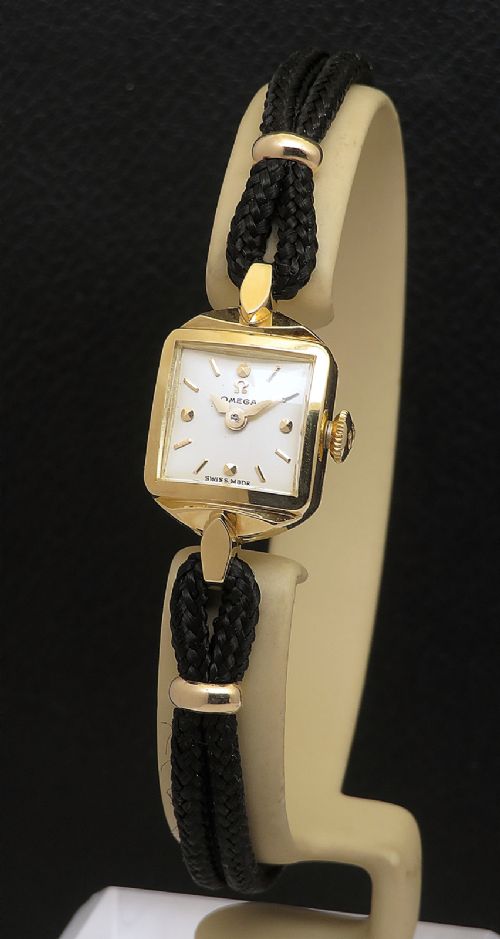
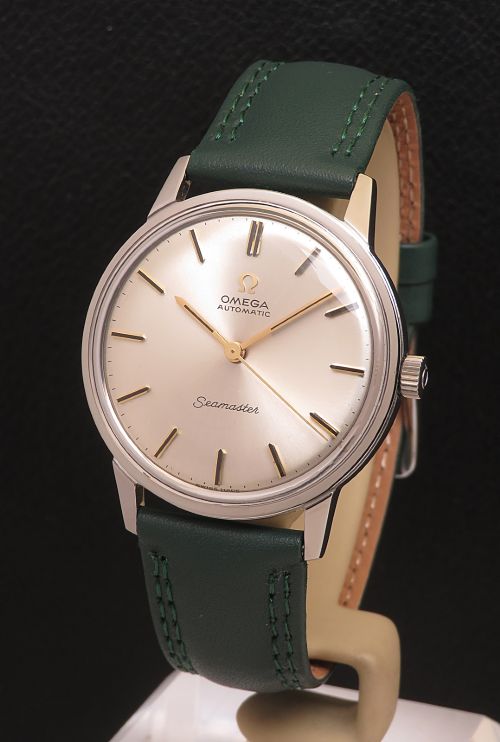
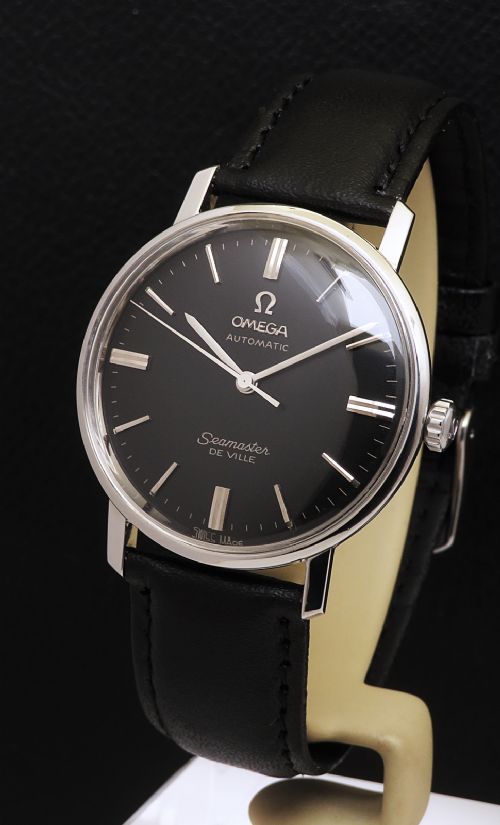
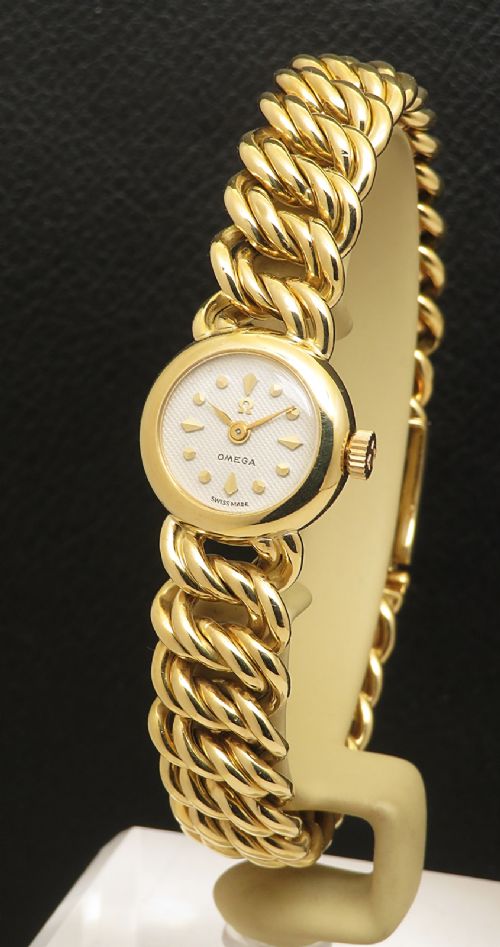
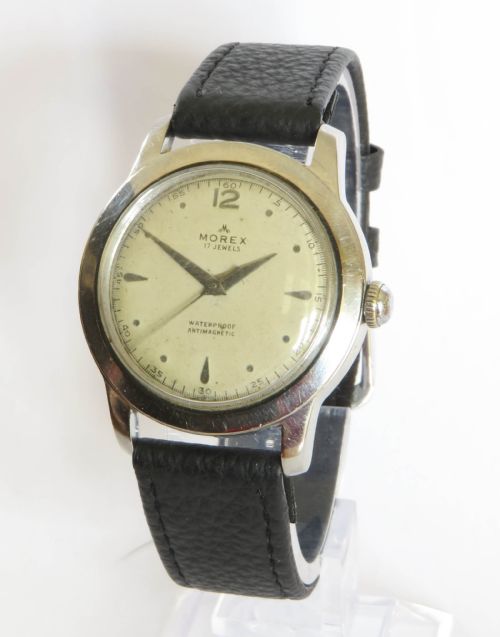
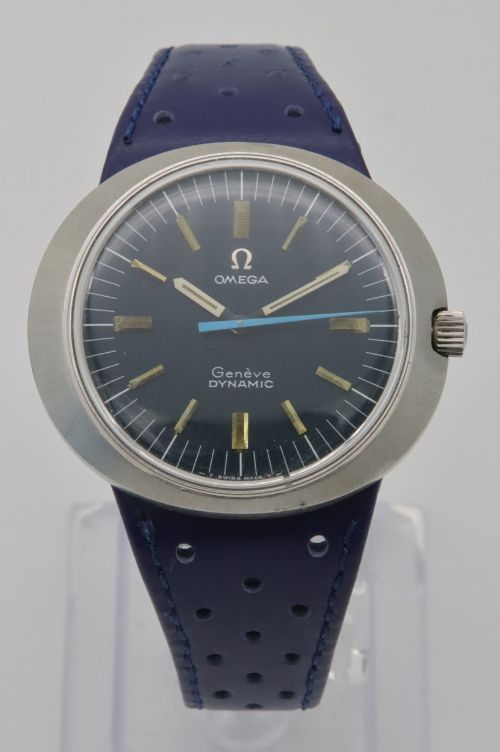
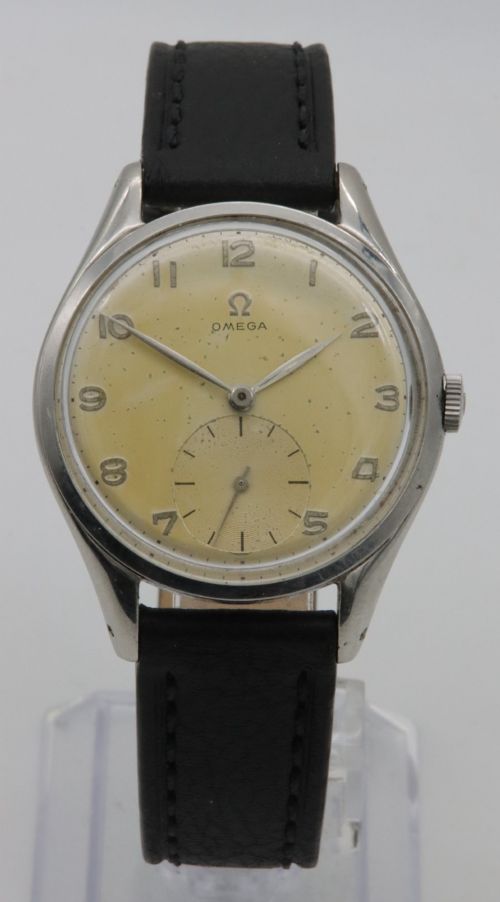
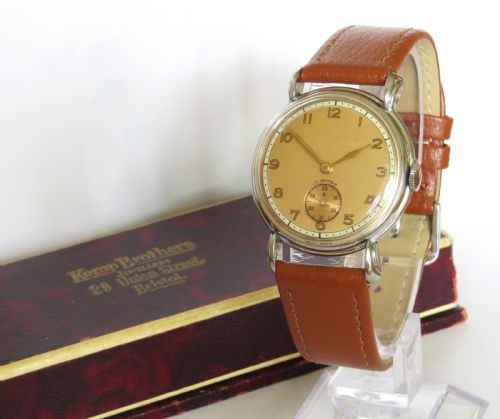
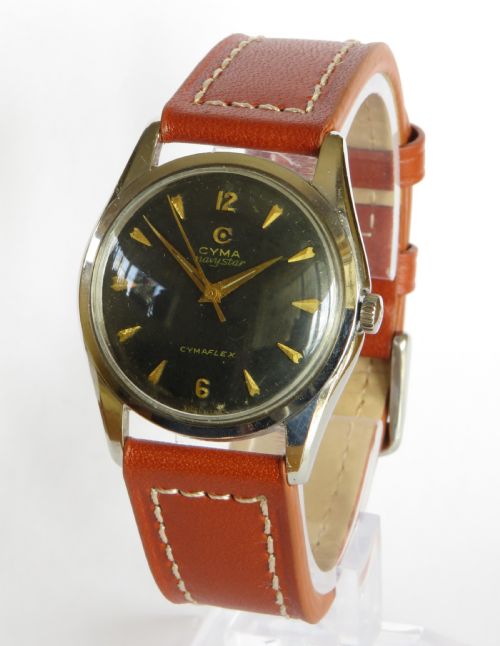
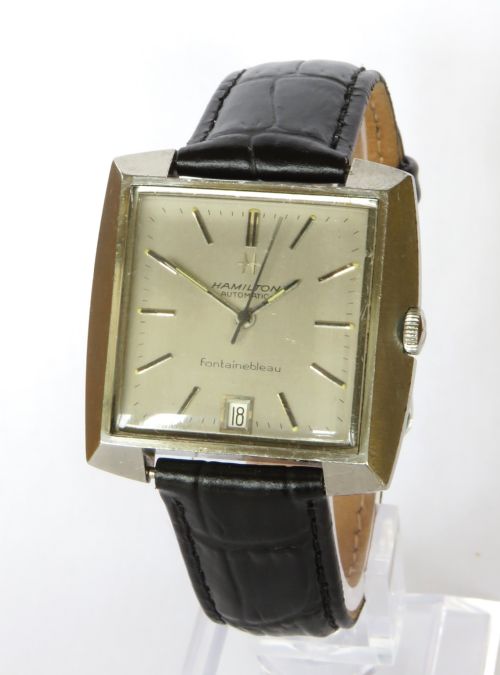
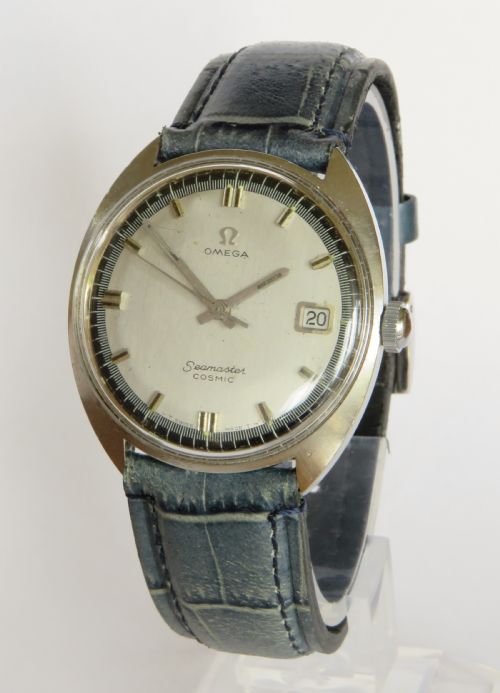
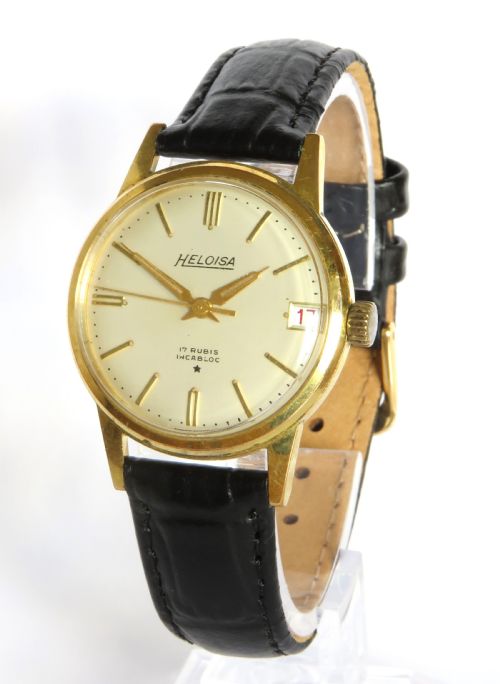
An antique swiss wristwatch represents a portable timepiece originating from Swiss makers across the twentieth century. These objects span simple gentleman's dress designs and rugged military issues to ornate cocktail watches set with diamonds.
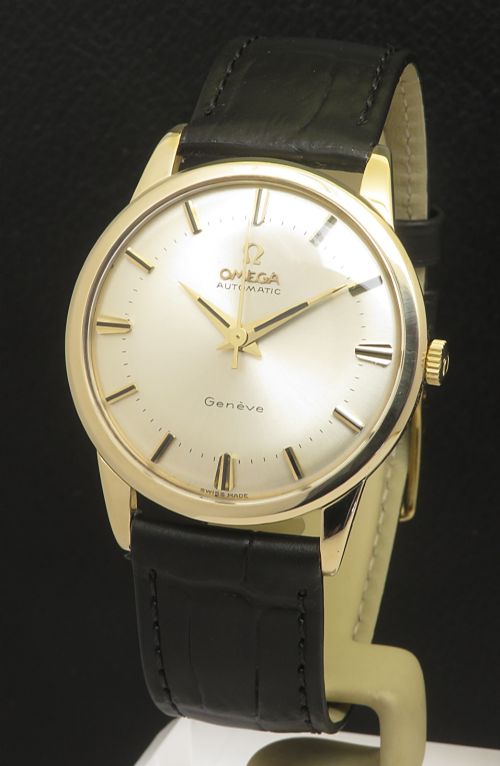
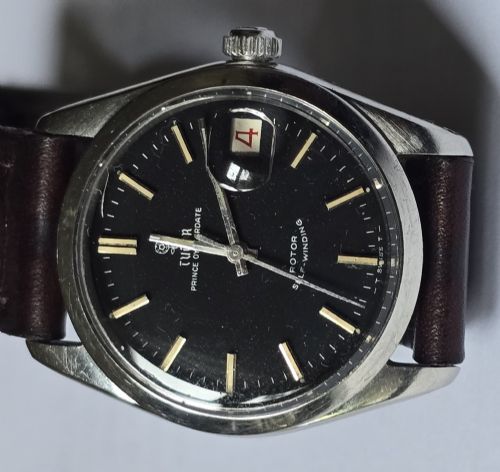
The most common examples on this page date from the 1940s and 1950s, capturing the transition from manual wind calibres to early automatic movements. Buyers encounter diverse forms, from robust stainless steel utility models to refined gold dress pieces.
Military issues from the First World War and the Second World War sit alongside mid-century horology and Art Deco cocktail pieces. Each era brings distinct case proportions, dial layouts, and mechanical innovations to the selection.
Materials and construction
Casework relies on metals ranging from stainless steel and silver to gold plate, 9ct gold, and solid 18ct gold, occasionally accented with diamonds and platinum. Dials are protected by glass or acrylic crystals, while straps utilise leather.
Watchmakers assembled internal mechanical movements using jewelled levers and specialised gears, housing them within cases designed for manual wind or automatic operation. Military pieces incorporate specific markings, while dress models utilise refined metals and delicate dial details.
Some military watches carry engraved broad arrow symbols from decades past, whispering tales of old parade grounds and field duties.
Quality variations
Quality rests in the preservation of the original dial, case geometry, and the sophistication of the internal calibre. Pieces retaining unpolished cases and crisp dial patination sit above examples with heavily worn surfaces or replacement parts.
Material choice and maker reputation further distinguish the pieces, with solid gold cases and signed movements by established Swiss houses representing the higher tier of production. Simpler chromed brass or basic steel variants occupy a more utilitarian spectrum.
Omega·Eterna·Longines·Cyma·Roamer·Rolex Tudor·Zenith·Tissot·Bulova Accutron·Girard Perregaux
The Antique Swiss Wristwatch Glossary
- Calibre
- The specific internal mechanical movement design created by a watchmaker. This identifies the exact mechanical engine driving the timepiece.
- Manual Wind
- A watch movement wound by hand via the crown rather than through automatic wrist motion. It requires regular manual interaction to keep running.
- Automatic
- A self-winding movement utilising a weighted rotor that turns with the natural movement of the wearer's arm. This system tensions the mainspring automatically during daily wear.
- Trench Watch
- An early wristwatch style developed during the First World War to provide soldiers with accessible timekeeping under field conditions. These pieces often feature wire lugs and luminous dial numerals.
- Cocktail Watch
- A small, decorative ladies timepiece designed primarily for evening wear, frequently incorporating precious metals and gemstones. These focus heavily on jewellery aesthetics alongside timekeeping.
Antique Swiss Wristwatch: Frequently Asked Questions
How do I wind a manual antique swiss wristwatch?
Gently rotate the crown clockwise between your thumb and forefinger until you feel gentle resistance. Stop immediately to avoid damaging the mainspring.
Wind the watch at roughly the same time each day to maintain steady tension and accurate timekeeping throughout use.
Can I wear an antique swiss wristwatch daily?
Many models handle everyday wear well, provided they receive regular mechanical servicing by a professional watchmaker. Stainless steel variants from the mid-century offer robust daily reliability.
Delicate gold dress pieces and diamond-set cocktail watches suit careful occasional use rather than strenuous daily activities.
What is a bumper movement?
A bumper movement is an early automatic watch mechanism where the internal rotor swings back and forth within a limited arc rather than spinning in a full circle. Springs cushion the rotor as it bumps against stops inside the case.
This mechanical style provides a distinct physical pulse on the wrist during wear.
How do I identify a military issue watch?
Military timepieces typically feature specific engravings or service markings on the case back, such as broad arrow symbols or serial numbers. Dials often prioritise high legibility with contrasting numerals and luminous elements.
These functional design choices distinguish standard civilian production from military service pieces.