
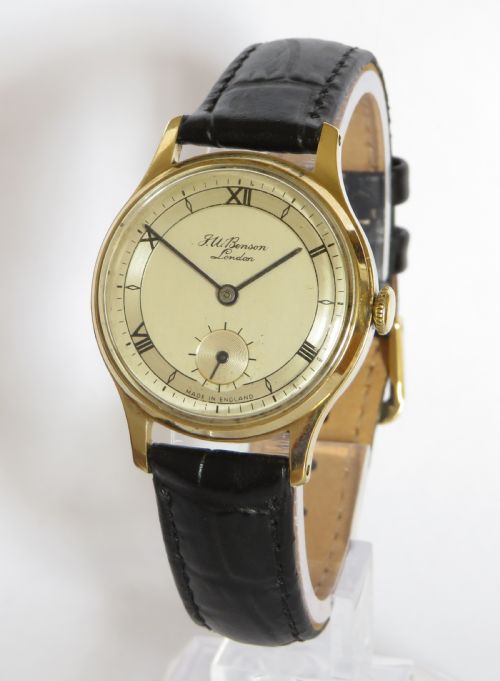
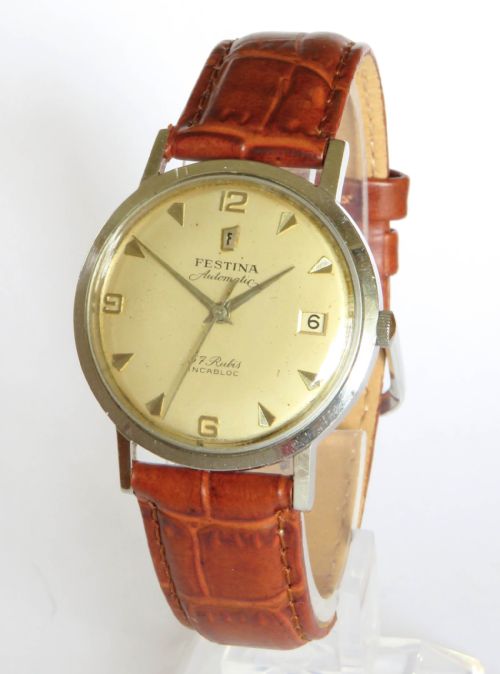
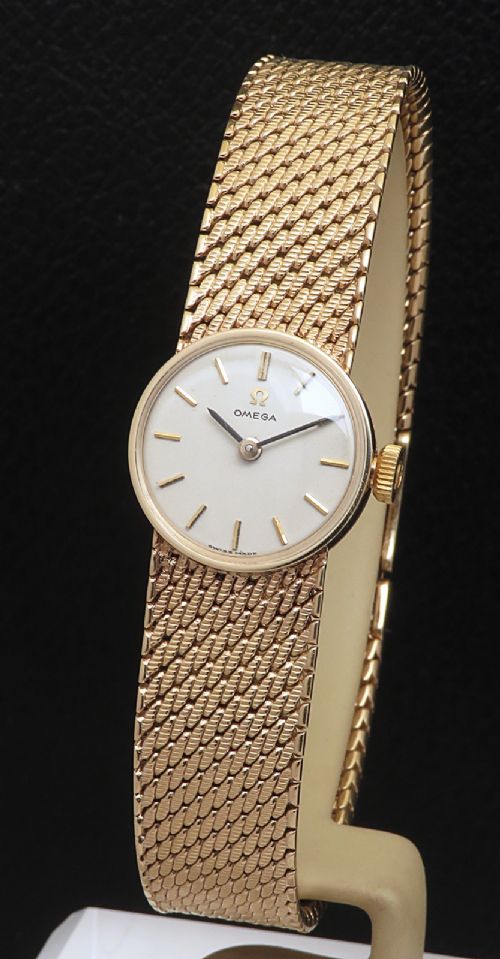
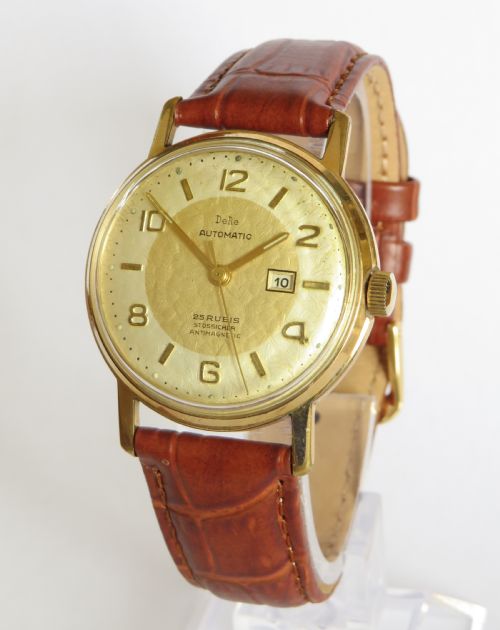
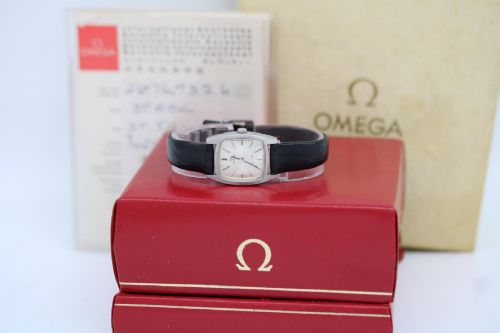
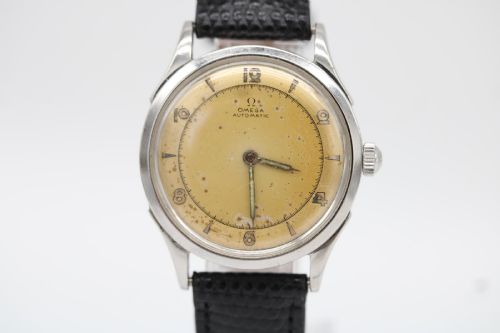
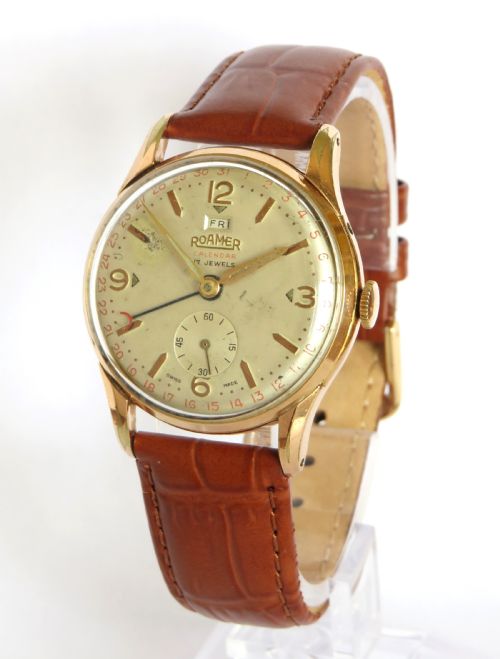
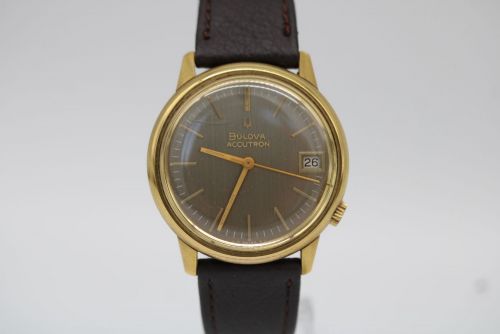
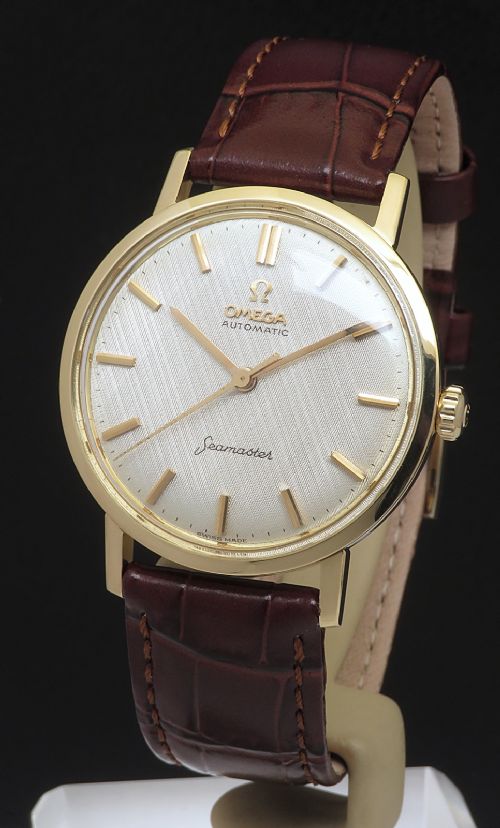
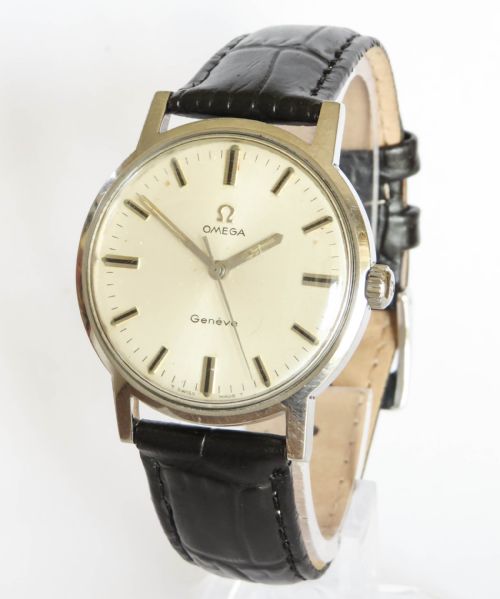
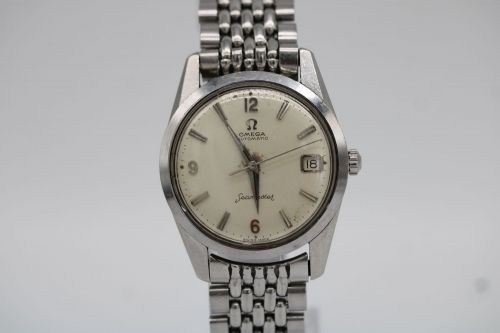
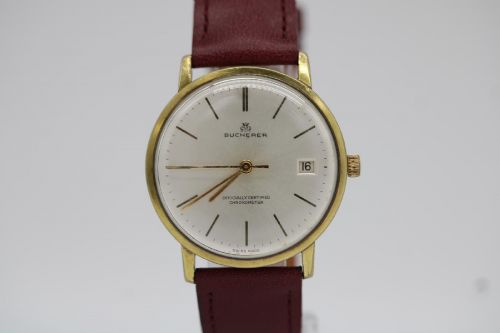
Retro Dress Wristwatch
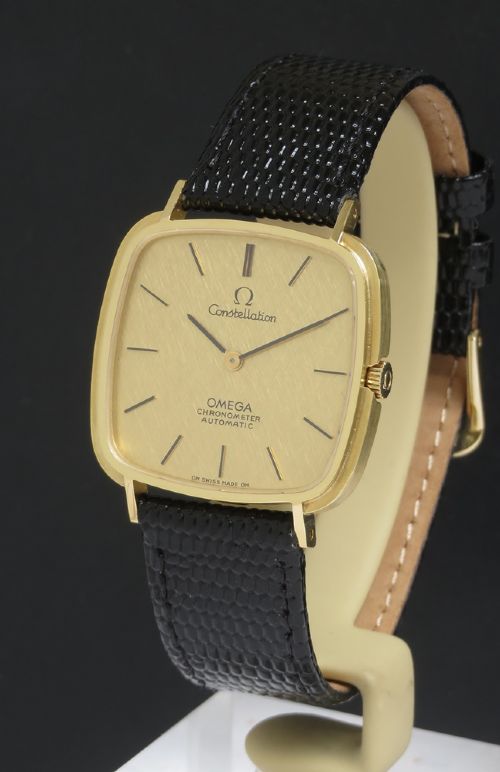
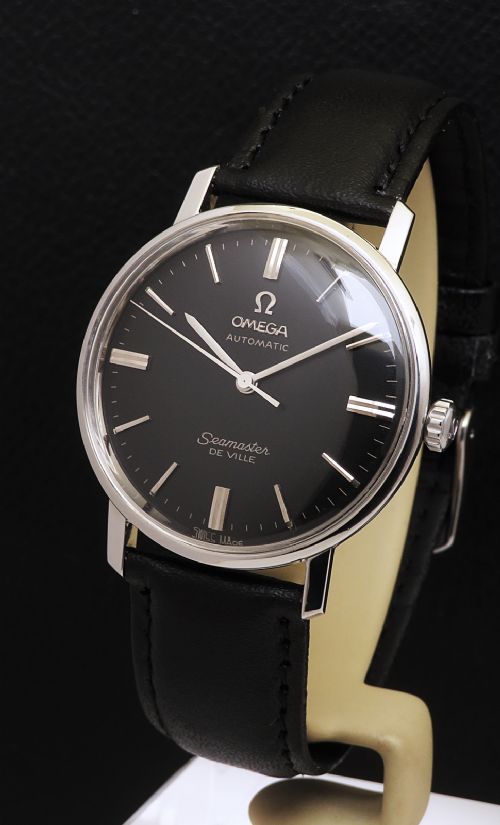
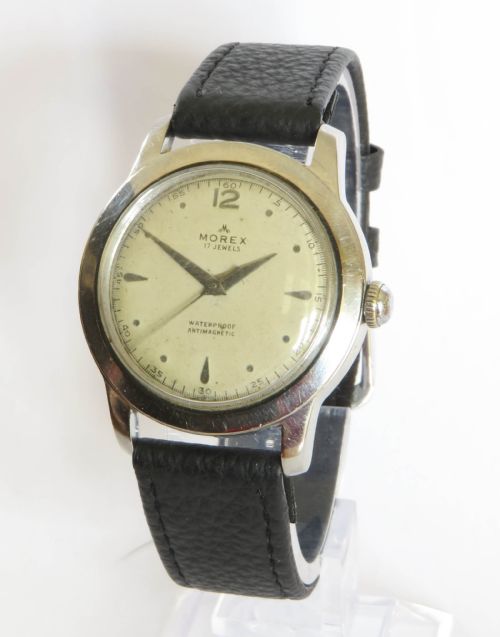
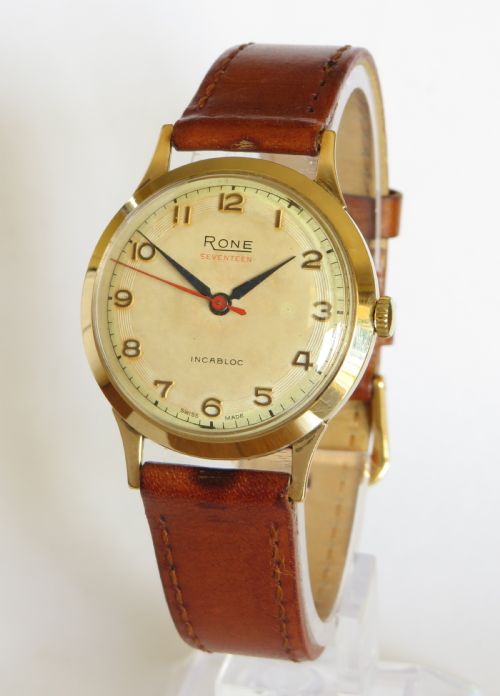
A retro dress wristwatch carries the distinctive styling of mid-century horology, offering a wearable piece of history that suits daily formal attire.
Retro Dress Wristwatch
When searching for a retro dress wristwatch, collectors look at timepieces spanning from the 1930s through to the 1960s, reflecting shifts in mid-century design. The pieces available here predominantly cover the 1950s and 1960s, capturing the clean lines and mechanical innovation of those decades.
Buyers will encounter established horological houses alongside lesser-known makers, presented on leather straps or matching metallic bracelets. Each wristwatch serves as a functional accessory that embodies the specific stylistic traits of its manufacturing era.
Materials and construction methods
Cases are formed from stainless steel, chrome, gold plate, or solid metals such as 9ct gold and 18ct gold, often paired with clear glass or acrylic crystals. These metallic elements combine durability with the polished finishes characteristic of mid-century dress watches.
Dials and internal movements rely on precision engineering, housing automatic or manual mechanisms within compact housings. Leather straps complete the traditional construction, securing the watchhead to the wrist with simple pin buckles.
Some mid-century watches contain mechanical bumpers that gently tap your wrist to remind you they are alive.
Markers of distinction and condition
Quality in a retro dress wristwatch rests on the original integrity of the dial, case definition, and the sophistication of the internal movement. Pieces retaining original boxes, papers, and factory finishes sit at the upper end of the scale.
The choice of casing metal significantly alters the standing of a watch, with solid 18ct gold or 9ct gold iterations commanding greater attention than gold-plated or chrome alternatives. Mechanical complexity, such as chronometer certification or bumper automatic movements, further distinguishes superior examples.
Omega·Montilier·J W Benson·Festina·Roamer·Bulova Accutron·Bucherer·Avia·Seiko·Tissot·Gloriosa·Cyma·Wittnauer·Kered·Longines·Certina·Smiths·Baume Bimatic·Ensign·Lanco·Eterna·Enicar·Prisma
The Retro Dress Wristwatch Glossary
- Automatic
- A self-winding mechanical movement that uses the natural motion of the wearer's arm to keep the mainspring wound. This technology became standard in many mid-century dress watches.
- Calibre
- The specific manufacturer's designation for a particular watch movement design. Collectors reference the calibre number to verify the internal authenticity of the piece.
- Chronometer
- A high-precision watch that has passed rigorous accuracy tests conducted by an official certification body. These movements represent the peak of mechanical reliability for the era.
- Acrylic
- A lightweight, shatter-resistant plastic material commonly utilised for watch crystals during the mid-century period. It can be easily polished to remove surface scuffs.
- Bumper automatic
- An early type of self-winding movement where the rotor swings back and forth against springs rather than rotating fully 360 degrees. The wearer can physically feel the bumper engaging on the wrist.
Retro Dress Wristwatch: Frequently Asked Questions
How do I wind an automatic watch?
Automatic watches wind themselves through the natural movement of your arm during daily wear. If the watch has stopped entirely, give the crown a few gentle turns to kickstart the internal mechanism before putting it on.
Most automatic pieces can also be hand-wound by turning the crown clockwise in its standard position. Avoid overwinding, as you will feel distinct resistance when the mainspring reaches full capacity.
Can I wear my vintage watch daily?
Many collectors wear their mid-century watches every day, provided the movement has been recently serviced by a professional watchmaker. Regular wear keeps the oils circulating within the mechanical gears.
However, most vintage dress watches lack modern water resistance standards. You should remove the timepiece before swimming, showering, or engaging in heavy manual labour.
What is a bumper movement?
A bumper movement is an early form of automatic winding mechanism used predominantly in the 1940s and 1950s. Instead of spinning in a full circle, the weighted rotor swings back and forth against internal springs.
When wearing the watch, you will feel a distinct tap or bump on your wrist as the rotor moves. This charming mechanical quirk is entirely normal for the period.
How do I date my wristwatch?
Dating a vintage timepiece usually involves inspecting the serial number engraved on the inner case back or stamped directly onto the movement. Reference books and manufacturer archives match these numbers to specific production years.
Style cues such as dial typography, hand shapes, and case geometry also offer strong clues to the decade of manufacture. Hallmarks on gold or silver cases provide official assay office stamps that narrow down the exact period.