




Vintage Match Safe Box
These vintage match safe box pieces are pocket containers and wall holders designed to keep matches dry, and you want one for the neat craftsmanship and tactile pocket history.
Vintage Match Safe Box
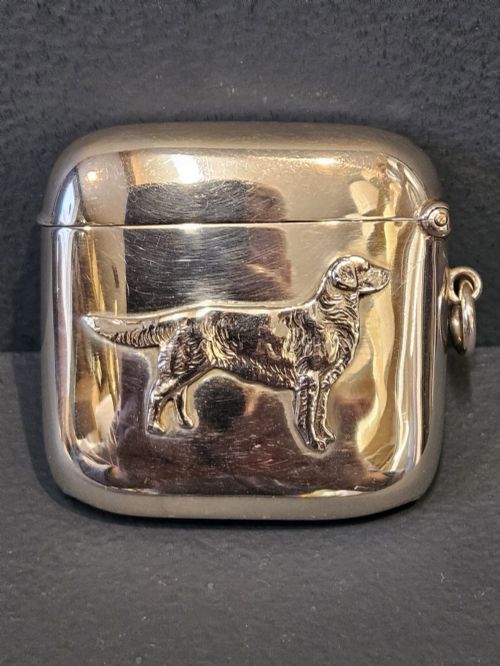
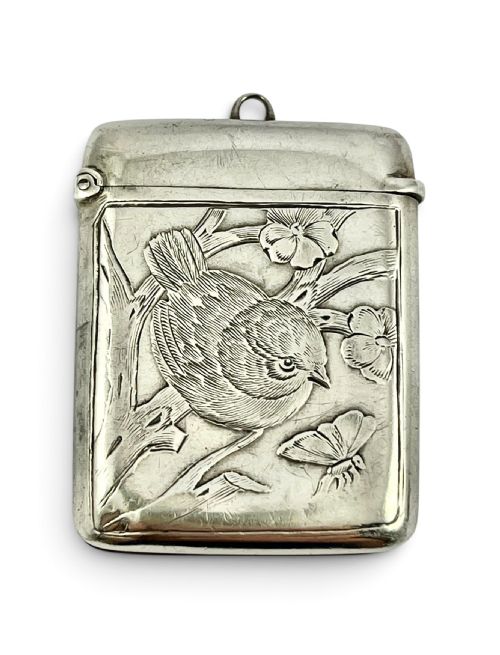
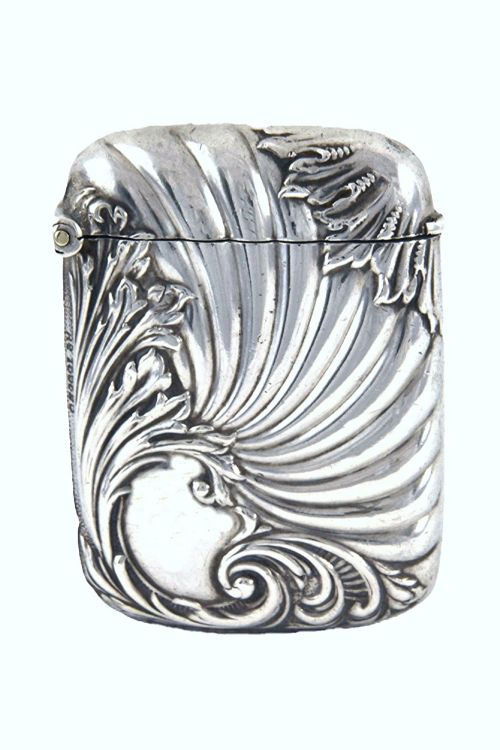
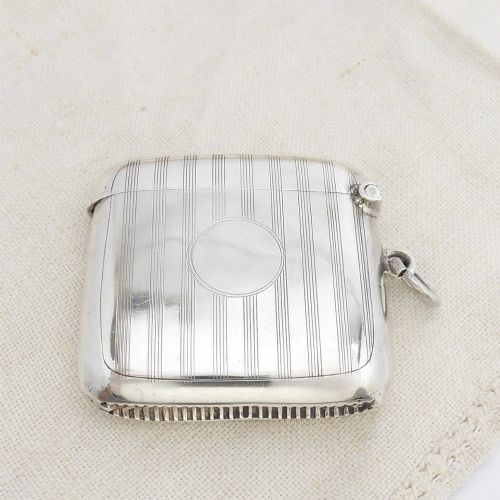
A vintage match safe box encompasses pocket vesta cases, matchbox covers, match holders, and wall boxes spanning the Victorian, Edwardian, George V, and mid-century periods. You are most likely to meet sterling silver pocket vesta cases featuring hallmarks from Birmingham or Chester alongside brass, enamel, and carved wood examples.
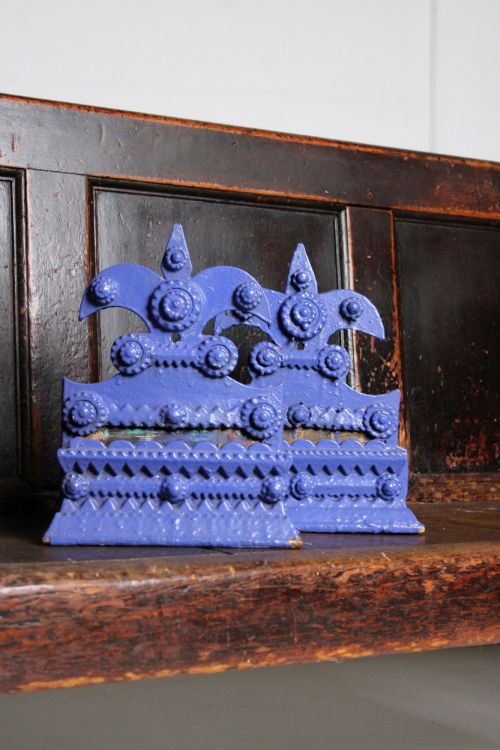
The forms range from simple engraved silver rectangles to novelty shapes like cats, pugs, and portrait faces, as well as wall-mounted tramp art and Black Forest folk art pieces. These items served a daily utilitarian purpose in the nineteenth and twentieth centuries before becoming collectible decorative objects.
Materials and construction methods
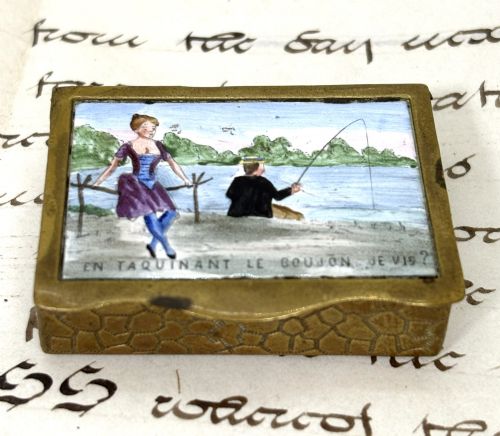
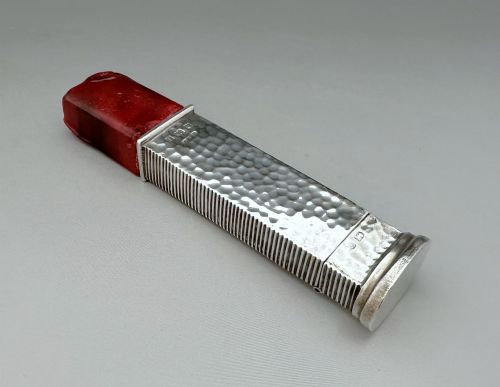
Makers utilised sterling silver, brass, nickel-plated brass, and limewood, often combining them with enamel, gold, and sealing wax to create textured surfaces. Pocket cases were frequently stamped or cast, whilst folk art and Black Forest pieces display intricate hand-carving.
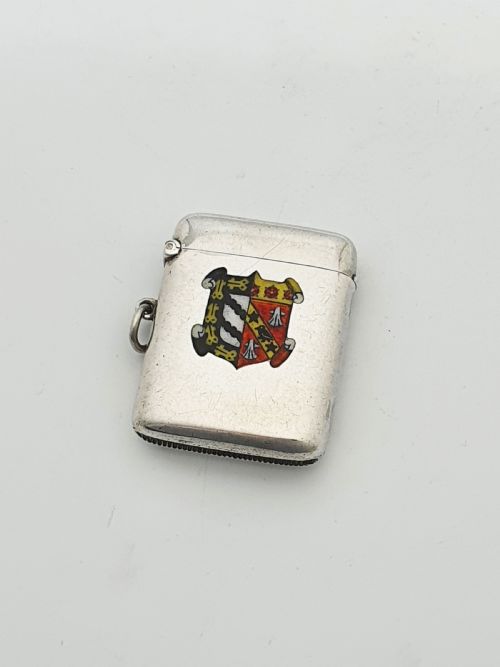
Surface decoration relies on engraving, enamel crests, and painted details, with functional elements like hinged lids and integrated strikers engineered directly into the metal or wooden bodies.
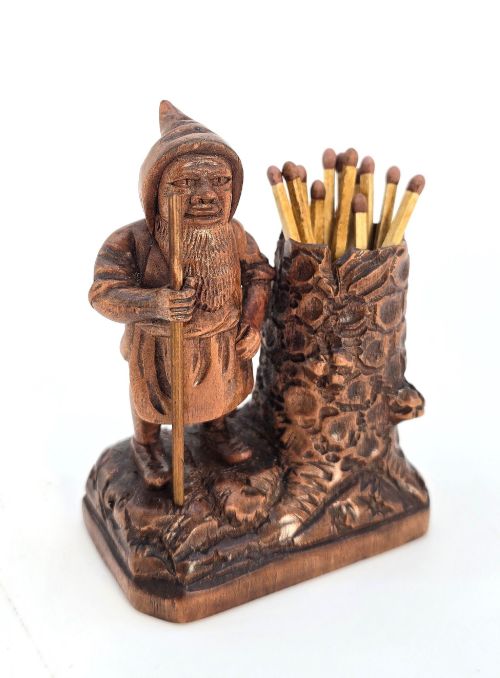
Some match safes take the form of carved gnomes, watchful pugs, and cats.
Distinctions in quality and execution
Quality rests upon the crispness of the casting or carving, seen clearly in the definition of novelty forms like animals and portrait faces, and the survival of applied enamel work. Crisp hallmarks and clean hinges separate standard production pieces from finer examples.
The depth and clarity of hand-engraving on silver surfaces distinguish superior work from plain or worn alternatives, whilst sturdy construction ensures the lids snap shut securely.
ROBERT PRINGLE
The Vintage Match Safe Box Glossary
- Vesta case
- A pocket-sized container designed to hold matches, known colloquially as a match safe, typically featuring a serrated strike surface on the base. These were essential personal accessories in the nineteenth and twentieth centuries.
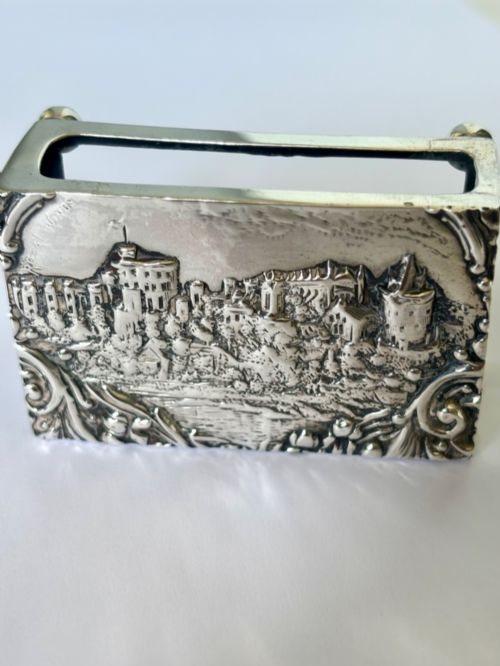
- Castle top
- A style of metalwork featuring a detailed raised engraving or casting of a specific landmark or architectural building on the lid or cover. Royal Windsor is a notable example seen in this category.
- Tramp art
- A utilitarian woodwork style created by chip-carving layers of scrap wood, such as cigar boxes, into geometric decorative objects like wall boxes. This folk art method relies on pocket knives and simple tools.
- Black Forest
- A style of detailed wood carving originating from the European region, typically depicting animals or gnomes in limewood. These pieces often double as functional match holders.
- Hallmark
- An official stamp applied to precious metals indicating the standard of purity, the assay office, and the year of manufacture. Birmingham and Chester are prominent offices recorded in these silver pieces.
Vintage Match Safe Box: Frequently Asked Questions
What is a vesta case?
A vesta case is a small pocket container designed to safely carry matches before the widespread availability of safety matches. They typically feature a hinged lid and a striking strip.
Collectors prize them for their variety of materials, ranging from sterling silver to enamel and carved wood.
How were match safe boxes used?
People carried them daily in pockets or attached them to watch chains to keep matches dry and protected from accidental ignition. Wall-mounted versions kept matches handy in domestic rooms.
Their everyday utility led to a vast array of novelty shapes and commemorative designs.
How do I date a silver match safe?
Silver pieces generally carry hallmarks that indicate the assay office, metal purity, and a specific date letter corresponding to the year of manufacture. Birmingham and Chester are common assay towns found on these items.
Stylistic cues, such as Edwardian restraint or Art Deco geometry, also help pinpoint the era.
How do I display match safe boxes?
Pocket cases look striking arranged in shallow display trays or glass cabinets where their engraved details and novelty forms can be examined up close. Wall boxes and tramp art pieces can be hung directly on walls.
Grouping them by material or theme highlights their diverse craftsmanship.