




Vintage Maritime Display
A vintage maritime display brings the character of the sea indoors, offering model ships, dioramas, and nautical instruments from past centuries.
Vintage Maritime Display
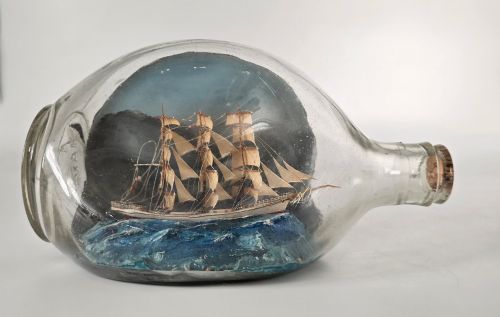
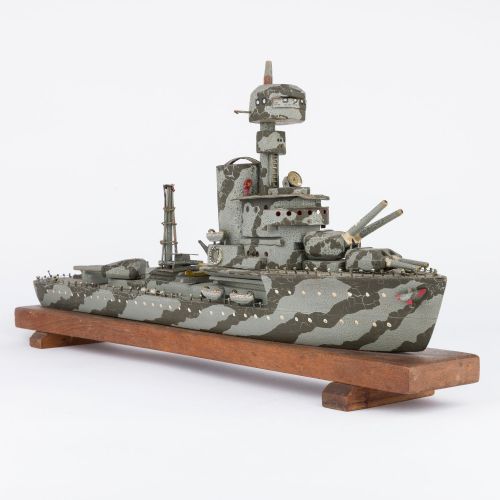
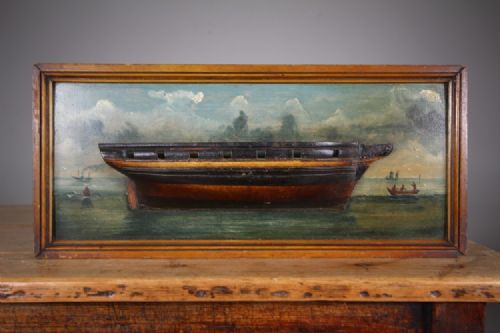
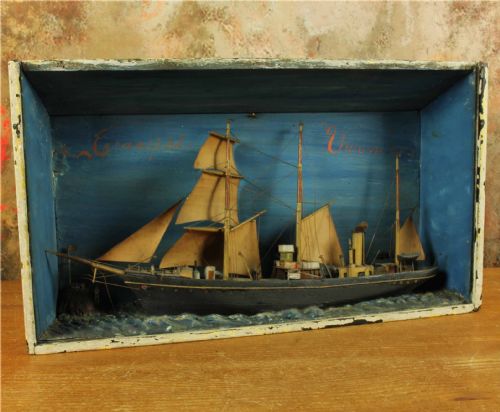
When you search for a vintage maritime display, you encounter a range of nautical items spanning the nineteenth and early twentieth centuries. These objects capture maritime history through model boats, sailing ships, and detailed dioramas contained in glass cases or bottles.
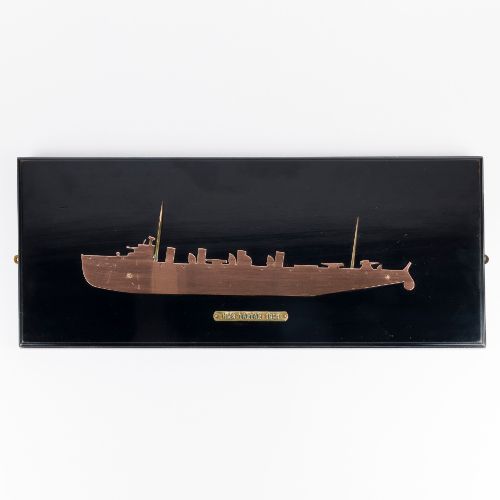
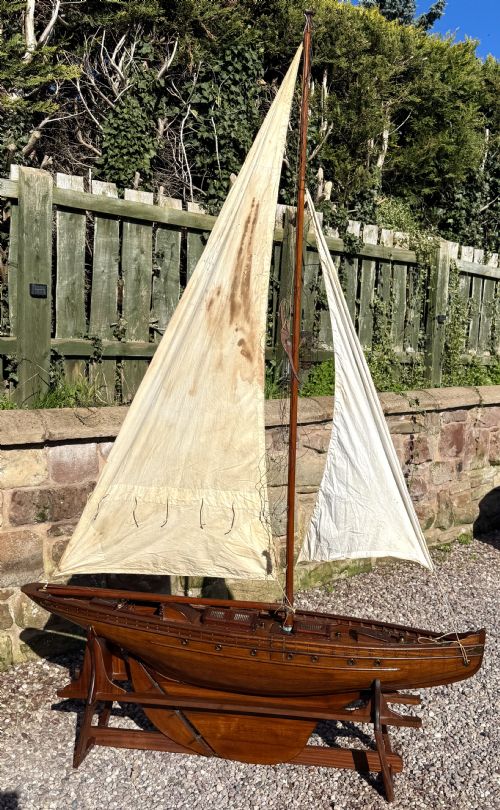
The selections available on this page lean heavily toward model ships and pond yachts, alongside navigational instruments such as brass telescopes. Folk art examples also appear, including shell dioramas and carved wooden models on stands.
Origins stretch across British, French, and American makers, utilising periods from the Georgian era through to the 1930s. The forms vary from large scale models nearly eight feet high down to intricate shadow boxes.
Materials and construction methods
Makers constructed these items primarily from wood, mahogany, oak, and sycamore, often combining them with metal, brass, and glass for cased models and instruments. Canvas and paint finish the rigging and hulls of the sailing ships and pond yachts.
Techniques range from scratch-built wooden scale models and carved hulls to folk art interpretations involving bottled ships and shell work. Brass and leather form the primary components of the scientific instruments and telescopes.
Materials across these listings include cast iron, oak, mahogany, glass, brass, canvas, paint, leather, and shell.
Factors that separate examples
The level of detail in the rigging, hull construction, and painted sea backgrounds dictates the distinction between standard and superior pieces. Hand-carved elements and signed scientific instruments by established makers hold greater distinction.
Condition plays a role, particularly the preservation of glass cases, original paint surfaces, and complete rigging on the model ships and dioramas.
Ross of London·Richardson·Cary London
The Vintage Maritime Display Glossary
- Diorama
- A three-dimensional scene enclosed in a box or glass case, frequently depicting ships racing at sea.
- Pond yacht
- A large model sailing boat designed for use on open water, often fitted with a wooden hull and mast.
- Spyglass
- A small handheld refracting telescope utilised by officers and explorers for navigation and spotting.
- Signal mortar
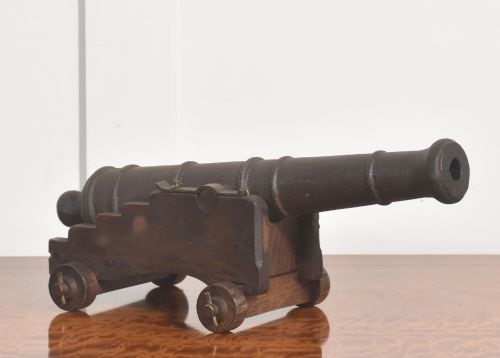
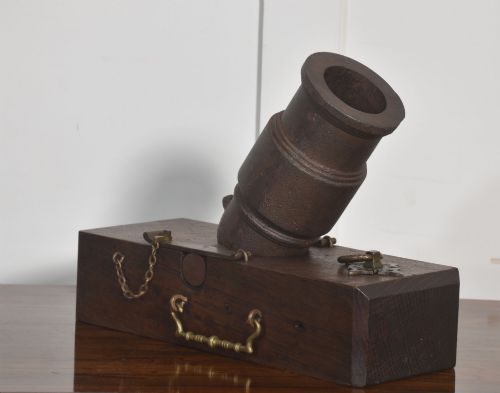
- A heavy cast iron piece mounted on a carriage, used historically for making sound signals at sea or ashore.
Vintage Maritime Display: Frequently Asked Questions
What is a maritime diorama?
A maritime diorama is a three-dimensional model depicting ships, harbours, or naval scenes enclosed within a protective glass case or wooden box.
These pieces were constructed to preserve specific vessels or maritime events in miniature form.
How do I date a pond yacht?
Dating relies upon construction methods, hull shapes, and the materials used for the deck fittings and stands.
Earlier nineteenth-century examples often feature heavier carved wooden hulls, while twentieth-century versions display lighter scale building techniques.
Where were antique spyglasses used?
Antique spyglasses served naval officers and explorers for sighting land, other vessels, and navigational markers at a distance.
They were built with brass draws and often covered in leather for a secure grip in maritime weather.
How should I clean a glass case?
Glass cases on dioramas require gentle wiping with a soft cloth and a mild glass cleaner applied to the cloth rather than directly to the wood or brass.
Care must be taken near painted backgrounds and fragile rigging inside the case.