




Wooden Shadow Box Diorama
A wooden shadow box diorama brings miniature worlds behind glass into your home, offering layered scenes built from maritime folk art and historical models.
Wooden Shadow Box Diorama
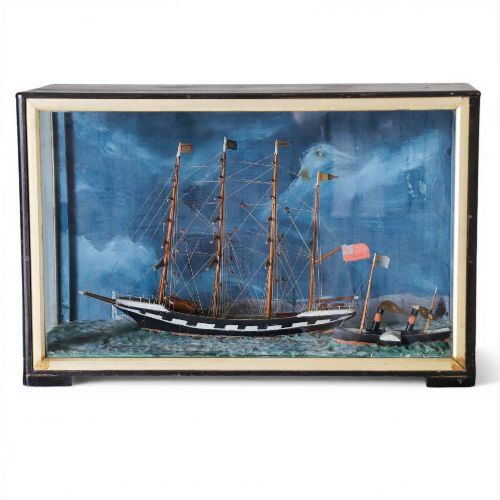
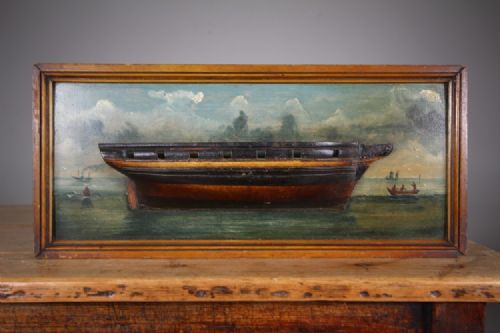
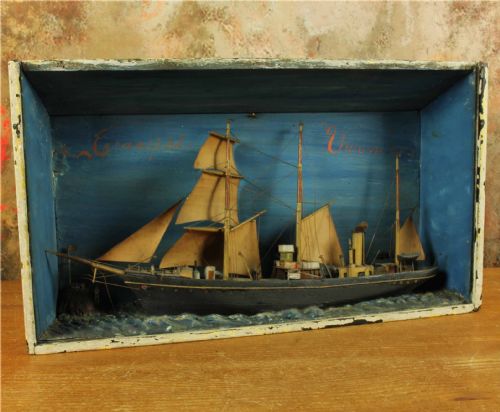
A wooden shadow box diorama presents enclosed three-dimensional scenes framed in timber and protected by glass. When you search for a wooden shadow box diorama, you encounter historical pieces primarily dating from the nineteenth century through the early twentieth century.
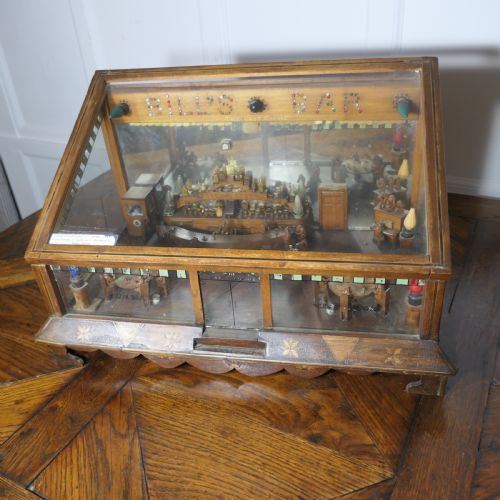
The selections on this page lean heavily towards Victorian maritime folk art, showcasing sailing ships in full sail, racing vessels, and detailed maritime dioramas. Alongside nautical subjects, you meet fascinating vernacular works including townscapes, copper smelting foundries, and prisoner art saloon bars.
Materials and construction
Makers constructed these enclosures using timber frames fitted with glass viewing panels to protect the delicate interiors from dust and damage. Within the box, artisans built layered compositions using painted canvas, paper, plaster, and oil paint to create depth and perspective.
Specialised construction techniques involved intricate detailing such as cork work, straw work, and shell embellishments applied to maritime subjects and decorative scenes. Some examples incorporate mechanical elements, utilising clockwork mechanisms to animate the miniature figures within the case.
Listings feature works spanning the nineteenth century through the early twentieth century, incorporating materials like wood, glass, plaster, cork, straw, and shell.
Assessing quality and depth
The strength of a piece rests in the complexity and precision of its internal modelling, particularly the rigging of ship models and the architectural accuracy of townscapes. Superior examples demonstrate a careful layering of painted backgrounds with physical objects that achieves a convincing sense of space.
The choice of applied media also distinguishes individual works, where sophisticated straw work, cork carving, or detailed shell placement elevates the visual texture. Condition plays a role, with intact glass panels and well-preserved painted surfaces preserving the narrative clarity of the original scene.
The Wooden Shadow Box Diorama Glossary
- Shadow box
- A deep framed container that encloses and displays a collection of objects behind glass. This format protects three-dimensional compositions from environmental wear while creating a theatrical focal point on a wall or shelf.
- Diorama
- A three-dimensional miniature scene depicting historical events, maritime vessels, or topographical views. Makers arrange physical models against painted backgrounds to simulate a realistic environment.
- Maritime folk art
- Artistic creations made by sailors or coastal communities, typically focusing on ships, sea battles, and naval life. These pieces utilise accessible materials found aboard ships or in ports.
- Straw work
- A decorative technique utilising split and flattened lengths of straw applied to surfaces in geometric or pictorial patterns. This method exploits the natural sheen of the material to catch the light.
Wooden Shadow Box Diorama: Frequently Asked Questions
What is a wooden shadow box diorama?
A wooden shadow box diorama is a framed, glass-fronted case enclosing a three-dimensional model scene. These pieces typically feature historical maritime subjects, local industries, or architectural views.
Makers built them to preserve miniature tableaus, combining painted backdrops with carved elements like sailing ships, buildings, and figures to create atmospheric perspective.
How were these dioramas used historically?
Historically, sailors, travelling artisans, and folk artists created these boxes to record specific voyages, trades, or domestic memories. They served as decorative keepsakes for homes or maritime establishments.
The enclosed glass design protected intricate paper, cork, and wooden models from dust and handling, allowing complex scenes to survive intact for generations.
How do I care for a diorama at home?
Living with a shadow box diorama requires stable environmental conditions away from direct sunlight and excessive humidity. Sunlight can fade the delicate oil paints, paper, and fabric components inside.
Clean the exterior glass gently with a soft cloth and glass cleaner, avoiding any moisture near the wooden joints or internal compartments where old glues and straw work reside.
How can I tell the period of a piece?
Dating a diorama involves examining the materials, construction methods, and subject matter depicted within the case. Nineteenth-century examples often display specific rigging styles for sailing vessels or traditional folk art painting techniques.
Clues also emerge from the timber frame construction, cut nails, and the type of glass used in the viewing window, which align with manufacturing practices from the Victorian era or early twentieth century.