






Vintage Marine Seascape
These vintage marine seascape works capture the enduring drama of coastal waters, busy harbours and historic shipping through the eyes of painters across more than a century.
Vintage Marine Seascape
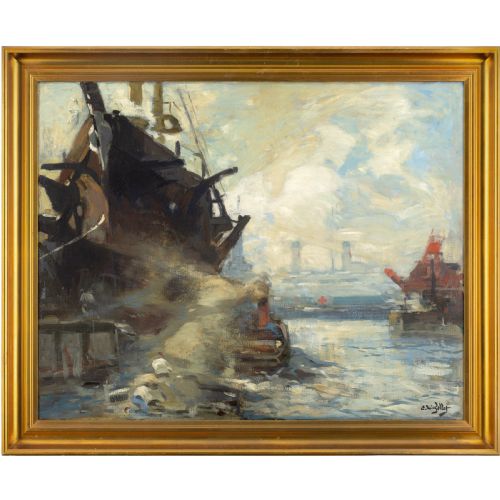
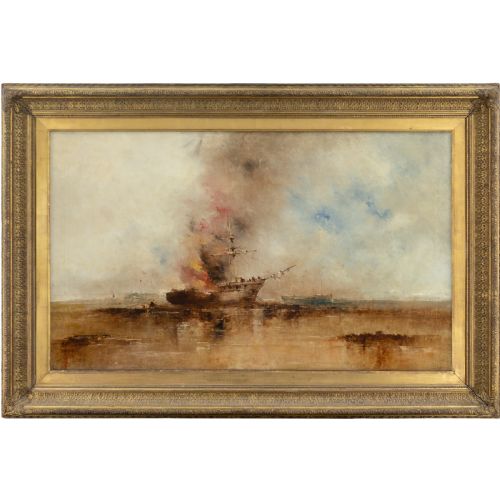
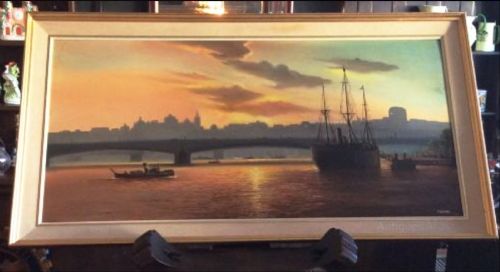
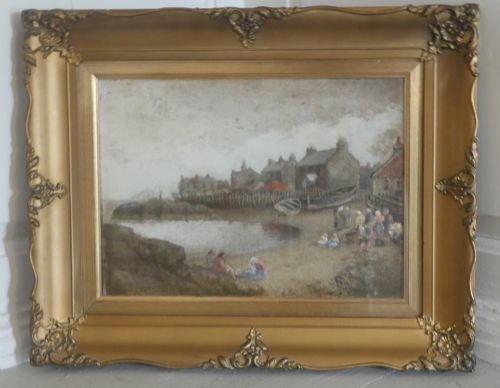
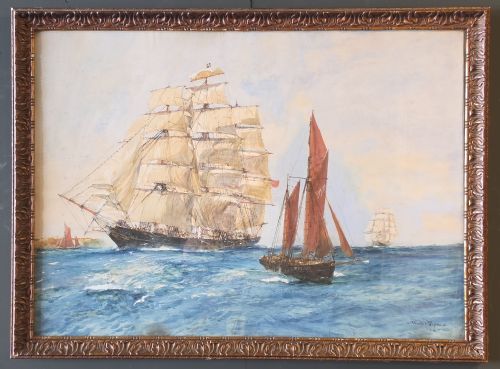
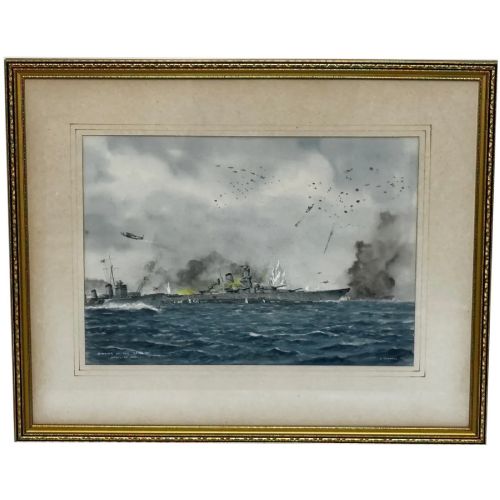
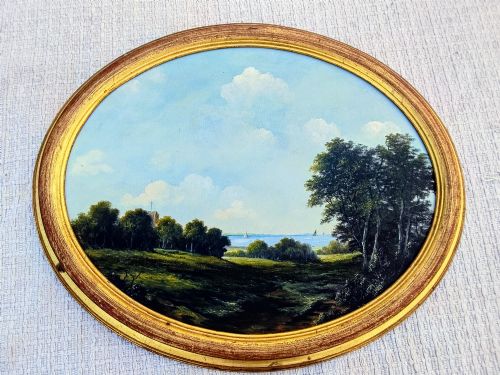
A vintage marine seascape encompasses painted views of open water, coastal cliffs, naval engagements and bustling ports. The selection ranges from nineteenth-century canvas depictions of square-rigged sailing ships to mid-twentieth-century board paintings executed en plein air.
Collectors encounter diverse formats including expansive oil paintings in heavy gilt wood frames alongside delicate watercolours on paper. Subjects stretch from local Cornish fishing harbours to dramatic scenes of ships in stormy weather.
The spread of periods covers early Victorian maritime compositions up to post-impressionist and mid-century modern interpretations. Works appear from both named British and continental artists as well as accomplished regional painters.
How they were made
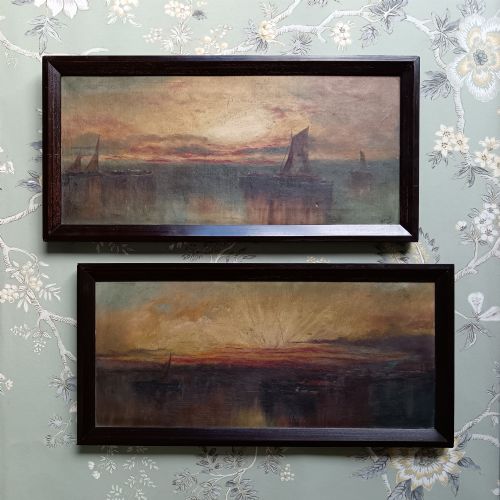
Makers primarily applied oil paint to stretched canvas or wooden board, creating rich textures that capture the heavy movement of sea spray and rolling swells. Watercolour on paper served artists who sought lighter, more luminous atmospheric effects of morning light over river ports.
Many maritime compositions utilised impasto techniques where thick paint builds up physical relief on the surface to suggest churning water or white sails against dark skies. Finished works were traditionally housed in gilt wood frames, sometimes protected beneath glass in the case of works on paper.
Listings span periods from the nineteenth century through the 1960s, executed in oil, watercolour and gouache on canvas, board and paper.
What varies in quality
The visual success of a marine painting depends largely on the artist's command of light, movement and maritime architecture. Master painters render rigging, hull lines and the weight of water with convincing accuracy, whereas lesser hands produce stiff vessels that lack momentum.
Atmospheric depth separates standard decorative watercolours from superior gallery pieces. Strong compositions use the horizon and changing weather to draw the viewer into the scene, supported by sensitive handling of pigment across canvas or paper.
Kenneth Cozens·Clifford Hanney·Eugène-Louis Gillot·William McAlpine·Sidney A Court·B Nash·Charles Edward Dixon·Eric Tufnell·William Banks Fortescue·Frank Watson Wood·Bernard Gribble·Frank William Scarbrough·F Corpuz·Clive Browne·Peter Brannan·Bernard Benedict Hemy·Willem Bos·Lai Fong·Nicholas Condy·William Henry Williamson·John Holland·George Stanfield Walters·Frank Kelsey·Walter Goodin
The Vintage Marine Seascape Glossary
- Impasto
- Paint applied thickly to a canvas or board so that it stands proud of the surface. This technique adds tactile dimension to waves and cloud formations.
- En plein air
- Painting outdoors in direct contact with the subject matter. Artists utilised this method to capture fleeting coastal light and changing weather conditions.
- Maritime art
- Artistic depiction of ships, shipping, sea and shore. The genre embraces naval history, coastal landscapes and commercial vessel portraits.
- Gilt wood
- Wood treated with a thin layer of gold leaf or metallic gilt paint. Such frames were standard for framing nineteenth-century oil paintings.
Vintage Marine Seascape: Frequently Asked Questions
How do I care for a vintage marine painting?
Keep framed artwork away from direct sunlight and fluctuating humidity to protect canvas, wood and paper supports.
Dust surfaces gently with a soft brush and avoid using chemical cleaning solutions on oil paint or gilt frames.
What is the difference between oil and watercolour marine works?
Oil paintings on canvas or board offer rich texture and deeper colour saturation suited to stormy seas and heavy shipping.
Watercolour paintings on paper provide lighter, translucent effects that capture calm coastal atmospheres and bright harbour mornings.
Are these paintings signed by the artists?
Many listings feature signatures or attribution to known maritime painters from the nineteenth and twentieth centuries.
Some accomplished works remain indistinctly signed or represent competent regional English and continental schools.
How can I tell the period of a maritime painting?
Frame styles, clothing on figures, and the types of vessels depicted often provide clear clues to the date of execution.
Nineteenth-century works tend to feature sailing barques and heavy gilt frames, whereas mid-century pieces lean towards modern board supports.