
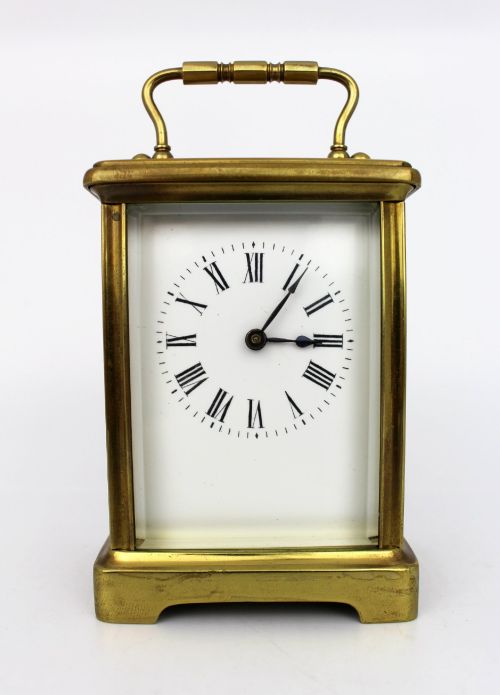
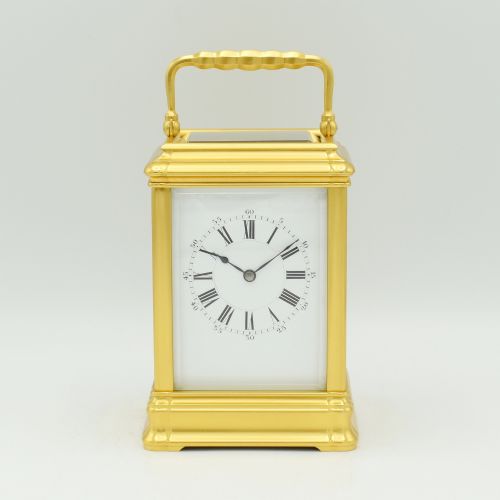
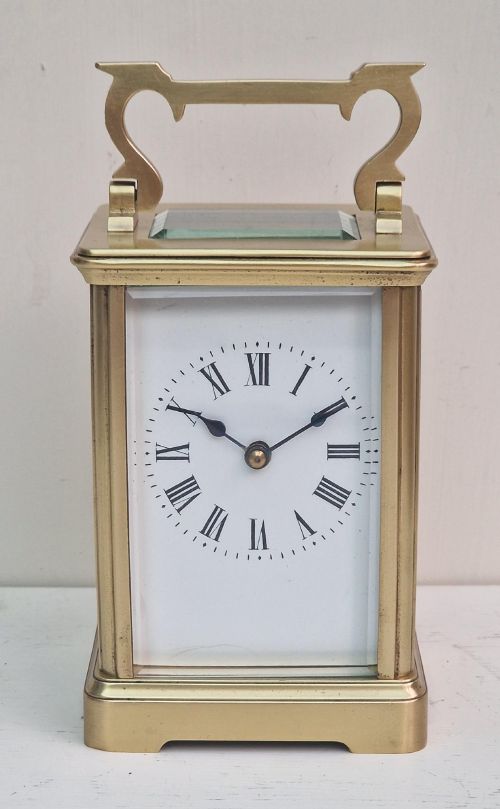
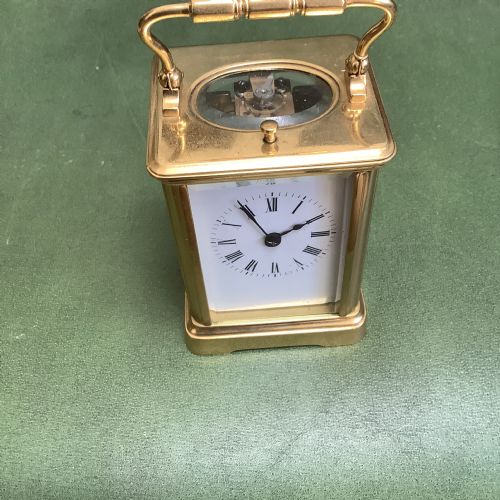
Vintage Mantle Timepiece
These vintage mantle timepiece examples combine practical timekeeping with period decoration, offering a functional centrepiece for a mantel shelf.

Vintage Mantle Timepiece
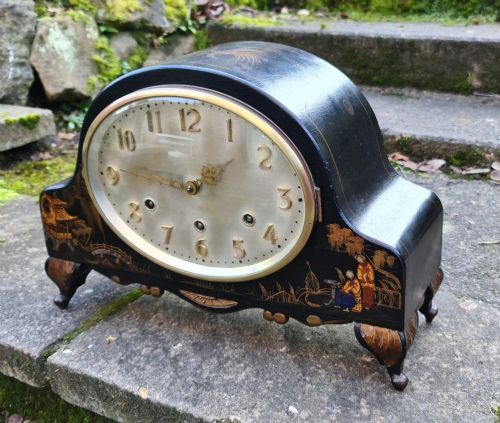
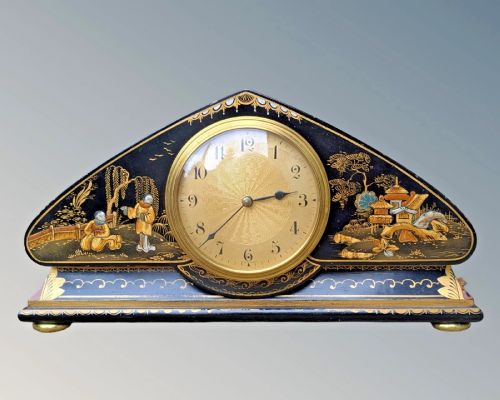
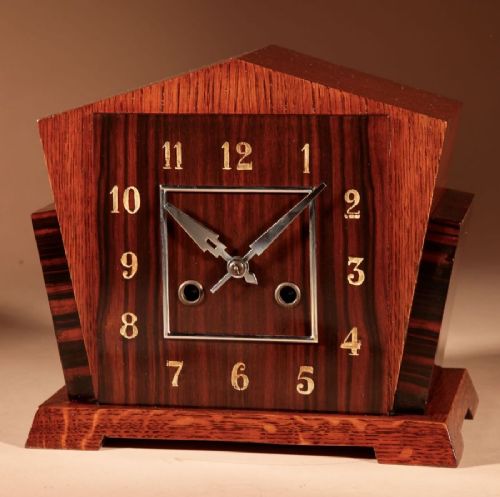
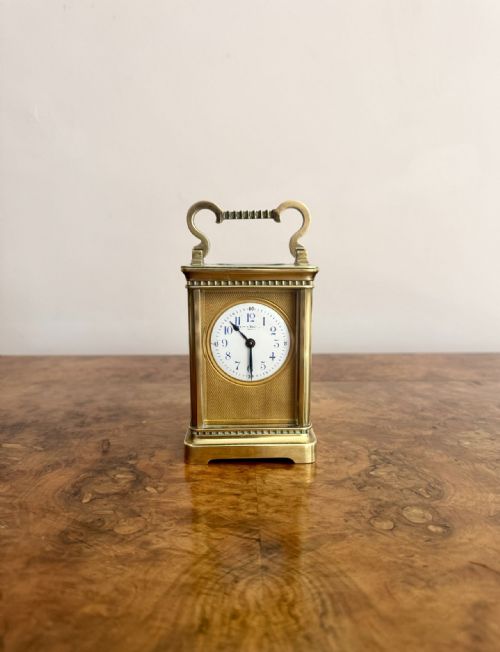
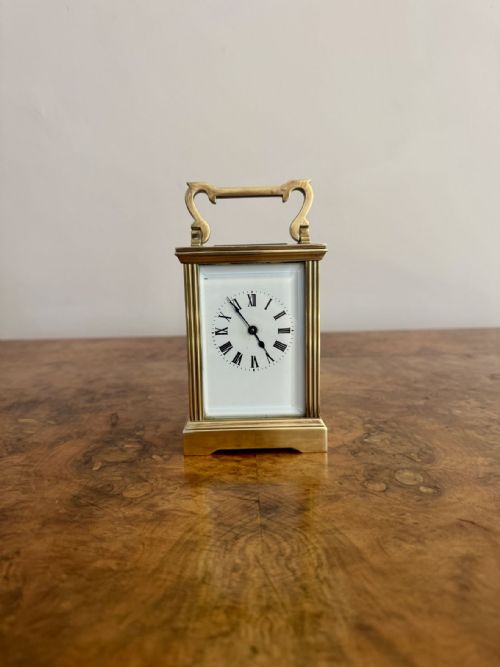
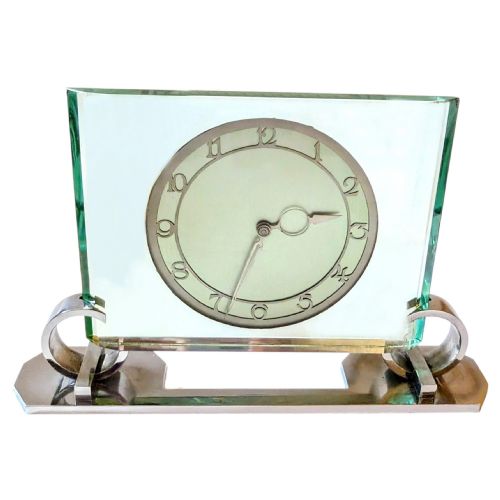
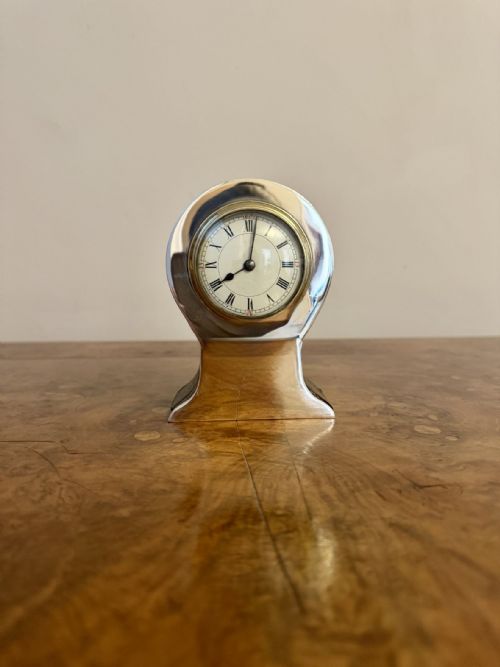
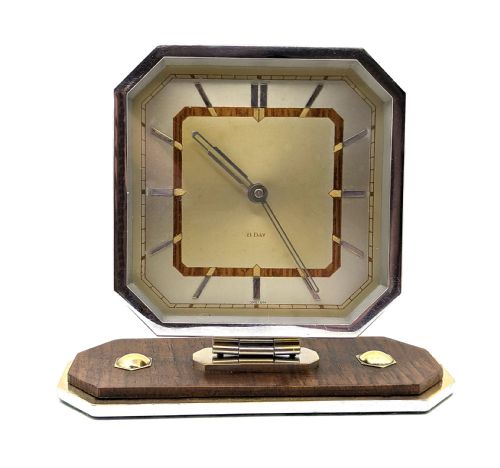
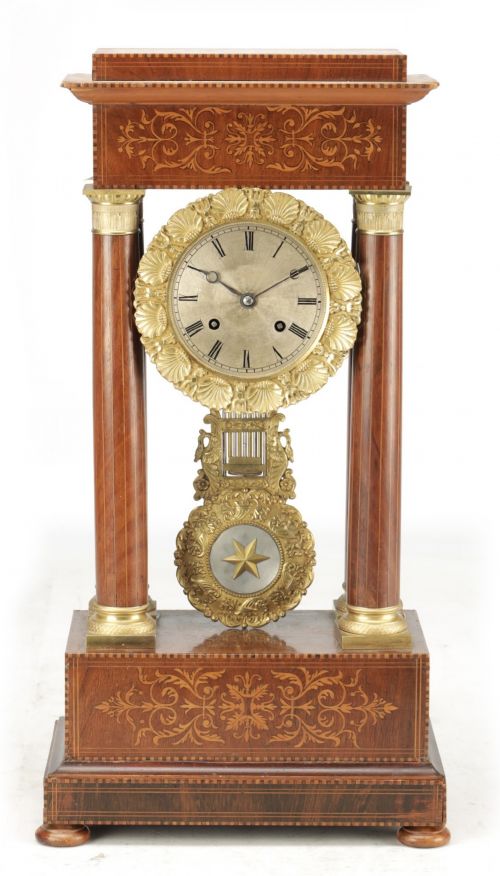
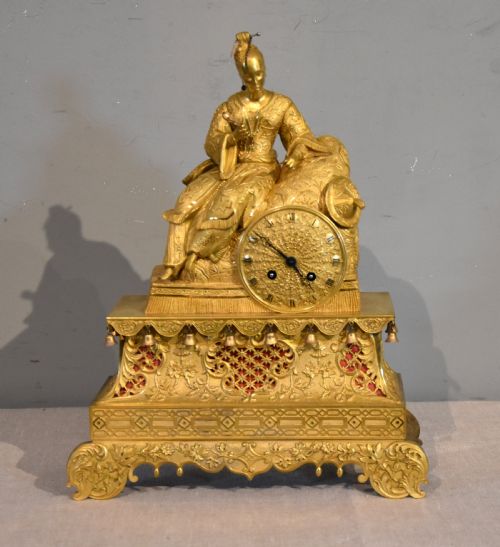
A vintage mantle timepiece is a portable or shelf-standing clock designed to sit on a mantelpiece, sideboard, or desk, spanning periods from the nineteenth century through the Art Deco era. The selection draws on styles such as Victorian, Edwardian, and Art Deco, alongside French nineteenth-century designs, Regency, and Chinoiserie.
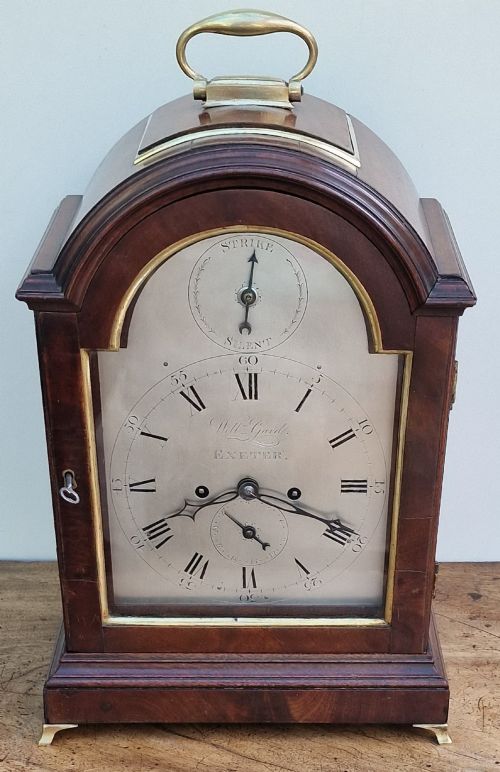
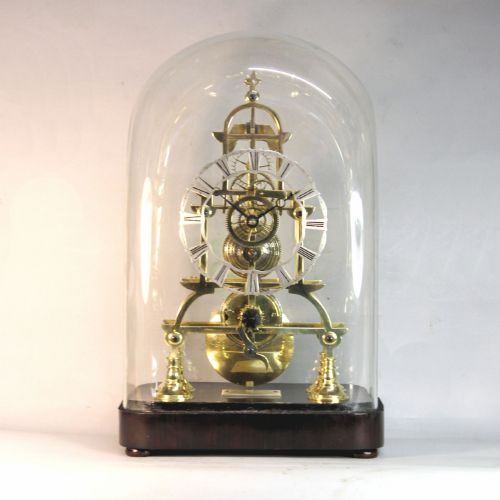
The objects themselves manifest as carriage clocks, bracket clocks, desk clocks, and traditional mantel clocks. Brass carriage clocks with enamel dials and mahogany cases appear alongside oak, marble, ormolu, and pewter structures.
Buyers meet specimens originating from English, French, and Swiss workshops. Examples range from compact miniature carriage clocks with alarms to large lacquered or inlaid wooden mantel clocks.
How they were made
Metalwork dominates the construction of carriage clocks and desk pieces, utilising brass, bronze, silver, chrome, pewter, and ormolu. Glass panels frequently enclose mechanical movements, allowing the escapement to remain visible.
Woodworking traditions shape the wooden bracket and mantel clocks, employing mahogany, oak, macassar ebony, and faux tortoiseshell surfaces. Inlays, lacquer, and enamel paintings decorate the exterior casings of these domestic timekeepers.
Listed items span from the Victorian period through Edwardian, Art Deco, and Regency styles.
What varies in quality
The calibre of a vintage mantle timepiece depends on the precision of its movement and the execution of its exterior materials. Maker attribution, hand-painted enamel details, and solid metal mounts elevate individual pieces above standard commercial production.
Case materials dictate much of the visual distinction, separating simple wood housings from elaborately cast brass, marble, ormolu, and silver hallmarked bodies.
William Gard·Henri Jacot·Smiths Clockmakers·Richard Winter·Maurice Marcel Moulin Favre-Bulle·John Morley·Duverdrey Bloquel·David Veasey for Liberty Co
The Vintage Mantle Timepiece Glossary
- Carriage clock
- A small, portable spring-driven clock with a carrying handle, originally designed for travel during the nineteenth century. These pieces usually feature glass panels held within a brass framework.
- Bracket clock
- A traditional table clock originally built to sit upon a wall bracket for stability. They typically feature wooden cases made from mahogany or oak.
- Fusee
- A conical pulley used in mechanical clocks to maintain an even pull on the movement as the mainspring unwinds. This mechanism improves timekeeping accuracy across the power reserve.
- Ormolu
- Gilded bronze ornamentation applied to furniture, clocks, and decorative objects. The technique involves coating base metal with a mercury-gold amalgam.
- Repeater
- A mechanical complication in a clock that chimes the hours and quarters on demand when a lever or button is pressed. This function allowed owners to check the time in the dark.
Vintage Mantle Timepiece: Frequently Asked Questions
How do I wind a vintage carriage clock?
Most mechanical carriage clocks utilise a key inserted into the winding square at the back or base of the movement. Turn the key gently until resistance indicates the mainspring is fully tensioned.
Avoid overwinding the clock, as this places excessive strain on the internal spring mechanism and can disrupt proper timekeeping.
What is the difference between a timepiece and a clock?
In horological terms, a timepiece is a clock that measures and displays the time without including striking or chiming mechanisms. Clocks with a striking train sound the hours or quarters automatically.
Many mantel designs and carriage clocks function strictly as timepieces, focusing purely on visual appeal and visual movement.
Where should I place a mantel clock?
Position the clock on a stable, level surface away from direct sunlight, excessive moisture, and temperature fluctuations. Mantels, sideboards, and desks provide traditional resting points.
Ensure the surface does not vibrate excessively, which can cause mechanical pendulums or escapements to stop beating correctly.
How do I identify an Edwardian clock?
Edwardian clocks date from the early twentieth century and frequently incorporate lighter wood veneers, delicate inlay work, or polished brass frames. Stylistic influences often draw upon earlier Georgian or Victorian precedents.
Examine the construction methods and interior movement markings to confirm the manufacturing period aligns with the early 1900s.