
Vintage Mahogany Vanity Table
A vintage mahogany vanity table brings warmth and functional surface space to a bedroom, ranging from compact mirror stands to large multi-drawer pieces.
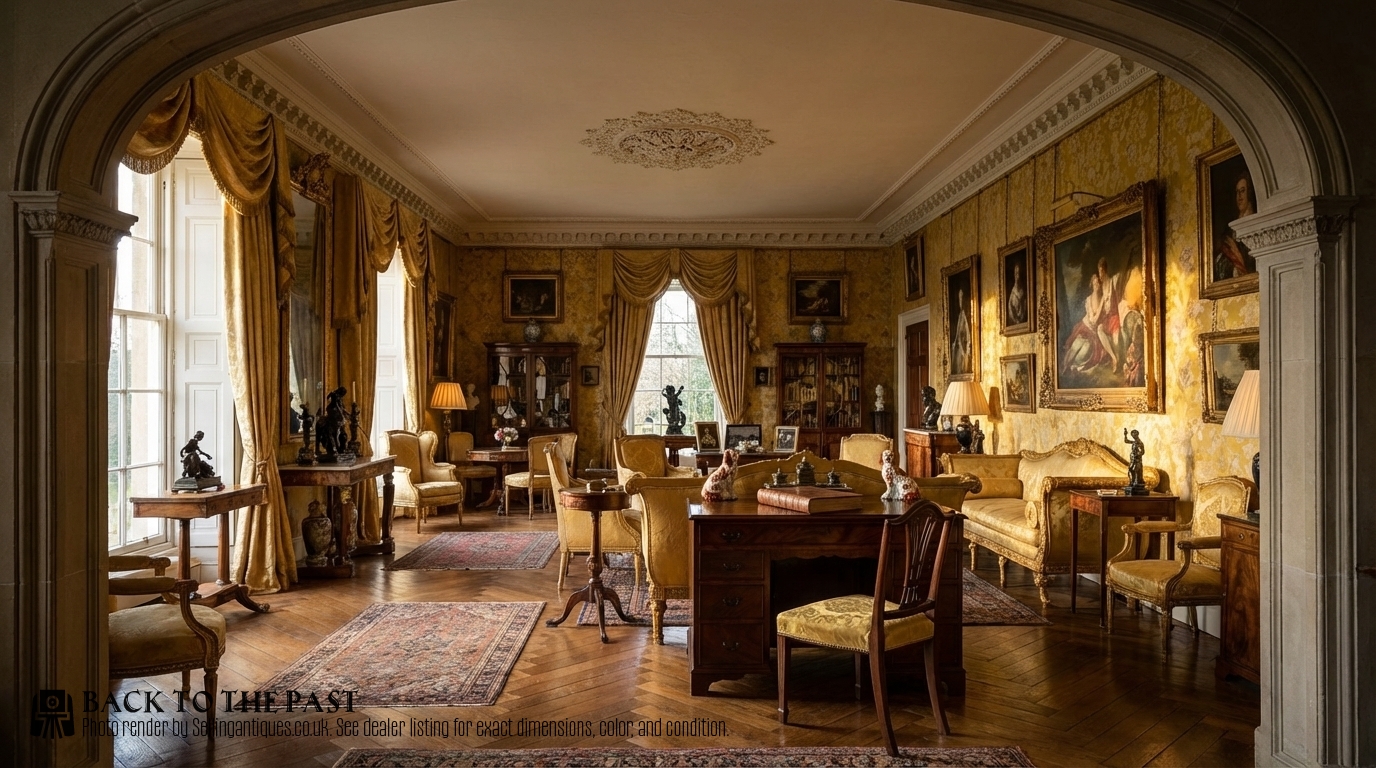
Vintage Mahogany Vanity Table
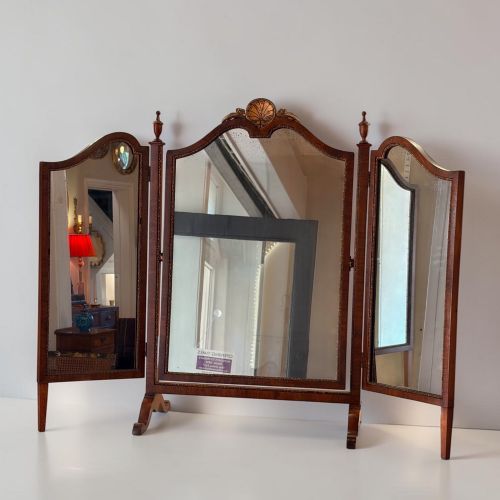
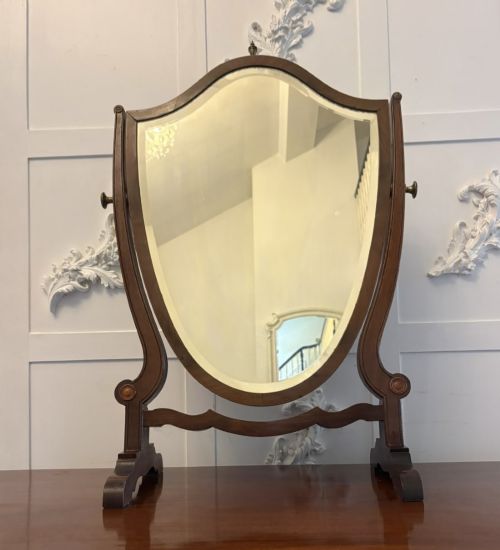
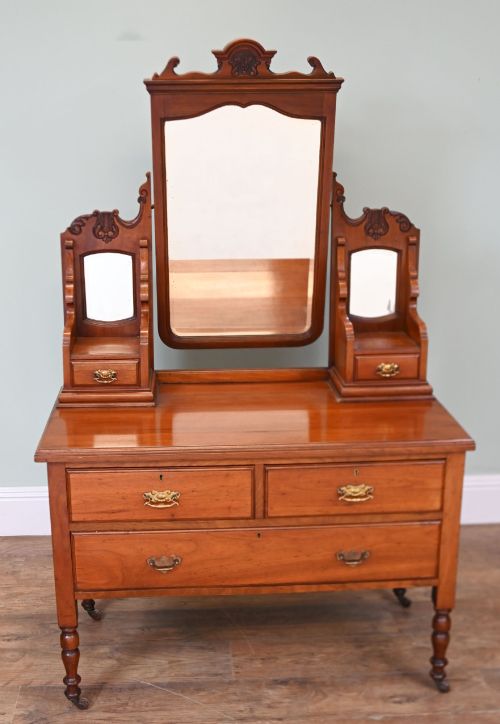
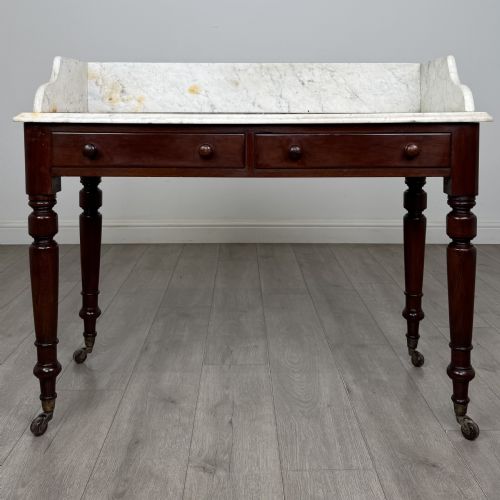
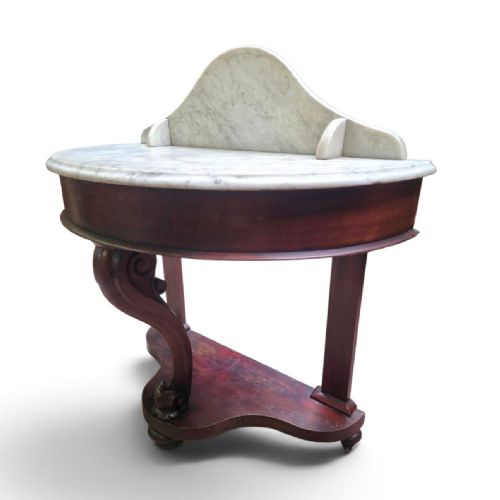
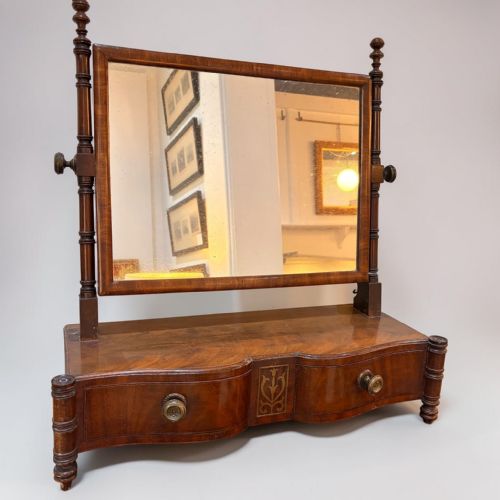
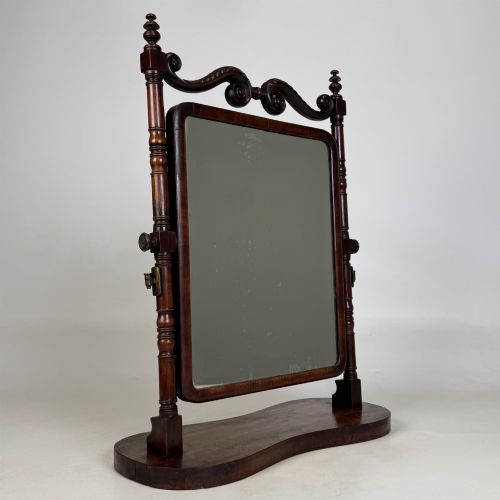
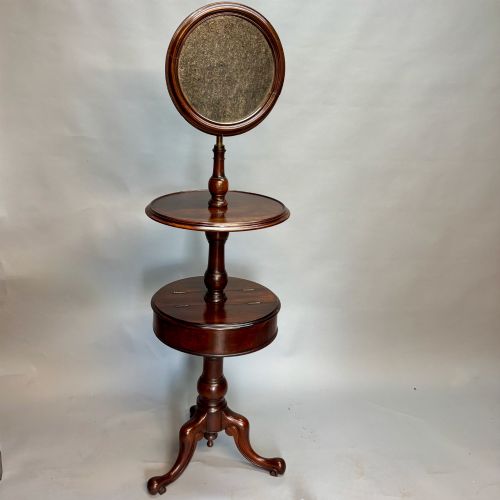
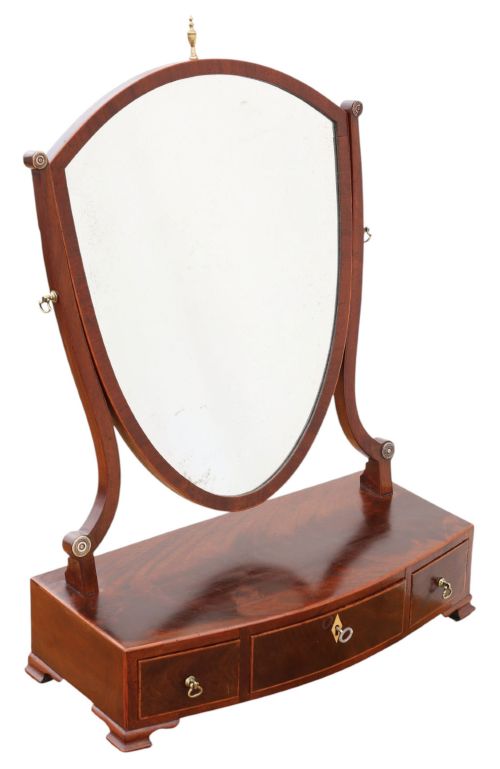
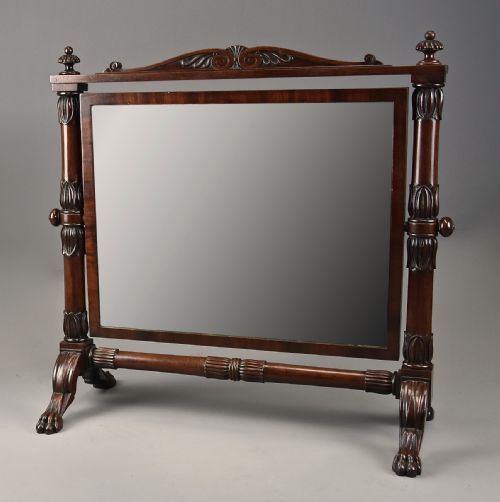
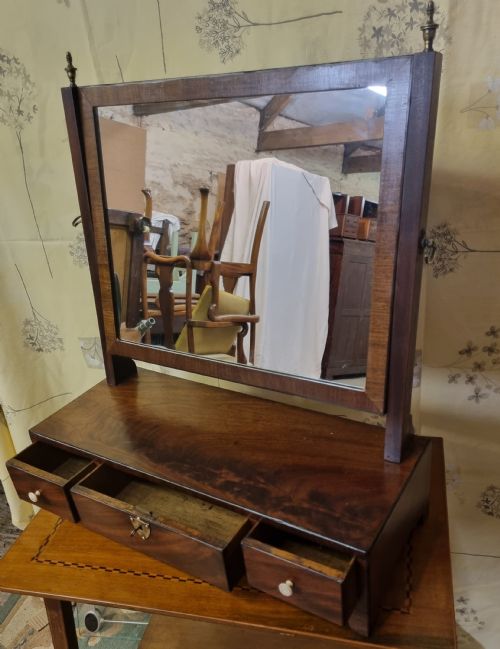
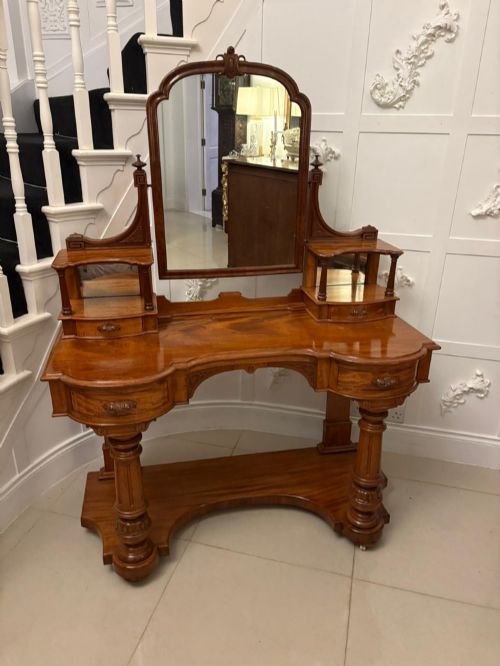
A vintage mahogany vanity table encompasses various forms designed for personal grooming and writing, including freestanding dressing tables, washstands, and smaller tabletop or cheval mirrors.
The pieces span multiple eras from the eighteenth century through the Georgian, Victorian, and Edwardian periods up to the 1930s, reflecting changing domestic habits.
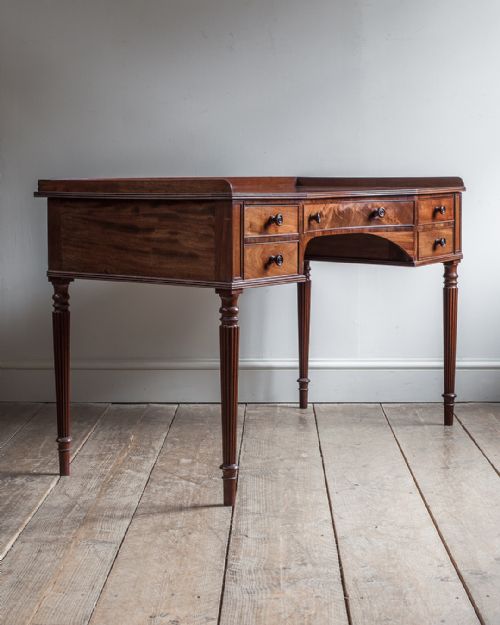
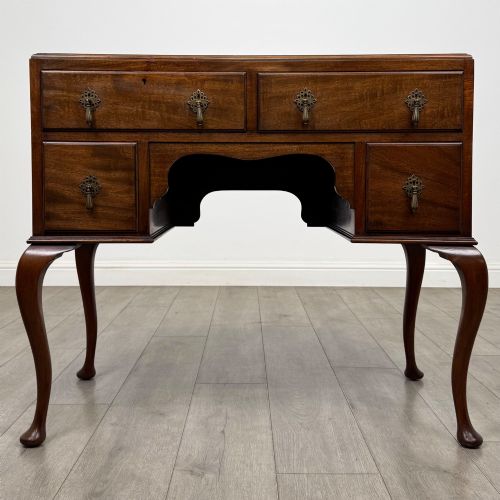
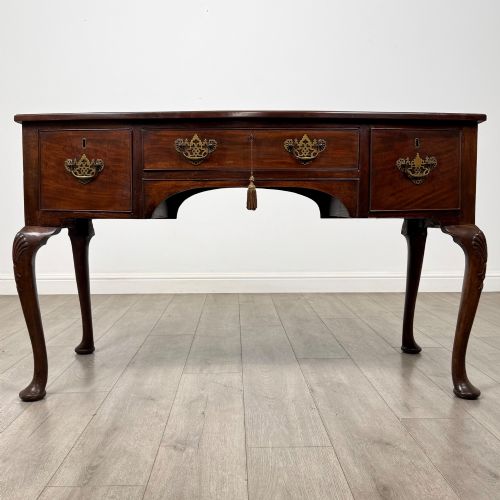
Large kneehole tables with multiple drawers sit alongside compact writing desks and simple washstands, offering distinct proportions for different room layouts.
Materials and construction
Makers utilised solid mahogany and flame mahogany veneer, often enhanced with satinwood crossbanding, maple details, or parcel-gilt highlights.
Functional elements incorporated brass handles, glass mirror plates, bone fittings, marble tops, and fabric upholstery on associated stools and chairs.
Assessing the workmanship
The refinement of the carving, the choice of timber figuring such as flame mahogany, and the subtlety of crossbanding distinguish finer examples from plain utility pieces.
Structural integrity relies on traditional joinery in the drawer construction and the stability of adjustable swing or triplate mirror frames.
Heal & Sons·Harrods
The Vintage Mahogany Vanity Table Glossary
- Mahogany
- A durable hardwood prized for its deep reddish-brown tone and smooth grain, frequently used in high-grade furniture.
- Flame mahogany veneer
- A thin slice of timber cut from wood where the branch meets the trunk, creating a distinctive flamed or fiery pattern.
- Crossbanding
- A border technique where strips of veneer are laid perpendicular to the grain of the main surface for decorative contrast.
- Cheval mirror
- A full-length mirror hung in a frame that allows it to tilt back and forth on vertical pivots.
- Kneehole table
- A desk or dressing table featuring a central recess for the legs, flanked by pedestals of drawers.
Vintage Mahogany Vanity Table: Frequently Asked Questions
What is the difference between a vanity table and a washstand?
A vanity table typically provides surface space and drawers for cosmetics and grooming alongside an attached or matching mirror. A washstand is designed to hold a wash basin and jug, sometimes featuring a marble top for water resistance.
While both serve personal care routines in a bedroom setting, their internal fittings and upper surfaces reflect these distinct original purposes.
How do I identify a Georgian dressing mirror?
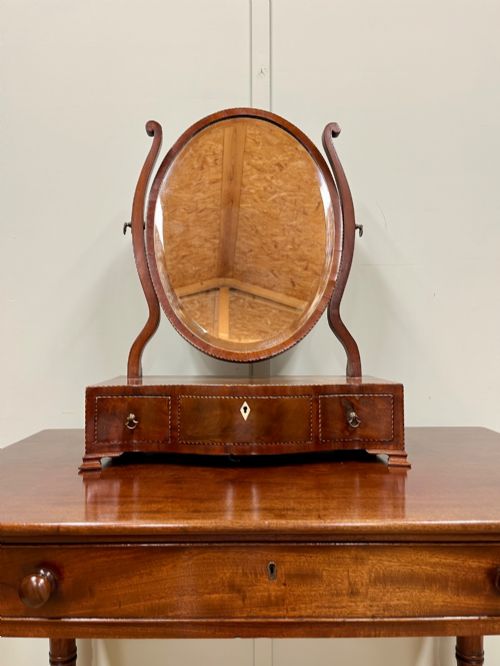
Georgian dressing mirrors generally feature box bases containing small drawers beneath a rectangular, oval, or shield-shaped glass plate. The wood often exhibits rich mahogany tones with subtle details such as crossbanding or parcel-gilt accents.
These compact tabletop pieces rely on manual pivot screws to adjust the angle of the glass.
Are Edwardian dressing tables different from Victorian ones?
Edwardian dressing tables often display lighter proportions and incorporate influences from earlier revivals, sometimes featuring inlaid satinwood details. Victorian versions tend to be heavier in scale, utilising solid mahogany and deep carved mouldings.
Both eras frequently include adjustable mirrors mounted directly onto chest bases or kneehole desks.
Can I use a vintage writing table as a vanity?
Many vintage writing tables and desks share similar dimensions and drawer configurations with period dressing tables. Adding a suitable tabletop mirror or pairing the desk with a matching stool transforms the workspace into a functional vanity.
Checking the knee clearance and surface height ensures comfortable daily use.