



Vintage Mahogany Timepiece
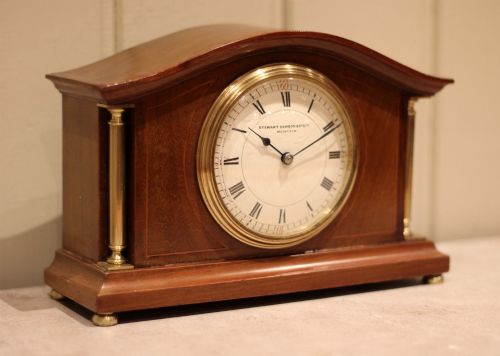
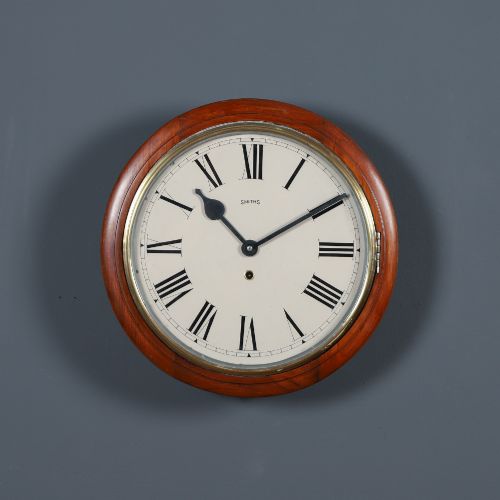
A vintage mahogany timepiece brings steady domestic rhythm and rich timber grain to a room, ranging from robust railway dials to quiet library mantel pieces.
Vintage Mahogany Timepiece
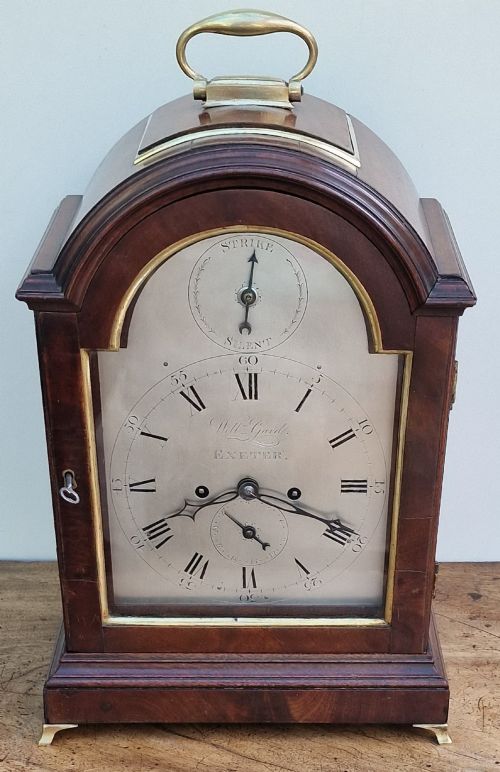
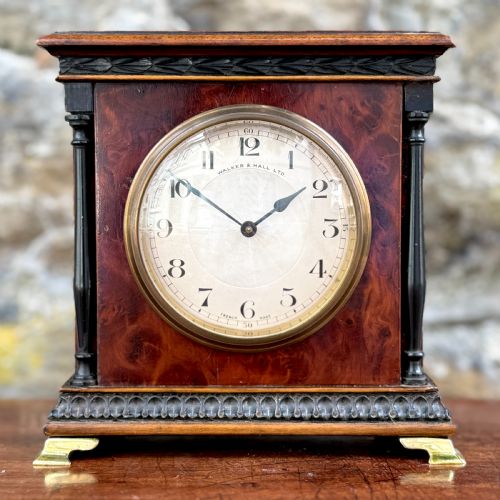
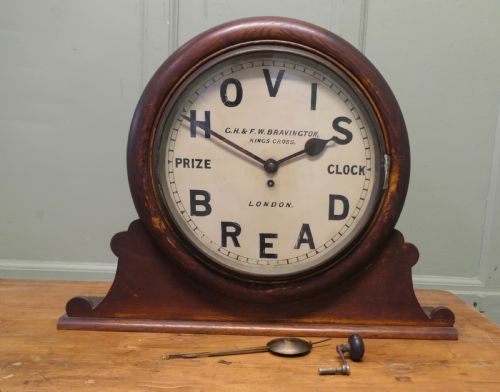
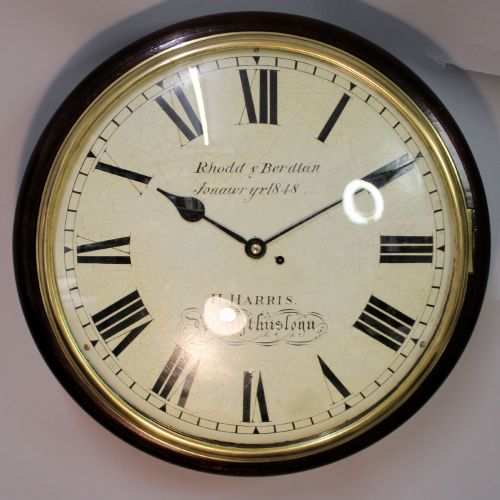
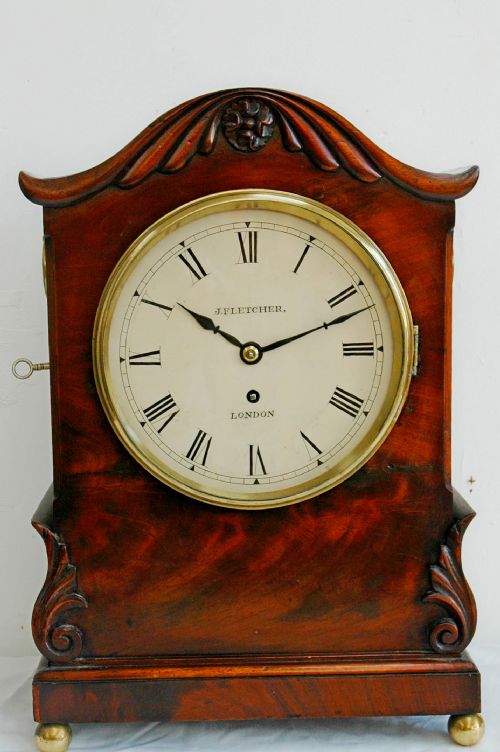
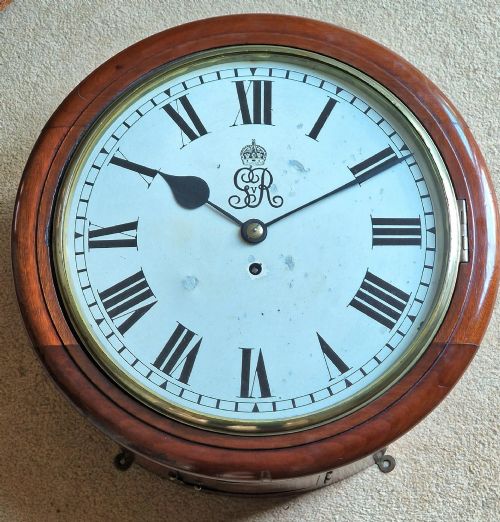
A vintage mahogany timepiece is a working clock housed in rich tropical timber, taking forms from sturdy wall dials to elegant mantel pieces. When you search this phrase, you meet items spanning the Georgian era through the Edwardian years and into the early twentieth century.
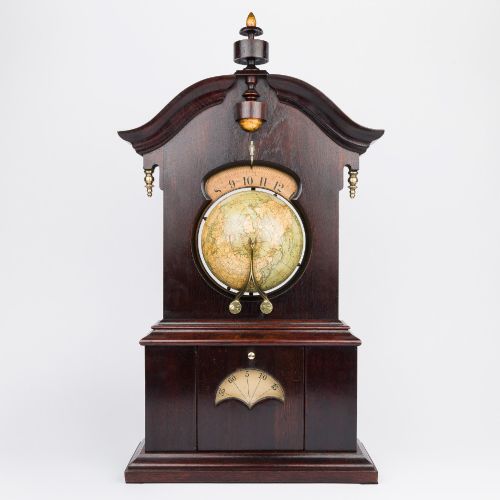
The selection on this page leans heavily toward Edwardian and Victorian examples, alongside Georgian library pieces and railway round dials. You encounter everything from simple desk clocks to complex marine chronometers and fusee wall clocks.
Makers ranged from provincial watchmakers to renowned London firms, producing items for domestic halls, railway platforms and officers' messes alike. The timber case anchors each piece, whether finished plain or inlaid with contrasting woods.
How they were made
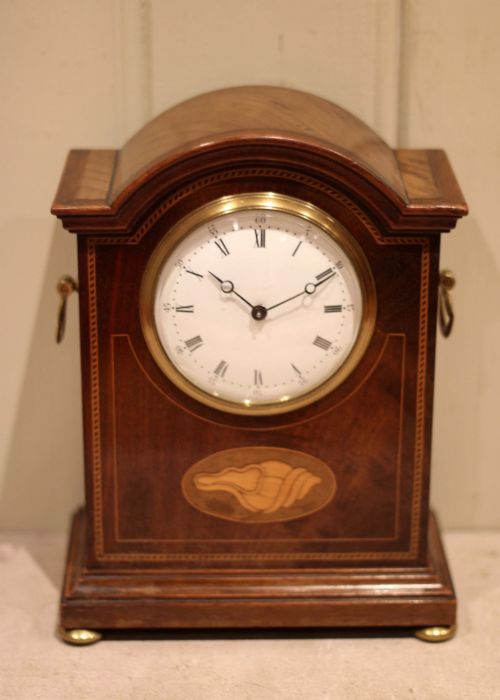
Cases rely on solid or veneered mahogany, frequently paired with brass bezels, white enamel dials and protective glass covers. Cabinet makers shaped the timber into round wall frames, bracket shapes and arched mantel profiles.
Many better movements utilise fusee mechanisms to maintain even tension as the mainspring unwinds, ensuring accurate timekeeping. Dials feature painted metal or enamel surfaces marked with Roman or Arabic numerals.
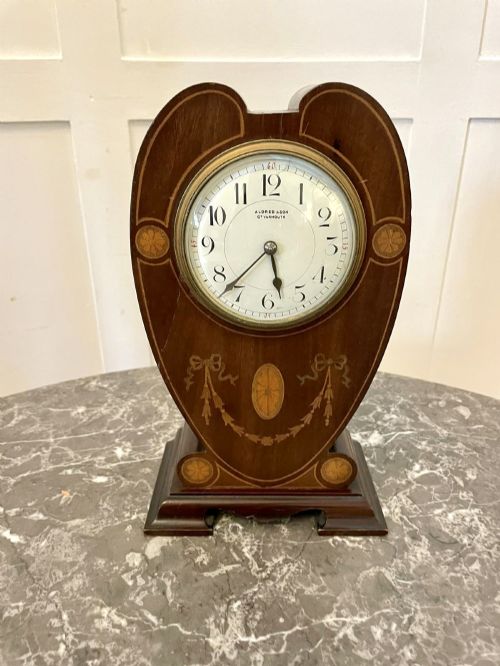
Decoration often includes subtle satinwood inlay, brass fretwork, or carved Edwardian motifs such as poppies, reflecting the prevailing style of the maker's workshop.
Vintage Mahogany Timepiece Retail Price Guide 2026
Typical asking prices for vintage mahogany timepiece among the pieces listed under this phrase on Sellingantiques today, from the lower quarter to the upper quarter. They describe what is for sale here now, not the wider market.
Among the military and transport pieces, a clock once served an RAF officers' mess in 1938.
What varies in quality
Quality rests in the crispness of the movement and the integrity of the cabinet work. A superior fusee or spring-driven mechanism shows fine finishing on the brass plates and precise tooth engagement in the gear train.
The cabinet work distinguishes standard production from superior craftsmanship, visible in the selection of figured mahogany and the precision of any inlay. Original enamel dials free from heavy chipping command greater appreciation from collectors.
Mercer of London·William Gard·George Clarke·Henry Harris·Walker and Hall·Bush of London·Winterhalder and Hofmeier
The Vintage Mahogany Timepiece Glossary
- Fusee
- A conical pulley connected to the mainspring by a chain or cord, designed to equalise the drive force as the spring unwinds. This mechanism is a hallmark of better British clockmaking.
- Dial clock
- A wall-mounted clock with a prominent circular face, frequently utilised in railway stations, schools and offices during the nineteenth and twentieth centuries.
- Bracket clock
- A portable clock designed to sit on a bracket, shelf or table, often featuring a handle on top for movement between rooms.
- Enamel
- A glassy substance fused to a metal dial base under high heat, providing a crisp, durable surface for painted numerals.
- Satinwood
- A pale exotic timber utilised for stringing and contrasting inlay work on mahogany clock cases, popular during the Georgian and Edwardian periods.
Vintage Mahogany Timepiece: Frequently Asked Questions
Where were dial clocks typically used?
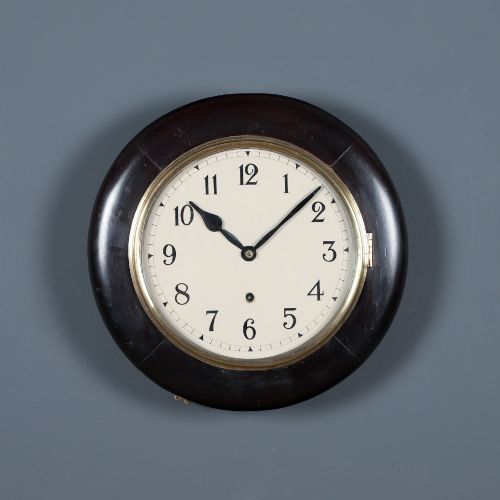
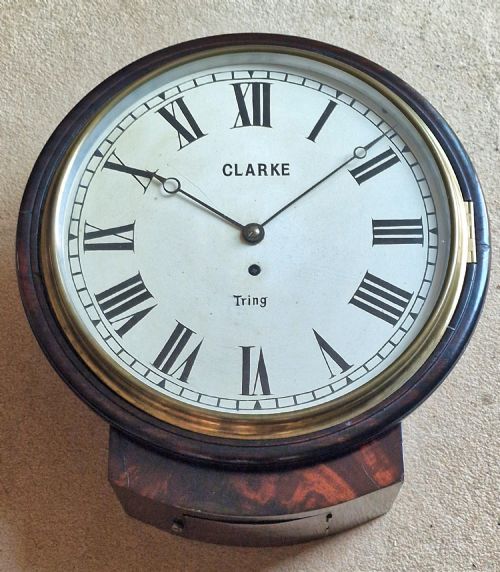
Railway stations, schools, offices and public halls relied heavily on large wall dials for clear timekeeping across busy spaces. Their robust movements were built to withstand constant public use.
Domestic versions also appeared in larger hallways and kitchens where reliable time was essential.
How do I distinguish a Victorian clock from an Edwardian one?
Victorian pieces often favour heavier proportions, deep dark mahogany tones and formal architectural details. Edwardian examples frequently introduce lighter woods, inlaid satinwood stringing and softer decorative motifs.
Examining the interior movement marks and dial construction also helps pin down the exact manufacturing decade.
What is a marine chronometer?
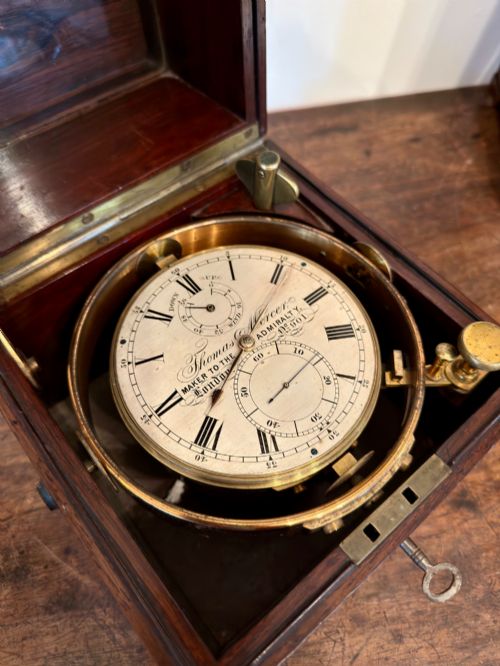
A highly accurate portable timekeeper utilised at sea for calculating longitude by navigating ships out of sight of land. These mechanisms sat within gimbal mounts to keep the dial level despite vessel movement.
They represent the absolute peak of mechanical timekeeping engineering.